Concrete floors have become a popular choice for modern interiors due to their durability, versatility, and sleek aesthetic. Once reserved for industrial spaces, concrete is now used in homes, offices, and retail environments for its minimalist appeal and low maintenance. With various finishes and treatments available, concrete floors can be customized to fit any design style. Let’s explore several interior concrete floor options, detailing their benefits, drawbacks, and best applications to help you choose the right one for your space.
Polished Concrete
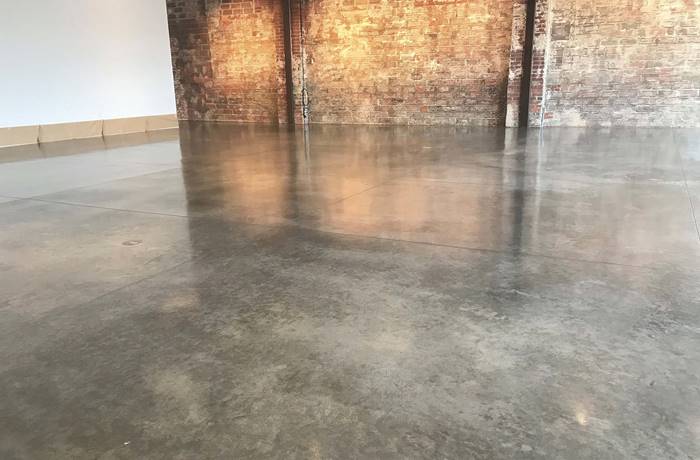
Polished concrete is a high-gloss finish achieved by grinding the surface with diamond abrasives and applying a densifier to harden it. This process creates a smooth, reflective surface that enhances natural light, making spaces appear larger and brighter. Polished concrete is extremely durable, resistant to scratches, and easy to clean, making it ideal for high-traffic areas like living rooms, kitchens, and commercial spaces. It also pairs well with radiant floor heating, adding comfort in colder climates.
One of the main advantages of polished concrete is its low maintenance. Unlike other flooring types, it doesn’t require waxing or sealing once properly finished. However, the initial installation can be labor-intensive and may require professional expertise. The grinding process can also generate dust, so proper ventilation is necessary during installation. Despite these challenges, polished concrete remains a top choice for those seeking a modern, long-lasting floor with minimal upkeep.
Polished concrete offers design flexibility, as it can be customized with different aggregate exposures, colors, and sheen levels. Stains or dyes can be added for a unique look, while decorative scoring or patterns can create visual interest. While the upfront cost may be higher than some options, its longevity and timeless appeal make it a worthwhile investment for both residential and commercial interiors.
Stained Concrete
Stained concrete uses acid-based or water-based stains to add rich, translucent color to the surface. Acid stains react chemically with the concrete, creating unique, marbled effects that vary from subtle earth tones to deep blues and greens. Water-based stains offer a broader color palette and more consistent results, making them suitable for intricate designs. Stained concrete is popular in homes, restaurants, and retail spaces where a custom, artistic look is desired.
One of the biggest benefits of stained concrete is its ability to transform plain gray concrete into a vibrant, eye-catching feature. The stains penetrate deeply, ensuring the color won’t peel or fade over time. However, staining requires a properly prepared surface, as any existing sealers or coatings must be removed first. The process can also be unpredictable with acid stains, as the final result depends on the concrete’s composition and age.
After staining, the floor must be sealed to protect the color and enhance durability. Regular resealing is recommended, especially in high-traffic areas, to maintain the finish. Stained concrete works well in living rooms, patios, and even bathrooms, offering a unique alternative to traditional flooring. While it requires some maintenance, its artistic appeal and long lifespan make it a standout choice.

Concrete Overlay
A concrete overlay is a thin layer of polymer-modified concrete applied over an existing slab to renew its appearance. This option is ideal for worn or damaged floors that need a fresh look without full replacement. Overlays can be textured, stamped, or stained to mimic materials like tile, stone, or wood. They are commonly used in residential renovations, commercial spaces, and outdoor areas like patios and pool decks.
Concrete overlays provide a cost-effective way to upgrade old floors while maintaining structural integrity. They bond tightly to the existing slab, reducing the risk of cracks or separation. Since overlays are thinner than new concrete pours, they can be applied in spaces with height restrictions. However, proper surface preparation is crucial—any cracks or unevenness must be repaired before application to ensure a smooth finish.
Once installed, overlays can be sealed for added protection and shine. They are highly customizable, allowing for creative designs like geometric patterns or faux finishes. While not as durable as solid concrete, overlays offer a budget-friendly solution for refreshing floors without extensive demolition. With proper care, they can last for years, making them a practical choice for both aesthetic and functional upgrades.
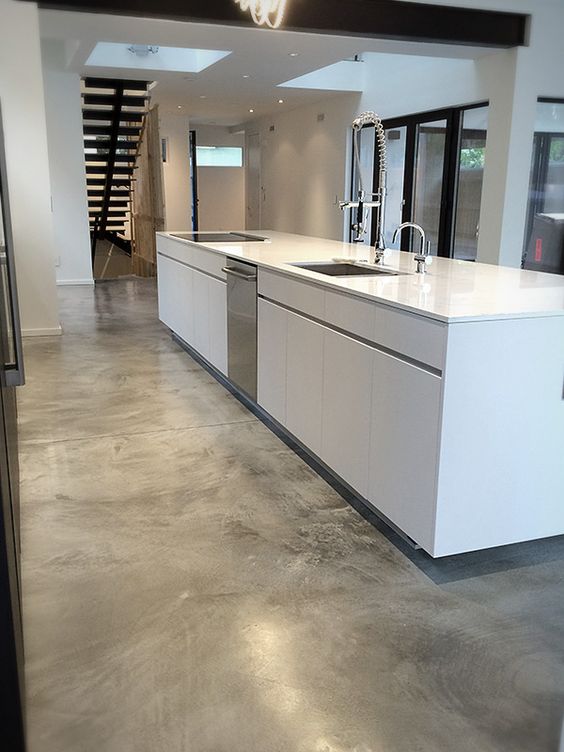
Stamped Concrete
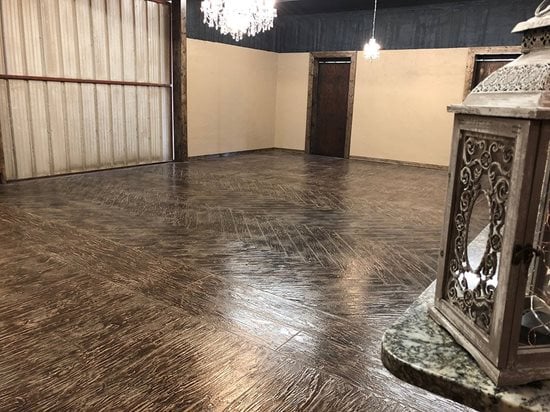
Stamped concrete replicates the look of brick, slate, or wood through textured molds pressed into freshly poured concrete. This technique creates realistic patterns and grooves, offering the beauty of natural materials with concrete’s durability. Stamped concrete is often used for patios, walkways, and indoor spaces where a decorative yet sturdy floor is desired. It’s especially popular in rustic, farmhouse, or Mediterranean-style interiors.
One of the main advantages of stamped concrete is its versatility. A wide range of patterns and colors can be combined to match any design theme. Unlike real stone or wood, stamped concrete requires less maintenance and won’t warp or splinter. However, the surface can become slippery when wet, so adding a non-slip additive or textured sealer is recommended for safety.
Installation requires skill to ensure even stamping and proper curing. Hairline cracks may develop over time, but strategic scoring can help control them. Regular sealing every few years maintains the color and texture. While stamped concrete has a higher upfront cost than plain concrete, its decorative appeal and long-term durability make it a favorite for both indoor and outdoor applications.
Epoxy-Coated Concrete
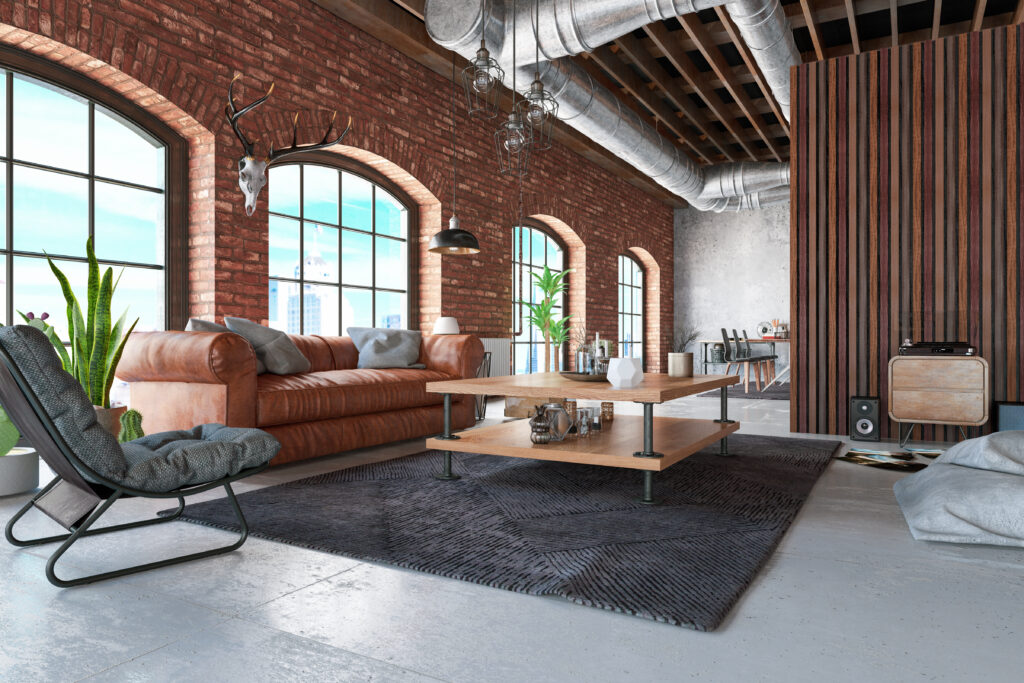
Epoxy-coated concrete involves applying a thick, resin-based layer over the concrete surface, creating a seamless, glossy finish. This option is highly resistant to stains, chemicals, and abrasions, making it ideal for garages, basements, and industrial spaces. Epoxy floors are also used in modern homes for a sleek, high-tech look, especially in kitchens and entertainment areas.
Epoxy coatings are incredibly durable and can last decades with minimal upkeep. They are available in various colors and can include decorative flakes or metallic pigments for a custom appearance. Unlike other finishes, epoxy is non-porous, preventing moisture absorption and bacterial growth. However, proper surface preparation is critical—any oil stains or cracks must be addressed before application to ensure adhesion.
While epoxy is tough, it can yellow under prolonged UV exposure, so it’s best for indoor or shaded areas. The installation process involves multiple steps, including priming, coating, and curing, which can take several days. Despite the time investment, epoxy-coated concrete offers unmatched resilience and a polished, contemporary aesthetic that suits both residential and commercial spaces.
Microtopping
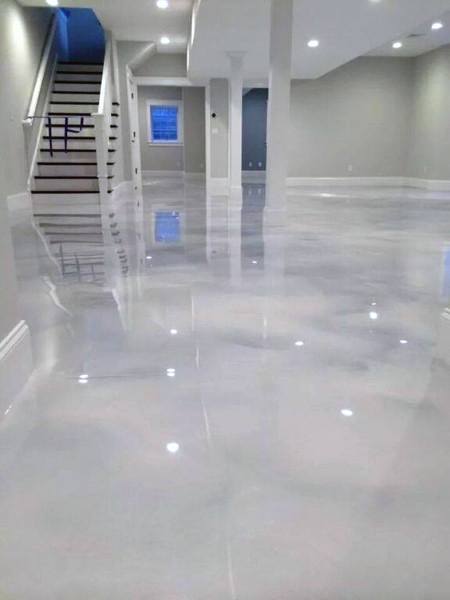
Microtopping is an ultra-thin cement-based coating (as thin as 1/16 inch) applied over existing concrete for a smooth, modern finish. It’s often used to create a minimalist, Scandinavian-inspired look in homes, offices, and retail spaces. Microtopping can be tinted, polished, or left matte, offering endless design possibilities while hiding imperfections in the original slab.
This option is perfect for those who want a seamless, industrial-chic floor without the weight of traditional concrete. Since it’s so thin, microtopping works well in multi-story buildings where added load is a concern. However, it’s less durable than thicker concrete options and may show wear in high-traffic areas. Proper sealing is essential to prevent staining and moisture damage.
Installation requires a skilled contractor to ensure an even application. Microtopping can be combined with stains or dyes for a custom color, and it pairs well with radiant heating systems. While not as tough as polished concrete, its sleek appearance and lightweight nature make it a stylish choice for contemporary interiors.
Is concrete flooring cold in winter?

Concrete floors can feel cold, especially in winter, but this can be mitigated with radiant floor heating systems. These systems circulate warm water or electric coils beneath the surface, providing consistent warmth. Area rugs and insulated underlays also help reduce the chill. In warmer climates, the natural coolness of concrete can be an advantage, keeping interiors comfortable without excessive air conditioning.
Can concrete floors crack over time?
Minor cracks can develop in concrete floors due to settling or temperature changes, but proper installation and control joints minimize this risk. Decorative techniques like staining or scoring can disguise small cracks. For existing cracks, epoxy fillers or overlays provide effective repairs. High-quality concrete mixes and reinforcement (like fiber mesh) further enhance durability.
How do I clean and maintain concrete floors?
Most concrete floors only need sweeping and occasional damp mopping with a pH-neutral cleaner. Sealed or polished concrete resists stains, but spills should still be wiped quickly. Avoid harsh chemicals or abrasive tools that could damage the finish. Reapplying sealant every few years maintains protection, especially in high-traffic areas.
Are concrete floors slippery when wet?
Some finishes, like polished concrete, can be slippery, but additives like anti-slip sealers or textured coatings improve traction. Stamped or exposed aggregate concrete naturally provides more grip. Placing mats in wet areas (like entryways) also enhances safety. Always discuss slip resistance options with your installer.
Can I install concrete floors over existing tile or wood?
Concrete overlays or microtopping can often be applied over existing floors if the surface is properly prepared. However, unstable substrates (like rotting wood) must be repaired first. A professional assessment ensures compatibility and prevents future issues like cracking or delamination.
Is concrete flooring eco-friendly?
Concrete is sustainable because it uses natural materials (cement, sand, aggregate) and has a long lifespan, reducing replacement waste. Polished concrete eliminates the need for additional floor coverings, and its thermal mass can improve energy efficiency by regulating indoor temperatures. Low-VOC sealers further enhance its environmental benefits.
Best Concrete Floor Ideas – Smooth Flooring Interior

The Pros and Cons of Concrete Flooring
An In-Depth Look at 30 Concrete Floor Designs – Concrete Flooring

Related Posts: