Cork flooring offers a unique combination of comfort, sustainability, and style that makes it an excellent choice for modern homes. Made from the bark of cork oak trees, this eco-friendly material is naturally resilient, insulating, and soft underfoot. Available in tiles, planks, and sheets, cork flooring can adapt to various design aesthetics from rustic to contemporary. Here are some creative cork flooring ideas, the benefits, installation considerations, and ideal applications to help you incorporate this versatile material into your space.
Natural Cork Tiles for Organic Appeal
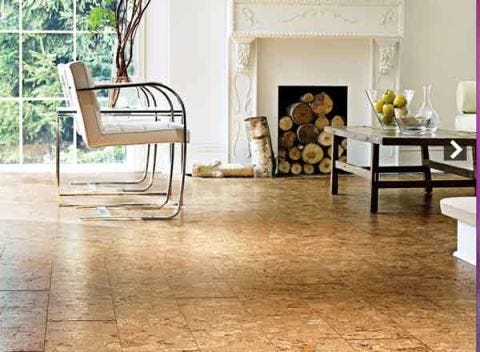
Natural cork tiles showcase the material’s authentic texture with subtle variations in grain and color that create visual interest. These tiles work particularly well in spaces where you want to emphasize an organic, earthy aesthetic like sunrooms, home offices, or meditation areas. The natural speckled appearance of cork adds warmth while maintaining a clean, minimalist look that complements both modern and traditional decor styles.
One of the biggest advantages of natural cork tiles is their excellent acoustic properties, making them ideal for upper-floor rooms or home theaters where sound dampening is important. They also provide thermal insulation, helping maintain comfortable room temperatures year-round. Installation is relatively straightforward with interlocking tiles or glue-down options, though subfloor preparation is crucial for a smooth finish.
Maintenance is simple – regular sweeping and occasional damp mopping with a pH-neutral cleaner keeps cork tiles looking fresh. While durable, they can be susceptible to dents from heavy furniture, so using protective pads is recommended. The natural antimicrobial properties of cork make it resistant to mold and mildew, adding to its appeal for health-conscious homeowners.
Colored Cork for Bold Statements
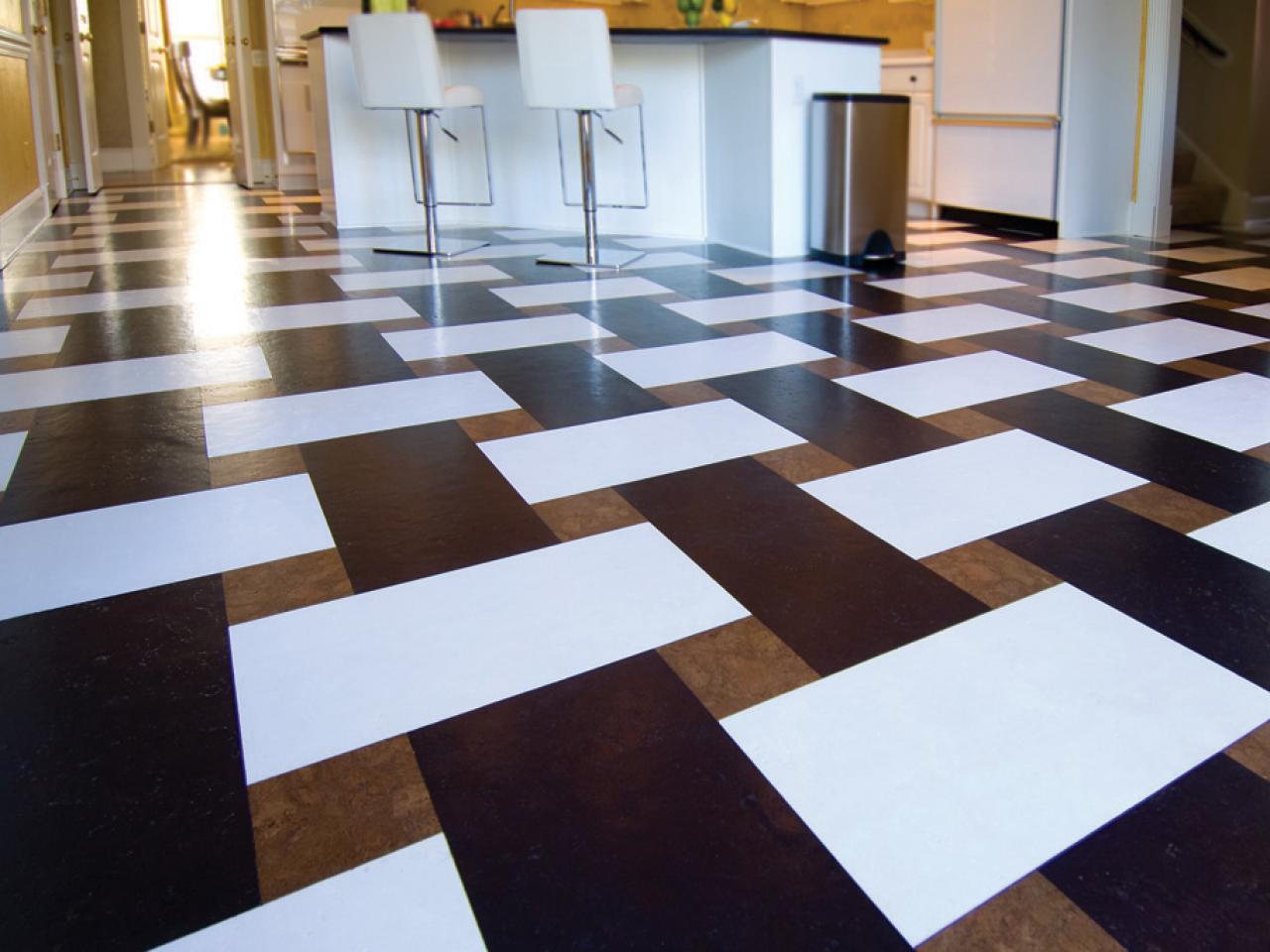
For those seeking more dramatic flooring options, colored cork offers vibrant possibilities beyond the material’s natural tones. Modern manufacturing techniques allow cork to be dyed in rich hues from deep navy to warm terracotta, creating striking floors that become focal points. These colored options work beautifully in children’s playrooms, creative studios, or modern kitchens where you want to inject personality.
Colored cork maintains all the practical benefits of natural cork while offering expanded design flexibility. Darker shades can help disguise minor scuffs and stains in high-traffic areas, while lighter tints keep spaces feeling airy and open. Many colored cork products come pre-finished with UV-cured coatings that enhance durability and simplify maintenance.
When using bold cork colors, consider balancing them with neutral walls and furnishings to prevent visual overload. The color permeates through the entire thickness of cork tiles, meaning scratches won’t reveal a different color underneath. This flooring choice is particularly effective in open-plan areas where you want to define zones with color without using physical dividers.
Cork Plank Flooring for Wood-Like Appearance
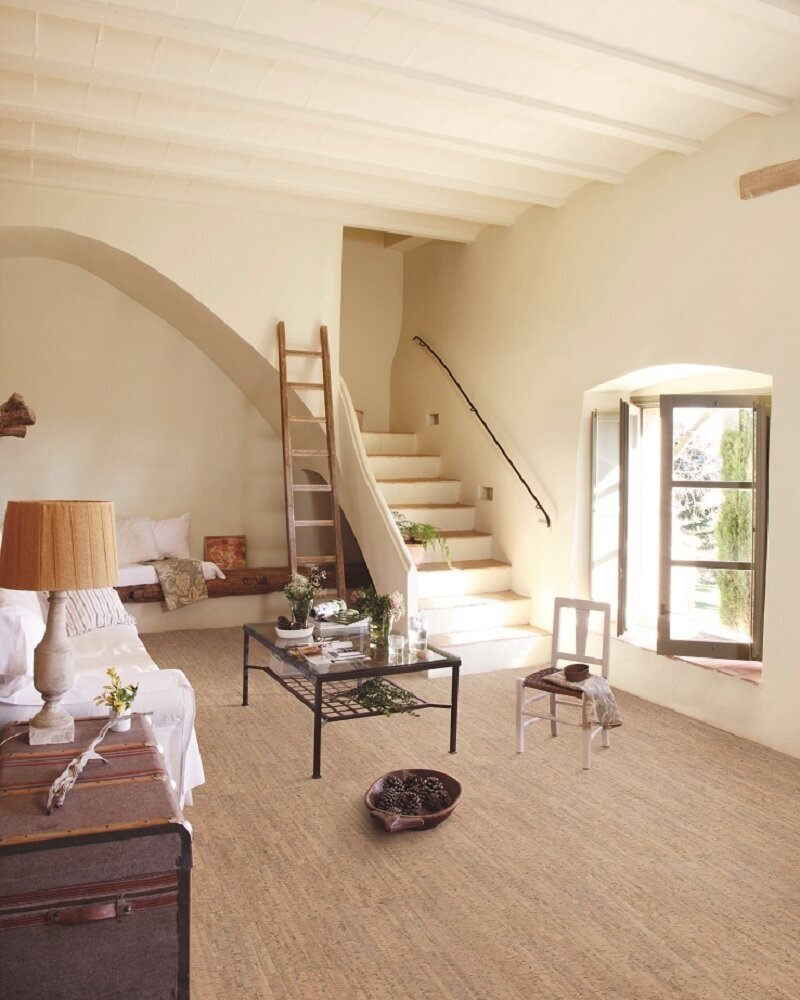
Cork plank flooring mimics the appearance of hardwood while providing cork’s signature comfort and sustainability. Available in various widths and lengths, these planks feature realistic wood-grain patterns that can replicate oak, walnut, or exotic species. They’re perfect for living rooms, bedrooms, or hallways where you desire wood’s aesthetic but prefer cork’s softer feel underfoot.
The floating installation system used for many cork planks makes them an excellent DIY option, as they simply click together over an underlayment. This installation method also allows for easy replacement of damaged sections. Unlike hardwood, cork planks are naturally resistant to moisture when properly sealed, making them suitable for areas where solid wood might warp.
To enhance the wood-like appearance, choose planks with beveled edges that create subtle shadow lines between boards. Pair them with area rugs in high-traffic zones to protect the surface while adding texture contrast. The dimensional stability of cork means these planks won’t expand and contract as dramatically as wood with seasonal humidity changes.
Patterned Cork for Visual Interest
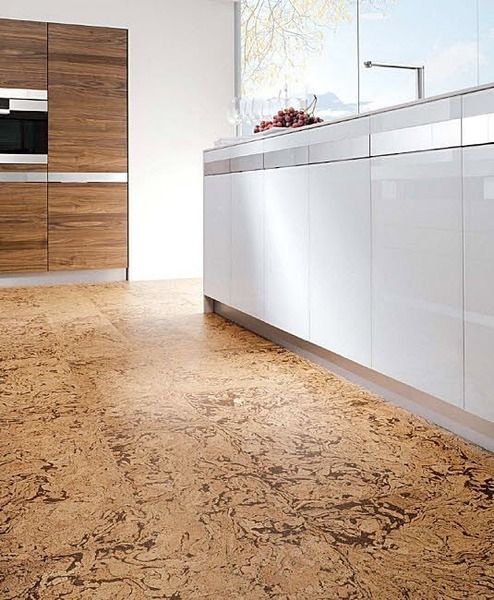
Patterned cork flooring takes this versatile material to new creative heights with geometric designs, parquet-style arrangements, or custom motifs. These intricate patterns can transform a simple floor into a work of art, ideal for entryways, dining rooms, or boutique commercial spaces. The patterns are achieved through careful arrangement of differently colored cork pieces or surface printing techniques.
One of the most popular patterned options is herringbone cork, which offers timeless elegance with a contemporary twist. Other designs might include checkerboard layouts, hexagonal tiles, or nature-inspired motifs. Patterned cork works particularly well in smaller spaces where it can create the illusion of more square footage through clever visual tricks.
Installation of complex patterns often requires professional expertise to ensure perfect alignment. The good news is that many patterned cork products come as pre-assembled tiles or easy-to-align modules that simplify the process. Once installed, these floors become durable, comfortable surfaces that maintain their visual impact for years with proper care.

Cork and Resin Hybrid Floors
Cork and resin hybrid flooring combines cork granules with binding resins to create exceptionally durable surfaces that retain cork’s comfort. These floors are particularly well-suited for high-traffic commercial spaces, kitchens, or mudrooms where extra resilience is needed. The resin component creates a water-resistant surface that stands up to spills and heavy use while maintaining cork’s warmth.
The composite material can be poured in place for seamless installations or purchased as tiles for easier application. Many hybrid options feature interesting speckled appearances as the cork particles create natural variations in the resin matrix. This flooring type offers excellent shock absorption, making it comfortable for standing workstations or retail environments.
Maintenance is straightforward – regular sweeping and occasional mopping with mild cleaners keeps these floors looking their best. The resin surface protects the cork from moisture damage while still allowing some of cork’s natural flexibility. These hybrid floors represent an innovative evolution of traditional cork flooring, combining the best properties of both materials.
Textured Cork for Enhanced Safety
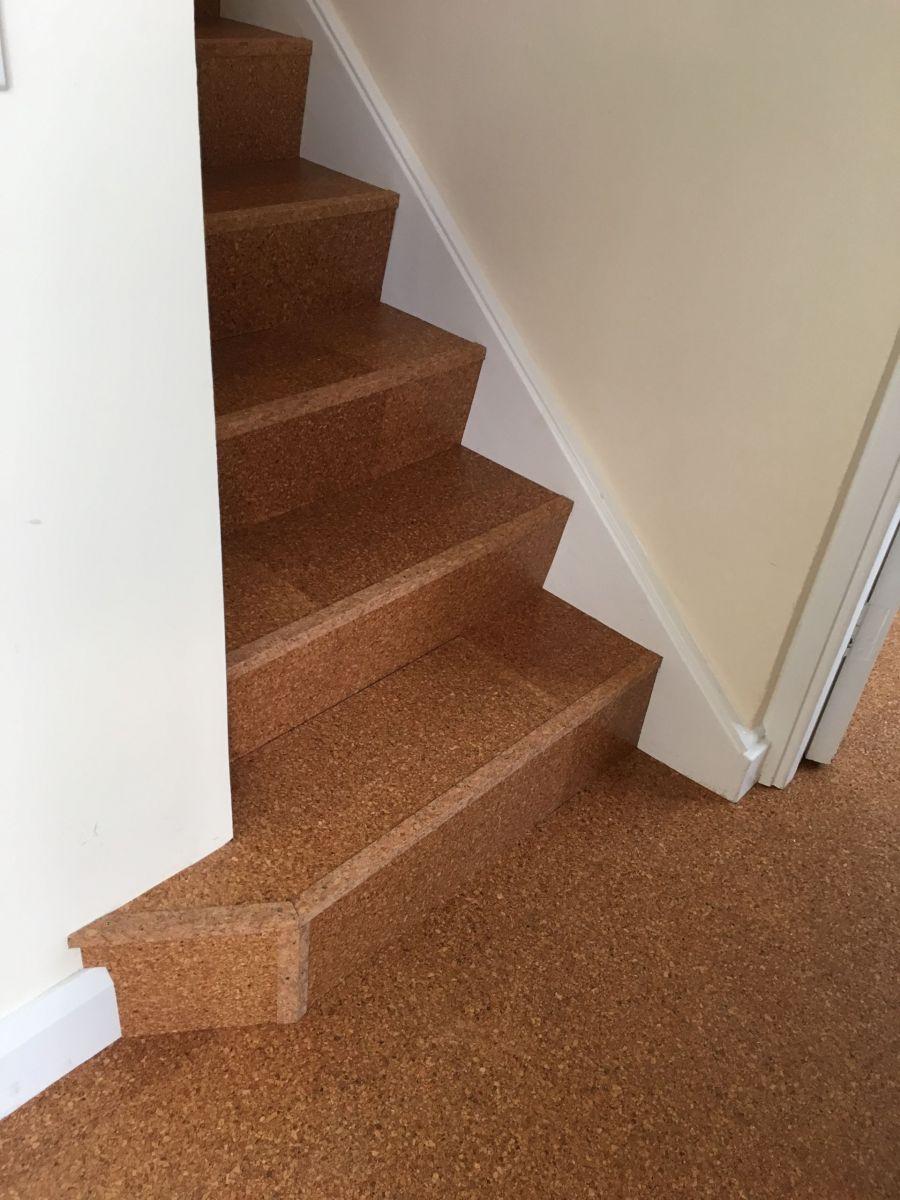
Textured cork flooring incorporates surface variations that improve traction while maintaining comfort underfoot. These options are ideal for bathrooms, senior living spaces, or areas where slip resistance is a priority. The texture can range from subtle pebbling to more pronounced grooves, all while preserving cork’s natural cushioning effect.
Many textured cork products feature sealed surfaces that enhance water resistance without compromising the texture’s effectiveness. This makes them suitable for moisture-prone areas where safety is paramount. The texture also helps disguise everyday wear and tear, maintaining an attractive appearance even in demanding environments.
When selecting textured cork, consider the intensity of the pattern – deeper textures provide more grip but may be slightly harder to clean. These floors pair well with radiant heating systems, as the texture doesn’t significantly impact heat transfer. Textured cork offers a practical yet stylish solution for spaces that need both safety and comfort from their flooring.
Is cork flooring suitable for kitchens?
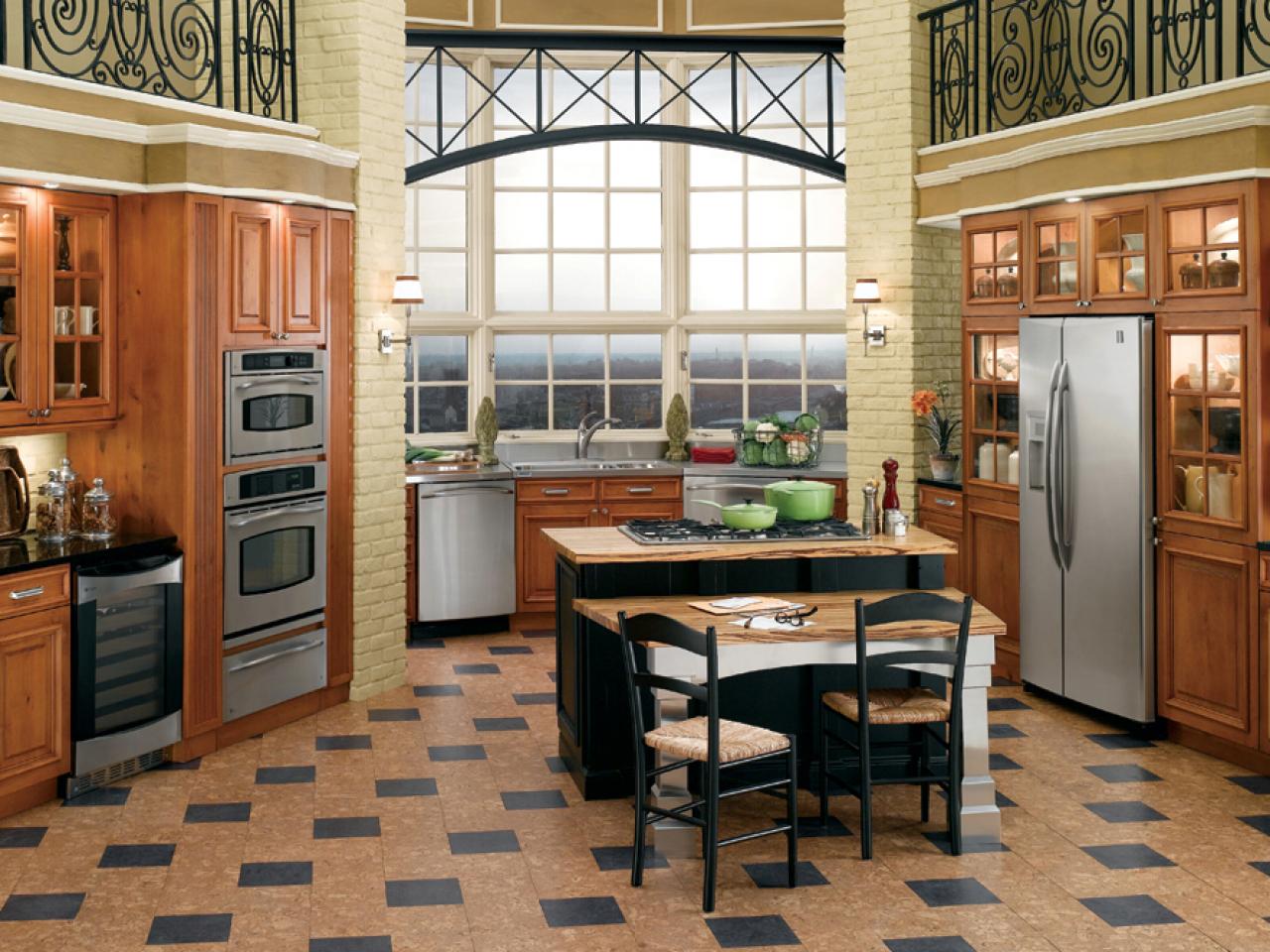
Cork works well in kitchens when properly sealed, as it’s comfortable for standing and provides natural thermal insulation. Modern sealed cork floors resist moisture effectively, though prompt cleanup of spills is still recommended. The material’s natural resilience makes it gentle on dropped dishes, and its sound-absorbing qualities reduce kitchen noise. For high-moisture areas near sinks, choosing a cork-resin hybrid or ensuring thorough sealing provides extra protection.
How long does cork flooring typically last?
With proper care, cork flooring can last 20-40 years. The lifespan depends on factors like foot traffic, maintenance, and quality of installation. Surface finishes may need refreshing every 5-10 years, but the core material remains stable. Cork’s natural ability to compress and rebound helps it withstand years of use without permanent indentation, especially when rotated area rugs are used in high-traffic zones.
Can cork flooring be installed over radiant heat?
Yes, cork is an excellent choice for radiant heating systems as it conducts heat efficiently while providing insulation that prevents heat loss. The material’s natural temperature stability means it won’t expand or contract dramatically with heat changes. Always check the manufacturer’s specifications for maximum temperature ratings, and ensure proper acclimation before installation to prevent gaps.
Does cork flooring fade in sunlight?
Like many natural materials, cork can experience some fading with prolonged direct sunlight exposure. Using UV-resistant sealers and window treatments can minimize this effect. The fading tends to be gradual and even, often resulting in a pleasant patina rather than unsightly discoloration. For sun-drenched rooms, consider lighter-colored cork that will show less noticeable fading over time.
How does cork flooring compare to hardwood for comfort?
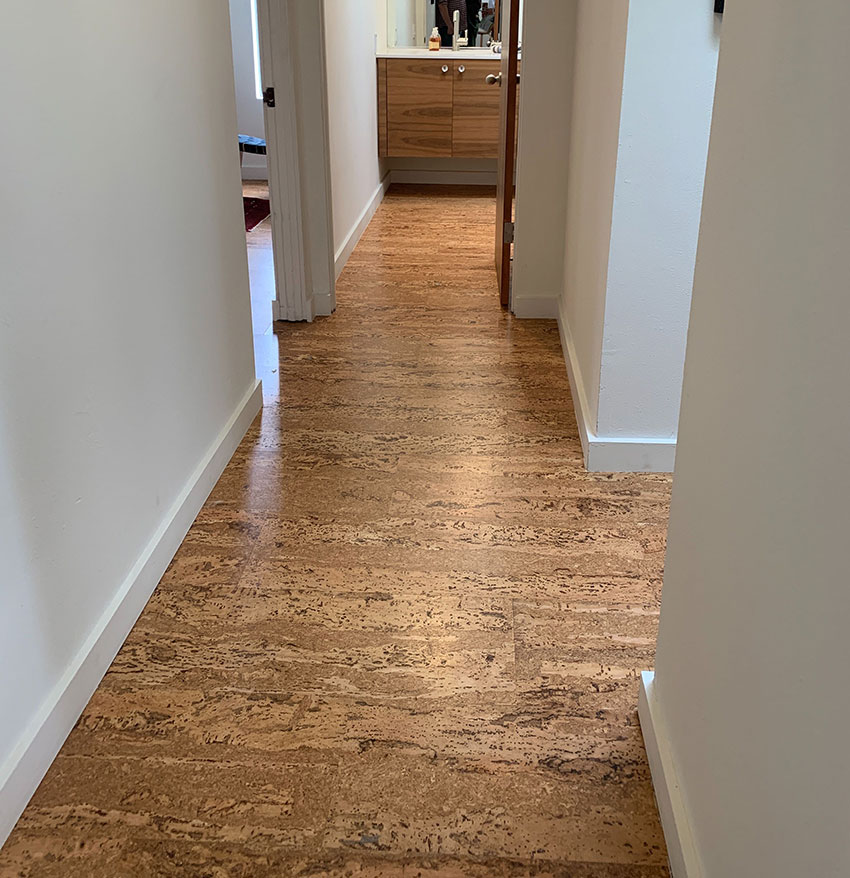
Cork is significantly softer underfoot than hardwood, providing more cushioning and reducing fatigue from standing. It’s also warmer to the touch and offers better sound absorption. While hardwood may have greater prestige in real estate value, cork provides comparable aesthetic appeal with added practicality for households with children or anyone prioritizing comfort.
What’s the best way to protect cork floors from furniture dents?
Using felt pads under furniture legs is essential for preventing dents in cork floors. For heavy items like pianos or refrigerators, wider distribution pads help spread the weight. Rotating furniture periodically prevents permanent compression in specific areas. Choosing high-density cork products (with higher Janka hardness ratings) also increases resistance to indentation from everyday use.

Lovely Cork Flooring Ideas With Pros And Cons
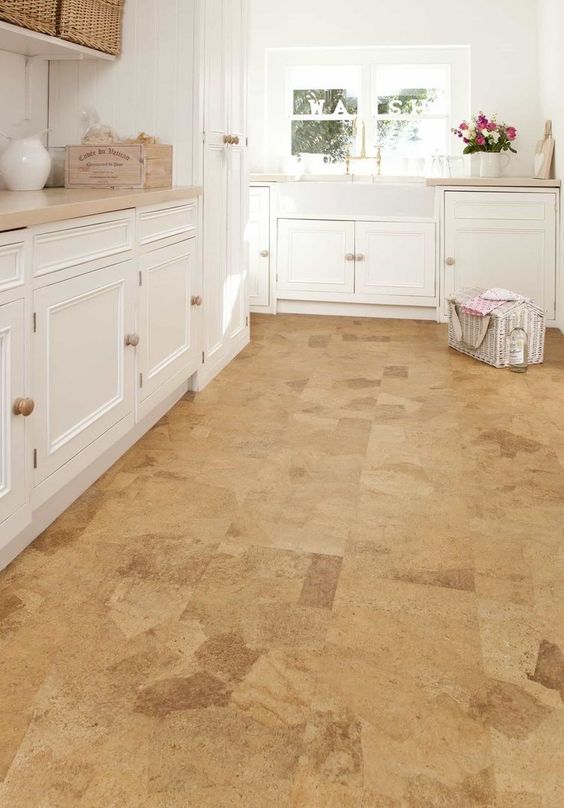
Cork floor – a practical alternative to wood floors
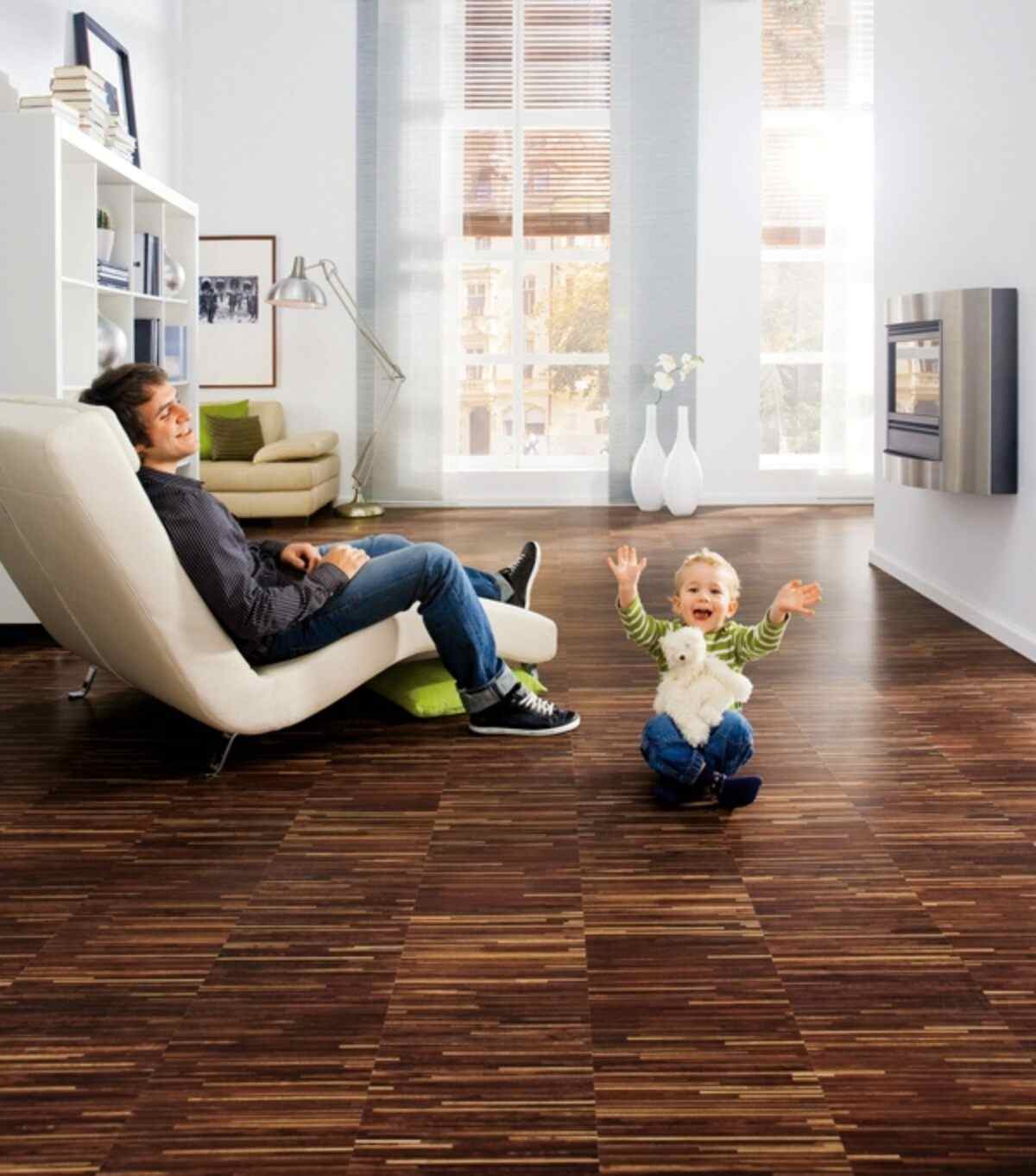
Cork Flooring In Basements
Cork Flooring Review – How to Decorate Using Cork Floors
Related Posts: