Over the past fifteen years, I’ve renovated twelve kitchens for myself, family members, and close friends. Each project taught me something new about flooring choices, and I’ve experienced firsthand how the right floor can transform a kitchen while the wrong choice can create years of frustration. From budget-friendly vinyl planks to luxurious natural stone, I’ve installed, lived with, and sometimes regretted various flooring materials. My experiences have shown me that successful kitchen flooring depends on matching your lifestyle, budget, and aesthetic preferences with the right material properties and installation techniques.
Natural Stone Options and My Experiences
Travertine was my first venture into natural stone flooring, and I fell in love with its warm, earthy appearance. I installed it in my sister’s Mediterranean-style kitchen three years ago, and the results were stunning. However, I learned quickly that travertine requires regular sealing and careful maintenance. Wine spills and acidic substances can etch the surface permanently if not cleaned immediately. Despite the maintenance demands, the timeless beauty and cool surface temperature make it perfect for warm climates.
Slate flooring in my mountain cabin kitchen has been incredibly durable and forgiving. The naturally textured surface hides dirt and scratches better than polished stones, making it ideal for high-traffic family kitchens. I chose a darker gray slate that complements rustic wood cabinets beautifully. The installation required careful attention to leveling since slate tiles can vary in thickness. After two years of heavy use, including muddy boots and pet traffic, it still looks fantastic with minimal maintenance.
Granite tile flooring surprised me with its durability and stunning appearance at a fraction of slab countertop costs. I installed large-format granite tiles in my friend’s contemporary kitchen, and the continuous pattern creates an elegant, seamless look. The grout lines require regular cleaning, but the granite itself is virtually indestructible. I learned to use high-quality grout and sealers to prevent staining. The investment in professional installation paid off with perfectly aligned joints and level surfaces.
Ceramic and Porcelain Tile Selections
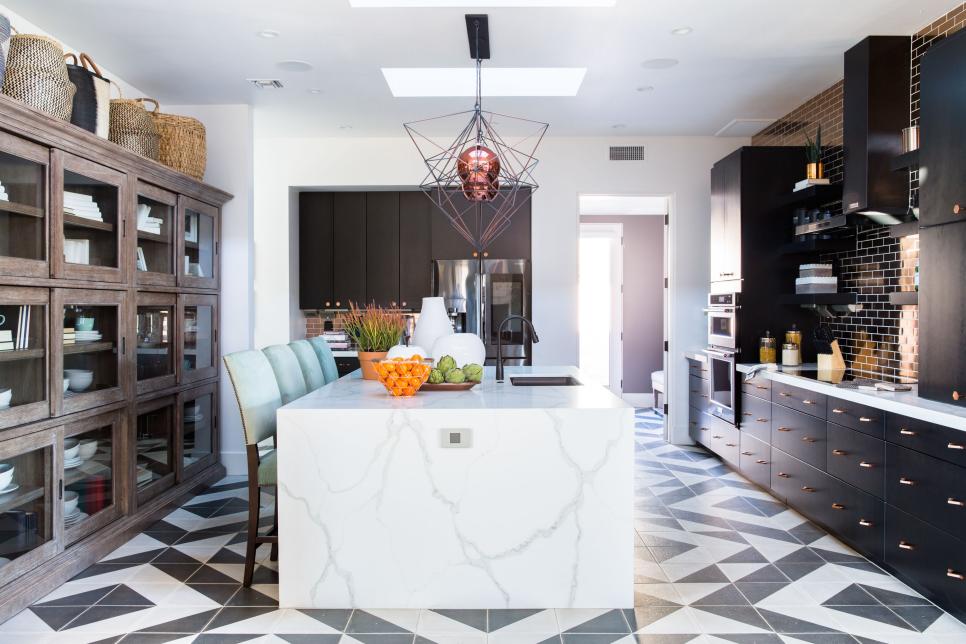
Large-format porcelain tiles transformed my kitchen into a showpiece that rivals expensive natural stone. I chose 24×24 inch tiles with subtle veining that mimics Carrara marble, and guests consistently mistake them for the real thing. The consistent thickness and precise dimensions made installation straightforward, and the minimal grout lines create a clean, modern appearance. Porcelain’s non-porous surface resists stains effortlessly, making cleanup simple even after messy cooking sessions.
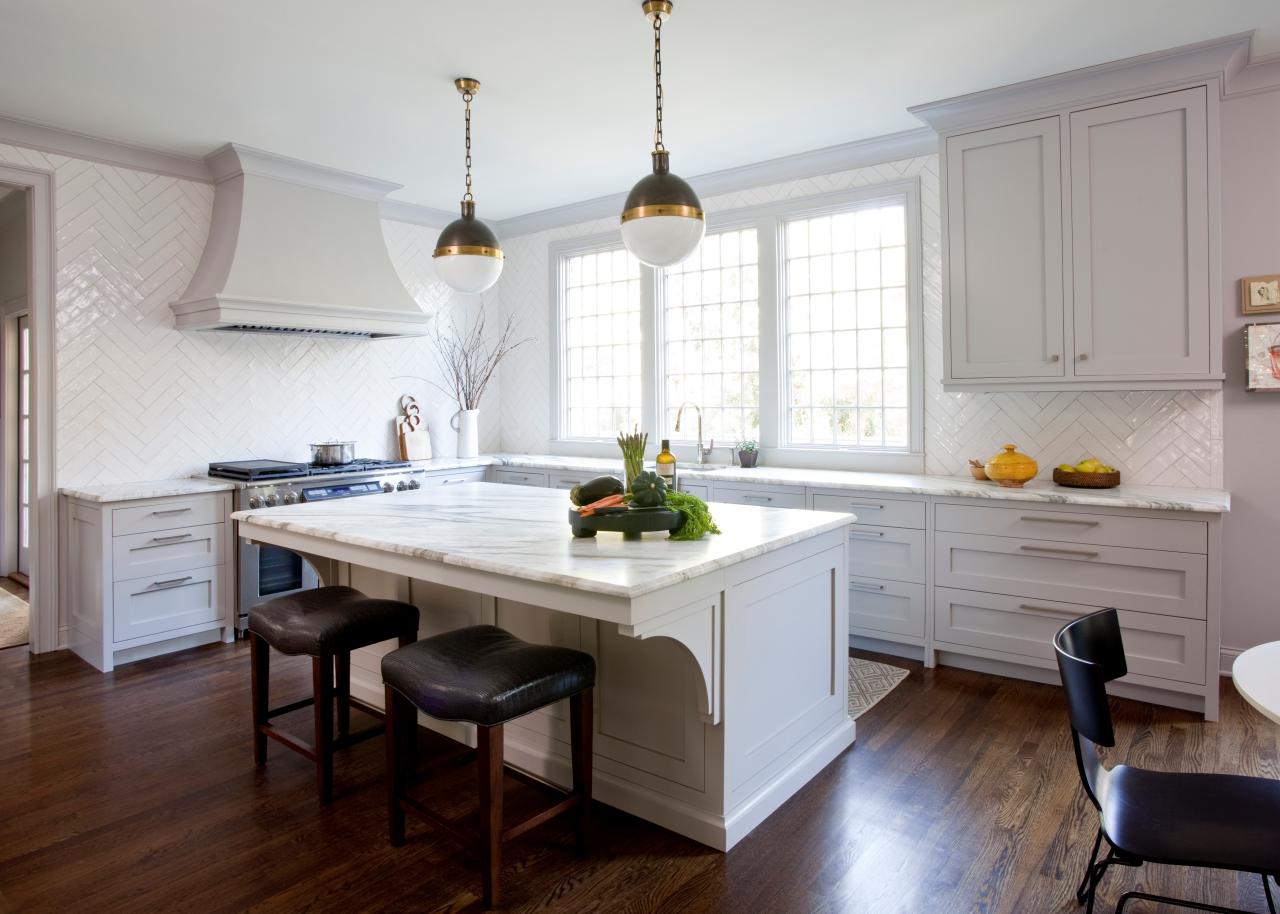
Subway tile flooring might sound unconventional, but I used 4×8-inch ceramic subway tiles in a herringbone pattern for my vintage-inspired kitchen, and the results exceeded expectations. The classic white tiles with dark grout lines create visual interest underfoot while maintaining the clean aesthetic I wanted. The smaller tile size provides better slip resistance than large-format options, which I appreciate near the sink area. Regular grout maintenance keeps the pattern looking crisp and fresh.
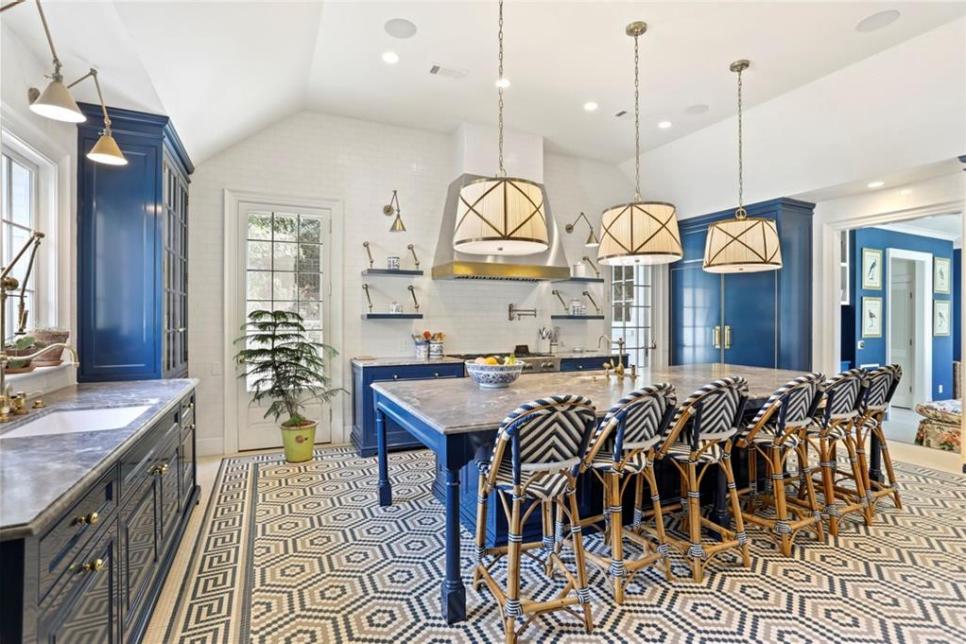
Hexagonal ceramic tiles brought personality and character to my daughter’s first apartment kitchen. I chose small 2-inch hexagons in soft gray, and the geometric pattern adds visual excitement to the compact space. The numerous grout lines initially concerned me, but proper sealing has prevented staining issues. The vintage charm and affordable price point made this flooring choice perfect for a young person’s budget while still looking sophisticated and current.
Luxury Vinyl and Resilient Flooring
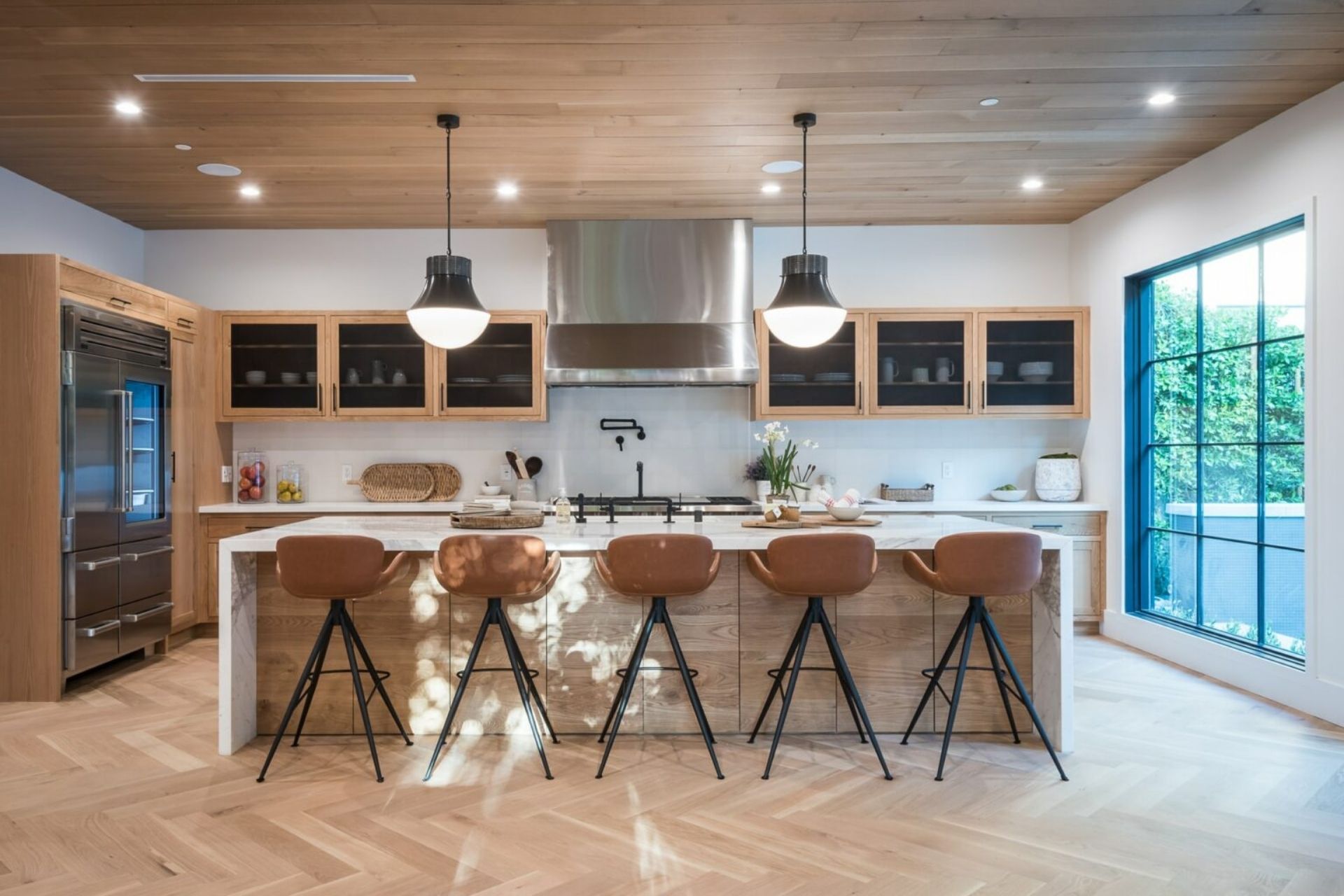
Luxury vinyl plank flooring has become my go-to recommendation for families with young children and pets. I installed waterproof vinyl planks in my nephew’s kitchen two years ago, and they’ve survived spilled juice boxes, muddy paws, and toy trucks without showing wear. The realistic wood grain patterns are convincing, and the comfortable underfoot feel makes standing for long cooking sessions more pleasant. Installation was surprisingly simple with the click-lock system.
Sheet vinyl gets unfairly dismissed, but modern options offer impressive durability and style. I selected commercial-grade sheet vinyl for my rental property kitchen because it provides seamless water protection and easy maintenance for tenants. The stone pattern looks authentic, and the cushioned backing provides comfort during cooking. Professional installation eliminates seams and ensures long-term performance. After three years and multiple tenant turnovers, it still looks excellent.
Rubber flooring might seem industrial, but I used commercial rubber tiles in my workshop kitchen space, and they’re incredibly practical. The slip-resistant surface provides safety when floors get wet, and the cushioned feel reduces fatigue during long prep sessions. The solid color options allow creative patterns, and I created a checkerboard design that hides dirt effectively. Maintenance involves simple mopping, and the durability ensures decades of service in demanding environments.
Hardwood Varieties and Performance
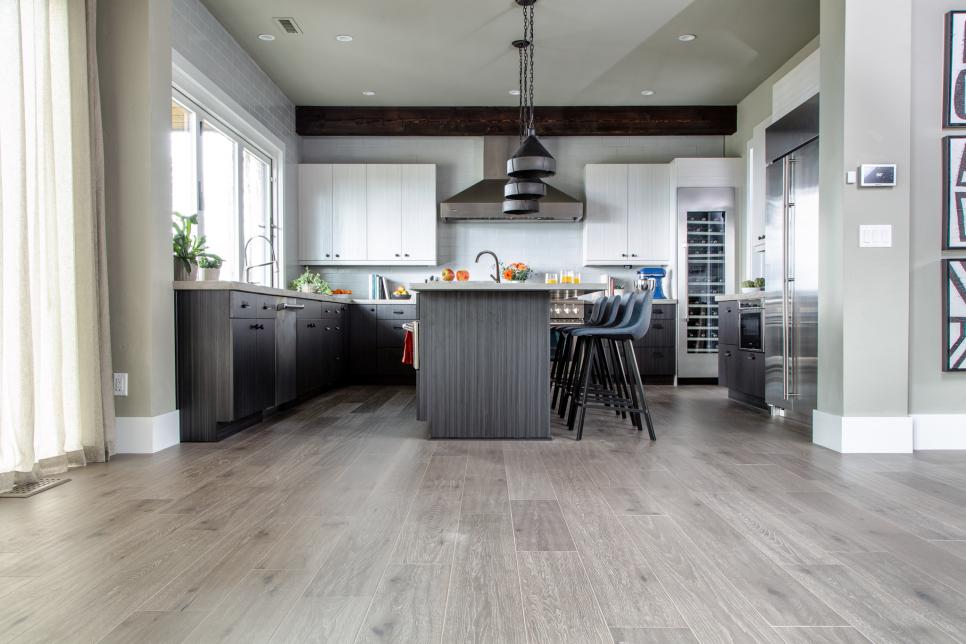
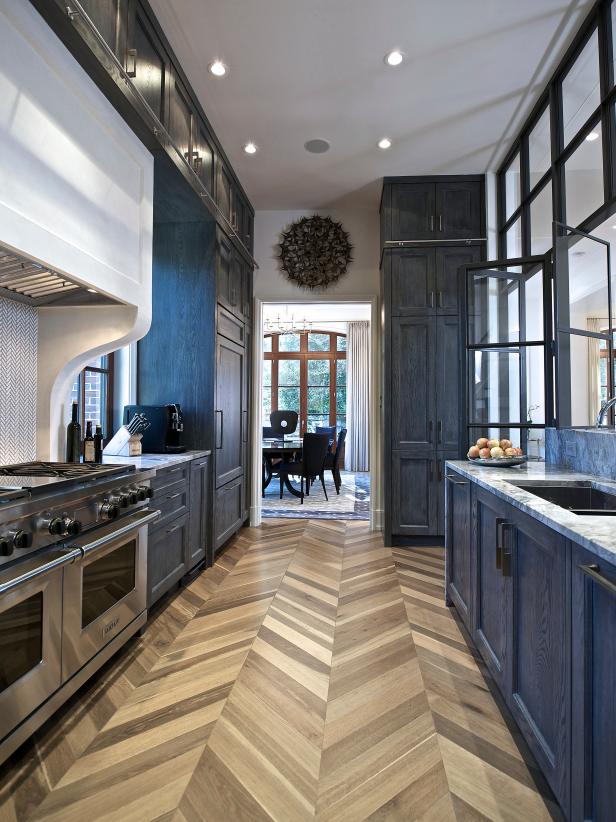
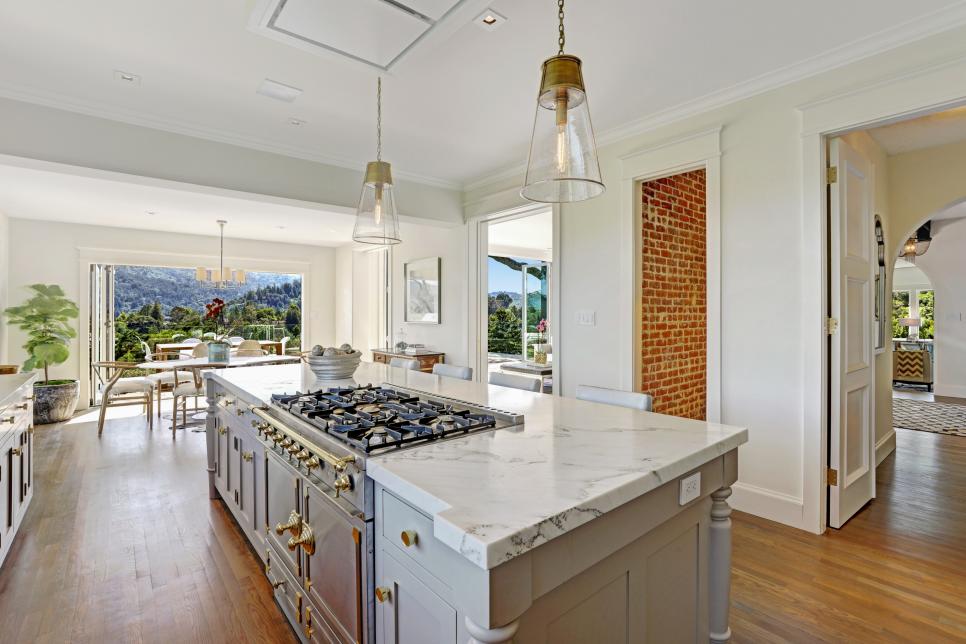
Engineered hardwood flooring has been my most successful kitchen flooring choice across multiple projects. The layered construction provides better moisture stability than solid wood while maintaining an authentic hardwood appearance and feel. I’ve installed oak, hickory, and maple varieties in different kitchens, and each performs excellently with proper finishing. The ability to refinish engineered floors multiple times extends their lifespan significantly, making them cost-effective long-term investments.
Bamboo flooring appeals to environmentally conscious homeowners, and I installed strand-woven bamboo in my eco-friendly kitchen renovation. The extremely hard surface resists dents and scratches better than traditional hardwoods, and the unique grain patterns create interesting visual texture. However, I learned that bamboo can be sensitive to humidity changes, requiring careful climate control. The sustainable harvesting practices and rapid growth rates make bamboo an excellent green choice.
Reclaimed wood flooring adds character and history that new materials cannot match. I sourced century-old barn wood for my farmhouse kitchen, and each plank tells a story through its weathered patina and nail holes. The installation required extra preparation to ensure structural integrity, but the unique character justifies the additional effort. Proper sealing protects the aged wood while preserving its authentic appearance and rustic charm.

Budget-Friendly Solutions and Smart Shopping
Laminate flooring technology has improved dramatically, and I’ve achieved beautiful results at budget-friendly prices. Modern laminate options feature realistic textures and patterns that closely mimic hardwood, tile, and stone. I installed water-resistant laminate in my starter home kitchen, and it performed admirably for five years before I upgraded. The floating installation system allows DIY installation, saving significant labor costs while achieving professional-looking results.
Vinyl composition tile (VCT) offers institutional durability at residential prices. I used commercial-grade VCT in my workshop kitchen, creating custom patterns with different colored tiles. The material requires periodic waxing for optimal appearance, but the incredibly low cost and easy replacement make it practical for high-use areas. I’ve seen VCT floors in commercial kitchens last decades with proper maintenance, proving their durability credentials.
Painted concrete floors became my creative solution for an extremely tight budget renovation. I used concrete stain and multiple sealer coats to create a durable, attractive surface that cost less than any other option. The industrial aesthetic works perfectly in modern and minimalist kitchen designs. While not luxurious, painted concrete provides unlimited color options and can be updated easily when design preferences change over time.
Installation Tips and Professional Insights
Subfloor preparation determines flooring success more than any other factor in my experience. I’ve learned to never skip moisture testing, leveling compounds, or structural repairs, regardless of the flooring material chosen. Poor subfloor conditions cause premature failure, squeaking, and appearance problems that are expensive to correct later. Investing time and money in proper preparation prevents costly callbacks and ensures customer satisfaction on every project I complete.
Acclimation requirements vary by material, but I always follow manufacturer guidelines strictly. Wood products need time to adjust to interior humidity levels, while tile and stone require room temperature stabilization. I’ve seen beautiful installations fail because contractors rushed the acclimation process. Proper planning includes adequate acclimation time in project schedules, preventing delays and ensuring optimal performance of the finished flooring system.
Professional installation versus DIY depends on material complexity and the homeowner’s skills. I encourage DIY installation for floating floors like laminate and luxury vinyl, but recommend professionals for tile, hardwood, and natural stone. The cost savings from DIY installation disappear quickly when mistakes require professional correction. My rule is simple: if you’re not confident in your abilities, hire professionals whose warranties and expertise protect your investment.
What’s the most durable kitchen flooring option for busy families?
After installing floors in numerous family kitchens, I consistently recommend luxury vinyl plank or engineered hardwood for busy households. Both materials resist water damage, scratches, and heavy foot traffic while maintaining attractive appearances. Luxury vinyl offers superior water resistance and easier maintenance, while engineered hardwood provides authentic wood beauty with good durability. I’ve seen both materials perform excellently in homes with children and pets. The key is choosing quality products from reputable manufacturers and ensuring proper installation.
How do I choose between natural stone and porcelain tile?
Natural stone provides unique character and timeless appeal, but requires more maintenance and careful cleaning to prevent staining and etching. Porcelain tile offersa consistent appearance, superior stain resistance, and lower maintenance while achieving similar aesthetic results. I typically recommend porcelain for busy kitchens and natural stone for homeowners who prioritize authentic materials and don’t mind extra care. Both options provide excellent durability when properly installed with quality underlayment and appropriate sealers.
Can I install kitchen flooring myself, or should I hire professionals?
DIY installation works well for floating floors like luxury vinyl planks and laminate, which use click-lock systems requiring basic tools and skills. However, I strongly recommend professional installation for tile, natural stone, and solid hardwood due to the complex preparation requirements and precision needed. Poor installation can void warranties and create costly problems. Consider your skill level, available time, and project complexity. Professional installation provides warranties and accountability that protect your investment long-term.
What’s the best flooring for small kitchens to make them appear larger?
Large-format tiles with minimal grout lines create the most spacious appearance in compact kitchens. I prefer 18×18-inch or larger porcelain tiles in light colors with subtle patterns. Continuous flooring extending into adjacent rooms also expands visual space significantly. Avoid busy patterns or dark colors that make spaces feel cramped. Diagonal installation can add width perception, while running planks lengthwise in narrow kitchens creates an elongated appearance. Light-colored luxury vinyl planks also work well for budget-conscious small kitchen renovations.
How much should I budget for different kitchen flooring options?
Budget expectations vary significantly based on material choices and installation complexity. Basic vinyl and laminate range from $3-8 per square foot installed, while ceramic tile runs $5-15 per square foot. Engineered hardwood costs $8-18 per square foot, and natural stone ranges from $10-25 per square foot installed. Remember to include subfloor preparation, transition strips, and potential kitchen downtime in your budget. I always recommend adding 15-20% contingency for unexpected issues discovered during installation.
What maintenance requirements should I expect with different flooring types?
Daily maintenance varies significantly among materials. Luxury vinyl and laminate require simple sweeping and occasional damp mopping. Ceramic and porcelain tiles need regular grout cleaning but minimal surface care. Hardwood floors require specific cleaners and periodic refinishing every 7-10 years. Natural stone demands immediate spill cleanup, regular sealing, and pH-neutral cleaners to prevent damage. I provide detailed maintenance schedules to all my clients because proper care extends the flooring lifespan dramatically and protects their investment.
Kitchen Flooring Ideas & Pictures
Cork Flooring for Your Kitchen
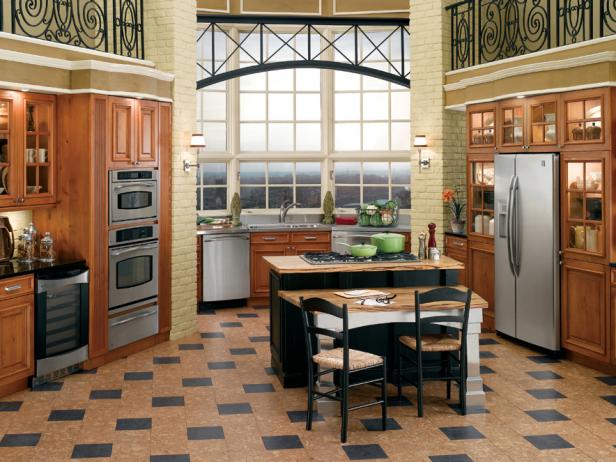
Best Kitchen Flooring Options
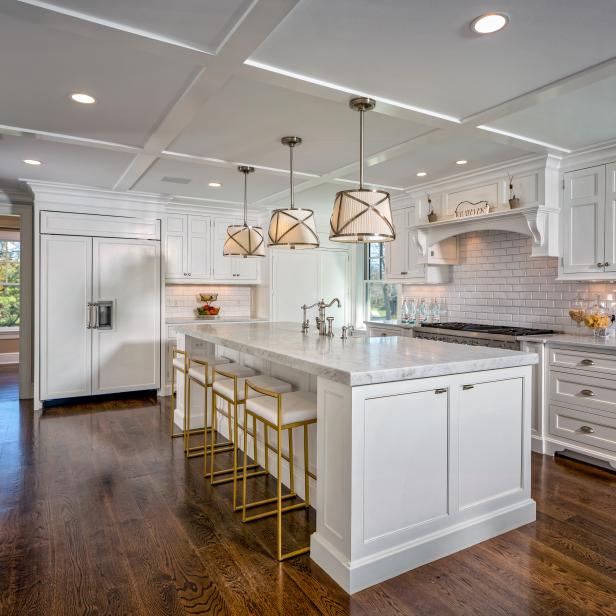
Laminate Flooring in the Kitchen
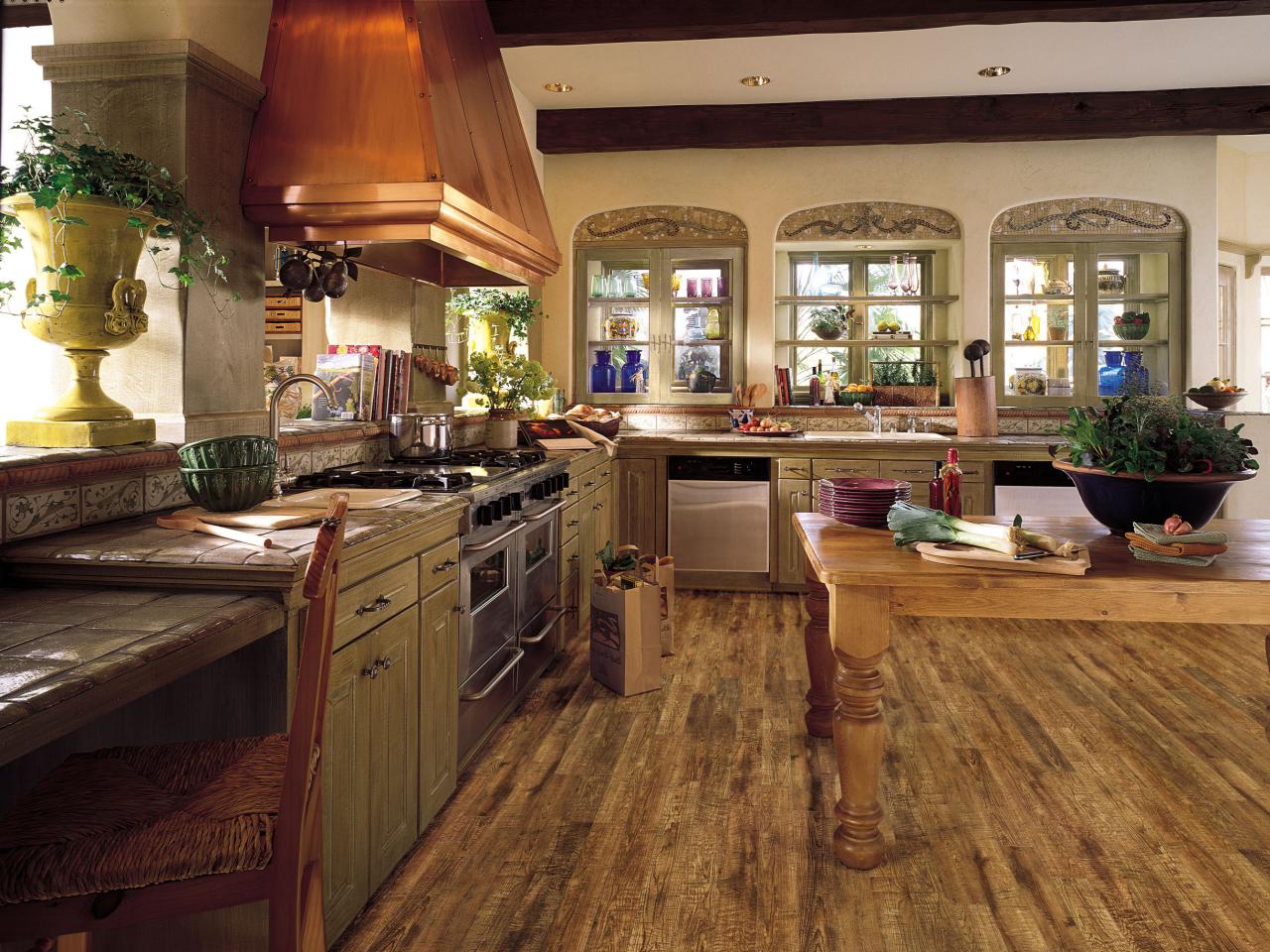
Hardwood Kitchen Floor Ideas
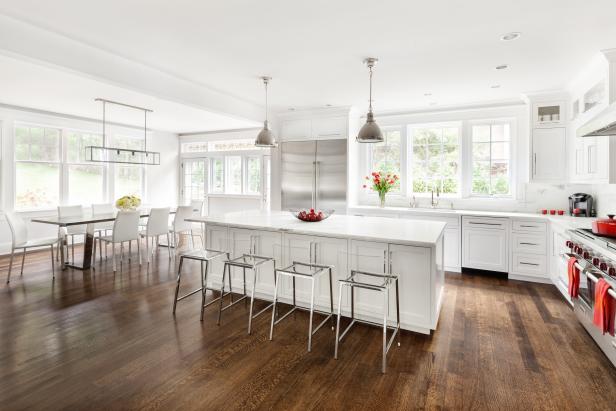
Hardwood Kitchen Floor Ideas
Choose the Best Flooring for Your Kitchen
Kitchen Flooring Options
Related Posts: