Seven years ago, I installed laminate flooring throughout my home, attracted by its affordability and wood-like appearance. What I didn’t anticipate was the learning curve involved in maintaining these floors properly. My early mistakes taught me expensive lessons about what cleaners to avoid, how moisture can cause irreversible damage, and why prevention is always better than repair. Through trial and error, I’ve developed a maintenance routine that keeps my laminate floors looking nearly new despite heavy foot traffic from kids, pets, and daily life. These hard-won insights could save you from the costly mistakes I made during my first few years.
Daily Cleaning Fundamentals
My morning routine always begins with a quick sweep or vacuum of high-traffic areas, removing dirt and debris before it gets ground into the surface texture. I learned this lesson the hard way when neglected grit created permanent scratches that no amount of cleaning could remove. Using a soft-bristled broom or a vacuum with a hard floor setting prevents the scratching that damaged my original installation in the hallway.
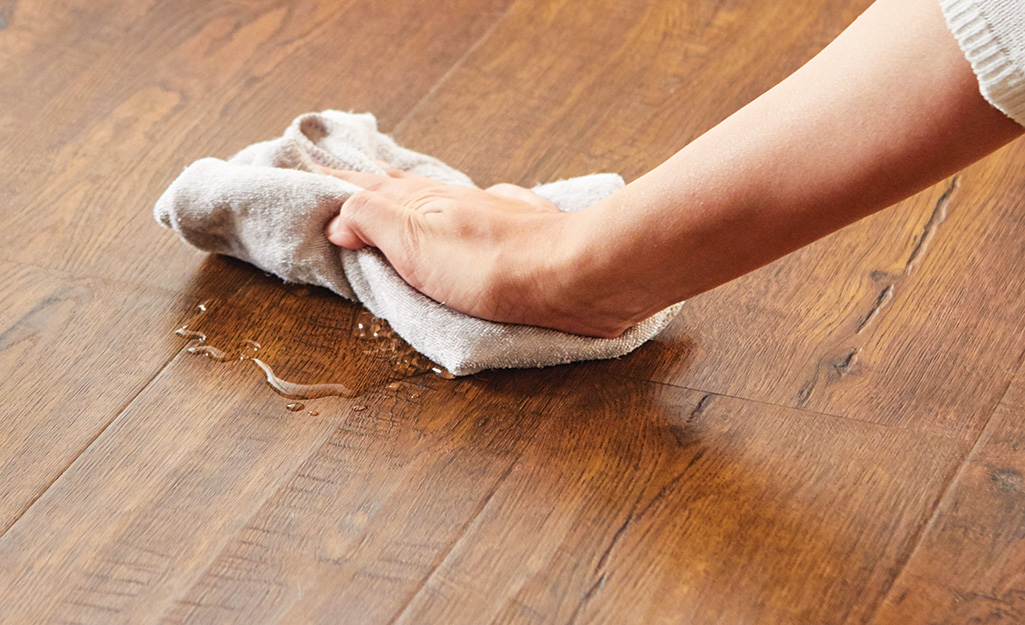
Spill cleanup became second nature after I witnessed how quickly liquids can seep into seams and cause swelling that ruins entire planks. I keep microfiber cloths strategically placed throughout the house for immediate response to any moisture. The key is acting within minutes, not hours, as laminate’s particle board core absorbs water rapidly once protective layers are compromised by wear or manufacturing defects.
My daily routine includes checking for new scratches, loose planks, or areas where dirt accumulates persistently, indicating potential problems that need attention. I address these issues immediately rather than letting them develop into major repairs. This proactive approach has extended my floors’ life significantly while maintaining their appearance through years of family living and entertaining guests regularly.
Weekly Deep Cleaning Techniques
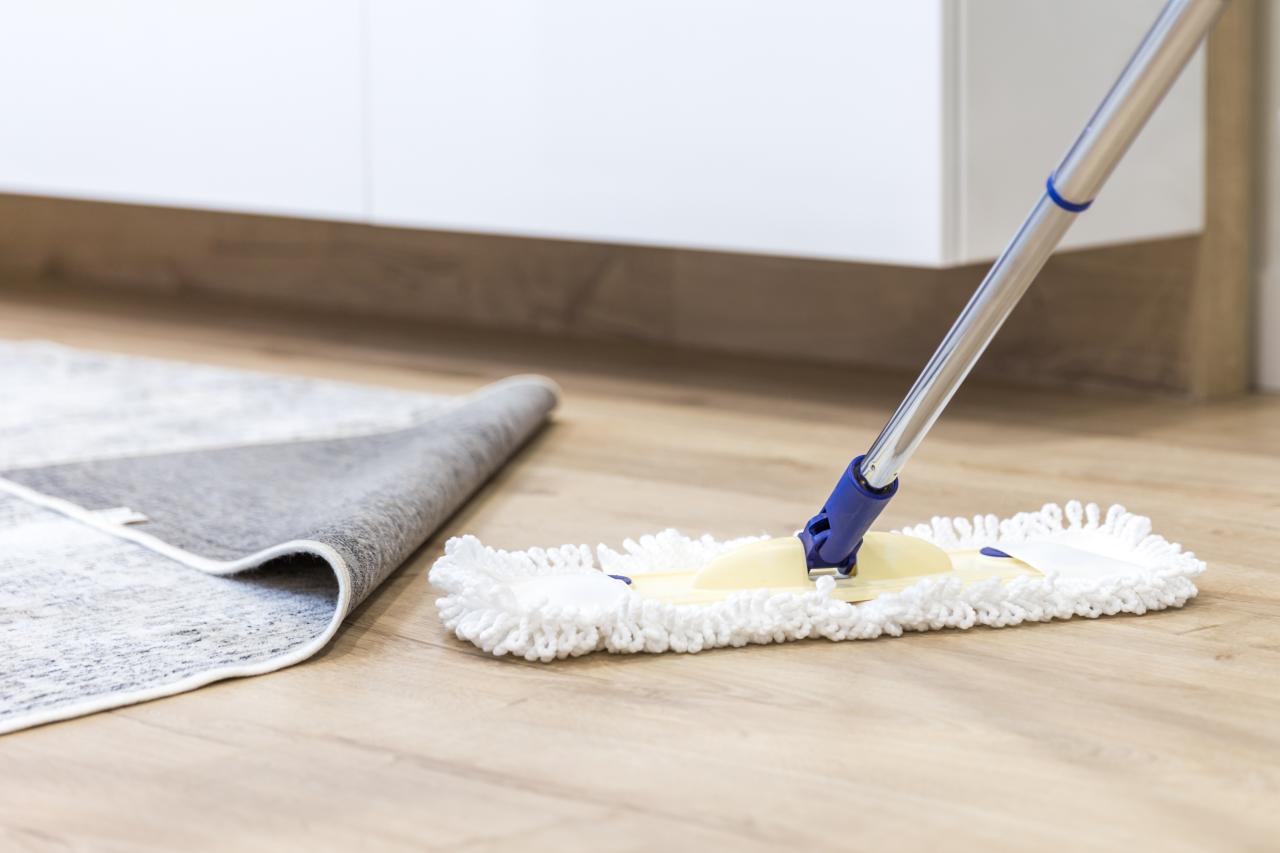
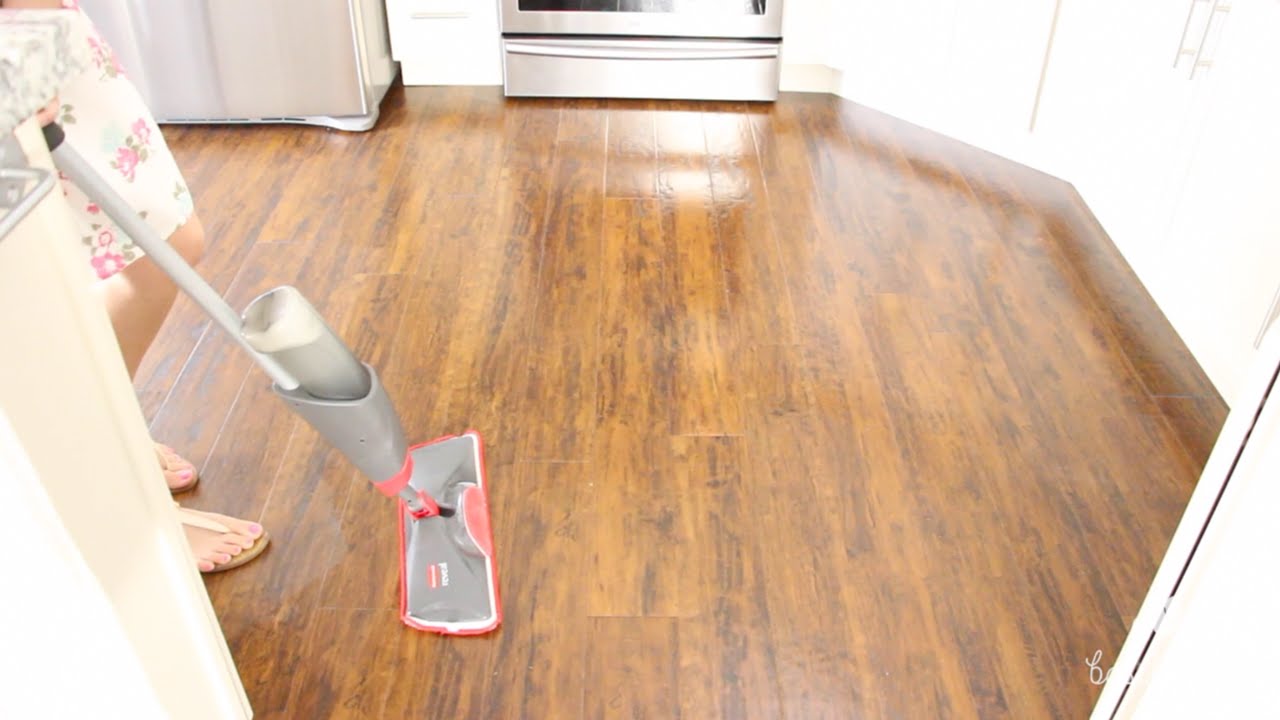
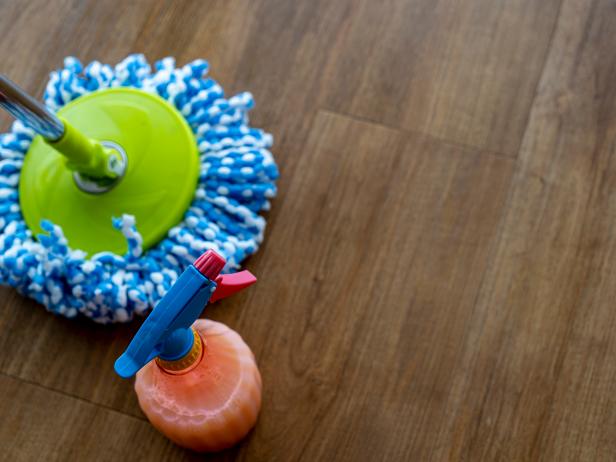
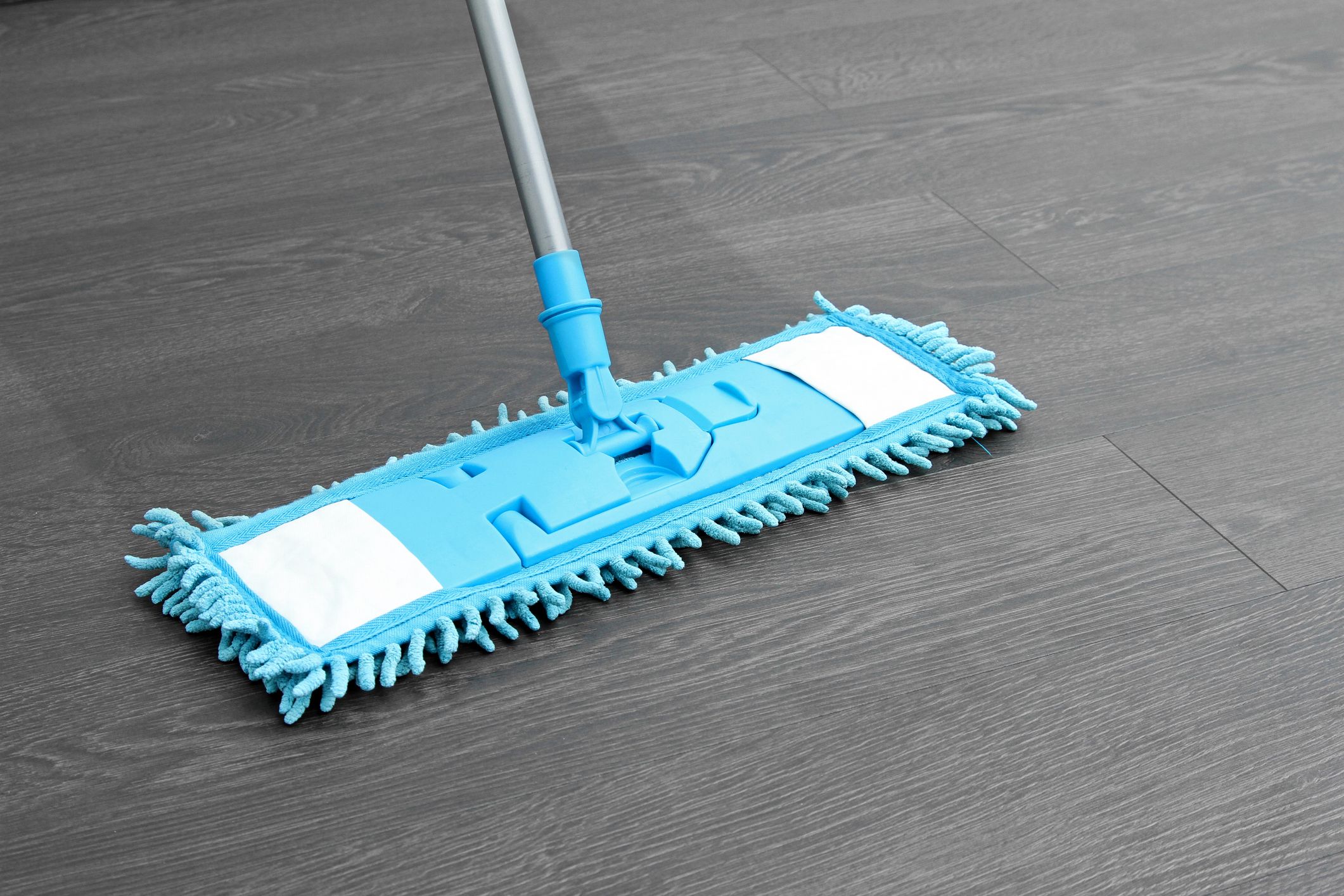
My weekly cleaning routine centers around damp mopping with a barely moist microfiber mop and laminate-specific cleaning solutions that don’t leave residue. I learned that excess water is laminate’s greatest enemy after my first cleaning attempt left puddles that caused three planks to swell and require replacement. The mop should be wrung until almost dry, leaving just enough moisture to pick up stubborn dirt and grime.
The cleaning solution I use is specifically formulated for laminate floors, avoiding the harsh chemicals and acidic ingredients that can damage the protective wear layer. I tried various household cleaners initially, including vinegar solutions that dulled the finish and created a hazy appearance that never fully disappeared. Commercial laminate cleaners cost more but prevent the expensive damage that improper products can cause over time.
My technique involves working in small sections, immediately drying any excess moisture with a clean, dry microfiber cloth to prevent water from sitting on seams or damaged areas. I clean in the direction of the wood grain pattern when possible, which seems to provide better results and prevent streaking. This methodical approach takes longer but ensures thorough cleaning without risking water damage to the flooring system.
Preventing Scratches and Damage
Furniture pads became my obsession after discovering deep scratches under my dining room chairs that occurred within the first month of installation. I now use felt pads under every piece of furniture and replace them regularly as they wear down and lose effectiveness. The investment in quality furniture pads pays for itself by preventing damage that would require professional repair or plank replacement.
My entryway management system includes high-quality doormats both inside and outside to capture dirt, sand, and moisture before they reach the laminate surface. I learned that small particles of sand act like sandpaper under foot traffic, creating microscopic scratches that accumulate over time and dull the floor’s appearance. Regular mat cleaning and replacement maintains their effectiveness in protecting the flooring investment.
Pet nail maintenance became crucial after my dog’s claws created scratches that were impossible to repair without replacing damaged planks entirely. I now keep pet nails trimmed short and use area rugs in their favorite play areas. Additionally, I immediately clean up any pet accidents to prevent moisture damage and staining that can penetrate the seams between planks and cause permanent damage.

Moisture Control and Humidity Management
Controlling indoor humidity levels proved essential for preventing plank expansion, contraction, and warping that can destroy laminate installations permanently. I installed a whole-house humidifier and dehumidifier system to maintain consistent 30-50% humidity year-round. Extreme humidity fluctuations caused gaps between planks in winter and slight buckling during humid summers before I implemented proper climate control measures.
My bathroom and kitchen receive extra attention because these areas naturally have higher moisture levels that can damage laminate over time. I use exhaust fans religiously during cooking and bathing, and I’ve placed additional dehumidifiers in these rooms during summer months. Quick cleanup of any water splashes prevents seepage into seams that can cause swelling and permanent damage to surrounding planks.
Seasonal monitoring helps me anticipate and prevent moisture-related problems before they cause expensive damage requiring professional repairs or replacement. I check humidity levels weekly and adjust systems accordingly, paying special attention during weather changes when indoor conditions fluctuate rapidly. This proactive approach has prevented the costly moisture damage that destroyed portions of my original installation before I understood these principles.
Stain Removal and Spot Treatment
My stain removal arsenal includes laminate-safe products for different types of spills, from food and beverages to more challenging substances like ink or paint. I learned that acting quickly makes the difference between easy cleanup and permanent staining that requires plank replacement. Each stain type requires specific treatment methods, and using the wrong approach can make stains worse or damage the protective surface layer.
For stubborn stains that resist normal cleaning, I use a plastic scraper and gentle rubbing compound specifically designed for laminate surfaces rather than harsh abrasives that can damage the wear layer. I discovered this technique after ruining a plank trying to remove dried paint with steel wool, creating scratches worse than the original stain. Patience and proper tools prevent additional damage during stain removal attempts.
My spot treatment protocol involves testing any new cleaning product in an inconspicuous area first, as some cleaners can cause discoloration or surface damage that becomes permanent. I keep detailed records of what products work for different stains, creating a reference guide for future incidents. This systematic approach has helped me successfully remove most stains without causing additional damage to the flooring surface.

Long-Term Care and Professional Maintenance
Annual professional cleaning has become part of my maintenance budget after realizing that deep cleaning extends the floors’ life and maintains their appearance better than my weekly routine alone. Professional services use specialized equipment and techniques that remove embedded dirt and restore the floor’s original luster. The cost is minimal compared to premature replacement due to accumulated damage and wear.
My inspection routine includes checking for loose planks, damaged seams, and areas showing excessive wear that might need professional attention or replacement. I photograph problem areas to track progression over time and determine when professional intervention becomes necessary. Early detection prevents small problems from spreading and causing more extensive damage requiring costly repairs.
Planning for eventual replacement helps me budget appropriately and recognize when repair costs exceed replacement value for my specific installation. I research new laminate technologies and improved products that might offer better performance when replacement time arrives. Understanding the expected lifespan and performance characteristics helps me make informed decisions about maintenance investments versus replacement timing for optimal value.

What’s the biggest mistake people make when cleaning laminate floors?
The biggest mistake I see people make is using too much water during cleaning, which can seep into seams and cause irreversible swelling and warping. I learned this lesson when my first cleaning attempt left puddles that damaged three planks permanently. Always use a barely damp mop that’s been wrung until almost dry, and immediately wipe up any excess moisture. Avoid steam mops entirely, as the high heat and moisture can penetrate protective layers and damage the particle board core underneath.
How often should laminate floors be professionally cleaned?
I have my laminate floors professionally cleaned annually, which has significantly extended their lifespan and maintained their appearance beyond what my regular maintenance achieves. Professional services use specialized equipment that removes embedded dirt and restores luster without risking water damage. For high-traffic homes with pets or children, twice-yearly professional cleaning might be beneficial. The cost is minimal compared to premature replacement, and the results are noticeably better than DIY deep cleaning attempts.
Can scratches in laminate flooring be repaired, or do planks need replacement?
Minor surface scratches can often be repaired using laminate repair kits that include color-matched putty and markers, though results vary depending on scratch depth and floor color. I’ve successfully repaired shallow scratches using these products, but deep gouges that penetrate the wear layer usually require plank replacement. The key is addressing scratches quickly before they collect dirt and become more noticeable. Prevention through furniture pads and proper maintenance is always more effective than attempting repairs after damage occurs.
What humidity level should I maintain to protect my laminate floors?
I maintain indoor humidity between 30-50% year-round to prevent expansion, contraction, and warping issues that can permanently damage laminate installations. Too low humidity causes gaps between planks, while excessive humidity leads to buckling and swelling. I use whole-house humidification and dehumidification systems to maintain consistent levels, monitoring with digital hygrometers throughout the house. Seasonal adjustments are necessary as outdoor conditions change, and bathrooms and kitchens may need additional moisture control measures.
Are there specific cleaning products I should avoid on laminate floors?
Avoid vinegar, ammonia, bleach, abrasive cleaners, and oil-based products that can damage the protective wear layer or leave residue buildup. I learned this through expensive mistakes that dulled my floors’ finish permanently. Steam cleaners should also be avoided due to moisture and heat damage risks. Stick to pH-neutral cleaners specifically formulated for laminate floors, though they cost more than household alternatives. Always test new products in inconspicuous areas first to ensure compatibility with your specific flooring.
How do I know when my laminate floors need to be replaced rather than repaired?
I evaluate replacement versus repair based on the extent of damage, age of installation, and repair costs compared to new flooring prices. Widespread scratching, multiple damaged planks, persistent moisture damage, or separation at seams typically indicate that replacement time has arrived. If repair costs exceed 50% of replacement cost, or if damage affects more than 25% of the floor area, replacement usually makes more financial sense. Consider current laminate technology improvements that might offer better performance and durability than older installations.

Ways to Clean Laminate Floors

Laminate Floors – Make Them Shine Again! – Honeysuckle Footprints

How to Clean Vinyl Floors HGTV
How to Clean Laminate Floors – Best Laminate Floor Cleaner
Related Posts: