When I inherited my grandmother’s 1950s home four years ago, I discovered original parquet flooring hidden beneath decades of carpet in the formal dining room. The intricate geometric patterns and rich wood tones immediately captured my heart, even though the floors were in desperate need of restoration.
After months of research and careful refinishing, those parquet floors became the inspiration for my entire home renovation project. I’ve since installed new parquet flooring in our living room and master bedroom, and I can honestly say it’s been one of the most rewarding design decisions I’ve made. The combination of traditional craftsmanship and stunning visual impact has transformed our home into something truly special, proving that some classic design elements never go out of style.
Understanding Traditional vs. Modern Parquet Construction
Learning about the differences between traditional and modern parquet construction was crucial when I decided to expand the parquet flooring throughout our home. Traditional parquet, like my grandmother’s original floors, consists of solid wood pieces arranged in intricate geometric patterns and individually installed piece by piece. This method creates incredibly durable floors that can be sanded and refinished multiple times over decades of use. However, the installation process is time-consuming and requires skilled craftsmen who understand the precise measurements and fitting required for each pattern piece.
Modern parquet flooring offers several construction alternatives that balance the classic aesthetic with contemporary installation methods. Engineered parquet features thin layers of hardwood veneer over plywood or high-density fiberboard cores, providing dimensional stability while maintaining the appearance of solid wood. Pre-assembled parquet tiles, typically 12×12 or 18×18 inches, come with multiple wood pieces already arranged in patterns, significantly reducing installation time and labor costs while still providing authentic parquet design and beauty.
I chose a combination approach for different areas of my home, using traditional solid wood parquet in high-impact areas like the living room, where longevity was paramount, and engineered options in bedrooms, where cost considerations were more important.
The performance differences have been minimal from a daily living perspective, but knowing I can refinish the solid wood floors multiple times provides long-term value that justifies the higher initial investment. Both options have exceeded my expectations for beauty and durability in their respective applications throughout our home.
Pattern Selection: From Classic Herringbone to Intricate Designs
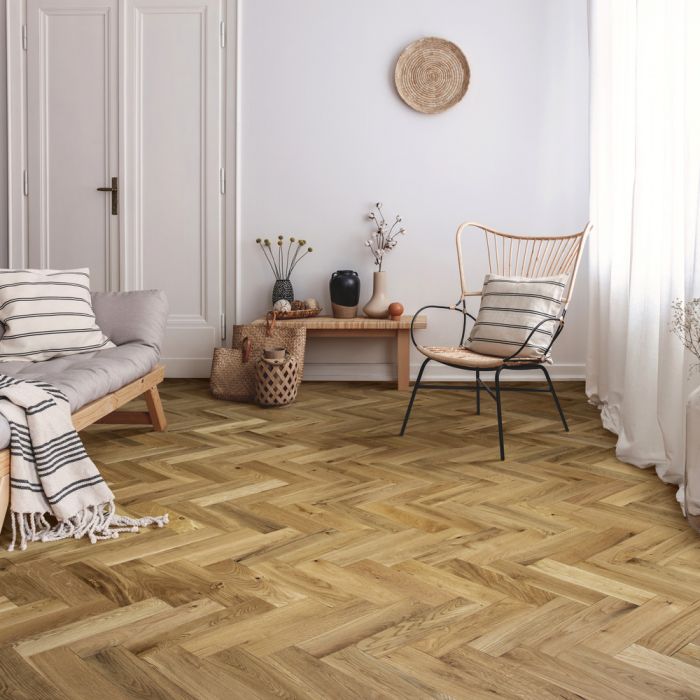
Selecting the right parquet pattern became one of the most exciting aspects of my flooring project, with options ranging from simple geometric designs to incredibly complex artistic arrangements. The classic herringbone pattern appealed to me for its timeless elegance and relatively straightforward installation requirements. However, after seeing examples of more intricate patterns like Versailles, basketweave, and hexagonal designs, I realized the opportunity to create truly unique focal points in different rooms throughout our home using varied pattern selections for different spaces.
I ultimately chose herringbone for our main living areas because of its perfect balance between visual interest and versatility with different furniture arrangements. The diagonal lines create movement and sophistication without being overly busy or distracting from other design elements. For our master bedroom, I selected a simpler four-square pattern that provides parquet character while maintaining the calm, restful atmosphere appropriate for a sleeping space. The pattern variety allowed me to customize each room’s personality while maintaining overall design cohesion throughout the house.
The complexity of different patterns significantly affects both installation costs and timeline considerations. Simple patterns like herringbone or four-square can be installed relatively quickly by experienced installers, while intricate designs like Versailles or custom artistic patterns require master craftsmen and dramatically longer installation periods. I learned to balance my aesthetic desires with practical considerations of budget and timeline, ultimately creating a varied but cohesive parquet installation that provides visual interest without overwhelming our home’s classic architecture and proportions.

Wood Species Selection and Color Considerations
Choosing the right wood species for my parquet flooring involved balancing aesthetic preferences with practical considerations like durability, cost, and maintenance requirements. Oak proved to be the most popular choice among parquet installers due to its excellent working properties, reasonable cost, and beautiful grain patterns that enhance geometric designs. I selected white oak for most areas because of its superior moisture resistance compared to red oak, plus the slightly more neutral color tone worked better with my existing furniture and design elements.
Exotic wood species offered tempting alternatives that could create a stunning visual impact in parquet patterns. Brazilian cherry, teak, walnut, and mahogany each provided unique color characteristics and grain patterns that could transform parquet from traditional to contemporary aesthetics. However, the significantly higher costs and potential maintenance challenges of exotic species made them impractical for large installations in our home. I compromised by incorporating small amounts of contrasting species like walnut strips as accent borders in our herringbone pattern, adding visual interest without budget-breaking expense.
Color matching and grain coordination became critical factors when working with parquet patterns that showcase wood characteristics so prominently. I learned to specify consistent grade and color sorting to ensure uniform appearance across large installations, while still maintaining the natural variation that makes wood flooring beautiful. The geometric nature of parquet patterns actually helps blend minor color variations that might be noticeable in straight plank installations, creating forgiving installations that age gracefully and develop character over time with normal use and natural wood aging processes.

Installation Challenges and Professional Requirements
The installation of parquet flooring proved far more complex than standard plank hardwood installation, requiring specialized skills and tools that convinced me to hire experienced professionals rather than attempting DIY installation. Precision becomes critical because even small measurement errors compound quickly across geometric patterns, potentially resulting in gaps, misaligned joints, or patterns that don’t fit properly at room boundaries. My installer used laser levels and precision measuring tools to establish reference lines and ensure perfect pattern alignment throughout each room’s installation.
Subfloor preparation required even greater attention than standard hardwood installation because parquet patterns highlight any irregularities or imperfections in the underlying surface. We spent extra time ensuring the subfloor was perfectly level, as variations that might be acceptable under straight planks became obvious problems under geometric parquet patterns. The installer also emphasized moisture control, using vapor barriers and allowing all materials to acclimate properly before installation began, critical steps for preventing expansion and contraction issues that could disrupt intricate pattern alignment.
The installation timeline exceeded my expectations, with our 400-square-foot living room taking nearly a week to complete compared to what might be two days for standard plank installation. Each piece required individual fitting, measuring, and often custom cutting to maintain pattern integrity around room obstacles like heating vents, doorways, and built-in features. However, watching skilled craftsmen create these beautiful patterns piece by piece was fascinating, and the final result justified every day of inconvenience during the installation process. The precision and artistry required reinforced my decision to invest in truly qualified installers.

Maintenance and Long-Term Care Requirements
Living with parquet floors for several years has taught me that maintenance requirements differ somewhat from standard hardwood flooring due to the complex grain directions and joint patterns inherent in geometric designs. Daily cleaning involves careful attention to removing debris that might accumulate in the joints between pattern pieces, requiring slightly more thorough vacuuming than smooth plank floors. I use a soft-bristle attachment and take time to clean along the grain directions of individual pieces rather than just following the overall room pattern, ensuring optimal cleanliness and appearance.
The refinishing process for parquet requires specialized techniques because sanding must accommodate multiple grain directions within each pattern repeat. My floors needed professional refinishing after eight years, and I learned that the process takes longer and costs more than standard plank refinishing due to the complexity of working with varied grain orientations. However, the results were spectacular, essentially returning the floors to like-new condition and confirming that quality parquet installation provides excellent long-term value through multiple refinishing cycles over decades of use.
Seasonal maintenance involves monitoring for expansion and contraction effects that might be more noticeable in parquet patterns than standard installations. Small gaps that develop between pieces during dry winter months are normal and typically close during humid summer conditions. I maintain consistent humidity levels using whole-house humidification during heating season, which minimizes seasonal movement and keeps the patterns looking tight and uniform throughout the year. The investment in humidity control has proven worthwhile for maintaining the pristine appearance of these beautiful floors.

Cost Analysis and Value Considerations
The cost of parquet flooring installation significantly exceeded standard hardwood flooring due to both material and labor considerations, with my project averaging about 40% more than comparable plank installations. High-quality solid wood parquet materials cost more per square foot than standard planks due to the precision manufacturing required for pattern pieces. Additionally, installation labor costs increased substantially due to the time-intensive nature of fitting individual pieces and maintaining pattern integrity throughout the installation process, requiring specialized skills that command premium pricing.
However, the long-term value proposition of parquet flooring has proven excellent through multiple refinishing cycles and consistent appreciation in home value assessments. Real estate professionals have consistently identified our parquet floors as significant value-added features that distinguish our homes from standard hardwood installations. The timeless appeal and craftsmanship quality of parquet installations provide lasting value that justifies the higher initial investment, particularly in historic or upscale home contexts where architectural details contribute significantly to overall property values.
The durability and refinishing potential of quality parquet installations create excellent lifetime value when compared to flooring options that require complete replacement every 10-20 years. My grandmother’s original 1950s parquet floors, now restored, demonstrate the incredible longevity possible with proper maintenance and periodic refinishing. This multi-generational performance potential makes parquet flooring an investment in permanent home improvement rather than temporary decoration, providing both aesthetic and financial benefits that compound over time through proper care and maintenance of these beautiful installations.

Is parquet flooring more difficult to maintain than regular hardwood?
Parquet requires slightly more attention during cleaning due to the multiple grain directions and pattern joints, but it’s not dramatically different from standard hardwood care. I vacuum more thoroughly and pay attention to cleaning along grain directions rather than just following room patterns. The geometric patterns actually help hide minor scratches and wear better than straight planks. Regular maintenance is straightforward, though professional refinishing requires specialized techniques for the varied grain orientations.
How does parquet flooring hold up in high-traffic areas?
My parquet floors have performed excellently in high-traffic areas like our living room and dining room for over four years. The geometric patterns actually distribute wear more evenly than straight planks, and minor scratches blend naturally with the varied grain directions. Quality installation and regular maintenance are key to longevity. The solid wood construction allows for multiple refinishing cycles, making parquet suitable for heavy-use areas with proper care and periodic professional refinishing.

Can parquet flooring be installed over radiant heating systems?
Yes, parquet works well with radiant heating, though engineered versions are more stable than solid wood for this application. I installed engineered parquet over radiant heat in our master bedroom without issues. Proper acclimatization and humidity control are crucial to prevent expansion problems. The installer used appropriate adhesives rated for radiant systems and followed manufacturer guidelines for temperature limits. The geometric patterns help accommodate minor expansion better than straight planks.
What’s the realistic timeline for parquet installation?
Installation takes significantly longer than standard hardwood due to the precision required for pattern alignment. My 400-square-foot living room took nearly a week compared to 2-3 days for regular planks. Complex patterns like Versailles take even longer. Simple patterns like herringbone move faster than intricate designs. The timeline depends on room size, pattern complexity, and installer experience. Budget extra time for proper installation, as rushing parquet work leads to poor results.

How does the cost compare to other premium flooring options?
Parquet costs more than standard hardwood but is comparable to other premium options like exotic species or wide-plank installations. My project averaged 40% more than regular oak planks due to materials and specialized labor. However, the unique aesthetic and long-term durability provide excellent value. Compared to natural stone or imported tiles, parquet offers competitive pricing with superior refinishing potential. The investment pays dividends in home value and decades of beauty.
Can damaged parquet sections be repaired without replacing entire floors?
Individual pieces can be replaced in most parquet patterns, though matching wood color and grain requires skill and patience. I’ve had a few pieces replaced due to deep scratches and water damage, and experienced installers made nearly invisible repairs. Keeping spare pieces from the original installation helps with matching. Simple patterns are easier to repair than complex ones. Professional refinishing can address widespread wear, but individual piece replacement handles localized damage effectively without full floor replacement.
Engineered Wood Flooring For Your Home
An Architect’s Guide To: Wood Flooring
Flooring, Engineerd Hardwood, Solid Wood, LVT, Laminate, Bamboo
What are the best engineered wood flooring brands?
Related Posts: