Renovating my master bathroom turned into an unexpected education in flooring materials when I discovered the remarkable benefits of porcelain tile. What started as a simple desire to update outdated linoleum became a journey of learning about water resistance, durability, and design possibilities. After six months of research, installation, and daily use, I can confidently say that choosing porcelain tile was one of the best decisions I made during the renovation. The transformation exceeded my expectations in both practical performance and aesthetic appeal, proving that the right flooring choice can completely change how you experience a space.
Water Resistance: The Ultimate Bathroom Test
Living with porcelain tile in my bathroom has shown me what true water resistance means. Unlike my previous ceramic tile, which developed hairline cracks and allowed moisture penetration, porcelain’s dense composition creates an impermeable barrier. I’ve accidentally left the shower door open during use, flooding the floor with standing water, and the tile remained completely unaffected. The lack of absorption means no water damage, no mold growth beneath the surface, and no warping or deterioration that plagued my previous flooring materials.
The grout lines initially worried me, but proper sealing has maintained their water resistance for over a year. I chose epoxy grout instead of traditional cement grout, which has proven to be worth the extra cost. Even in the wettest areas around the shower and tub, the grout remains pristine without discoloration or degradation. This performance gives me confidence that my investment will last for decades without requiring major repairs or replacement due to water damage.
Steam from hot showers creates challenging conditions that have tested my flooring choice thoroughly. The porcelain surface never develops condensation buildup or slippery conditions like some materials do. Water droplets bead up and wipe away easily, leaving no residue or water spots. This behavior makes daily cleaning effortless and prevents the buildup of soap scum and mineral deposits that can make bathroom floors look dingy and unkempt over time.
Installation Challenges and Solutions
The installation process taught me that porcelain tile requires more preparation and skill than I initially anticipated. The material’s hardness, while beneficial for durability, made cutting and shaping more challenging than standard ceramic tile. I invested in a quality wet tile saw and diamond blades, which proved essential for achieving clean, precise cuts. The additional tool costs were offset by the superior results and reduced waste from failed cuts.
Substrate preparation became crucial for long-term success. I removed the old flooring completely and installed a cement backer board over the existing subfloor. This extra step added time and cost but provided the stable, moisture-resistant foundation that porcelain tile requires. Skipping this preparation would have likely resulted in cracking or movement issues that could have compromised the entire installation.
The weight of porcelain tile surprised me and required adjustments to my installation approach. Each tile was significantly heavier than ceramic alternatives, making handling more difficult and requiring stronger adhesive. I used a premium modified thinset specifically designed for porcelain, which provided better bonding and flexibility. The installation took longer than expected, but the methodical approach resulted in a perfectly level surface with consistent spacing throughout.

Durability That Exceeds Expectations
After eighteen months of daily use, my porcelain tile floor shows virtually no wear despite heavy traffic and occasional mishaps. Dropped hair styling tools, makeup bottles, and other bathroom items that would have chipped or cracked ceramic tile leave no marks on the porcelain surface. The material’s exceptional hardness rating has lived up to its reputation, maintaining its appearance despite the abuse that bathroom floors typically endure.
The slip resistance of my textured porcelain tile has been outstanding, even when wet. I chose tiles with a slight surface texture that provides traction without being rough enough to make cleaning difficult. This balance has proven perfect for bare feet on wet surfaces, providing confidence and safety for all family members. The texture also helps hide minor soap residue and water spots between cleanings.
Color consistency throughout the installation has remained perfect, with no fading or discoloration despite exposure to bathroom chemicals and UV light from the window. Some tiles receive direct sunlight for several hours daily, yet they match perfectly with tiles in shadowed areas. This color stability gives me confidence that the floor will maintain its appearance for years to come without requiring touch-ups or partial replacements.
Design Flexibility and Aesthetic Appeal
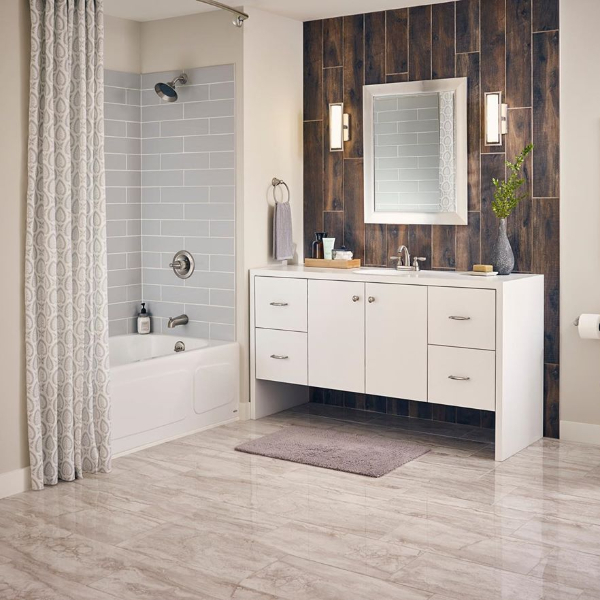
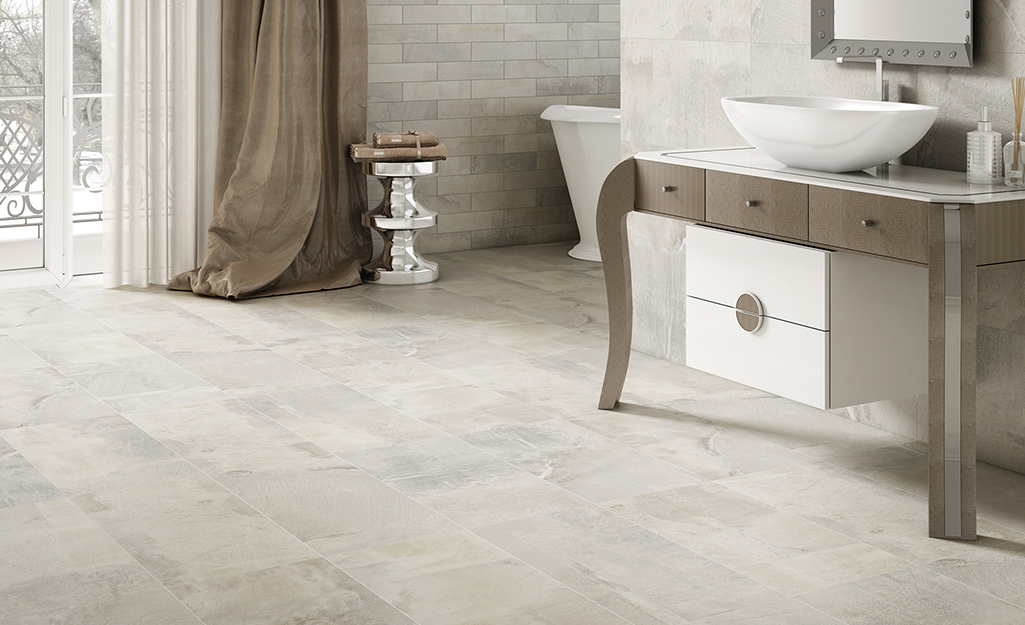
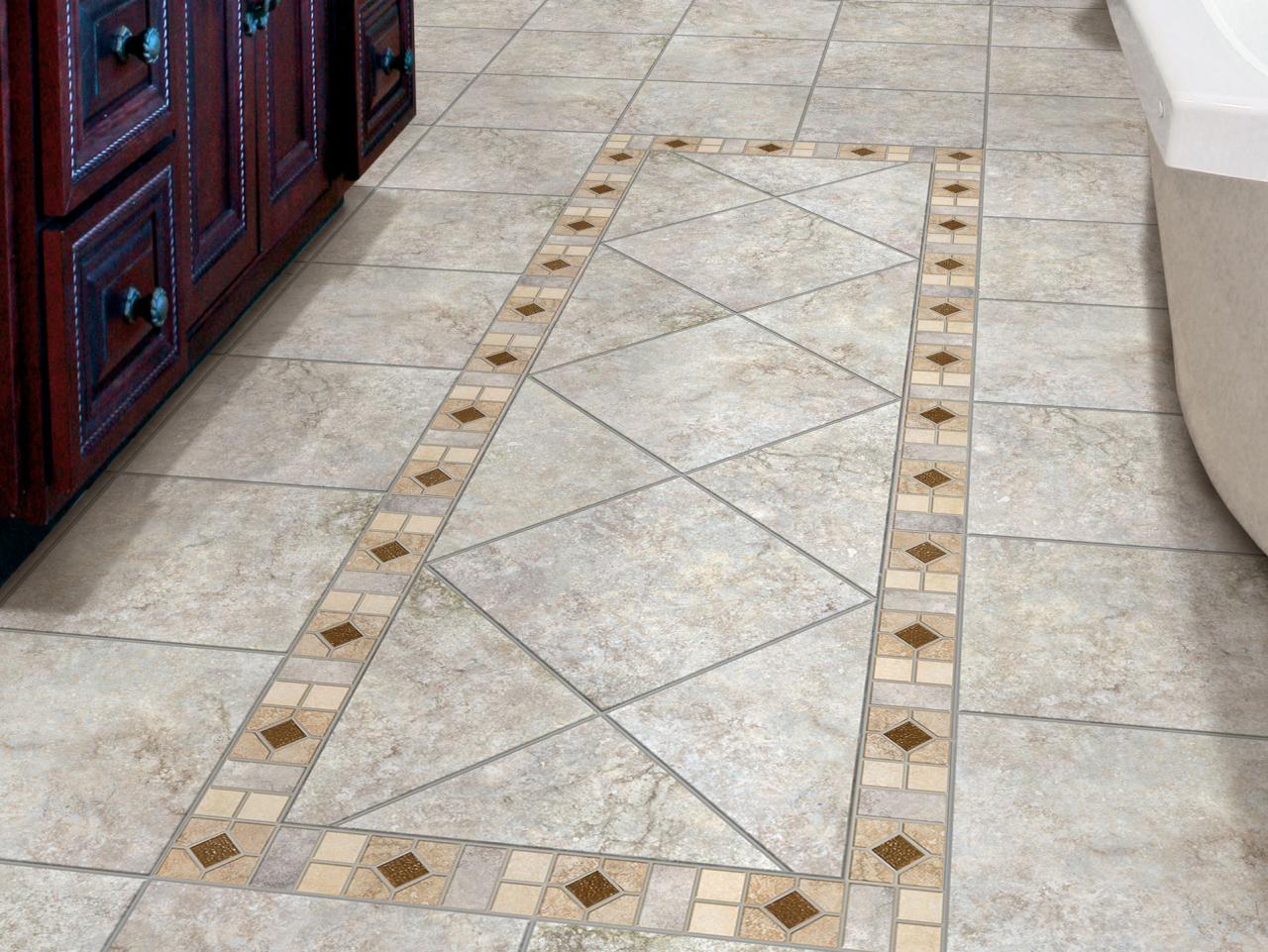
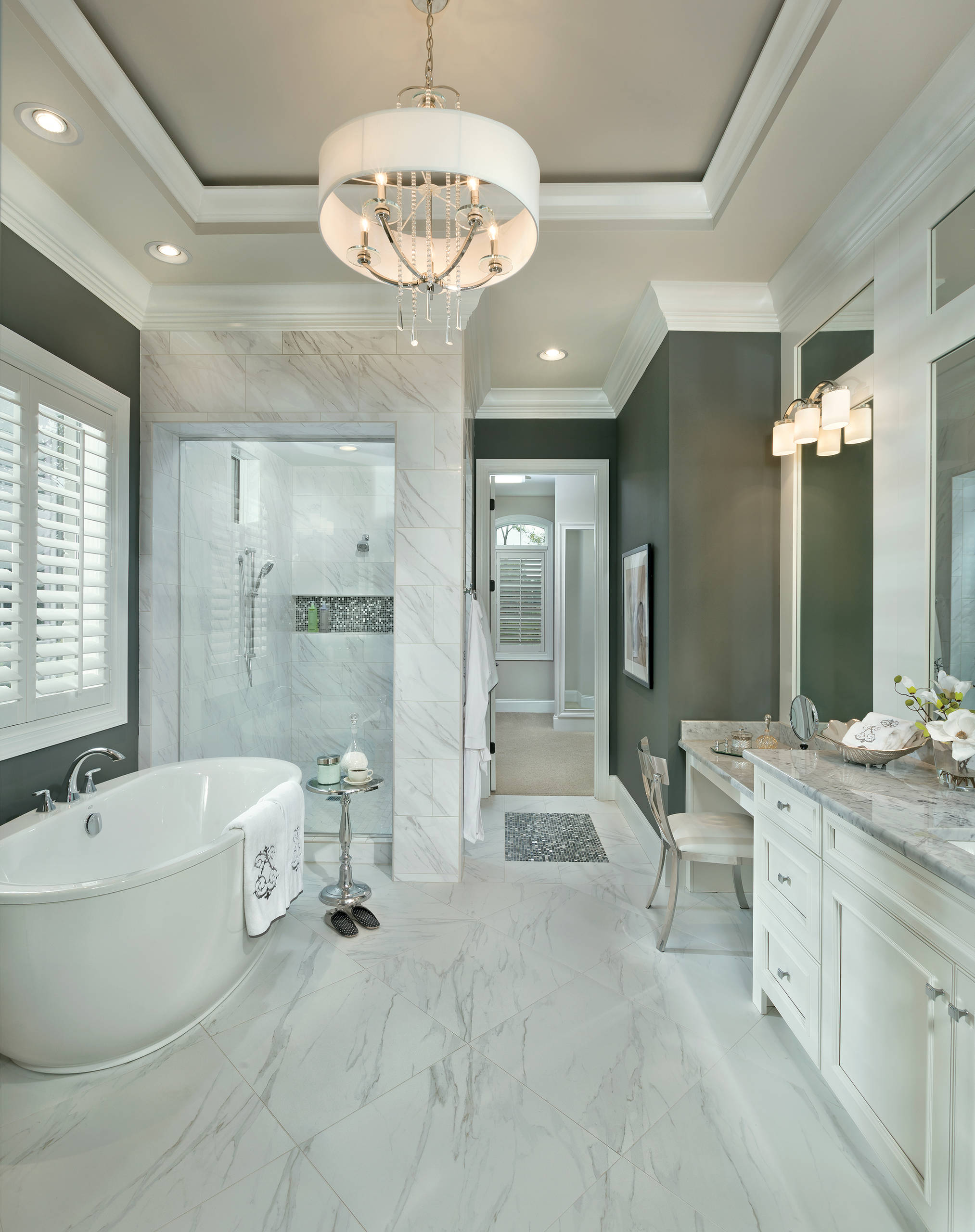
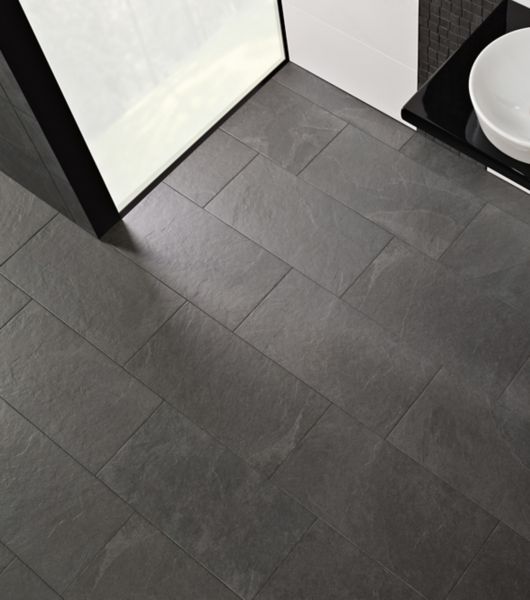
The variety of porcelain tile options available opened up design possibilities I hadn’t considered. I chose large-format tiles that mimic natural stone, creating a luxurious appearance at a fraction of the cost. The realistic texture and veining patterns provide visual interest without the maintenance requirements of actual stone. The larger tiles also meant fewer grout lines, creating a cleaner, more modern appearance that makes the bathroom feel more spacious.
Color coordination with my bathroom’s overall design scheme was simplified by the extensive selection available. I found tiles that perfectly complemented my vanity and fixtures, creating a cohesive look that ties the entire room together. The neutral tone I selected provides flexibility for future updates to accessories and paint colors without requiring floor replacement. This versatility has already proven valuable as I’ve updated other bathroom elements.
The professional appearance of the finished floor has transformed my bathroom from a purely functional space into a relaxing retreat. Guests consistently comment on the high-end appearance, often assuming I used expensive natural stone. The investment in quality porcelain tile has enhanced the overall value of my home while providing daily enjoyment and pride in the space.
Maintenance and Cleaning Simplicity
Daily maintenance of my porcelain tile floor requires minimal effort compared to previous flooring materials. A quick sweep or vacuum removes hair and debris, while a damp mop with mild cleaner keeps the surface spotless. The non-porous surface doesn’t absorb spills or stains, making cleanup of cosmetics, hair products, and other bathroom mishaps quick and easy. Even stubborn stains like hair dye or nail polish wipe away without leaving permanent marks.
Deep cleaning sessions are surprisingly simple and infrequent. The smooth surface doesn’t trap dirt or grime like textured materials can, so regular maintenance prevents buildup that would require intensive scrubbing. I clean the grout lines monthly with a mild bleach solution, which keeps them looking fresh and prevents any potential mold or mildew growth. The low maintenance requirements save time and money on specialized cleaning products.
The durability of the surface means I can use stronger cleaning products when necessary without worrying about damage. During deep cleaning, I use a steam mop that sanitizes while cleaning, something I couldn’t do with my previous flooring. The ability to thoroughly clean and disinfect the floor is particularly valuable in a bathroom environment where hygiene is paramount.
Long-Term Investment Value
The initial cost of porcelain tile was higher than ceramic or vinyl alternatives, but the long-term value has justified every penny. After calculating the lifespan and maintenance costs, porcelain tile offers superior value over time. The durability means I won’t need replacement for decades, unlike cheaper materials that might require renewal every five to ten years. This longevity makes the higher upfront cost a wise investment rather than an expense.
Property value enhancement has been another unexpected benefit of choosing porcelain tile. Real estate professionals have commented that high-quality bathroom flooring adds significant value to homes. The luxury appearance and known durability of porcelain tile appeal to potential buyers who recognize quality materials. This added value provides peace of mind that my investment will pay dividends if I ever decide to sell.
My experience has convinced me to use porcelain tile in future bathroom renovations. The combination of performance, appearance, and longevity makes it the clear choice for any bathroom flooring project. Friends and family who have seen my results are now planning their porcelain tile installations, testament to the material’s impressive performance in real-world conditions.
How do porcelain tiles compare to ceramic tiles in terms of durability and water resistance?
Porcelain tiles are significantly more durable and water-resistant than ceramic tiles due to their denser composition and lower porosity. While ceramic tiles absorb 3-7% of their weight in water, porcelain absorbs less than 0.5%, making them virtually waterproof. This density also makes porcelain harder and more resistant to chips, cracks, and wear. In my experience, porcelain has withstood impacts that would have damaged ceramic tiles. The price difference is worthwhile for the superior performance, especially in high-moisture environments like bathrooms.
What should I expect in terms of installation difficulty and costs for porcelain tile?
Porcelain tile installation is more challenging than ceramic tile due to its hardness and weight. Cutting requires diamond blades and wet saws, and proper substrate preparation is crucial. Professional installation typically costs $8-15 per square foot, while DIY installation requires specialized tools and skills. I spent extra on premium adhesives and tools, but the results justified the investment. The process takes longer than ceramic installation, but proper technique ensures decades of trouble-free performance. Budget for quality materials and don’t rush the process.
Are there any special maintenance requirements for porcelain tile floors in bathrooms?
Porcelain tile maintenance is simpler than most flooring materials. Regular sweeping and mopping with mild cleaners keeps them looking new. The non-porous surface resists stains and doesn’t require sealing like natural stone. I clean grout lines monthly with a mild bleach solution to prevent discoloration. Avoid abrasive cleaners that could dull the surface finish. The main requirement is prompt cleanup of spills, though even this isn’t critical since porcelain doesn’t absorb liquids. Overall, maintenance is minimal compared to other bathroom flooring options.
How do I choose the right porcelain tile size and finish for my bathroom?
Larger tiles create fewer grout lines and make small bathrooms appear more spacious, but they’re harder to install and may require more cutting around fixtures. I chose 12×24-inch tiles for a good balance of appearance and installation ease. For finish, slight texture provides slip resistance without being difficult to clean. Avoid high-gloss finishes in wet areas as they become slippery. Consider your bathroom size, layout, and personal preferences. Visit showrooms to see actual installations, and request samples to test in your space before making final decisions.
What are the potential drawbacks or limitations of porcelain tile bathroom floors?
The main drawbacks are higher initial cost and installation complexity compared to other materials. Porcelain feels cold underfoot, though this can be addressed with radiant heating or area rugs. The hard surface can be unforgiving if you drop fragile items, and repairs require professional skills if damage occurs. Color and pattern selection, while extensive, is still limited compared to natural materials. Installation mistakes are costly to fix due to the material’s hardness. Despite these limitations, I found the benefits far outweigh the drawbacks for bathroom applications.
How long can I expect porcelain tile floors to last, and what affects their lifespan?
Quality porcelain tile floors can last 50+ years with proper installation and maintenance. The material itself is virtually indestructible under normal use conditions. Factors affecting lifespan include substrate quality, installation technique, and grout maintenance. My tiles show no wear after 18 months of heavy use, and I expect them to look the same in 20 years. The main maintenance need is periodic grout resealing or replacement, which is inexpensive compared to floor replacement. Poor installation or substrate movement can cause problems, emphasizing the importance of proper preparation and professional techniques.
Cool Bathroom Floor Tiles Ideas You Should Try
White Travertine Tile Tile bathroom, Lowes tile bathroom, Small

Porcelain Floor Tile – The Tile Shop
Best Ceramic and Porcelain Tile Trends for Bathrooms
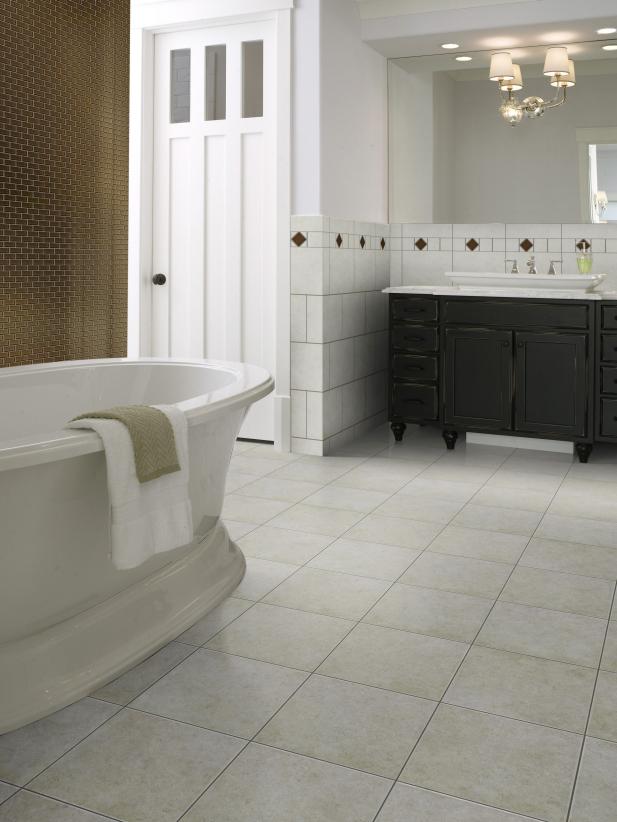
Ceramic Tile Bathroom Floors
Related Posts: