When I decided to transform my cold, uninviting basement into a warm family gathering space, I quickly realized that choosing the right flooring would make or break the entire project. The unique challenges of basement environments, moisture concerns, temperature fluctuations, and the need for comfort underfoot required careful consideration of materials that could handle these conditions while still creating an inviting atmosphere. After months of research, testing samples, and living with my final choice, I’ve learned that basement flooring decisions involve much more than aesthetics. The right choice can turn a forgotten space into the heart of your home.
Moisture Management: The Foundation of Success
My biggest concern when starting this project was moisture control, and rightfully so. Even in what I thought was a dry basement, I discovered subtle humidity issues that could have destroyed traditional flooring materials. I invested in a quality dehumidifier and moisture barrier system before installing any flooring. The basement’s concrete slab required sealing with epoxy primer, and I added a vapor barrier beneath the subfloor. These precautions seemed excessive at first, but they proved essential when seasonal changes brought unexpected moisture challenges.
During my research phase, I learned that even small amounts of moisture can cause significant problems with certain flooring types. Hardwood was immediately ruled out due to its susceptibility to warping and mold growth. Carpet, while comfortable, presented risks of trapping moisture and developing odors that would be difficult to eliminate. I needed materials that could handle occasional dampness without permanent damage. This requirement significantly narrowed my options but ultimately led me to more durable and practical solutions.
The moisture testing I conducted revealed fluctuating humidity levels throughout the year, with peaks during spring thaw and heavy rain periods. I installed a continuous monitoring system that alerts me to changes, allowing proactive management rather than reactive damage control. This investment in moisture management infrastructure has protected my flooring investment and created a more comfortable environment overall. The peace of mind knowing my basement can handle moisture challenges has been invaluable for enjoying the space worry-free.
Temperature Control and Comfort Considerations
The temperature challenges in my basement were more complex than I initially anticipated. During winter months, the concrete floor remained uncomfortably cold despite heating system improvements. I needed flooring that would provide insulation and warmth underfoot while maintaining durability. Radiant heating systems were considered but proved too expensive for my budget. Instead, I focused on materials with good thermal properties and added insulation layers where possible.
My family’s comfort became the primary factor in material selection. Children playing on the floor needed soft, warm surfaces that wouldn’t cause discomfort during extended play sessions. Adult relaxation areas required flooring that felt pleasant for barefoot walking and wouldn’t feel cold during temperature drops. I tested various samples by placing them on my concrete floor and walking on them during different seasons. This hands-on approach revealed significant differences in how materials felt and performed.
The final temperature solution involved combining strategic material choices with supplemental heating options. Area rugs provided additional warmth and comfort in seating areas, while the main flooring handled the structural requirements. Ceiling fans help circulate warm air more effectively, reducing cold spots that made certain flooring materials uncomfortable. This comprehensive approach to temperature management has made the basement a year-round comfortable space rather than a seasonal refuge.
Material Selection: Weighing Pros and Cons
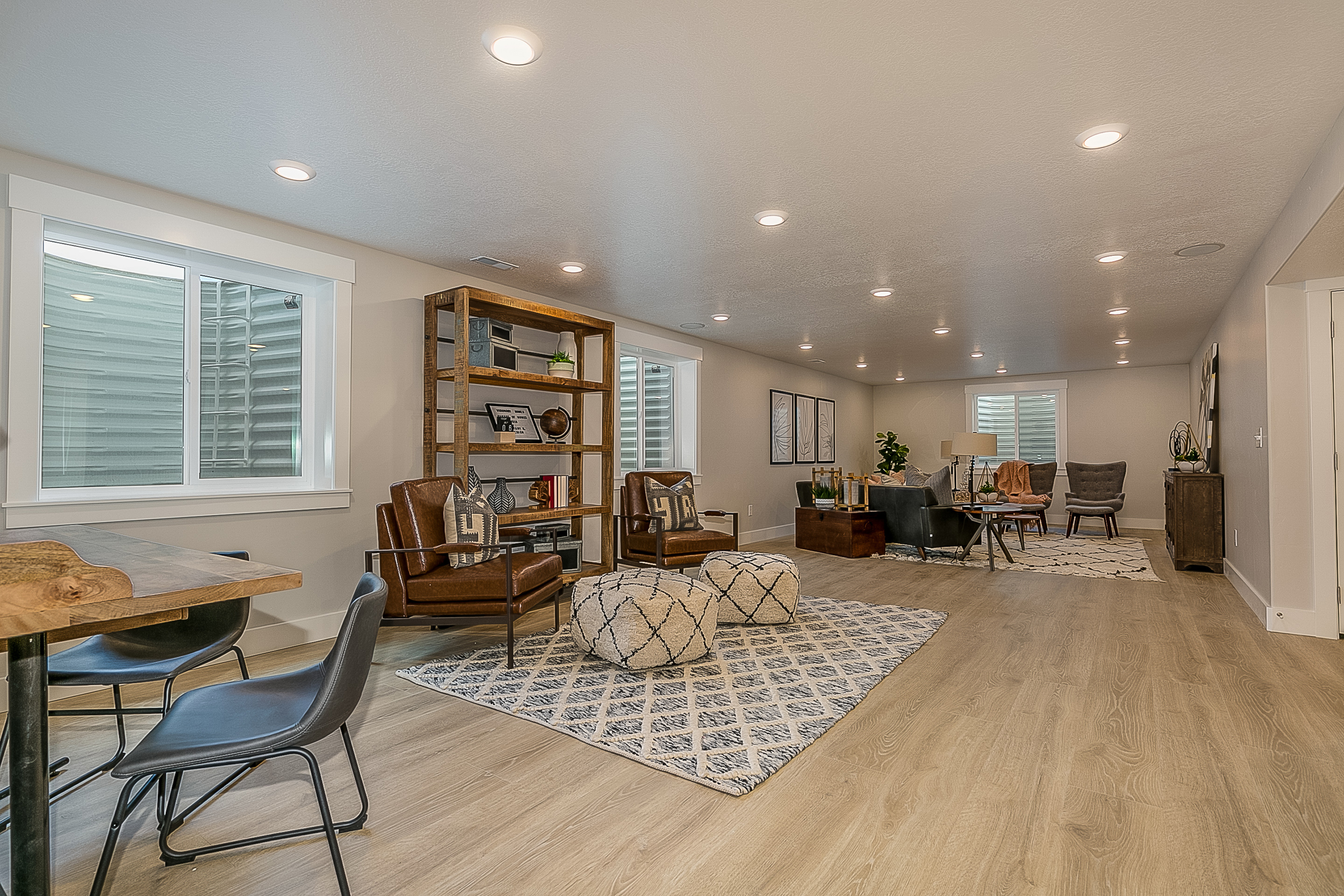
After extensive research and testing, I narrowed my choices to luxury vinyl plank, ceramic tile, and polished concrete. Each option offered distinct advantages and challenges that required careful evaluation. Luxury vinyl plank provided warmth and comfort with excellent moisture resistance, but I worried about long-term durability and appearance. Ceramic tile offered unmatched durability and moisture resistance but felt cold and hard underfoot. Polished concrete looked modern and stylish but required significant preparation and specialized installation.
Cost considerations played a major role in my decision-making process. Luxury vinyl plank offered the best balance of affordability and performance, with installation costs well within my budget. Ceramic tile required professional installation that doubled the material costs, while polished concrete needed expensive equipment and skilled contractors. I had to balance upfront costs with long-term value and maintenance requirements. The decision became more complex when I considered DIY installation possibilities.
My final choice was luxury vinyl plank, primarily because it met all my essential requirements while staying within budget. The material offered excellent moisture resistance, comfortable temperature properties, and attractive appearance options. Installation was manageable as a DIY project, saving significant labor costs. Most importantly, it provided the warm, inviting atmosphere I wanted while handling the practical challenges of basement environments. The decision has proven successful over two years of family use.

Installation Process: Learning Through Experience
The installation process taught me valuable lessons about preparation and patience. I underestimated the importance of proper subfloor preparation, initially thinking I could install directly over the concrete. Research and expert advice convinced me to invest in a quality subfloor system that would provide insulation, moisture protection, and a stable installation surface. This additional step added time and cost but proved essential for long-term success.
My DIY installation approach required careful planning and tool acquisition. I rented professional-grade tools for cutting and installation, which made the process more efficient and produced better results. The learning curve was steeper than expected, particularly around doorways and irregular spaces. I made several mistakes early in the process, but developed better techniques as I gained experience. The manufacturer’s installation videos and online forums provided invaluable guidance throughout the project.
The timeline stretched longer than anticipated due to my inexperience and desire for quality results. What I initially planned as a weekend project became a month-long endeavor, working evenings and weekends around family commitments. However, the slower pace allowed me to address problems promptly and ensure proper installation techniques. The extra time investment has paid dividends in the quality and durability of the finished floor. My family now enjoys a professional-looking result at DIY costs.
Daily Living: Performance and Maintenance
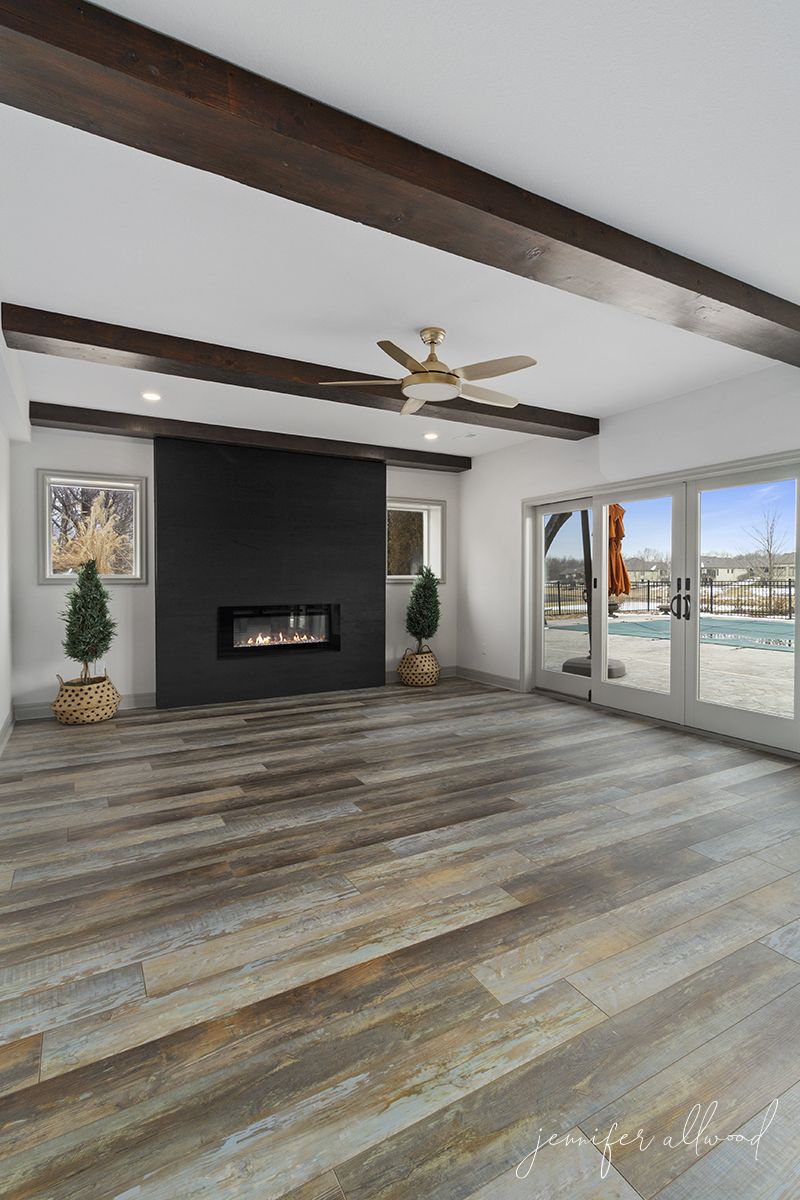
Living with my basement flooring choice has revealed both strengths and areas for improvement. The luxury vinyl plank handles daily family activities beautifully, from children’s playtime to adult entertaining. Spills clean up easily without staining or damage, and the surface resists scratches from furniture movement and pet activity. The comfort underfoot makes barefoot walking pleasant, and the surface temperature remains consistent throughout seasonal changes.
Maintenance requirements have proven minimal and manageable. Regular sweeping and occasional mopping keep the floor looking fresh and clean. Unlike carpet, there are no concerns about deep cleaning or odor retention. The surface doesn’t show dust and pet hair as prominently as darker materials, reducing the frequency of cleaning needed. However, I’ve learned that prompt attention to spills and regular maintenance prevents minor issues from becoming major problems.
The acoustic properties of the flooring have been a pleasant surprise. The material reduces sound transmission to upper floors while providing a comfortable walking surface that doesn’t echo like hard tile or concrete. This has been particularly beneficial during children’s active play and adult entertainment. Area rugs in conversation areas further improve acoustics and add warmth to the space. The combination has created a basement that feels like a natural extension of our main living areas.

Long-Term Satisfaction and Future Planning
After two years of use, my satisfaction with the basement flooring choice remains high. The material has maintained its appearance and performance despite heavy family use. Minor wear patterns are barely noticeable, and the surface continues to clean easily and look attractive. The investment in quality materials and proper installation has paid off in terms of durability and ongoing enjoyment. My family uses the basement daily, validating the decision to prioritize comfort and functionality.
Future improvements I’m considering include additional area rugs for enhanced comfort and acoustic control. The modular nature of vinyl plank flooring means I can easily replace sections if damage occurs, though this hasn’t been necessary yet. I’m also exploring options for radiant heating in specific areas to further improve winter comfort. These potential upgrades would build on the solid foundation I’ve established rather than requiring complete renovation.
The success of this project has inspired confidence in tackling other basement improvements. The flooring serves as an excellent foundation for future updates to walls, ceiling, and lighting. I’ve learned valuable lessons about basement renovations that will inform future projects. Most importantly, the transformation has created a space that truly functions as a family room, adding significant value to our home and daily living experience. The basement is no longer forgotten space but a cherished part of our home.

What are the most important factors to consider when choosing basement flooring?
Moisture resistance should be your top priority, as basements naturally have higher humidity levels than other areas of the home. Temperature comfort is equally important since concrete floors stay cold year-round. Consider your family’s usage patterns, whether children will play on the floor, and maintenance requirements. Budget constraints and installation complexity also matter significantly. Finally, think about long-term durability and whether the flooring can handle occasional flooding or moisture issues. These factors will guide you toward materials that perform well in basement environments.
How do I know if my basement has moisture problems before installing flooring?
I recommend conducting a plastic sheet test by taping plastic squares to various concrete areas for 24-48 hours. If moisture appears under the plastic, you have moisture issues requiring attention. Check for white mineral deposits on walls or floors, musty odors, or visible mold growth. Install a humidity monitor to track levels over several weeks, ideally during different seasons. Professional moisture testing provides the most accurate assessment, but it costs more. Address any moisture problems before flooring installation to prevent expensive damage later.
Can I install radiant heating under basement flooring, and is it worth the cost?
Radiant heating can be installed under most basement flooring types, but it requires careful planning and professional installation. The cost typically ranges from $10-20 per square foot, making it expensive for large areas. However, the comfort improvement is substantial, especially for frequently used spaces. Electric systems are easier to install than hydronic systems, but have higher operating costs. Consider your climate, usage patterns, and budget carefully. I chose not to install radiant heating initially, but I may add it in high-use areas as a future upgrade.
What flooring materials should I avoid in basements and why?
Avoid solid hardwood flooring as it warps and cups with moisture exposure. Traditional carpet can trap moisture and develop mold, odors, and allergens that are difficult to eliminate. Laminate flooring with particleboard cores will swell and delaminate if moisture penetrates. Natural stone without proper sealing can absorb moisture and crack with freeze-thaw cycles. Bamboo flooring, while eco-friendly, can have moisture issues similar to hardwood. These materials simply aren’t designed for the challenging basement environment and will likely fail prematurely.

How much should I budget for basement flooring installation?
Budget varies significantly based on material choice and installation method. DIY luxury vinyl plank installation ranges from $3-8 per square foot, including materials and basic tools. Professional installation adds $2-5 per square foot in labor costs. Ceramic tile costs $5-15 per square foot installed, while polished concrete ranges from $8-20 per square foot. Don’t forget additional costs for subfloor preparation, moisture barriers, and tools if doing a DIY installation. I recommend budgeting 20% extra for unexpected issues and improvements you’ll want to make during the project.
How long does basement flooring typically last, and what affects its lifespan?
Quality basement flooring should last 15-25 years with proper installation and maintenance. Moisture control significantly affects lifespan, with wet conditions causing premature failure regardless of material quality. Traffic levels and maintenance practices also impact durability. Proper subfloor preparation and professional installation extend flooring life considerably. Material quality matters, with premium options lasting longer than budget alternatives. My luxury vinyl plank is performing excellently after two years and should easily reach the 15-year mark with current usage patterns and maintenance routines.

Best Basement Flooring Options
Basement Flooring Guide

Why Vinyl Planks Are The Best Flooring For Basements

Best Flooring for Basements

Basement Flooring Ideas (Concrete, Wood & Tile)

Related Posts: