When I first looked at my unfinished basement three years ago, I saw a concrete wasteland that felt cold, unwelcoming, and honestly a bit depressing. After researching numerous flooring options, I decided on rubber flooring, which completely transformed my basement into the family’s favorite hangout spot. The durability, comfort, and versatility of rubber flooring exceeded all my expectations. Let me share the ideas and lessons I’ve learned so you can create an amazing basement space too.
Interlocking Rubber Tiles: The Perfect DIY Solution
I started my basement transformation with interlocking rubber tiles in my home gym area, and they were absolutely perfect for a weekend DIY project. These tiles snap together like puzzle pieces, so I didn’t need any special tools or professional installation. The whole 200-square-foot gym area took me just one Saturday afternoon to complete, and the results looked professionally done.
What I love most about these tiles is how forgiving they are during installation. When I made mistakes or needed to work around the support posts in my basement, I could easily pop the tiles apart and rearrange them. The thickness options range from 1/4 inch to 1 inch, and I chose 3/8 inch for the perfect balance of comfort and stability. My teenagers love doing workouts down there now because the surface has just enough give to be comfortable on their joints.
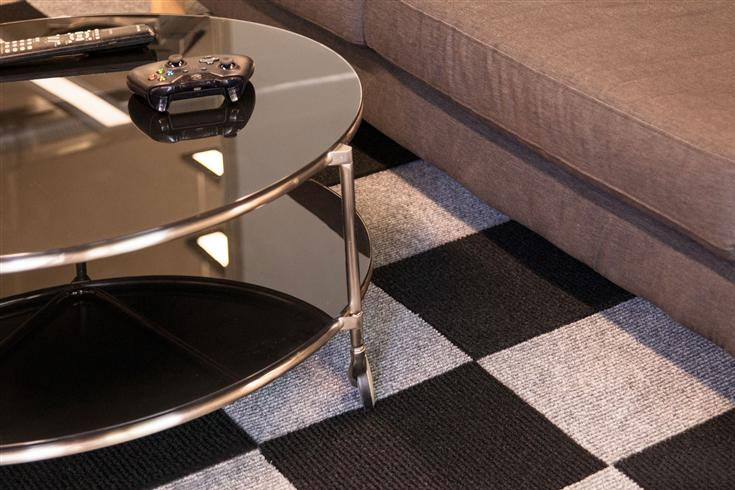
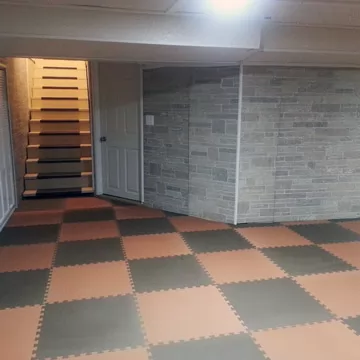
The variety of colors and patterns available really surprised me. I went with a classic black and gray checkerboard pattern that looks sleek and hides dirt well. Some manufacturers offer wood-grain patterns, solid colors, or even custom designs if you’re feeling adventurous. The modular nature means I can easily replace individual tiles if they get damaged, which has already proven useful when my son dropped a weight on one tile.
Rolled Rubber Flooring for Large Open Spaces
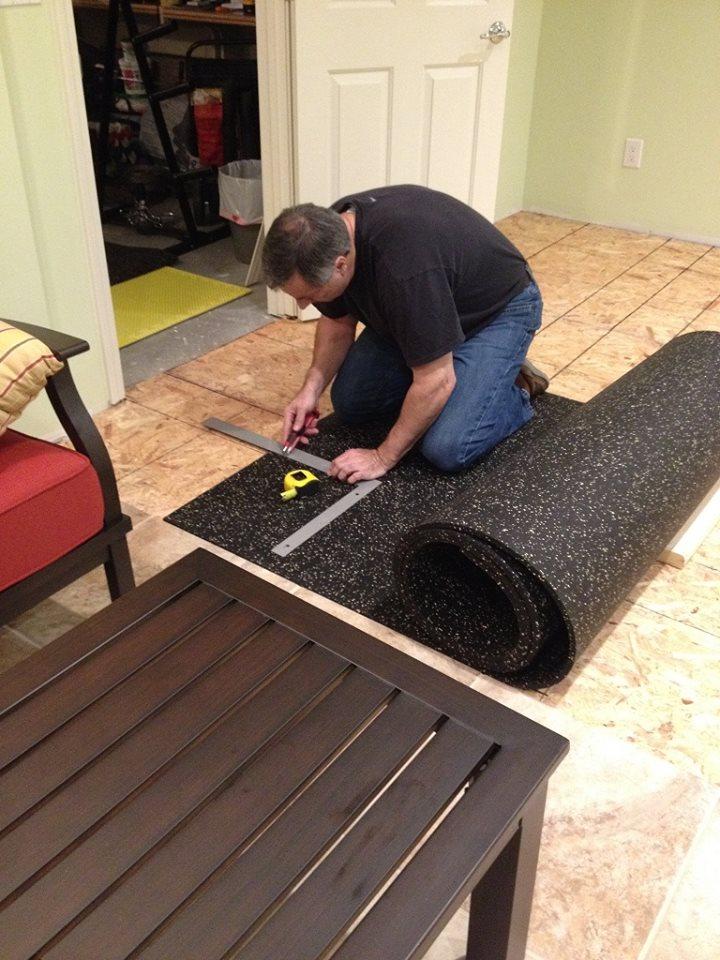
After seeing how well the tiles worked in my gym area, I decided to use rolled rubber flooring for the main recreation area of my basement. This seamless option creates a smooth, continuous surface that’s perfect for kids playing and adults entertaining. The installation was more challenging than tiles, but the professional look was worth the extra effort and cost.
I chose a 6mm thick rolled rubber in a neutral charcoal gray that complements my basement’s lighting and furniture. The seamless surface makes cleaning incredibly easy, which is essential with kids tracking in dirt from outside. Spills wipe up instantly, and I can even use a mop for deeper cleaning without worrying about water seeping between seams like with other flooring types.
The acoustic benefits of rolled rubber flooring really became apparent after installation. My basement sits directly under our main living areas, and the rubber significantly reduces noise transmission upstairs. When the kids are playing video games or watching movies, we barely hear them from the floor above. This sound-dampening quality made the investment worthwhile for family harmony alone.
Rubber Sports Flooring for Active Families
Creating a dedicated sports area in my basement using specialized rubber sports flooring was one of my best decisions. I installed a basketball half-court using interlocking sports tiles with proper shock absorption and traction patterns. The surface provides the right amount of grip for safe play while still allowing for smooth movement and ball bounce.
The sports flooring I chose has raised circular patterns that provide excellent traction without being too aggressive on bare feet or when kids inevitably slide around in socks. I’ve watched my children and their friends play for hours without any slips or falls, even during intense games. The surface also works great for other activities like yoga, stretching, or dance workouts.
What really impressed me was the durability of sports-specific rubber flooring. After two years of constant use by active teenagers, the surface still looks and performs like new. The colors haven’t faded despite being near basement windows, and the texture remains consistent across the entire surface. I even use it for hosting parties because it creates such a fun, energetic atmosphere that gets everyone involved in games.

Decorative Rubber Options That Look Amazing
I was skeptical about decorative rubber flooring options at first, thinking they might look cheap or fake. However, the wood-grain and stone-look rubber tiles I installed in my basement office area completely changed my perspective. The realistic textures and colors are so convincing that guests often ask what type of hardwood I used before discovering it’s actually rubber.
The decorative rubber planks I chose mimic reclaimed barn wood perfectly, complete with realistic grain patterns and color variations. Each plank is slightly different, just like real wood, but with all the practical benefits of rubber. The surface stays warm underfoot even during cold winter months, unlike the concrete floor it replaced. Installation was straightforward using the click-lock system.
These decorative options cost more than basic rubber flooring, but the aesthetic payoff makes it worthwhile for areas where appearance matters most. I used them in my basement reading nook and home office, creating spaces that feel just as refined as any upstairs room. The combination of beautiful appearance and practical durability gives me the best of both aspects without compromise.

Maintenance and Care Tips I’ve Learned
Maintaining rubber basement flooring has been surprisingly simple, but I’ve learned some important tricks over the years. Regular sweeping or vacuuming is essential because small debris can get ground into the textured surface over time. I use a stiff-bristled broom or vacuum with a beater bar to really pull out embedded dirt and dust from the surface patterns.
For deeper cleaning, I mix warm water with a pH-neutral cleaner specifically designed for rubber flooring. Standard household cleaners can break down rubber over time, so investing in the right products is crucial for longevity. I mop the entire basement floor monthly and spot-clean spills immediately. The rubber surface dries quickly, so moisture isn’t a concern like it would be with other flooring materials.
One maintenance surprise was learning about rubber’s sensitivity to certain chemicals. I discovered that petroleum-based products, like some furniture polishes or oil-based paints, can stain or damage rubber permanently. Now I’m careful about what products I use in the basement and always test any new cleaners in an inconspicuous area first. This simple precaution has kept my floors looking great for years.
Cost Considerations and Budget Planning
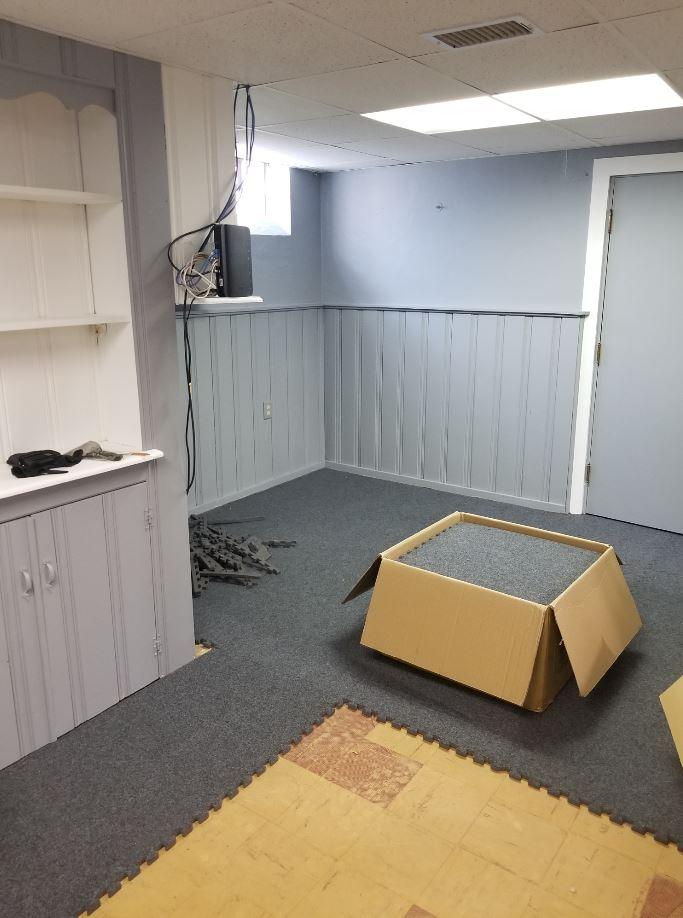
Rubber flooring for my basement was more affordable than I initially expected, especially considering the long-term durability and low maintenance requirements. Basic interlocking tiles started around $2 per square foot, while premium decorative options reached $8 per square foot. I mixed different types throughout the basement to balance cost with aesthetics where it mattered most.
Installation costs varied significantly depending on the type of rubber flooring I chose. The interlocking tiles were completely DIY-friendly, saving me hundreds in labor costs. However, the rolled rubber flooring required professional installation, adding about $3 per square foot to the total cost. I found that getting multiple quotes helped me negotiate better prices and understand what was included in each estimate.
When budgeting for rubber basement flooring, I learned to factor in additional costs like subfloor preparation, transition strips, and proper underlayment where needed. These extras added about 20% to my material costs but were essential for a professional-looking result. I also bought extra tiles and kept some rolled rubber remnants for future repairs, which proved wise when I needed to replace a section damaged by a small flood.

How does rubber basement flooring handle moisture and potential flooding?
My rubber floors have handled several minor water incidents beautifully. Unlike hardwood or carpet, rubber doesn’t absorb water, so spills and small floods wipe up easily. I did experience a small basement flood last spring, and the rubber flooring dried completely with just fans and dehumidifiers. No warping, staining, or mold issues at all.
Is rubber flooring comfortable enough for kids to play on directly?
Absolutely! My kids spend hours playing on the rubber floors, and they’re much more comfortable than concrete or tile. The cushioning effect reduces fatigue during long play sessions, and falls are less painful than on hard surfaces. I chose thicker rubber in play areas for extra comfort and safety.

Does rubber flooring have a strong odor that lingers?
Quality rubber flooring has minimal odor that disappears quickly. I was concerned about this initially, but after a few days of ventilation, there was no detectable smell. Cheap rubber products might have stronger odors, so I recommend buying from reputable manufacturers and allowing proper ventilation during installation.
How long can I expect rubber basement flooring to last?
Based on my three years of experience and manufacturer warranties, quality rubber flooring should last 15-20 years in residential basements. The high-traffic areas in my basement still look nearly new despite constant use by active teenagers. The key is choosing an appropriate thickness for your intended use and maintaining it properly.
Can I install rubber flooring over my existing basement concrete?
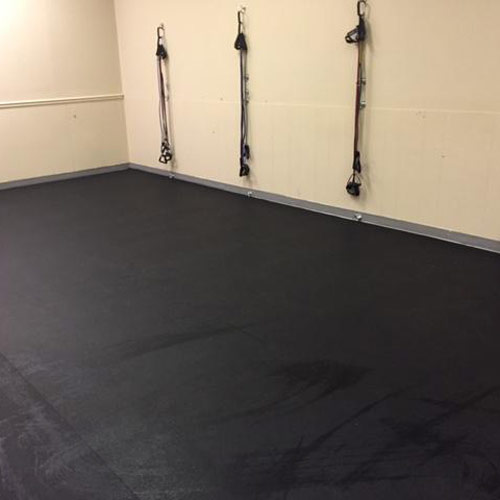
Yes, and that’s exactly what I did! Rubber flooring works great over concrete as long as the surface is clean, level, and dry. I did minimal prep work, just cleaning and checking for major cracks or unevenness. Some types require underlayment, but many rubber options can go directly over concrete.
Is rubber flooring worth the investment compared to other basement options?
For my family’s needs, rubber was definitely the right choice. The combination of durability, comfort, easy maintenance, and moisture resistance made it perfect for basement use. While the upfront cost was higher than basic carpet, the long-term value and performance have been excellent. I’d choose rubber again without hesitation.

Rubber-Cal Eco-Sport 3/4 in. x 19.5 in. x 19.5 in. Blue
Basement Flooring Long Island – Infinity Epoxy Floors Best Epoxy

Carpet Tiles for Basement Installation Carpet tiles for basement

Budget Basement Flooring Ideas
Rubber Flooring for Basements Will Breathe New Life into Any Cellar
Related Posts: