After renovating three homes in the last decade, I’ve discovered that selecting the correct flooring can make or break your interior design. When I first saw slate tile flooring, I was doubtful of its usefulness. However, after putting it in my kitchen and bathroom two years ago, I am convinced that it was one of my best home renovation selections. This natural stone flooring provides distinct advantages that synthetic materials cannot match.
Understanding Slate’s Natural Beauty and Characteristics
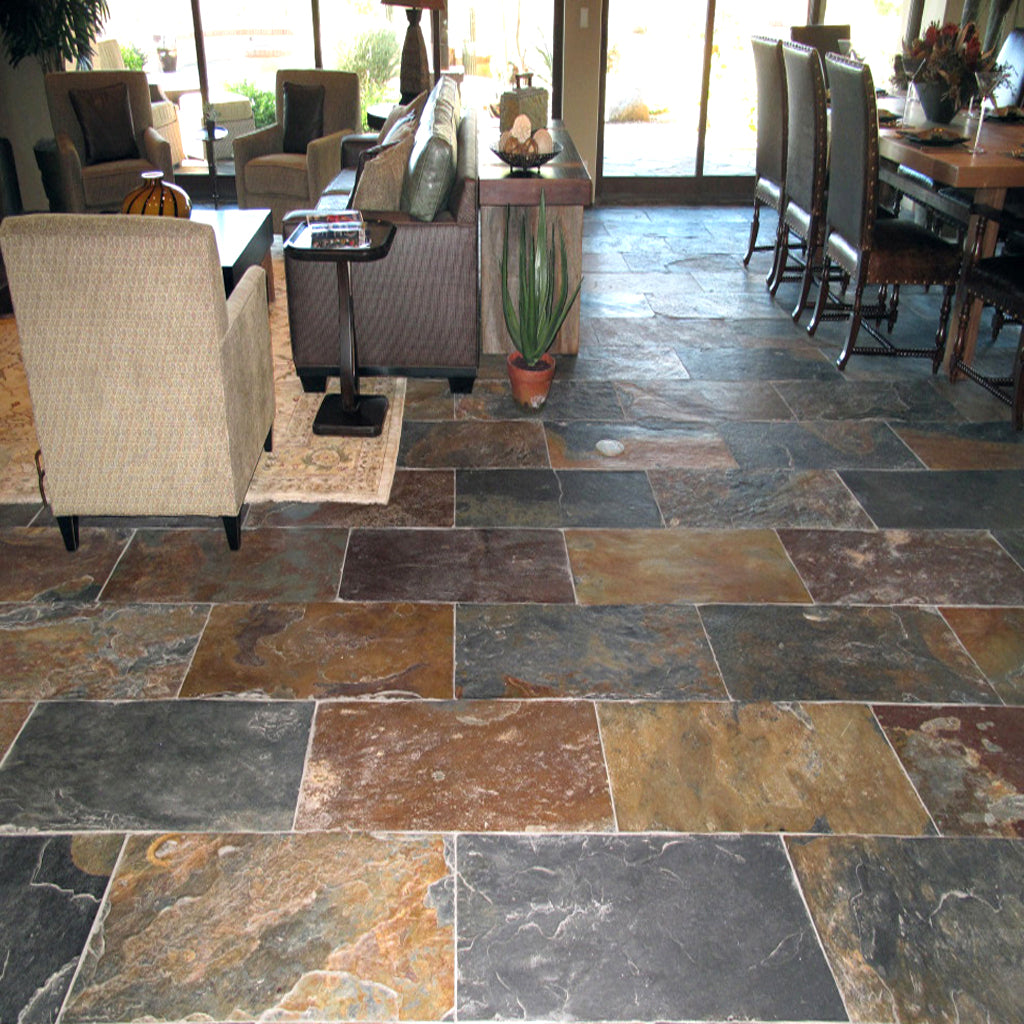
I recall coming into my first slate showroom and being astounded by the number of hues available. From deep charcoals to warm rust tones, each tile presented a unique geological story. The natural cleft surface roughness initially drew my attention, providing a rustic charm that felt genuine in my hands. Unlike manufactured tiles, no two slate pieces are identical, which adds visual interest and keeps me uncovering new patterns even after two years of daily use.
Every time I look closely at my flooring, I am fascinated by the formation process of slate. This metamorphic rock forms over millions of years under extreme heat and pressure, resulting in the layered structure I see in my tiles. The mineral makeup varies with location, which explains why Welsh slate differs significantly from Vermont slate. I chose Indian slate for my project since it is inexpensive and has amazing color variations that fit my home’s decor well.
The density and weight of slate startled me the most when compared to ceramic options. Each tile feels real, as if you’re clutching a piece of ancient history. Because of the natural split surface, some thickness variation is to be expected, which I learnt to embrace rather than fight. This quality contributes to the organic feel of my floors, which is impossible to imitate with synthetic materials.
Installation Challenges I Met and Overcame
My slate installation experience began with substantial underfloor preparation, which I had underestimated. The original vinyl flooring had to be fully removed, and I identified several locations where the subfloor needed to be reinforced to support the weight of the slate. I spent the whole weekend making sure the surface was precisely level, as even tiny differences would be accentuated once the heavier tiles were laid. This preparation process instilled in me patience and attention to detail.
Cutting slate proved to be more difficult than I had imagined, necessitating the rental of specialized diamond-bladed tools. The dust generated while cutting was enormous, demanding adequate ventilation and protective equipment throughout the procedure. I learned how to score and snap tiny pieces, but larger cuts required a wet saw to avoid chipping. My advise is to measure twice and cut once because slate does not forgive mistakes as quickly as softer materials do.
The grouting procedure necessitated careful color selection to complement the slate’s natural differences. I used a darker grout to reduce stain visibility and create distinct lines between tiles. Sealing the grout soon after curing proved critical, as I learnt from a minor wine spill at my first dinner gathering. The cleanup reminded me of how important good sealing practices are for natural stone constructions.

Daily Maintenance Routines to Keep My Floors Perfect
My daily slate care practice is surprisingly straightforward, in contrast to popular belief about natural stone. Every morning, I sweep with a soft-bristled brush to eliminate material that may harm the surface over time. A moist mop with pH-neutral cleaner twice a week keeps the tiles appearing clean without harming the original stone. I entirely avoid acidic cleaners because they can etch the surface and cause irreversible damage, as I have observed in other homes.
Spill cleanup became second nature after I understood slate’s porous properties. Instead of wiping, I instantly blot liquids to prevent stains from spreading deeper into the stone’s surface. Red wine, coffee, and oil require immediate care, but with adequate sealing, most spills are readily cleaned up. I keep microfiber cloths ready in both the kitchen and bathroom rooms where my slate is installed, making quick cleanup a breeze during busy mornings or hosting visitors.
My quarterly seasonal deep cleaning consists of a thorough mopping with stone-specific cleaner, followed by resealing high-traffic areas. I learnt to identify whether resealing is required by dropping little water beads on the surface and timing absorption rates. If water soaks in within fifteen minutes, it’s time for a new sealant. This maintenance expenditure protects my flooring investment and preserves its natural beauty for years to come.

Cost Analysis: Investment Versus Long-Term Value
When I originally looked into slate flooring, the upfront cost appeared high compared to ceramic or vinyl choices. However, breaking out the long-term value proposition radically transformed my perspective. The material cost for my 400-square-foot installation was around $8 per square foot for mid-grade Indian slate, plus an additional $3 per square foot for expert installation. This $4,400 initial outlay put a burden on my renovation budget, but it paid off in the long run.
Comparing lifespan expenses reveals slate’s genuine value proposition over a ten-year ownership period. My last home’s ceramic tiles had to be replaced after five years due to cracking and wear, which cost over $2,000 in materials and labor. My slate floors still look great after two years of minimum upkeep. The durability element alone justifies the cost, especially since well maintained slate can last for decades without needing to be replaced.
During a recent property appraisal for refinancing, I was astonished by the impact on resale values. The appraiser identified the slate flooring as a premium feature that increased the value of my home by approximately $3,500. This return on investment, combined with the daily delight and fewer maintenance headaches, reinforced my decision to go with natural stone over cheaper alternatives. Natural stone flooring is routinely rated as a desirable feature by future buyers when making house purchasing selections.

Common Problems and My Solutions
Water damage worries initially concerned me, particularly around my kitchen sink area, where splashing occurs frequently. I observed that appropriate sealing every 12-18 months reduces the majority of moisture-related difficulties that occur with natural stone installations. When I detected little discoloration near the dishwasher, a fast reseal fixed the problem before permanent staining developed. Understanding slate’s porous nature enabled me to adopt proactive maintenance routines rather than reactive damage control procedures.
Scratching from furniture movement taught me important lessons regarding preventive measures early on in my slate experience. When heavy appliances and furniture legs are dragged carelessly across a surface, they can leave permanent traces. I purchased furniture pads and learnt safe lifting techniques for moving furniture when cleaning or renovating. These easy steps prevent damage that might require professional repair or tile replacement in the future.
Temperature variations in my bathroom caused slight cracking, which I originally fretted about. However, research has shown that this is normal expansion and contraction behavior for natural stone. Most hairline fractures are cosmetic rather than structural in nature. I learned to look for larger cracks that could signal subfloor instability, but ordinary thermal expansion lines lend character to my floors rather than detracting from their overall appearance.

Design Ideas That Transformed My Spaces
When I was designing plans for several rooms in my house, I was impressed by how versatile slate is. In the kitchen, I used larger 12-inch tiles with minimal grout lines to get a clean, modern look that complements my stainless steel appliances. The bathroom installation included smaller 6-inch tiles with contrasting grout to create visual texture and improve slip resistance in wet areas. Each room’s design approach emphasized slate’s natural qualities while also serving utilitarian purposes.
Color coordinating became an exciting creative process after I saw how slate’s inherent variances may complement my current decor. My kitchen slate’s soft gray tones perfectly complement the cherry cabinets, which I had previously struggled to match with other flooring selections. In the bathroom, cooler blue-gray slate produces a spa-like atmosphere that enhances morning routines. These color associations emerged naturally rather than through forced design decisions.
Pattern options opened up new design possibilities that I hadn’t explored with homogeneous manufactured tiles. I tried herringbone patterns in the entryway and running bond arrangements in larger places to add visual interest without overwhelming the space. Even simple patterns appear sophisticated and distinct thanks to the inherent variety in each tile. This versatility allows for personal expression while keeping the classic beauty that ensures slate installations mature elegantly over time.

How long does slate tile flooring usually endure in residential applications?
With proper construction and maintenance, slate flooring can last 50-100 years or more. I’ve seen original slate floors in century-old homes that are absolutely stunning today. The trick is to use a quality sealer every 1-2 years and avoid strong chemicals that can damage the stone’s surface. Unlike synthetic materials that wear out or go out of style, slate develops a lovely patina over time, which improves its appearance and character.
Is slate flooring appropriate for high-moisture environments such as bathrooms and kitchens?
Absolutely, however appropriate sealing is required for moisture protection. I’ve had slate in my bathroom for two years and there have been no water damage issues. The natural texture is highly slip resistant when wet, making it safer than polished tiles. In high-moisture regions, resealing every 12-18 months helps to avoid water penetration and stains. To increase safety in rainy situations, choose rough slate over smooth slate.
What is a realistic budget for slate tile installation per square foot?
Materials might cost between $8 and $15 per square foot, depending on the quality and provenance of the slate. Professional installation normally costs an additional $3-5 per square foot. My project cost an average of $11 per square foot, which included materials, labor, and sealer. Higher-end Vermont or Welsh slate might cost more than $20 per square foot, although Indian slate provides exceptional value. Consider long-term durability when comparing costs to other solutions.
Can I install slate tile flooring myself, or should I call a professional?
While DIY installation is possible, professional installation yields the greatest results. Slate’s weight necessitates proper subfloor preparation and specific cutting tools. I tackled some parts myself, but after discovering the complexity of the installation, I recruited professionals. The investment in professional installation pays off in terms of right technique, warranty coverage, and avoiding costly mistakes that could harm pricey items.
How can I select the appropriate slate color and finish for my home’s style?
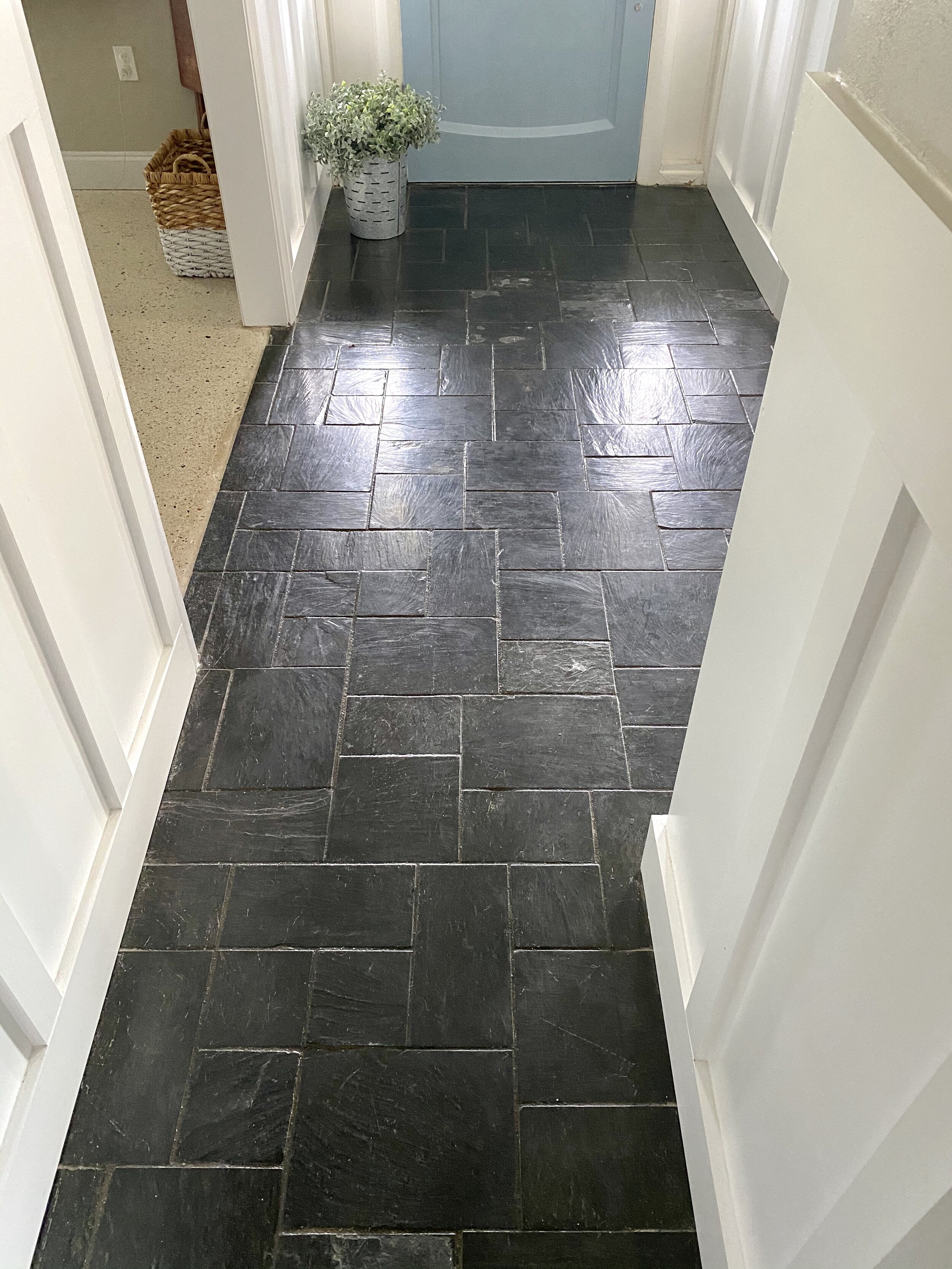
When choosing slate hues, keep in mind your current décor and lighting scheme. Warm gray tones suit my cherry cabinets, although cooler colors look better with modern stainless steel appliances. Natural cleft surfaces add rustic character, whilst honed finishes give a smoother, more formal appearance. Visit showrooms to examine actual tiles in various lighting conditions, as colors can fluctuate dramatically between samples and installed flooring.
What are the most common maintenance mistakes individuals make with slate floors?
The most typical mistake is to use acidic cleansers such as vinegar or lemon-based chemicals, which can permanently etch and ruin the slate’s surface. I learned my lesson early and now only use pH-neutral stone cleansers. Another common mistake that causes discoloration and water damage is failing to seal regularly. Furthermore, many people do not clear accidents quickly enough, causing liquids to permeate the stone and leave lasting stains that require professional restoration.
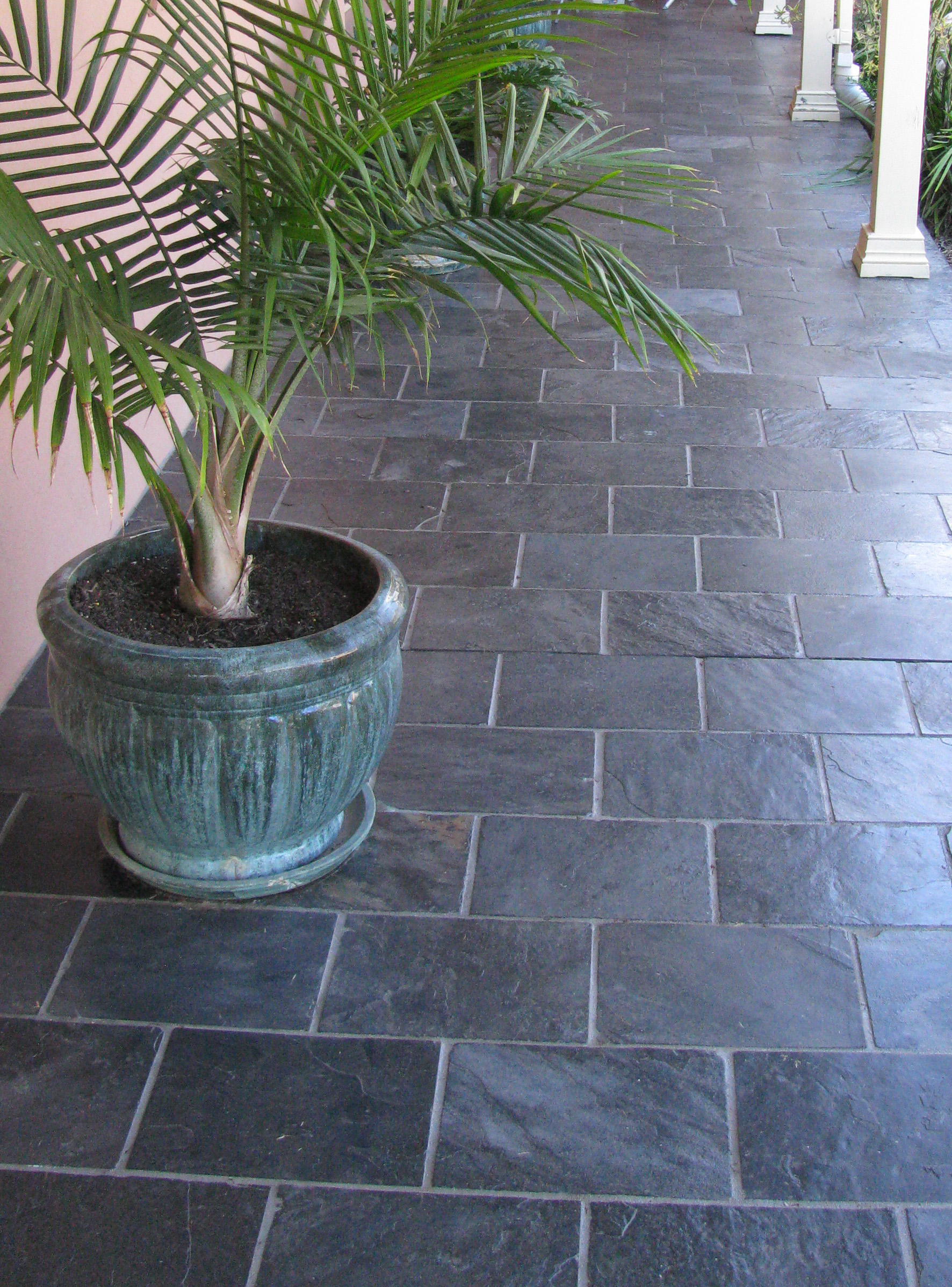
Montauk Gau 24″ x 24″ Slate Stone Look Wall & Floor Tile
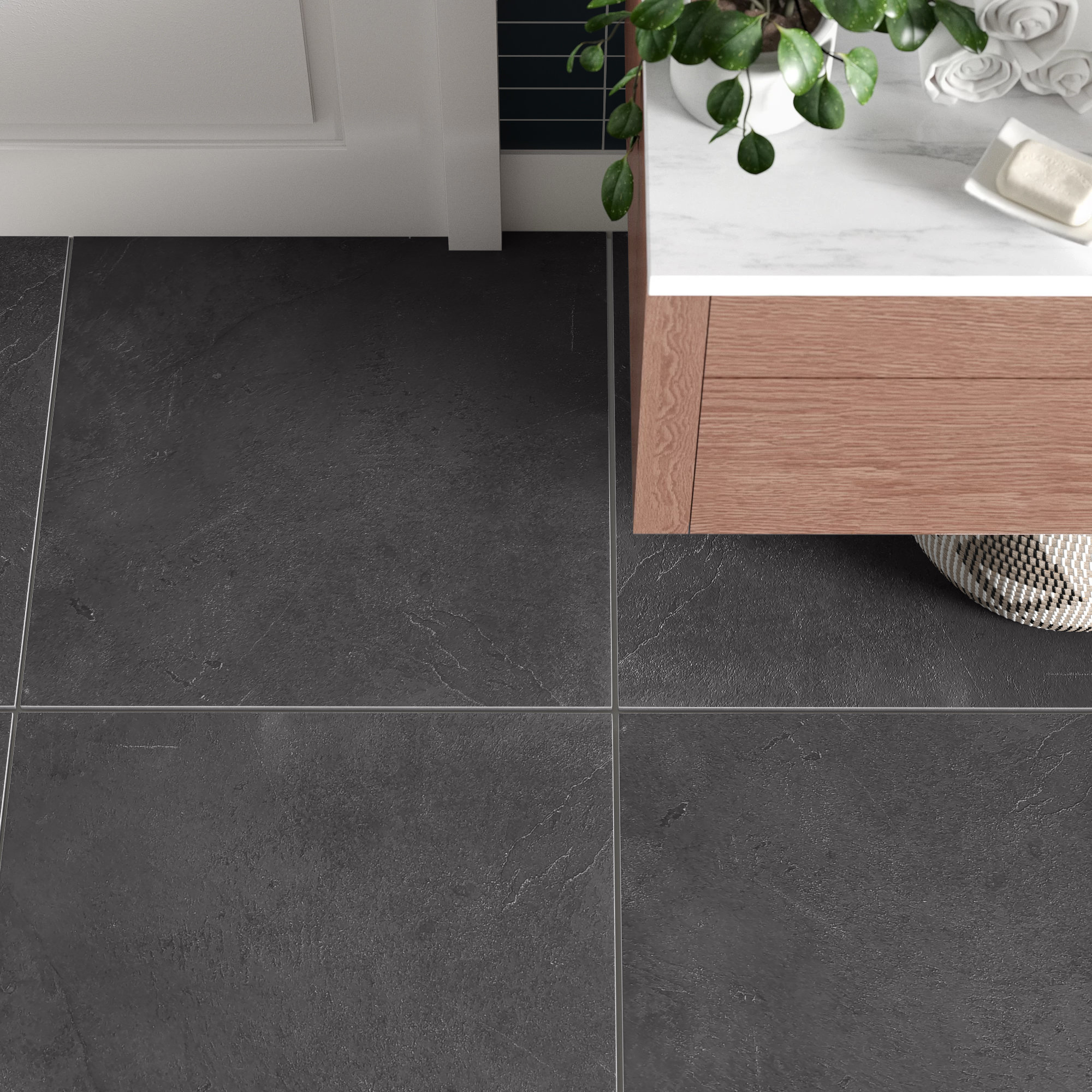
6 in. x 24 in. Gauged Slate Floor and Wall Tile
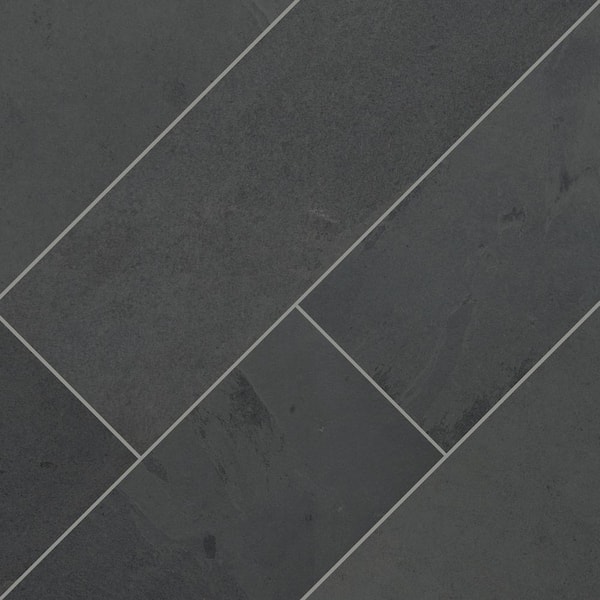
Ways to Get the Slate Tile Look You Crave
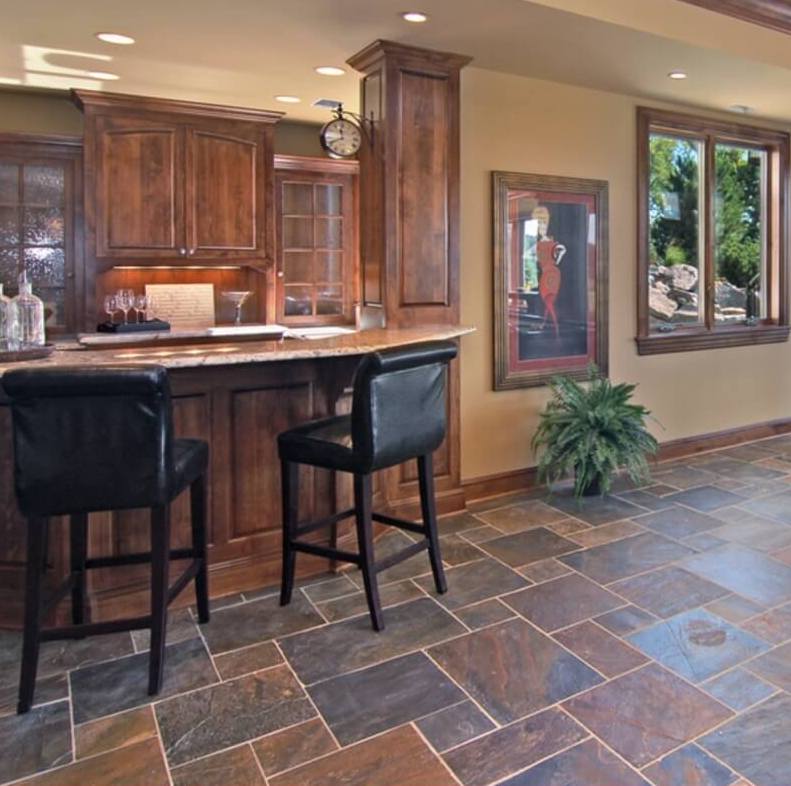
Best and Stylish way to use natural slate tile in your home

Related Posts: