Lately, as I’ve been envisioning a bathroom renovation, the idea of using travertine for the flooring has captured my imagination. There’s something so inherently luxurious and natural about this stone. It brings a sense of warmth and texture that I find incredibly appealing, and I can picture it creating a spa-like atmosphere in my bathroom. As I’ve explored different ways to incorporate travertine, I’ve come across a wealth of inspiring ideas. Let me share some of the possibilities that have me most excited about using travertine for my bathroom flooring.
Embracing Natural Elegance
For me, the primary draw of travertine is its natural beauty. The unique patterns and variations in color, from creamy beiges to warm ivories and rich browns, give each tile a distinct character. I appreciate how these natural variations create a sense of depth and visual interest on the floor, making it feel organic and sophisticated at the same time. It’s a material that seems to connect the indoors with the outdoors, bringing a touch of the earth into the bathroom space.
The subtle texture of travertine also adds to its elegance. The small pits and pores, which are a natural characteristic of the stone, provide a tactile element underfoot. While some might prefer a completely smooth surface, I find this slight texture adds to the stone’s authenticity and can even provide a bit of natural slip resistance, which is certainly a consideration in a bathroom environment. This inherent texture contributes to the overall sensory experience of the flooring, making it feel both luxurious and grounded.
I envision the natural tones of travertine creating a serene and calming atmosphere in my bathroom. The soft, warm hues can provide a beautiful backdrop for other natural materials like wood and stone, as well as complement a variety of fixture finishes, from classic chrome to more contemporary brushed brass. This inherent elegance of travertine, with its unique patterns and subtle textures, is what makes it such an appealing choice for creating a refined and inviting bathroom space.
Exploring Different Tile Sizes and Patterns
One of the exciting aspects of considering travertine for my bathroom flooring is the variety of tile sizes and patterns available. From large format tiles that can create a sense of spaciousness to smaller mosaic tiles that add intricate detail, the possibilities for design are quite diverse. I’ve been particularly drawn to the idea of using larger rectangular tiles laid in a running bond pattern, which I think would give my bathroom a clean and contemporary feel while still showcasing the natural beauty of the stone.
Another pattern that has caught my eye is the French pattern, which uses a combination of different-sized rectangular and square tiles. This pattern creates a more traditional and visually dynamic look, adding a sense of old-world charm. I can imagine this working beautifully in a larger bathroom, creating a floor that is both elegant and full of character. The varying sizes of the tiles also help to highlight the natural variations within the travertine itself.
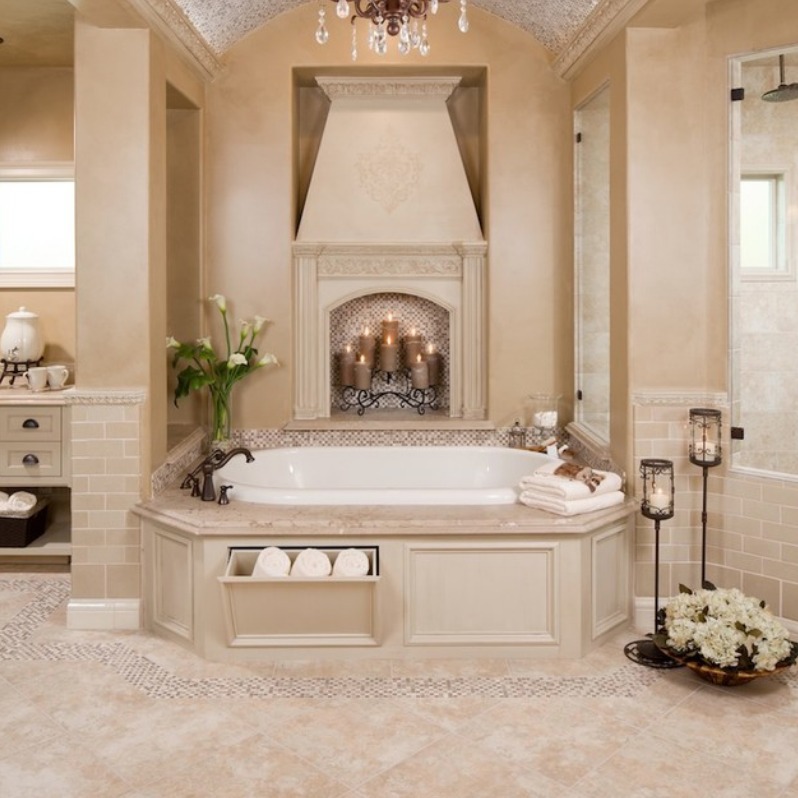
For smaller bathroom spaces or as an accent, I’ve also considered using travertine mosaic tiles. These can be incorporated into a shower floor for added slip resistance or as a decorative border around the main floor. The intricate patterns that can be created with mosaic tiles can add a touch of artistry and detail to the overall design. The versatility in tile sizes and patterns allows me to tailor the look of my travertine bathroom floor to perfectly suit the dimensions and style of my space.
Creating a Spa-Like Ambiance
My ultimate goal for my bathroom renovation is to create a space that feels like a personal sanctuary, a place where I can relax and unwind. I believe that travertine flooring can play a significant role in achieving this spa-like ambiance. The natural warmth and subtle texture of the stone contribute to a feeling of tranquility and connection to the earth. I can picture stepping onto the cool yet subtly textured travertine floor after a shower, feeling a sense of calm and comfort.
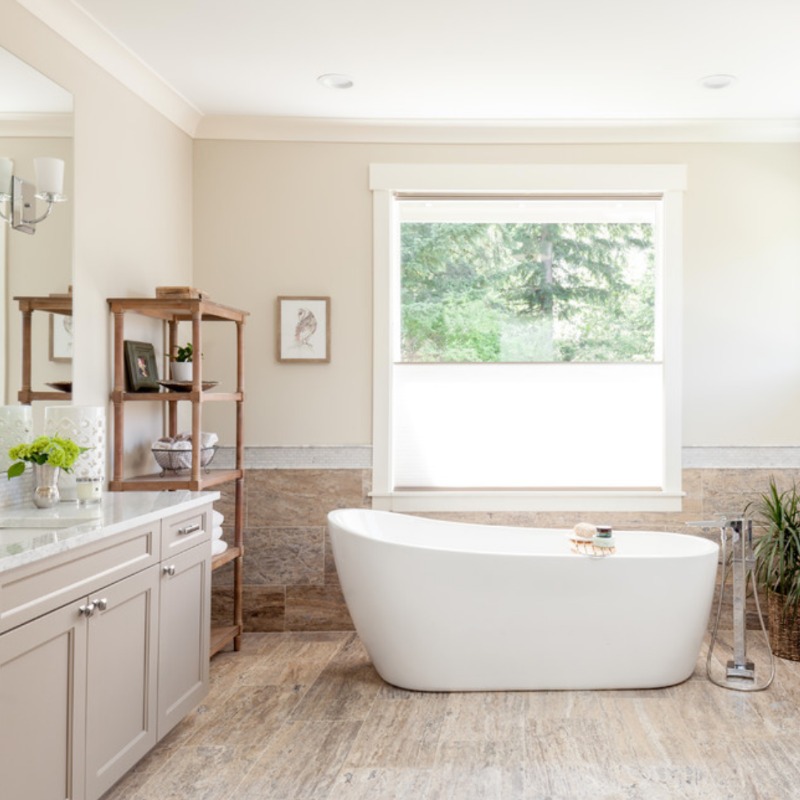
To further enhance this spa-like feel, I’m considering pairing the travertine flooring with other natural elements, such as a wooden vanity or stone countertops. The combination of these materials can create a harmonious and organic atmosphere. I also plan to incorporate soft lighting and natural accents like plants to complete the serene environment. The flooring will serve as a beautiful and grounding foundation for this relaxing space.
The neutral tones of travertine also lend themselves well to creating a calming color palette. I’m envisioning using soft whites, creams, and muted greens or blues for the walls and accessories, allowing the natural beauty of the travertine floor to take center stage. The overall effect would be a bathroom that feels both luxurious and peaceful, a true retreat within my home. The inherent qualities of travertine make it an ideal choice for achieving this desired spa-like atmosphere.
Incorporating Heated Floors for Added Comfort
One element that I’m seriously considering adding to my travertine bathroom floor is radiant heating. Given that stone can sometimes feel cool underfoot, especially during colder months, the idea of having warm floors is incredibly appealing. Imagine stepping onto a gently heated travertine floor on a chilly morning – it would add an extra layer of comfort and luxury to the bathroom experience.
Radiant floor heating systems are installed beneath the flooring surface, providing consistent and even warmth throughout the room. This not only feels wonderful but can also be more energy-efficient than traditional heating methods. I like the idea of the warmth emanating from the floor, creating a cozy and inviting atmosphere in the bathroom.
Because travertine is a natural stone, it conducts heat very well, making it an excellent choice for use with radiant floor heating systems. The warmth will be distributed evenly across the tiles, providing a comfortable and luxurious feel underfoot. This combination of the natural beauty of travertine and the added comfort of heated floors would truly elevate my bathroom to a spa-like level. It’s an investment in comfort that I believe would be well worth it.

Sealing and Maintaining Travertine Flooring
While travertine is a beautiful and durable material, I understand that it does require proper sealing and regular maintenance to keep it looking its best. Being a porous stone, travertine is susceptible to staining and water damage if not properly sealed. Therefore, one of the first and most important steps after installation would be to apply a high-quality penetrating sealer. This sealer will help to protect the stone from absorbing liquids and make it easier to clean.
Regular cleaning is also essential for maintaining the beauty of travertine floors. I plan to sweep or vacuum regularly to remove any loose dirt or debris that could scratch the surface. For mopping, I’ve learned that it’s best to use a pH-neutral cleaner specifically designed for natural stone. Harsh chemicals or abrasive cleaners should be avoided as they can damage the stone’s surface. It’s also important to wipe up any spills immediately to prevent staining.
Depending on the amount of use, the sealer on travertine floors may need to be reapplied periodically, typically every one to two years. This helps to ensure ongoing protection against stains and water damage. With proper sealing and consistent, gentle cleaning, I’m confident that my travertine bathroom floor will retain its beauty and elegance for many years to come. The maintenance seems manageable and a worthwhile effort for such a stunning natural material.
Long-Term Value and Timeless Appeal
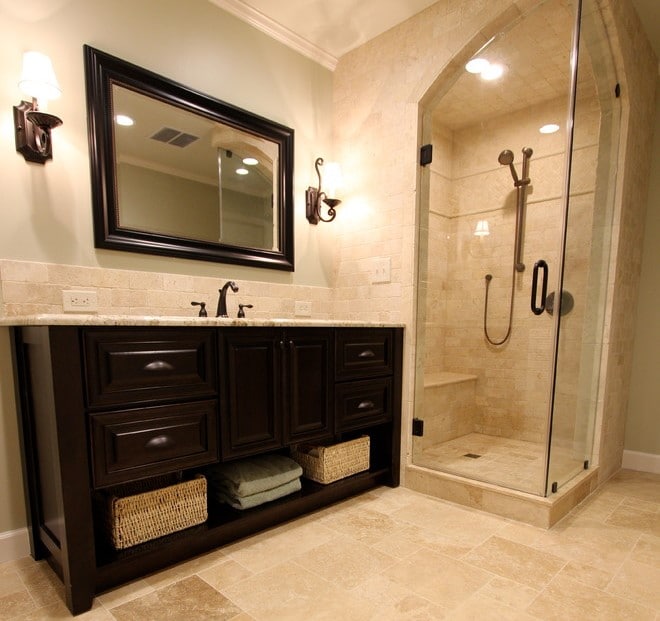
Finally, I’m considering travertine for my bathroom flooring because of its long-term value and timeless appeal. Natural stone has been used in architecture and design for centuries, and it never really goes out of style. Choosing travertine feels like investing in a material that will remain beautiful and relevant for years to come, adding lasting value to my home.
The classic elegance of travertine transcends fleeting trends. Its natural beauty and warm tones create a sense of enduring sophistication that will likely appeal to future homeowners as well. This makes it not just a choice for my personal enjoyment but also a potentially wise investment in the overall value of my property.
I appreciate the idea of having a bathroom floor that is both luxurious and timeless. Travertine, with its natural beauty, durability, and classic appeal, seems to fit this bill perfectly. It’s a material that I believe I will continue to appreciate for many years, and one that will contribute to a beautiful and enduring bathroom space. The long-term value and timeless quality of travertine make it a truly compelling option for my renovation project.

What makes travertine a suitable flooring material for a bathroom environment?
Travertine is a suitable flooring material for a bathroom due to several of its inherent properties. Its natural beauty and warm tones create an inviting and often spa-like atmosphere, which is desirable in a bathroom. While it is a porous stone, when properly sealed, travertine becomes quite water-resistant, making it suitable for a space prone to moisture. Additionally, the natural texture of some travertine tiles can provide a degree of slip resistance, which is an important safety consideration in a bathroom. Its durability also ensures that it can withstand the regular use and potential spills that are common in a bathroom setting, making it a long-lasting flooring choice.
Are there different finishes of travertine tiles available for bathroom flooring, and how do they differ?
Yes, there are different finishes of travertine tiles available for bathroom flooring, each offering a distinct look and feel. Honed travertine has a matte, smooth surface with a low sheen, which is often preferred for its slip resistance and natural appearance. Polished travertine has a high-gloss, reflective surface that enhances the stone’s colors and can create a more formal or luxurious look, though it can be more slippery when wet. Tumbled travertine has a textured, rustic appearance with softened edges and a slightly pitted surface, which provides excellent slip resistance and a more casual feel. The choice of finish will impact both the aesthetic and the functionality of the bathroom floor, particularly in terms of traction and maintenance.

What are some popular design patterns for travertine bathroom flooring that can enhance the space?
Several popular design patterns can enhance a bathroom space when using travertine flooring. A running bond pattern, especially with larger rectangular tiles, can create a clean and contemporary feel while elongating the room. The French pattern, which combines different sizes of rectangular and square tiles, offers a more traditional and visually interesting look with a sense of old-world charm. Herringbone and chevron patterns can add a touch of sophistication and visual movement to the floor. For smaller bathrooms or as accents, mosaic patterns can provide intricate detail and texture, especially in shower floors for added grip. The choice of pattern can significantly influence the overall style and perceived size of the bathroom.
How important is sealing travertine bathroom flooring, and what type of sealer is recommended?
Sealing travertine bathroom flooring is extremely important due to the stone’s porous nature. Without proper sealing, travertine is highly susceptible to staining from water, soap, and other bathroom products, as well as potential water damage. A penetrating sealer, which soaks into the stone and blocks liquids from being absorbed, is generally recommended for travertine bathroom floors. It’s important to choose a high-quality sealer specifically designed for natural stone and to follow the manufacturer’s instructions for application. The frequency of resealing will depend on the amount of use and the type of sealer, but it’s typically recommended every one to two years to maintain optimal protection and the beauty of the travertine.

What are the best practices for cleaning and maintaining travertine bathroom floors to keep them looking their best?
To keep travertine bathroom floors looking their best, regular and gentle cleaning is key. Sweep or vacuum the floor regularly to remove loose dirt and debris that can scratch the surface. For mopping, use a pH-neutral cleaner specifically formulated for natural stone, diluted according to the product instructions. Avoid using harsh chemicals, abrasive cleaners, or acidic substances like vinegar or lemon juice, as these can damage the stone’s surface. 1 Wipe up any spills immediately with a soft cloth to prevent staining. Ensure good ventilation in the bathroom to help moisture evaporate. Periodically resealing the floor as needed will also help to maintain its protection and appearance over time.
Can travertine flooring be used in a shower area, and are there any special considerations?
Yes, travertine flooring can be used in a shower area, but there are special considerations to keep in mind. Due to its porosity, it’s even more crucial to ensure that the travertine in a shower is properly and frequently sealed with a high-quality penetrating sealer to prevent water absorption and staining. Honed or tumbled finishes are generally preferred over polished finishes in a shower as they offer better slip resistance when wet. Regular cleaning is essential to prevent soap scum and mineral buildup, and it may be necessary to use specialized stone cleaners for this purpose. Proper installation with a waterproof membrane beneath the tile is also critical to protect the underlying structure from water damage. With careful sealing, appropriate finish selection, and diligent maintenance, travertine can create a luxurious and natural look in a shower.
Travertine Bathroom Ideas

Travertine Floor Bathroom Ideas You’ll Love
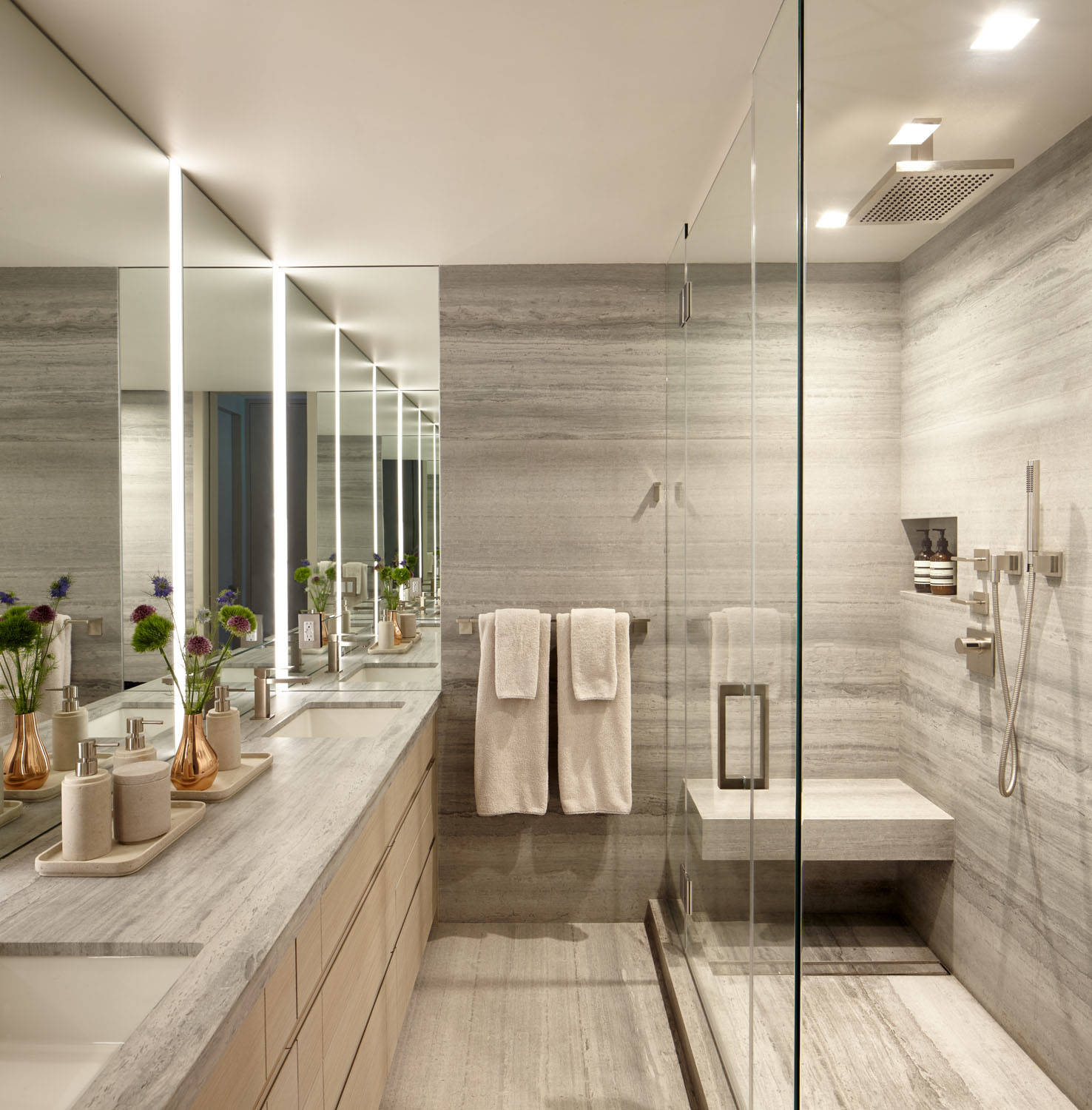
Natural Travertine Bathroom Floors Redefine Luxury
Related Posts: