As I’ve been exploring options for finishing my basement floor, stained concrete has emerged as a particularly interesting choice. Initially, the idea of concrete might have seemed cold and industrial, but the more I’ve learned about the possibilities of staining, the more I’ve come to appreciate its potential for creating a unique and stylish look. It seems like a durable and relatively low-maintenance solution that can also be surprisingly versatile in terms of design. Let me share some of the aspects that have made stained concrete such a compelling option for my basement.
The Unique Aesthetic Appeal
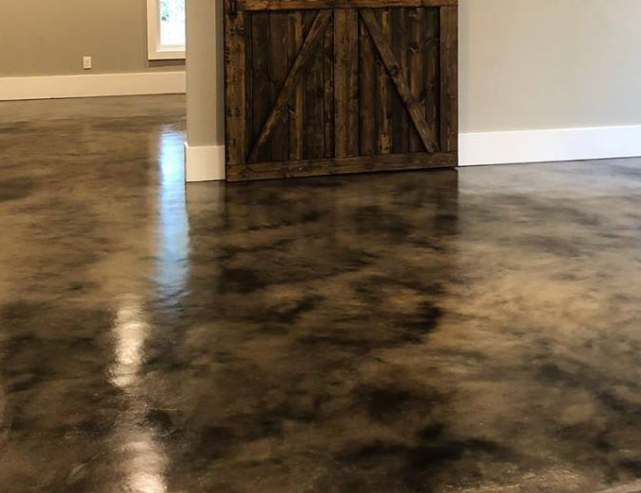
For me, one of the most attractive qualities of stained concrete is the individuality it offers. Unlike more uniform flooring options, stained concrete results in a floor with natural variations in color and pattern. The way the stain reacts with the existing concrete creates a one-of-a-kind look, full of subtle nuances and character. I find this inherent uniqueness to be a significant advantage, as it means my basement floor won’t look like anyone else’s. It has the potential to become a real feature of the space, adding a touch of organic beauty.
The range of colors and effects that can be achieved with concrete stains is also quite impressive. From earthy tones like browns and tans to cooler grays and even bolder hues, there’s a spectrum of options to suit various design styles. I’m particularly drawn to the idea of using acid-based stains, which penetrate the concrete and create rich, mottled colors with a slightly variegated appearance. These stains react chemically with the minerals in the concrete, resulting in permanent and often unpredictable, yet beautiful, results.
Beyond just color, different application techniques can further customize the look of stained concrete. Techniques like layering stains, using stencils, or creating patterns with saw cuts can add depth and visual interest to the floor. I’ve seen examples of stained concrete that mimic the look of natural stone or even create abstract art. This level of customization appeals to my desire to create a basement space that feels personal and reflects my own style. The possibilities seem quite vast, allowing for a truly bespoke flooring solution.
Durability and Low Maintenance
From a practical standpoint, the inherent durability of concrete is a major selling point for a basement floor. Basements can sometimes be prone to moisture issues and heavy foot traffic, so having a robust flooring material is essential. Concrete, when properly sealed, can withstand a considerable amount of wear and tear. It’s resistant to scratches, stains, and even moisture, making it a very practical choice for a below-ground space. This durability gives me confidence that a stained concrete floor will last for many years without needing frequent repairs or replacement.
Furthermore, the maintenance requirements for stained concrete are relatively minimal. Once sealed, the surface is quite easy to clean. Regular sweeping or vacuuming to remove dust and debris is usually sufficient. For occasional cleaning, a damp mop with a mild, pH-neutral cleaner can be used. Unlike carpet, there are no fibers to trap dirt or allergens, and unlike hardwood, there’s no need for refinishing. This low-maintenance aspect is very appealing to me, as it means I can spend less time worrying about the floors and more time enjoying the finished basement space.
The sealed surface of stained concrete also offers resistance to spills and stains. While it’s always best to clean up spills promptly, the sealant helps to prevent liquids from penetrating the concrete and causing permanent marks. This is particularly important in a basement that might be used for a variety of activities, from a family room to a home gym, where spills are more likely to occur. The combination of durability and easy maintenance makes stained concrete a very practical and long-lasting flooring solution for a basement environment.

Versatility in Design Applications
What I’ve also come to appreciate about stained concrete is its versatility in fitting various design aesthetics. While it can certainly lend itself to an industrial or modern look, the wide range of colors and finishes available means it can also complement more traditional or even rustic styles. For a contemporary feel, polished stained concrete in cool gray tones can create a sleek and minimalist backdrop. For a warmer, more inviting space, earth-toned stains with a matte sealer can work beautifully.
I’ve also seen how stained concrete can seamlessly integrate with other design elements in a basement. Its neutral base allows furniture, rugs, and wall colors to really stand out. The subtle variations in the stain can add depth and texture without overpowering the rest of the decor. This adaptability makes it a great foundation upon which to build the overall look and feel of the basement.
Moreover, stained concrete can be used in conjunction with other flooring materials to define different zones within a large basement space. For example, I could use stained concrete in the main living areas and then incorporate rugs for added warmth and texture in seating areas or use epoxy coatings in a designated workshop space for extra durability. The ability to combine stained concrete with other materials offers even greater design flexibility and allows for a more functional and visually interesting basement layout.
The Process and Considerations
While the results of stained concrete can be beautiful and long-lasting, I understand that the application process requires careful preparation and execution. The existing concrete floor needs to be clean, free of any sealers or coatings, and in good condition. Any cracks or imperfections may need to be addressed before staining. This preparation stage seems crucial for ensuring that the stain adheres properly and the final result is even and consistent.
The application of the stain itself also seems to be a multi-step process that often involves cleaning, applying the stain, allowing it to react, neutralizing the reaction, and then thoroughly rinsing the floor. Depending on the type of stain used (acid-based or water-based), the application techniques and reaction times can vary. It seems like a process that requires attention to detail and adherence to the manufacturer’s instructions.
Finally, sealing the stained concrete is a critical step to protect the color, enhance its durability, and make it easier to clean. There are various types of sealers available, each with different finishes (matte, satin, gloss) and levels of protection. Choosing the right sealer is important for achieving the desired look and ensuring the longevity of the stained concrete floor. Given the intricacies of the process, I’m leaning towards hiring experienced professionals to handle the staining of my basement floor to ensure the best possible outcome.

Cost-Effectiveness in the Long Run
When considering flooring options for my basement, budget is definitely a factor. While the initial cost of stained concrete can vary depending on the size of the space, the complexity of the design, and whether I hire professionals, I’m also considering the long-term cost-effectiveness. Compared to some other flooring materials, like high-end hardwood or intricate tile work, stained concrete can be a more economical choice.
The durability and low maintenance of stained concrete also contribute to its long-term cost savings. I won’t have to worry about replacing carpets due to wear and tear or refinishing hardwood floors. The longevity of a properly sealed stained concrete floor means fewer expenses down the line. This makes it a potentially wise investment for my basement renovation.
Furthermore, the unique and custom look that can be achieved with stained concrete can add value to my home. It’s a distinctive feature that can be quite appealing to potential buyers in the future. Considering both the initial cost and the long-term benefits, stained concrete appears to be a cost-effective and aesthetically pleasing flooring solution for my basement.
Personalizing the Basement Space
Ultimately, my goal for finishing the basement is to create a space that is not only functional but also reflects my personal style and feels like an extension of the rest of my home. Stained concrete offers a fantastic opportunity to personalize the space in a unique and lasting way. The ability to choose colors, patterns, and finishes allows me to tailor the flooring to my specific vision for the basement.
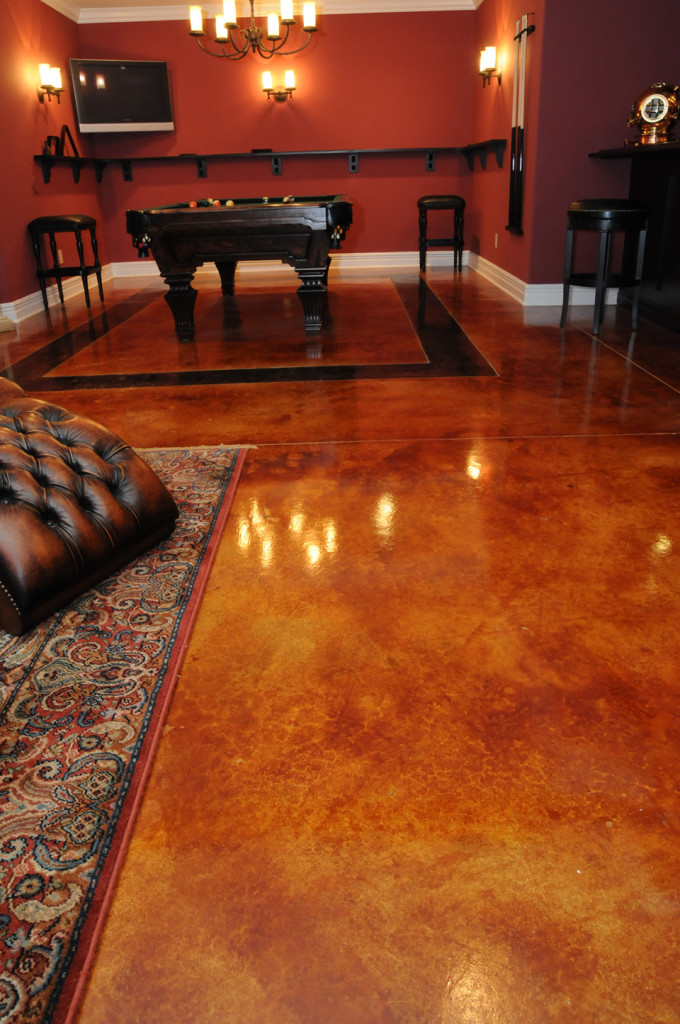
I’m envisioning a warm and inviting space with earth-toned stained concrete, perhaps with some subtle variations in color to add depth and interest. I can then layer rugs in seating areas for added comfort and texture. The stained concrete would provide a durable and stylish foundation for whatever activities take place in the basement, whether it’s a family room, a home office, or a recreation area.
The idea of having a floor that is both beautiful and practical is very appealing. Stained concrete seems to strike that perfect balance, offering a unique aesthetic with the durability and low maintenance that’s ideal for a basement environment. I’m excited about the potential to create a truly personalized and enjoyable space with stained concrete flooring.
Is stained concrete a good option for a basement floor that might experience some moisture?
Yes, stained concrete can be a very good option for a basement floor that might experience some moisture, especially when properly sealed. Concrete itself is a porous material, but when a quality sealer is applied after staining, it becomes much more resistant to water penetration. This helps to prevent moisture from seeping into the concrete and causing issues like mold growth or damage to the flooring. It’s crucial to ensure that the basement has adequate drainage and to address any significant moisture problems before installing stained concrete. However, compared to materials like carpet or hardwood, sealed stained concrete offers superior resistance to moisture in a basement environment.
What is the typical process involved in staining a concrete basement floor?
The typical process for staining a concrete basement floor involves several key steps. First, the existing concrete must be thoroughly cleaned and prepped, which may include removing any existing sealers, coatings, or adhesives, and repairing any cracks or imperfections. Next, the chosen stain is applied according to the manufacturer’s instructions, which can involve multiple coats and specific application techniques depending on the desired look. After the stain has reacted with the concrete for the specified time, it is usually neutralized and the floor is rinsed thoroughly. Finally, once the concrete is completely dry, one or more coats of a high-quality sealer are applied to protect the stain and enhance the floor’s durability and stain resistance. The entire process can take several days depending on the size of the space and the complexity of the design.
How durable is stained concrete for a basement floor that will see regular use?
Stained concrete is known for its excellent durability, making it a great choice for a basement floor that will see regular use. Concrete itself is a very hard and resilient material, and when it’s stained and properly sealed, it becomes resistant to scratches, scuffs, and stains from everyday activities. This durability means that a stained concrete floor can withstand heavy foot traffic and the general wear and tear of a busy basement environment without showing significant damage. With proper maintenance, a stained concrete floor can last for many years, making it a long-lasting flooring solution for a frequently used basement.
What are some of the design options and color choices available for stained concrete basement floors?
Stained concrete offers a wide array of design options and color choices for basement floors. Acid-based stains react chemically with the concrete to create rich, variegated colors in earthy tones like browns, tans, and terra cottas, as well as blues and greens. Water-based stains provide a more consistent color and are available in a broader spectrum of hues. Various application techniques can be used to create different effects, such as layering colors, using stencils for patterns, or creating geometric designs with saw cuts. Sealers are available in different finishes, including matte, satin, and gloss, which can further alter the final appearance. This versatility allows for a high degree of customization to match various design styles, from modern and industrial to rustic and traditional.

Is stained concrete a cost-effective flooring option for a basement compared to other materials?
Stained concrete can be a cost-effective flooring option for a basement, especially when considering its long-term benefits. While the initial cost can vary depending on the size of the basement, the complexity of the design, and whether professional installation is chosen, it often falls within a mid-range price point compared to options like hardwood, tile, or high-quality carpet. The durability and low maintenance of stained concrete can lead to savings over time, as there is no need for frequent replacements or specialized cleaning. Additionally, the unique and custom look can add value to the home. For a large basement space, stained concrete can be a particularly economical choice for achieving a durable and stylish floor.
Are there any specific maintenance requirements for a stained concrete basement floor?
The maintenance requirements for a stained concrete basement floor are generally quite minimal. Regular sweeping or vacuuming to remove dust and debris is important to prevent scratching. For routine cleaning, a damp mop with a mild, pH-neutral cleaner is usually sufficient. It’s important to avoid using harsh chemicals or abrasive cleaners that could damage the sealer. While sealed concrete is stain-resistant, it’s always best to clean up spills promptly to prevent any potential staining. Depending on the type of sealer used and the amount of traffic, the sealer may need to be reapplied every few years to maintain its protective qualities and sheen. Overall, the maintenance of stained concrete is relatively easy, making it a practical choice for a basement floor.
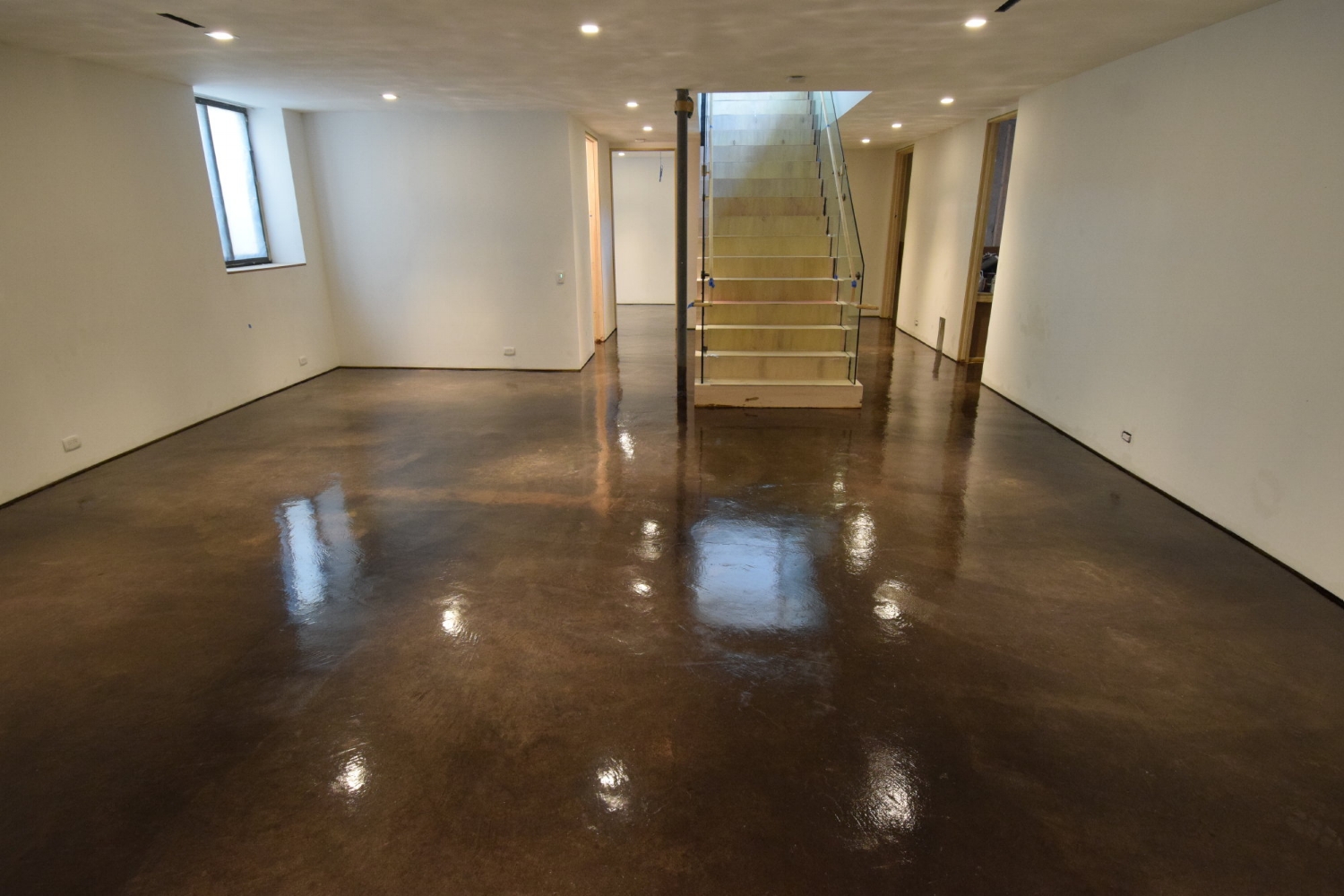
Stained Concrete Basement Floor – Modern – Indianapolis
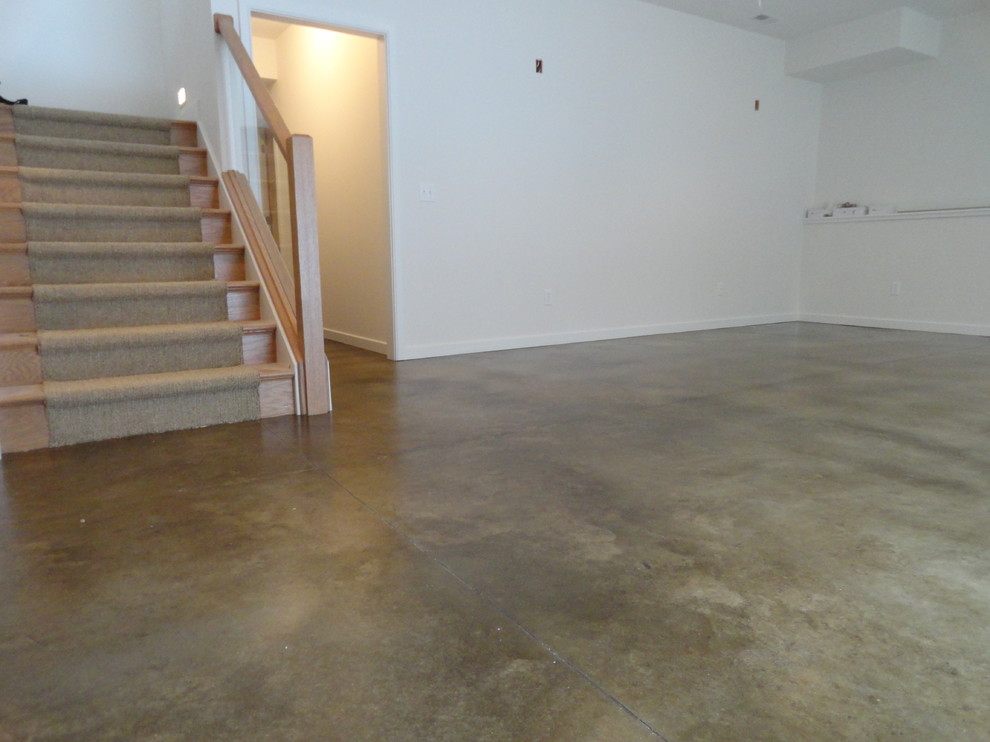
How To Dye Interior Concrete Floors Direct Colors

Acid Stained Basement Floor
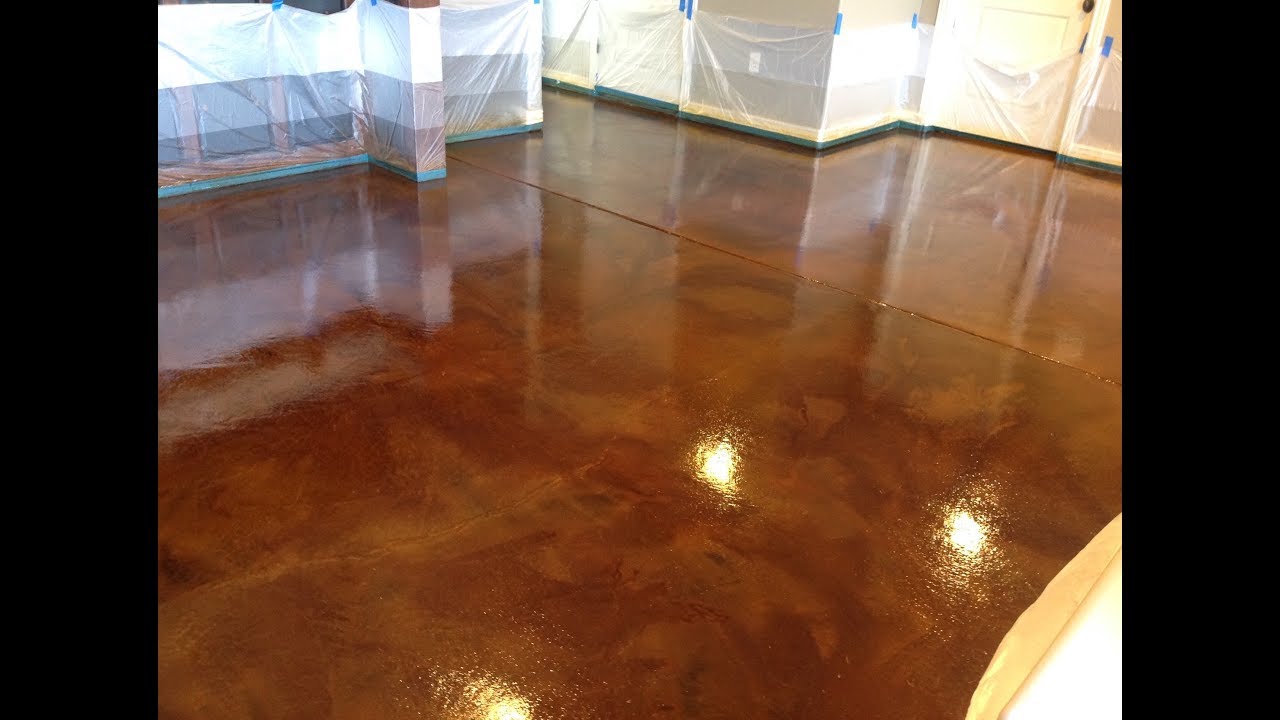
Commercial, Residential, Stained Concrete Flooring
Related Posts: