When it comes to kitchen flooring, durability, style, and ease of maintenance are key. I’ve explored countless options over the years, and vinyl flooring consistently stands out as a top contender. Whether you’re renovating or building from scratch, vinyl offers a winning combination of affordability, resilience, and design flexibility. Let’s break down why this material deserves a spot in your kitchen.
Durability That Handles Kitchen Chaos*
Kitchens are high-traffic zones where spills, dropped utensils, and heavy foot traffic are inevitable. Vinyl flooring is built to withstand this daily wear and tear. Its multi-layer construction includes a tough wear layer that resists scratches, stains, and dents. Unlike hardwood or laminate, vinyl won’t warp from moisture, making it ideal for spaces prone to spills.
I’ve seen vinyl floors in busy kitchens that still look brand new after years of use. The material’s resilience comes from its composition, often blending PVC with fiberglass for added strength. Even if you accidentally drop a pot or drag a chair across the floor, chances are it won’t leave a mark.
Another advantage is its ability to handle temperature changes. Unlike tile, which can feel uncomfortably cold in winter, vinyl maintains a more neutral temperature underfoot. It’s also softer than ceramic or stone, reducing fatigue when standing for long periods while cooking.
Waterproof Protection for a Messy Space
Few things are worse than water damage ruining your kitchen floor. Vinyl flooring, especially luxury vinyl plank (LVP) or tile (LVT), is 100% waterproof. This means spills, leaks, or even a flooded sink won’t seep through and cause structural damage. I’ve had friends with hardwood floors who regretted their choice after a dishwasher leak caused warping.
The waterproof core in quality vinyl flooring prevents moisture from penetrating, making it a safer option than laminate or engineered wood. Even in homes with kids or pets, messy accidents are no match for vinyl. A quick wipe is all it takes to keep the floor looking pristine.
Installation methods also play a role in moisture resistance. Glue-down and click-lock vinyl options create tight seals, leaving no gaps for water to sneak through. If you’re in a humid climate or just prone to kitchen mishaps, vinyl’s waterproof nature is a major selling point.
Style Options to Match Any Kitchen Aesthetic
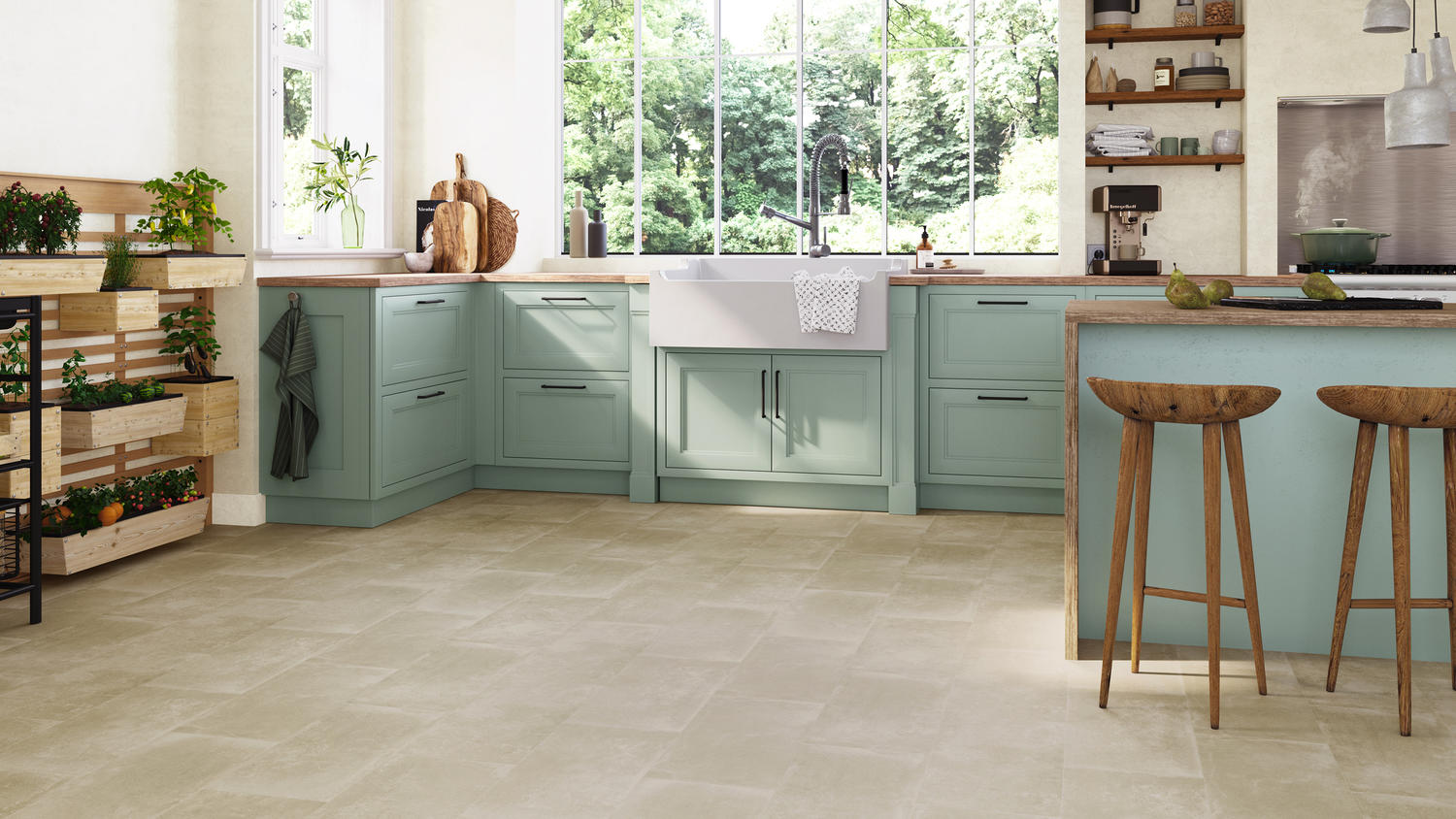
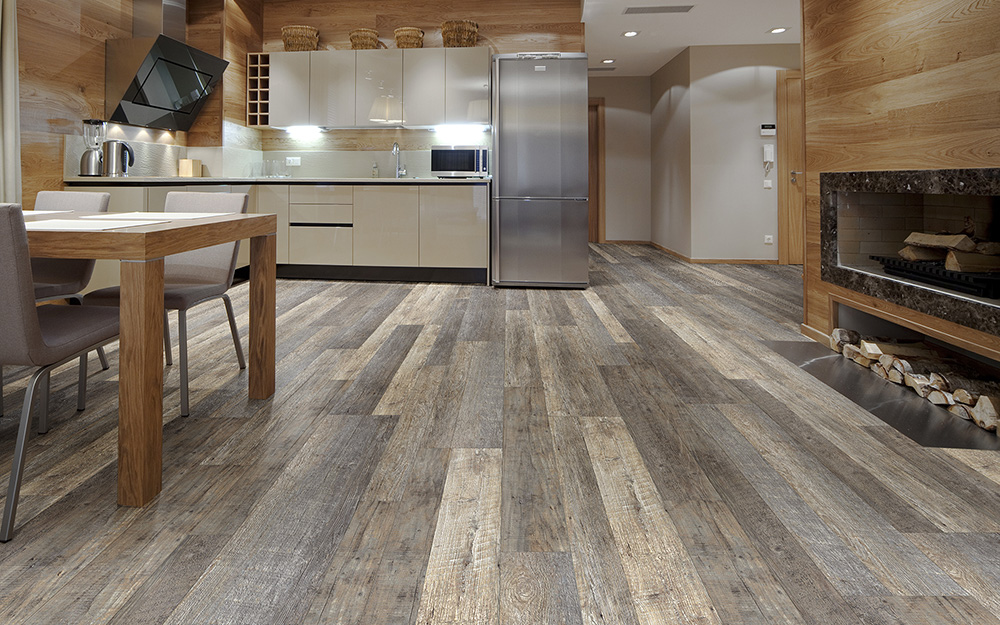
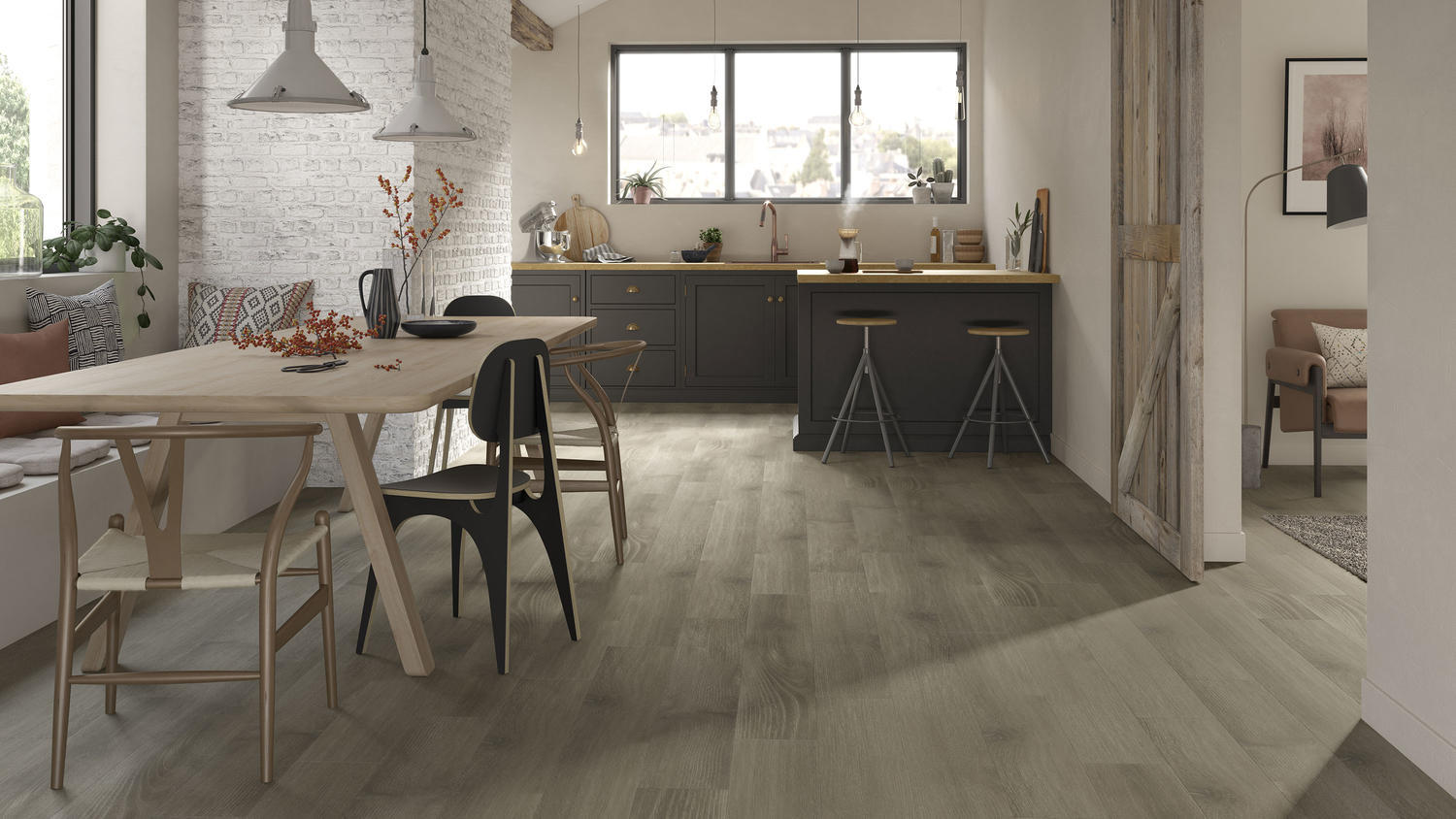
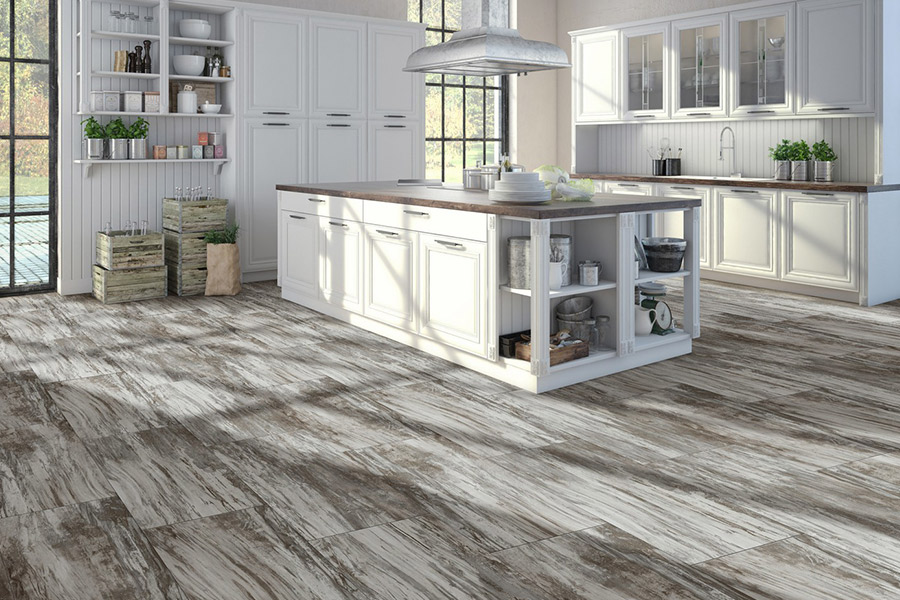
Gone are the days when vinyl flooring looked plasticky or cheap. Today’s vinyl mimics natural materials so convincingly that even interior designers are using it in high-end projects. Whether you love the warmth of hardwood, the elegance of marble, or the industrial edge of concrete, there’s a vinyl design that matches your vision. I’ve installed wood-look vinyl planks in my kitchen, and guests often mistake them for real oak until they touch the surface. The embossed textures and high-definition printing create an incredibly realistic effect.
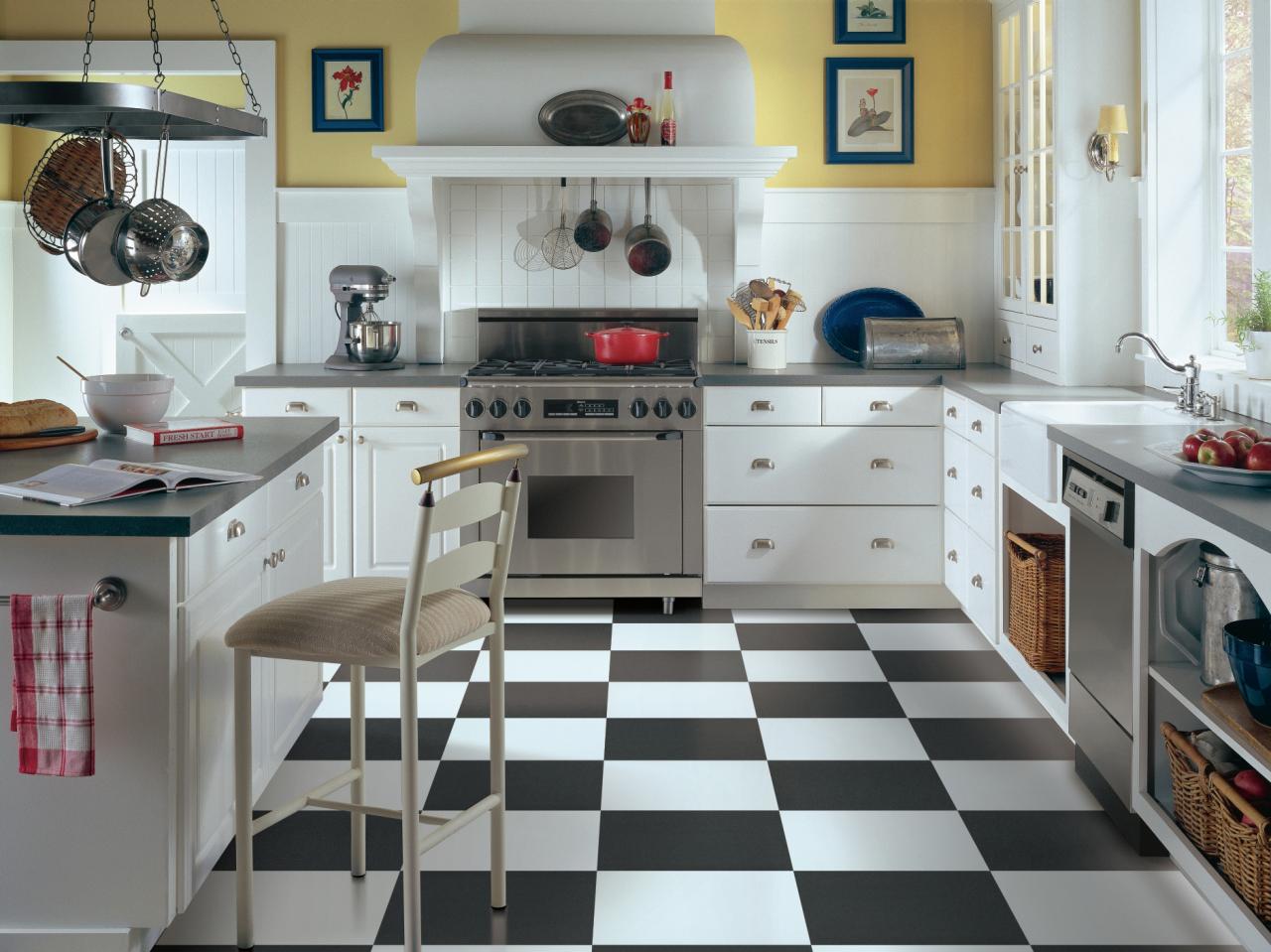
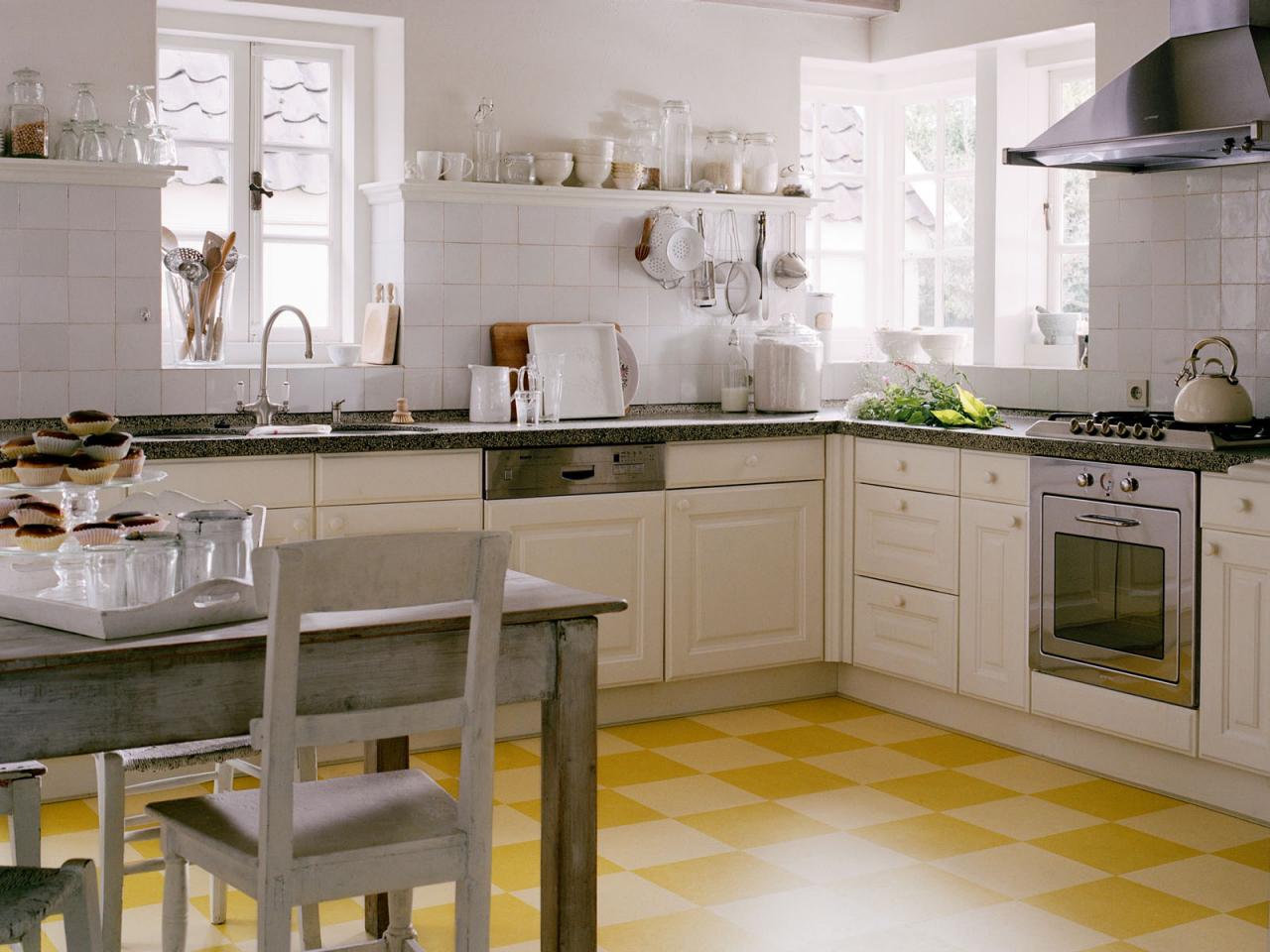
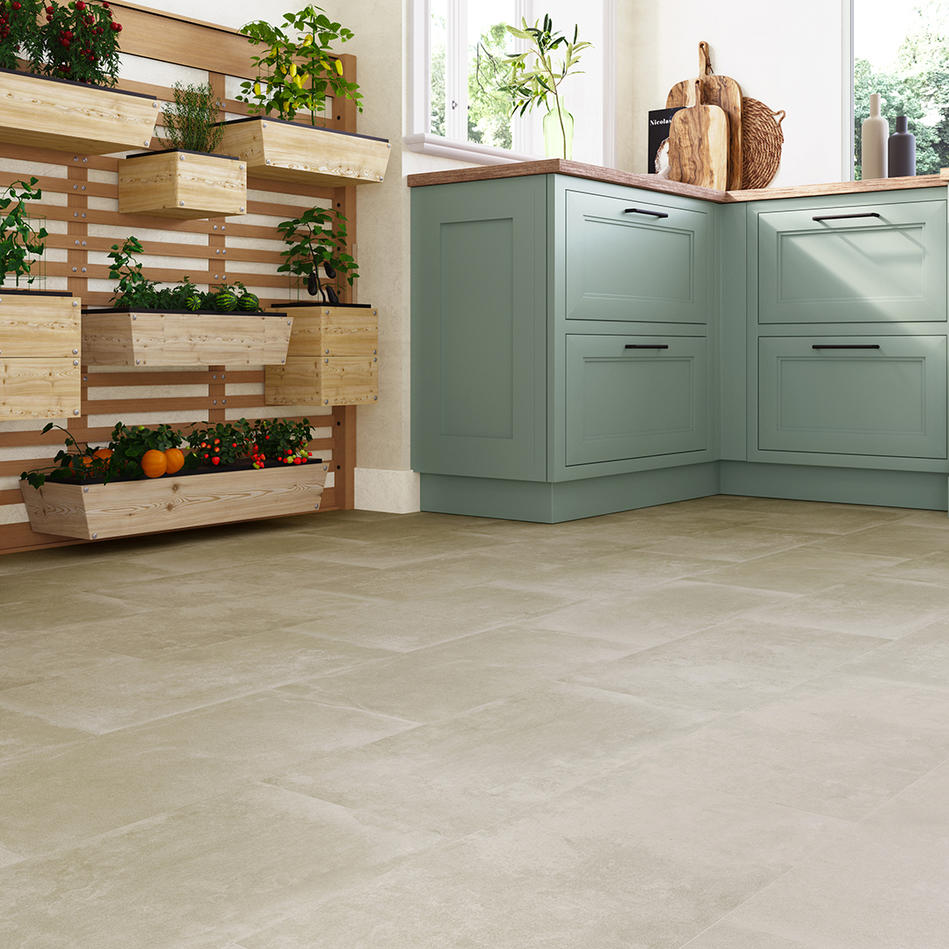
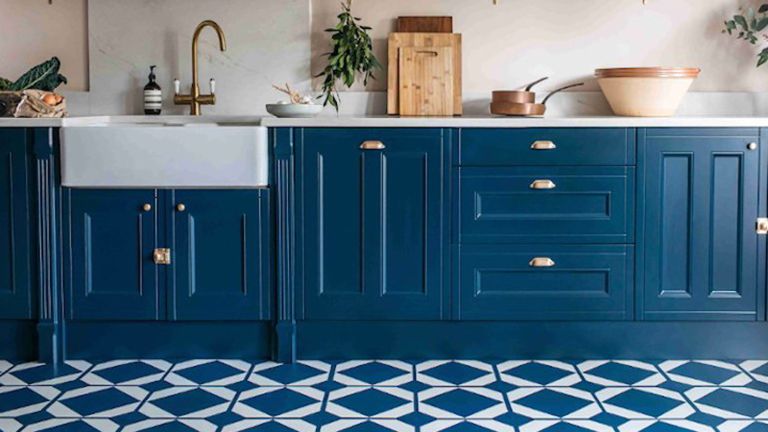
The variety of colors and patterns is staggering. You can find vinyl in wide-plank formats for a modern, open feel or smaller tiles for a classic checkerboard look. Some brands even offer custom designs, allowing you to create a one-of-a-kind floor. A client of mine recently used a mix of gray and white vinyl tiles to replicate a high-end Carrara marble look at a fraction of the cost. The best part? Unlike natural stone, vinyl doesn’t require sealing or special cleaners to maintain its appearance.
For those who like to switch up their décor, vinyl’s versatility is a huge plus. If you decide to change your kitchen’s color scheme down the road, vinyl’s neutral yet stylish options ensure it will still complement your new design. Whether your taste is farmhouse, modern, or eclectic, vinyl flooring can adapt without requiring a full replacement.
Easy Maintenance for Busy Households
Let’s be honest—no one wants to spend their free time scrubbing kitchen floors. Vinyl is one of the lowest-maintenance flooring options available. A quick sweep and occasional damp mop are all it takes to keep it looking fresh. Unlike tile, which requires grout cleaning to prevent staining, vinyl’s smooth surface resists dirt buildup. I’ve found that even sticky messes like syrup or pasta sauce wipe up effortlessly without leaving residue.
For households with kids or pets, this ease of cleaning is a lifesaver. A neighbor of mine switched to vinyl after struggling to keep her white tile grout clean. Now, she spends less time cleaning and more time enjoying her kitchen. Vinyl’s stain-resistant properties also mean you don’t have to panic over spilled coffee or red wine—just wipe it up before it dries, and you’re good to go.
Another perk is that vinyl doesn’t show scratches as easily as glossy finishes. Many options come with a matte or textured surface that disguises minor wear and tear. If a section does get damaged, individual planks or tiles can often be replaced without redoing the entire floor, saving time and money on repairs.
Budget-Friendly Without Sacrificing Quality
Kitchen renovations can quickly become expensive, but vinyl flooring offers a cost-effective solution without compromising quality. Compared to hardwood, stone, or ceramic tile, vinyl is significantly cheaper in both material and installation costs. I’ve helped DIY-savvy friends install vinyl planks themselves, saving thousands on labor while still achieving a professional look.
Even luxury vinyl options are more affordable than premium natural materials. A friend recently opted for high-end LVP that mimics hand-scraped walnut, it costs half as much as real hardwood but looks just as stunning. The savings don’t mean cutting corners on durability, either. Many mid-range vinyl products outperform pricier alternatives in scratch and moisture resistance.
For those on a tight budget, sheet vinyl is another excellent option. It’s the most economical choice and provides seamless coverage, eliminating gaps where dirt can hide. Whether you choose planks, tiles, or sheets, vinyl delivers outstanding value, making it possible to achieve a high-end look without blowing your budget.
Comfort and Safety Underfoot
Standing on a hard surface for hours while cooking can be exhausting. Vinyl’s slight cushioning effect makes it more comfortable than tile or stone, reducing fatigue during long meal prep sessions. I’ve noticed a significant difference since switching to vinyl in my kitchen; my feet and back feel much better after a day of cooking and baking.
Safety is another key benefit. Many vinyl floors come with slip-resistant coatings, reducing the risk of falls when the surface is wet, a common issue in kitchens. Some brands even offer extra padding layers for added comfort and noise reduction, which is great for open-concept homes where kitchen sounds carry.
For families with young children or elderly members, vinyl’s softer surface can help prevent injuries from falls. Unlike hard tile, vinyl absorbs some impact, making it a safer choice for active households. Plus, its warmth underfoot is much more inviting on chilly mornings compared to freezing-cold tile.
Is vinyl flooring durable enough for a kitchen?
Absolutely. Vinyl flooring is specifically designed to withstand the heavy use that kitchens endure. The wear layer protects against scratches from dropped utensils or dragged chairs, while the waterproof core prevents damage from spills. I’ve seen vinyl floors in busy family kitchens that still look new after a decade, whereas hardwood or laminate would show significant wear. Unlike natural materials, vinyl won’t warp from moisture, making it ideal for spaces where water exposure is frequent.
How does vinyl compare to tile in terms of maintenance?
Vinyl is far easier to maintain than tile. Tile requires regular grout cleaning to prevent staining and mildew buildup, while vinyl only needs basic sweeping and occasional mopping. There are no grout lines to trap dirt, and spills can be wiped up effortlessly. I’ve helped clients switch from tile to vinyl, and they’re always amazed at how much less time they spend cleaning. Vinyl’s stain-resistant surface also means you don’t need harsh chemicals—just mild soap and water will keep it looking fresh.
Can vinyl flooring mimic the look of real wood or stone?
Yes, modern vinyl flooring does an incredible job of replicating natural materials. Advanced printing technology creates realistic wood grains, stone veining, and even textured surfaces that feel authentic. I’ve installed vinyl planks that guests mistake for real hardwood until they touch them. The variety of designs—from rustic reclaimed wood to sleek marble—means you can achieve any aesthetic without the high cost or maintenance of natural materials.
Is vinyl flooring safe for homes with kids and pets?
Definitely. Vinyl is non-porous, making it resistant to bacteria and easy to sanitize—a major plus for families. Many options are also slip-resistant, reducing the risk of falls. Its slightly cushioned surface is gentler on joints and safer for toddlers learning to walk. I’ve recommended vinyl to pet owners because it stands up well to claws and accidents without showing damage. Plus, unlike some flooring types, vinyl doesn’t off-gas harmful chemicals, making it a safe choice for households.
What’s the average lifespan of vinyl kitchen flooring?
Quality vinyl flooring can last 10 to 20 years with proper care. Thicker wear layers and high-quality cores extend its longevity. I’ve seen well-maintained vinyl floors that still perform beautifully after 15 years. While it may not last as long as stone, its affordability means you can update it more frequently without a huge financial burden. Proper installation and avoiding abrasive cleaners will help maximize its lifespan.
Can I install vinyl flooring over my existing kitchen floor?
In most cases, yes. Vinyl can often be installed directly over existing flooring like tile, hardwood, or laminate, as long as the surface is smooth and level. This saves time and money on demolition. I’ve helped friends lay vinyl planks over old linoleum with great results. However, it’s important to check manufacturer guidelines—some floating vinyl floors require an underlayment, while glue-down vinyl needs a properly prepared subfloor. Always ensure the existing floor is clean, dry, and free of loose debris before installation.
An Insight Into Different Types Of Vinyl Flooring
Choosing vinyl flooring for your kitchen
Related Posts: