When I decided to renovate my living room four years ago, I knew the flooring choice would set the tone for the entire space. After weeks of comparing options, I chose bamboo flooring, and it’s been one of the best home improvement decisions I’ve made.
The combination of durability, sustainability, and natural beauty transformed my living room from a dated, carpeted space into a warm, modern gathering area that my family actually wants to spend time in. Let me share what I learned through this journey.
Selecting the Perfect Bamboo Style for High-Traffic Living
I quickly discovered that bamboo comes in different construction types, and choosing the right one for a living room matters tremendously. Strand-woven bamboo became my choice after learning it’s twice as hard as traditional oak flooring.
My living room sees constant foot traffic from kids, pets, and guests, so durability was non-negotiable. The compressed bamboo fibers create an incredibly dense material that has withstood four years of daily wear without significant damage.
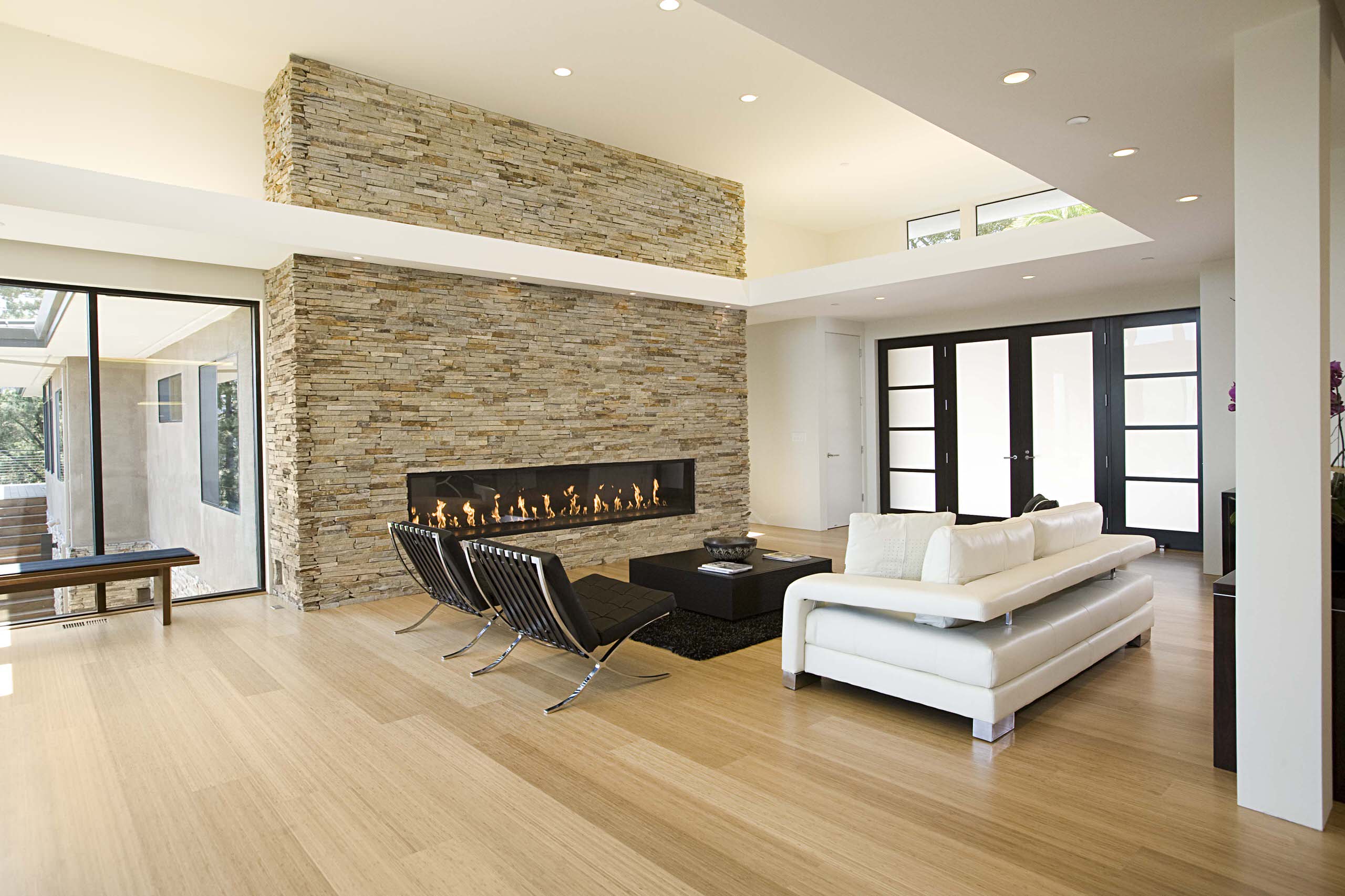
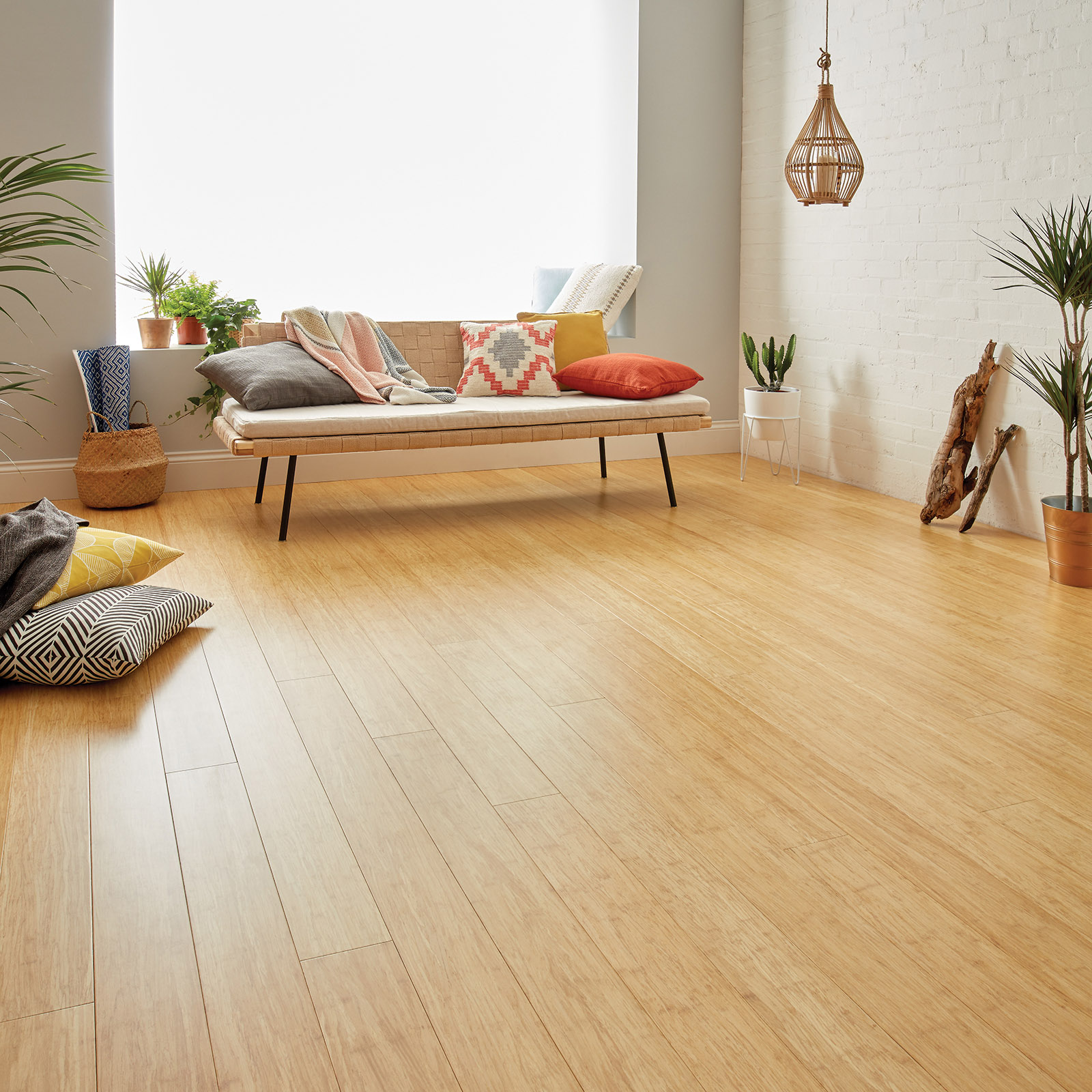
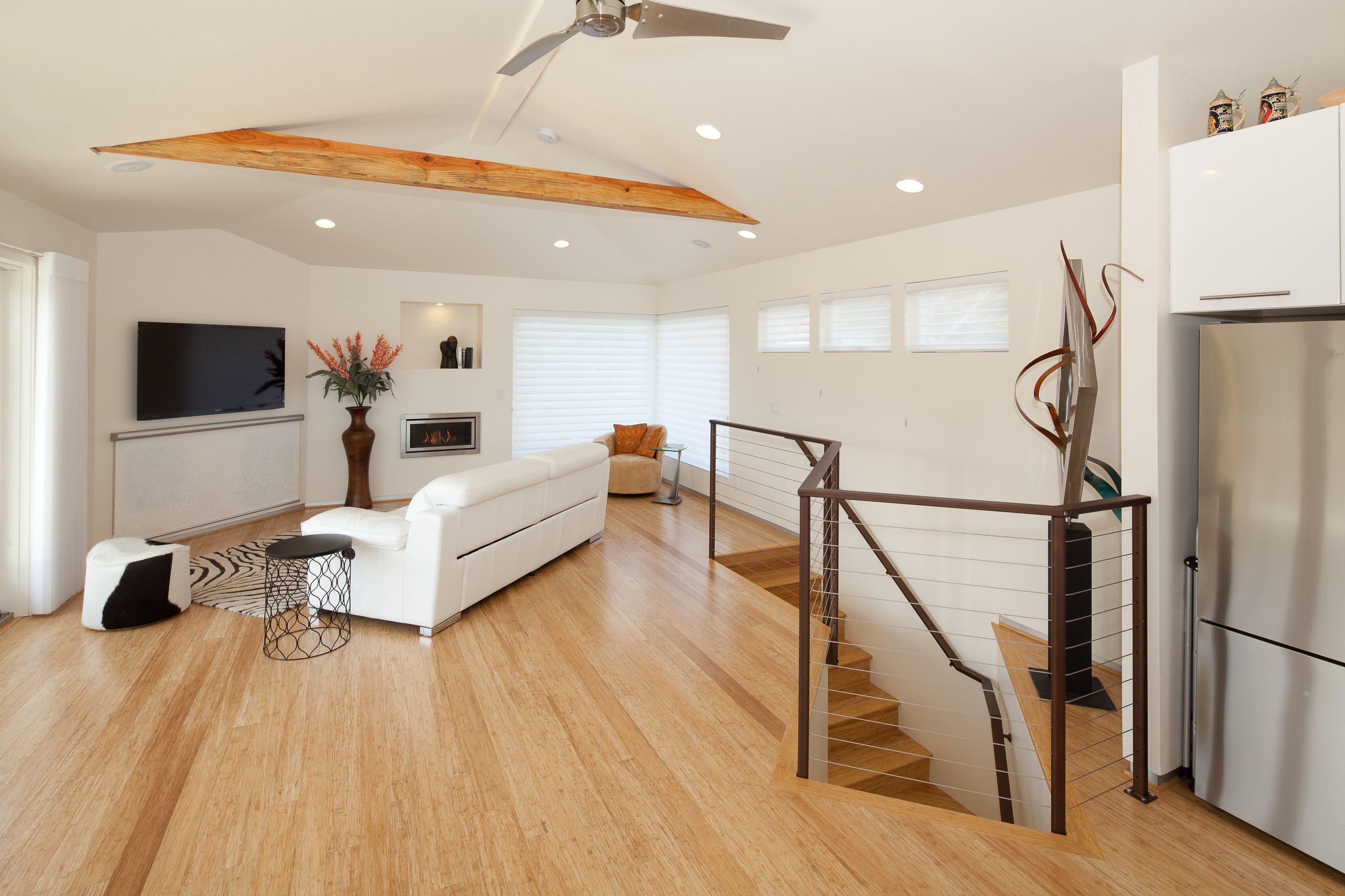
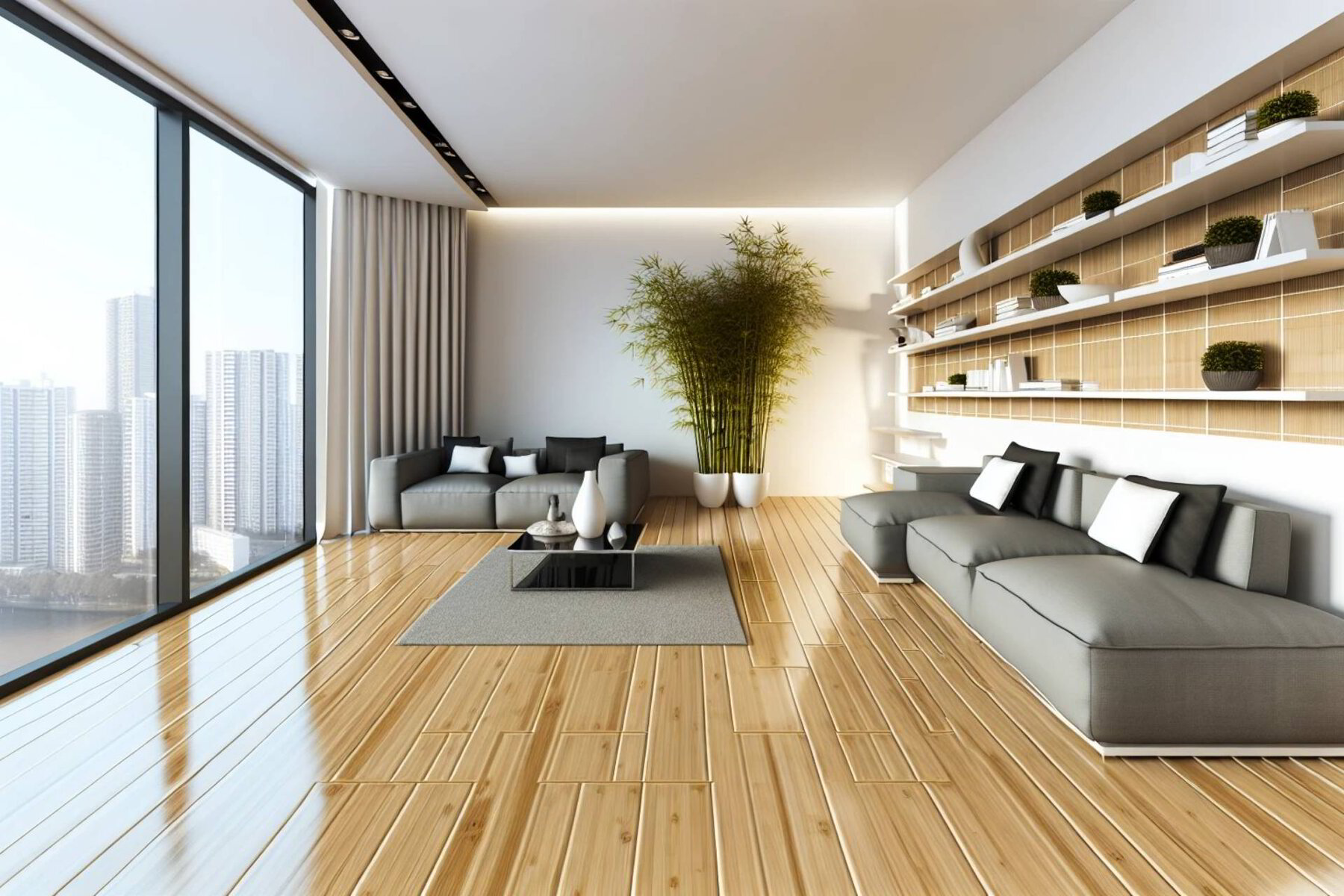
Color selection took longer than expected because I wanted something that would work with both my existing furniture and future updates. I chose a medium carbonized bamboo with warm honey tones that complement my neutral color scheme.
The carbonization process naturally darkens bamboo without stains, creating rich caramel hues that add depth and warmth. Natural blonde bamboo was too light for my taste, while darker options felt too heavy for the space.
The plank width decision was surprisingly important. I went with wider 5-inch planks that make my moderate-sized living room feel more spacious and contemporary. Narrow planks can look busy in large open areas, while wider planks create cleaner sight lines.
I also chose a hand-scraped texture that adds character and hides the inevitable minor scratches that come with living room use. This texture catches light beautifully and gives the floor a custom, high-end appearance.
Installation Process and Preparation Work
My contractor recommended the floating floor installation method using click-lock bamboo planks. This approach allows the floor to expand and contract naturally with seasonal humidity changes, which is crucial for bamboo. The installation took three days for my 400-square-foot living room, including removing old carpet, addressing subfloor issues, and installing new baseboards. Watching the transformation happen was incredibly satisfying.
Subfloor preparation was more involved than I anticipated. We discovered uneven spots where the concrete slab had settled over the years. My installer spent an entire day grinding high spots and filling low areas with leveling compound. This prep work seemed tedious at the time, but it’s why my floor is perfectly flat without any squeaks or movement four years later. Skipping this step would have caused problems down the road.
We let the bamboo planks acclimate in my living room for a full week before installation. They sat stacked with spacers between boxes so air could circulate. My installer used a moisture meter to confirm the bamboo had reached equilibrium with the room’s humidity. This patience prevented the warping and gaps that can happen when bamboo is installed immediately after delivery. I learned that proper acclimation is especially important in living rooms where you notice every imperfection.
Living with Bamboo: Real-Life Durability Testing
My living room has become the testing ground for bamboo’s durability claims, and I’m happy to report it has exceeded my expectations. Between kids dropping toys, my dog’s claws clicking across the floor, and furniture being moved during countless rearrangements, the bamboo has handled everything beautifully. There are a few minor scratches if you look closely, but they blend into the hand-scraped texture and natural grain variations.
The strand-woven bamboo’s hardness rating proved accurate in practice. I once dropped a heavy cast-iron skillet that bounced off the coffee table onto the floor. I was certain there would be a dent, but the bamboo showed only a tiny surface scratch that I barely notice. This incident convinced my skeptical husband that bamboo was indeed harder than the oak floors in our previous home, which would have dented significantly.
Sunlight exposure was a concern since my living room has large south-facing windows. I installed UV-filtering cellular shades that I close during peak afternoon sun. After four years, I’ve noticed minimal fading, just a slight lightening in the most exposed areas that’s barely perceptible. The natural color variations in the bamboo help disguise any subtle changes. This minimal fading is far better than the carpet we had before, which showed obvious sun damage within two years.

Maintenance Routines That Keep It Looking New
My daily maintenance routine is refreshingly simple. I vacuum or sweep most evenings to remove dirt and debris before it can scratch the finish. This takes maybe five minutes but makes a huge difference in preserving the floor’s appearance. I use a vacuum with a hardwood floor attachment rather than a beater bar, which could potentially damage the surface over time with repeated use.
Weekly cleaning involves a barely damp microfiber mop with a pH-neutral bamboo floor cleaner. I avoid excessive water, making sure the mop is just slightly damp rather than wet. The entire living room takes about 10 minutes to clean thoroughly. I learned the hard way not to use multipurpose cleaners when a well-meaning house guest mopped with an all-purpose spray, leaving a hazy film that required special bamboo cleaner to remove.
Every six months, I apply a bamboo floor refresher that restores shine and adds a thin protective layer. This product is different from heavy polyurethane, just a light treatment applied with a microfiber mop. It dries in a couple of hours and makes the floor look freshly installed. Between this and keeping furniture pads on all chair and sofa legs, my maintenance costs have been minimal while the floor continues to look fantastic.

How Bamboo Affects Living Room Aesthetics
The natural warmth of bamboo completely changed the atmosphere of my living room. The space went from feeling cold and uninviting with old carpet to warm and welcoming. The honey tones in the bamboo reflect light beautifully, making the room feel brighter and more open even on cloudy days. This natural radiance creates an inviting environment that draws people in and encourages them to stay and relax.
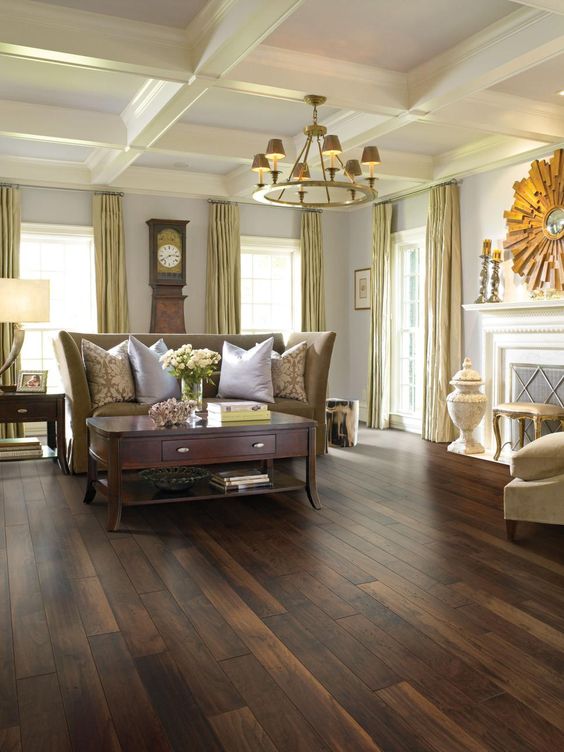
I paired the bamboo with gray walls, creating a sophisticated contrast that guests always comment on. The warm floor prevents the gray from feeling cold or institutional, while the gray walls keep the warm bamboo from becoming too traditional or country-style. This balance allows me to incorporate both modern and classic furniture pieces without anything feeling out of place. The bamboo serves as a neutral foundation that’s versatile enough for evolving design preferences.
The grain patterns add visual interest without being overwhelming. Unlike some heavily grained woods that can dominate a space, bamboo’s subtle striations and occasional node marks create just enough texture to keep the floor interesting. I’ve layered area rugs in natural fibers over the bamboo, which adds another dimension of warmth and helps define different zones in the open living space. The combination of textures makes the room feel thoughtfully designed rather than one-note.

Handling Living Room Challenges and Spills
Living rooms see all kinds of spills, and mine is no exception. I’ve dealt with knocked-over coffee cups, wine glasses, plant waterings, and even a fish tank overflow. The factory-applied aluminum oxide finish on my bamboo has proven remarkably resistant to moisture and staining. As long as I wipe up spills within a reasonable time, usually within an hour or two, there’s no damage or discoloration whatsoever.
One incident tested the limits when my son spilled an entire bottle of grape juice that I didn’t discover for several hours. I panicked when I found the purple puddle, but after cleaning it up, there was absolutely no staining on the sealed bamboo. This experience taught me that proper sealing is crucial. The multiple coats of finish create a protective barrier that prevents liquids from penetrating the bamboo itself.
Humidity control has been important for maintaining the floor’s stability. I run a humidifier in winter when indoor air gets dry and use a dehumidifier in summer during humid months. Keeping indoor humidity between 35-55% prevents the bamboo from shrinking or expanding excessively. I installed a simple hygrometer to monitor levels, and this attention has paid off with zero gaps or buckling over four years. Living rooms benefit from this climate control anyway for overall comfort.
Is bamboo flooring durable enough for high-traffic living rooms?
Absolutely. My strand-woven bamboo has handled four years of heavy family use including kids, pets, and constant foot traffic without significant wear. The Janka hardness rating exceeds most hardwoods at over 3,000, making it extremely durable. I’ve seen minimal scratching despite daily use, and what minor marks exist blend into the natural texture beautifully.
How does bamboo compare to hardwood for living room aesthetics?
Bamboo offers similar elegance at a lower price point. Mine cost about 40% less than comparable oak. The warm tones and natural grain create the same upscale look as traditional hardwood. Most guests assume it’s exotic hardwood until I tell them otherwise. The sustainability factor was also important to me, as bamboo regrows in 3-5 years.

Will bamboo flooring work with radiant floor heating?
Yes, but you need engineered bamboo specifically rated for radiant heat. I don’t have radiant heating, but friends who do report excellent results with proper installation. The key is gradual temperature changes and maintaining consistent humidity levels. Check manufacturer specifications to ensure compatibility, as not all bamboo products are suitable for radiant systems.
Can bamboo handle the moisture from indoor plants in a living room?
My living room has numerous large plants, and the bamboo handles normal plant care moisture fine. I use saucers under all pots and wipe up any overflow immediately. The sealed surface prevents water absorption as long as you’re reasonably attentive. I wouldn’t leave standing water, but typical plant care hasn’t caused any issues in four years.
How does bamboo perform with area rugs in living rooms?
Excellently. I have several area rugs that I rotate seasonally without any problems. I use rug pads designed for hardwood to prevent slipping and allow air circulation. Avoid rubber-backed rugs that can trap moisture or discolor the finish. Natural fiber rugs like jute and wool work particularly well over bamboo, complementing its organic aesthetic.
Is bamboo flooring worth the investment for a living room renovation?
For me, absolutely. The combination of durability, beauty, sustainability, and cost-effectiveness made it ideal. Four years later, it still looks great and I have no regrets. Living rooms are where you make memories, and having a beautiful, comfortable floor enhances that experience. The investment has paid off in both practical function and aesthetic satisfaction.
Related Posts: