When I replaced the cold tile floors in my living room three years ago, I was searching for something that would make the space feel warmer and more welcoming. A friend suggested bamboo flooring, and I’ll admit I was hesitant at first, associating bamboo with a very specific modern aesthetic. But when I discovered the range of warm-toned bamboo options available, everything changed. The honey and amber shades transformed my space into the cozy retreat I’d been dreaming of, and I’ve since installed warm bamboo in my bedroom and hallway too.
Understanding Warm Bamboo Color Options
I learned quickly that bamboo’s natural color is a beautiful light blonde, almost like maple or birch. This natural tone has inherent warmth but reads fairly neutral. For my living room, I wanted something richer, so I chose carbonized bamboo. The carbonization process involves steaming the bamboo under pressure, which caramelizes the sugars naturally and creates gorgeous amber and honey tones without any stains or dyes.
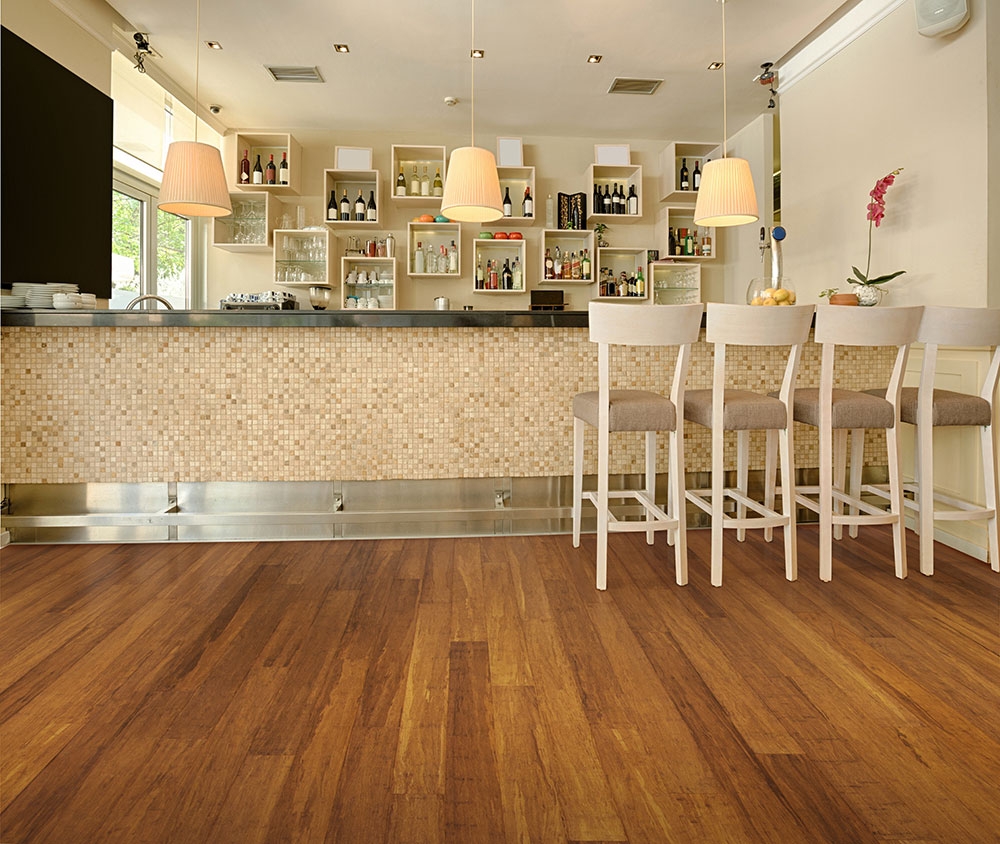
The level of carbonization determines the final warmth of the color. Light carbonization gives you soft caramel tones, while heavy carbonization creates deep chocolate browns. I went with medium carbonization, which produced a beautiful golden-brown shade that catches light beautifully throughout the day. The color has subtle variations from plank to plank, creating natural depth that makes the floor look organic and alive rather than manufactured.
I also discovered that some manufacturers offer stained bamboo in warm tones like cognac, cinnamon, and aged oak. These stained options give you even more control over the exact shade. For my bedroom, I chose a hand-stained bamboo in a warm walnut tone that’s slightly darker than my living room. Having these color choices allowed me to customize the warmth level in each room to match its specific lighting and purpose.
How Warm Tones Change a Space’s Atmosphere
The transformation in my living room was immediate and dramatic. The warm bamboo replaced cold gray tile, and suddenly the space felt inviting instead of sterile. The honey tones seem to radiate warmth even on cloudy days. Friends who visit comment on how cozy the room feels, and I’m convinced the flooring is a major contributor. The warm undertones create a sense of comfort that cooler-toned floors simply can’t achieve.
I paired my warm bamboo with cream walls and rust-colored accent pillows, creating a cohesive warm color palette throughout the space. The floor serves as the foundation that ties everything together. What surprised me most was how the bamboo’s warmth affects the room’s lighting. The amber tones reflect and diffuse light in a way that makes the space feel brighter and more open while still maintaining that cozy atmosphere.
Temperature perception changed too, though this is partly psychological. The warm color makes the floor feel warmer to the eye and touch compared to my old tile, even though bamboo’s actual thermal properties are similar to other hardwoods. During winter, the visual warmth is comforting, making the room feel like a retreat from cold weather outside. This emotional warmth has genuinely improved how much time I want to spend in this space.
Choosing the Right Warm Bamboo for Different Rooms
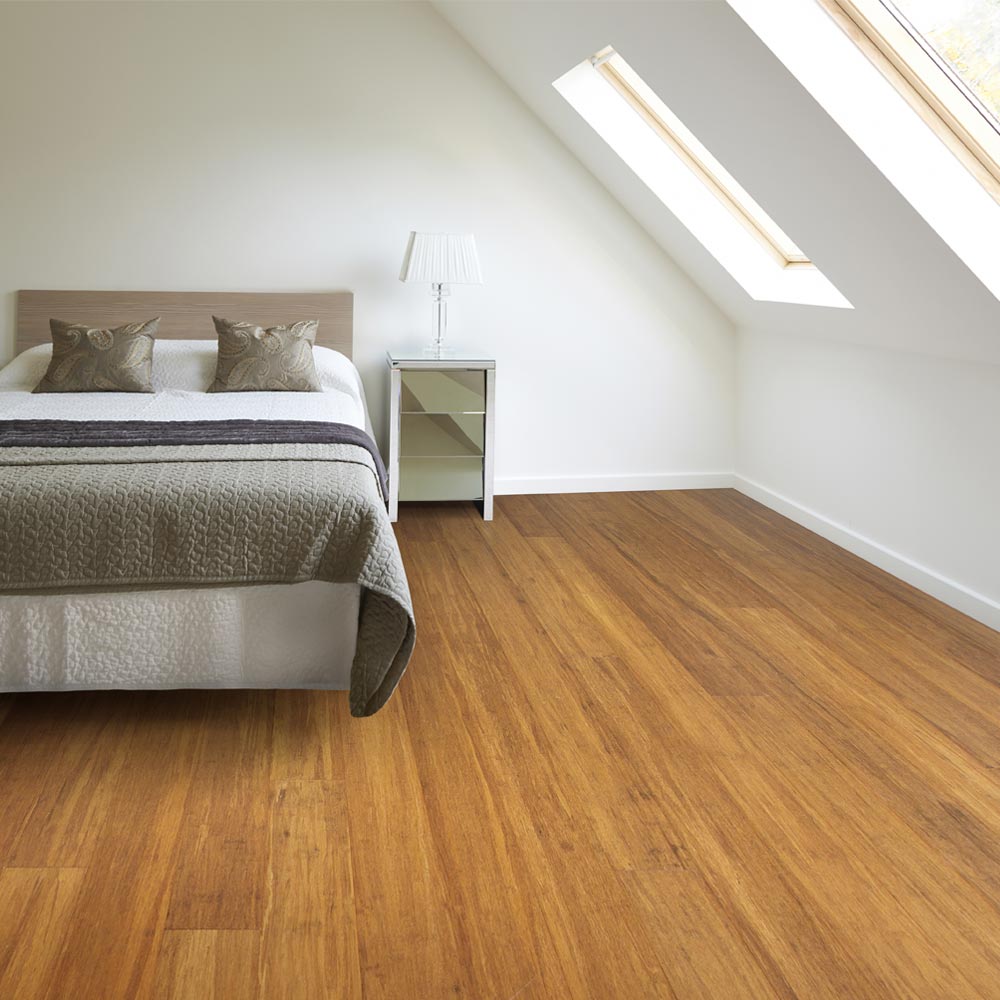
For my bedroom, I selected a slightly darker warm bamboo than my living room because the space gets less natural light. The deeper amber tones prevent the room from feeling dim or cave-like. This warmer, darker shade creates an intimate, restful atmosphere perfect for sleeping. I learned that matching bamboo warmth to a room’s natural light levels is crucial for achieving the right mood.
My hallway presented different challenges. I wanted continuity with the living room but needed something that could handle heavy foot traffic without showing wear. I chose strand-woven bamboo in a similar warm tone to my living room but with a hand-scraped texture. The texture adds visual warmth through shadow and dimension while the durability of strand-woven construction handles the constant traffic beautifully.
I considered warm bamboo for my kitchen but ultimately decided the darker tones would show spills and crumbs too easily. Instead, I went with a lighter natural bamboo that still has warmth but is more practical for the space. This taught me that while warm tones are beautiful, you need to balance aesthetic goals with practical considerations for each room’s specific use and maintenance requirements.

Installation Tips for Maintaining Warmth
When my installer began the living room project, he emphasized the importance of proper lighting during installation. We installed the bamboo on a sunny day so I could see the true warm tones as we laid each plank. This prevented us from accidentally creating dark patches by clustering the darkest planks together. Spreading the color variations evenly throughout the space created a harmonious warm glow rather than spotty inconsistency.
The direction of installation affects how warmth is perceived. We ran the planks parallel to the longest wall and toward the main light source from the windows. This orientation allows light to travel along the grain, highlighting the warm amber tones and creating depth. Running planks perpendicular would have created more shadow lines that could make warm colors appear muddy rather than glowing.
We used a warm-toned wood filler for any small gaps, which was crucial for maintaining the cohesive warm aesthetic. My installer initially suggested a neutral filler, but I’m glad I insisted on color-matching. Those tiny details matter when you’re trying to create a specific atmosphere. I also chose baseboards and trim in warm oak tones rather than white, which frames the floor beautifully and amplifies the overall warmth of the space.
Maintaining the Warmth Over Time
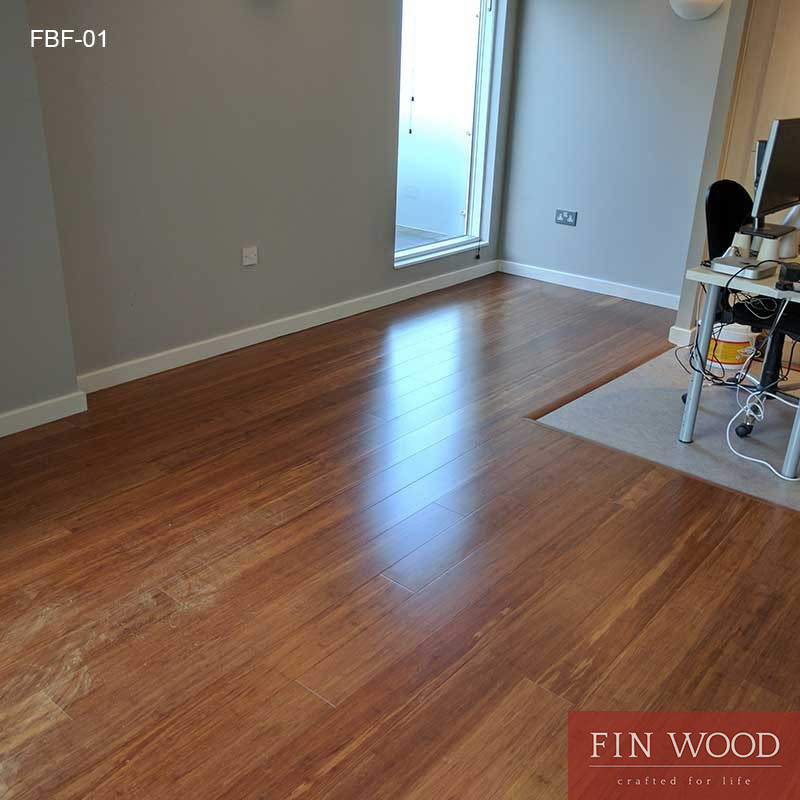
I was concerned about my warm bamboo fading or yellowing over time, especially in my sunny living room. After three years, I’ve noticed minimal color change, which I attribute to UV-filtering window treatments I installed. I close the cellular shades during peak afternoon sun, which protects the bamboo while still allowing diffused light to enter. This simple habit has preserved the rich warm tones I fell in love with.
My cleaning routine is designed to maintain the warmth and luster of the finish. I use a pH-neutral cleaner specifically formulated for bamboo, which doesn’t strip the finish or dull the color. Every few months, I apply a bamboo floor polish that enhances shine and seems to make the warm tones even richer. This takes maybe 30 minutes and makes such a noticeable difference in how the floor glows.
The annual refinishing treatment I do involves a specialized bamboo floor rejuvenator rather than heavy polyurethane. This product cleans, fills micro-scratches, and adds a protective layer without changing the color. I was worried that repeated applications might darken the bamboo, but the product is designed to maintain the original tone. After three years of this maintenance, my floors still look warm and inviting, exactly as they did on installation day.
Pairing Warm Bamboo with Decor and Furnishings
I found that warm bamboo works beautifully with both traditional and contemporary furniture styles. My living room mixes mid-century modern pieces with more traditional elements, and the warm bamboo floor bridges these styles naturally. The organic warmth of bamboo is forgiving and adaptable, unlike cooler gray floors that can clash with certain wood furniture tones.
Color coordination became easier once I had the warm bamboo foundation. I pulled accent colors from the amber and honey tones in the floor, incorporating burnt orange throws, mustard pillows, and terracotta pottery. These warm accent colors feel cohesive rather than random because they echo the floor’s undertones. Even my artwork selections were influenced by wanting to maintain the cozy, warm atmosphere the flooring established.
Area rugs required careful consideration. I chose natural fiber rugs in cream and tan that don’t compete with the bamboo’s warmth but add textural interest. I learned to avoid rugs with cool undertones or stark white, as they created jarring contrast against the warm floor. The best combinations included jute, sisal, and wool rugs in warm neutral palettes that complemented rather than fought the bamboo’s natural beauty.

Will warm-toned bamboo make my small room feel smaller?
Actually, I found the opposite in my bedroom. Warm tones create coziness without closing in the space, especially if you have good lighting. The key is choosing the right shade, medium carbonized bamboo adds warmth without being so dark it absorbs light. Pair with light walls and adequate lighting for a warm but spacious feeling.
Does carbonized bamboo lose hardness compared to natural bamboo?
Yes, slightly. The carbonization process that creates warm tones does reduce hardness by about 30%, making carbonized bamboo softer than natural strand-woven bamboo. However, it’s still harder than many hardwoods. I haven’t had durability issues in three years of use. For high-traffic areas, consider strand-woven construction even with carbonization for maximum durability.
Can I change my bamboo’s warmth later if I want a different look?
Solid bamboo can be sanded and restained to change the color, though you’re limited by how much material you can remove. I haven’t needed to refinish mine, but knowing the option exists is reassuring. Engineered bamboo with thin veneer layers can typically only be refinished once or not at all, so choose your warmth level carefully initially.
How does warm bamboo compare in price to natural bamboo?
Carbonized bamboo is usually the same price as natural bamboo since carbonization is part of the manufacturing process, not an add-on. I paid $4-6 per square foot for quality carbonized strand-woven bamboo. Stained bamboo sometimes costs slightly more due to the additional finishing step, but the difference is minimal, usually under $1 per square foot.

Will warm bamboo show scratches more than lighter colors?
Medium to dark warm tones actually hide minor scratches better than very light or very dark bamboo. The natural color variations in carbonized bamboo camouflage small imperfections beautifully. I have a few scratches after three years, but they’re barely visible unless you’re looking for them. Hand-scraped textures in warm tones are especially forgiving.
Does warm bamboo work in modern or contemporary design schemes?
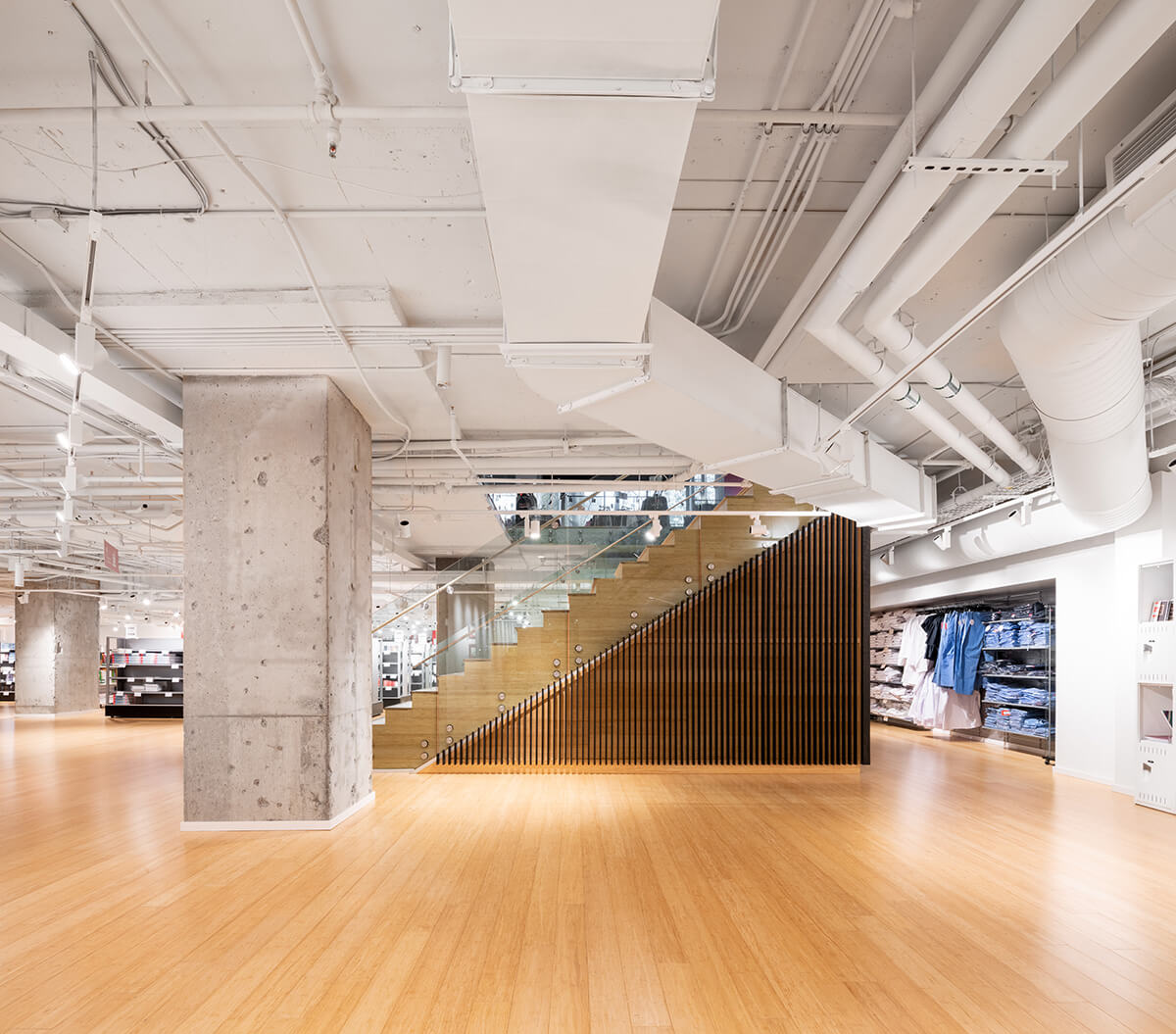
Absolutely. My space has a contemporary aesthetic, and warm bamboo fits perfectly. The key is pairing it with clean lines and minimalist furniture. Warm doesn’t necessarily mean traditional, it just means inviting and comfortable. I’ve seen warm bamboo in ultra-modern lofts where it adds necessary organic warmth to otherwise stark spaces.

Related Posts: