When I decided to replace the tired carpet in my living room, I knew I wanted something dark, rich, and dramatic without the eye-watering price tag of walnut or wenge hardwood. Dark bamboo flooring kept appearing in my research, and the more samples I ordered and held against my walls, the more convinced I became that it was exactly what my space needed. After installing it and living with it through two full years of daily use, I have a genuinely thorough perspective on what makes dark bamboo flooring special, where it challenges you, and whether the investment is worth making.
What Makes Dark Bamboo Flooring Unique Among Wood-Look Options
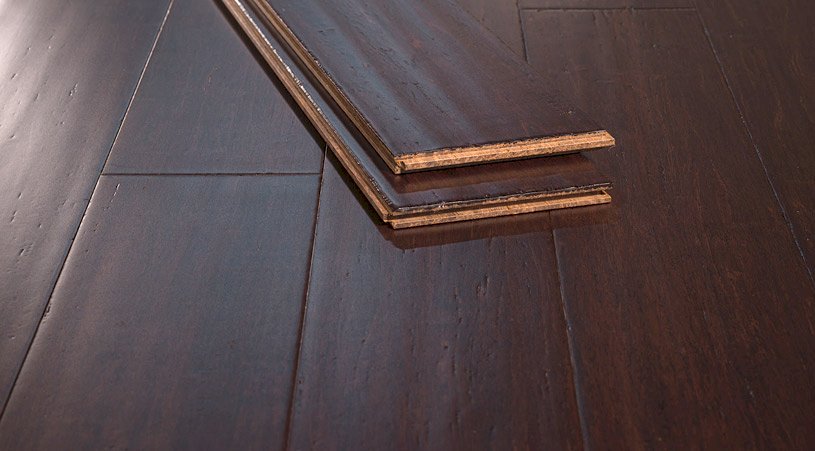
Dark bamboo gets its deep color through a process called carbonization, where the bamboo stalks are steamed under heat and pressure before being processed into flooring. This caramelizes the natural sugars within the bamboo fibers and produces those rich, chocolate-brown tones that make dark bamboo so visually striking. The color runs through the material rather than sitting on top as a stain, which gives it a depth and authenticity that dyed or stained floors often lack.
What surprised me most when I first started researching was that bamboo is technically a grass rather than a wood, yet it produces a flooring product that competes with, and in some ways outperforms, traditional hardwoods. Strand woven dark bamboo in particular is one of the hardest flooring materials available in the residential market, significantly harder than most oak and even harder than many exotic hardwood species. That hardness was a major factor in my decision given that I have an active household.
The grain patterns in dark carbonized bamboo are also distinctive in a way I find beautiful. Rather than the broad, sweeping grain lines of oak or walnut, bamboo has a tighter, more linear grain with subtle variation that reads as sophisticated and slightly exotic without being overwhelming. When I installed wide planks in my living room, several visitors assumed I had laid down an expensive tropical hardwood, and the mistaken identity was deeply satisfying every single time it happened.
Understanding Carbonized vs. Strand Woven Dark Bamboo
Before buying, I had to get clear on the distinction between standard carbonized bamboo and strand woven dark bamboo, because they look similar but perform very differently. Standard carbonized bamboo goes through the steaming process but retains the traditional bamboo plank structure, which is somewhat softer and more prone to denting than strand woven products. It has a lovely color but may not be the best choice for high-traffic areas or homes with pets and kids.
Strand woven bamboo takes the carbonized fibers and compresses them under extreme pressure with adhesive to create a material that is fundamentally denser and harder than the original plant could ever be on its own. The Janka hardness rating of strand woven bamboo can reach 3000 or above, which puts it in a completely different performance category from standard carbonized bamboo sitting around 1000. When I realized that difference, my decision to pay a bit more for strand woven became very easy.
There is a trade-off worth knowing about, though. The adhesives used in some strand woven bamboo products have historically raised concerns about formaldehyde emissions, particularly in lower-cost products from manufacturers with less rigorous quality controls. I made sure to purchase from a brand with CARB Phase 2 certification and FloorScore certification, which confirmed the product met strict indoor air quality standards. Checking for those certifications before buying is something I’d recommend to anyone shopping for strand woven bamboo of any color.

Designing With Dark Bamboo: Pairing Colors and Styles
Dark bamboo floors create a bold foundation that asks you to think carefully about everything sitting above them. When I first laid out my samples against paint swatches, I noticed immediately that some wall colors clashed with the warm brown undertones of carbonized bamboo while others made the whole room feel intentional and cohesive. The undertones matter more than the overall darkness level when choosing coordinating colors.
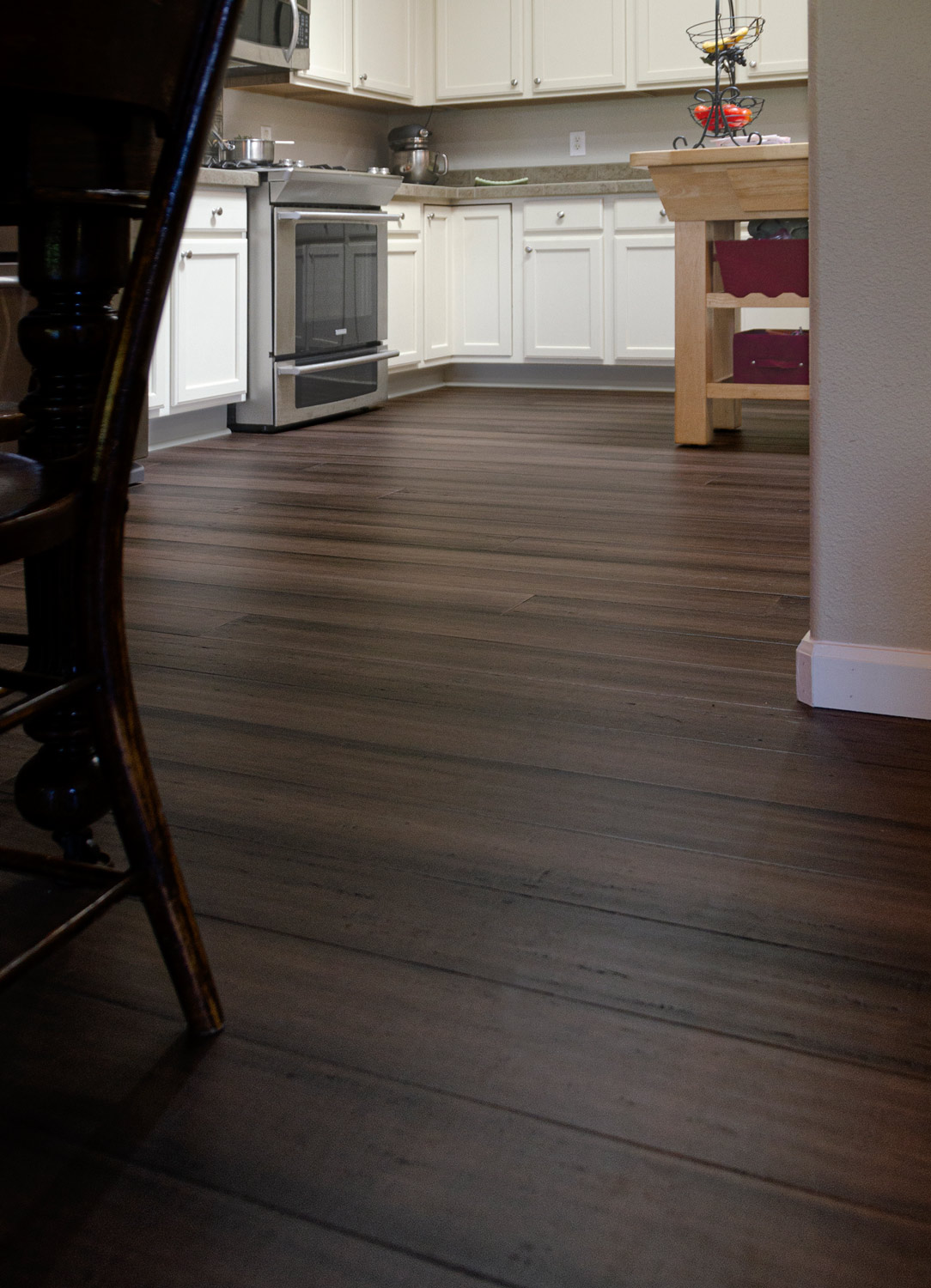
Warm neutrals worked beautifully in my space. I painted my living room walls in a soft, creamy mushroom tone that echoed the warm undertones in the bamboo without competing with the floor’s depth. Light, airy wall colors in warm white, warm greige, or even a gentle sage green tend to make dark bamboo floors look like a deliberate design choice rather than just a dark floor that happened to end up in the room. Cool gray walls, by contrast, can make carbonized bamboo feel slightly off, like two warm and cool elements fighting for dominance.
Furniture choices become more interesting and rewarding with a dark floor as your base. I found that lighter upholstered pieces, natural wood tones in honey or amber, brass and warm metal accents, and plenty of natural textiles all played extraordinarily well against the dark bamboo. The floor essentially became the visual anchor of the room, and everything placed on top of it gained a sense of intentionality. It’s a design dynamic I hadn’t experienced with lighter floors, and it genuinely changed how I thought about furnishing the space.

Durability and Scratch Resistance in Everyday Life
I’ll address the thing everyone worries about with dark floors right away: yes, dark bamboo shows dust, pet hair, and footprints more readily than a lighter floor would. I knew this going in and accepted it as a trade-off for the aesthetic I wanted. The reality of living with it has been that a quick dry mop every couple of days keeps the floor looking clean and sharp, and the effort involved is honestly minimal once it becomes part of a simple routine.
What I didn’t fully anticipate was just how well the strand woven surface resisted scratching from daily life. My medium-sized dog has been walking and occasionally running across this floor for two years, and I have yet to find a scratch I can see from standing height. I’ve moved furniture, dropped kitchen items that rolled into the living room, and had several spirited gatherings with kids running around, and the surface has remained in remarkable condition. The hardness of strand woven bamboo really does translate into real-world performance.
One thing dark floors do reveal more dramatically than light ones is any kind of surface damage or dulling of the finish. I noticed after about a year and a half that the highest-traffic pathway through my living room had a very slight difference in sheen compared to areas under furniture. It wasn’t scratching so much as micro-abrasion from foot traffic gradually buffing the finish. A professional recoating of the surface finish every five to seven years is something my flooring supplier mentioned as normal maintenance, and I’ve factored that into my long-term ownership plan.

Installation Tips and Moisture Considerations
Dark bamboo flooring, like all bamboo products, needs to acclimate to your home’s temperature and humidity before installation. I left my boxes stacked open in the room where they’d be installed for 72 hours before my installer touched a single plank. Bamboo is particularly sensitive to humidity fluctuations, and skipping acclimation can lead to gapping in dry conditions or swelling in humid ones after installation. My installer was adamant about this step and I’m glad he was.
Moisture testing the subfloor is something I’d urge anyone laying bamboo over concrete to prioritize. Even a subfloor that looks and feels dry can be emitting moisture vapor that will eventually compromise the adhesive bond or cause the floor to cup and move. My installer used a calcium chloride test and confirmed we were within acceptable limits before proceeding. If your results come back too high, applying a moisture barrier or epoxy moisture mitigation system before installation is far less expensive than dealing with a failed floor afterward.
The installation method you choose affects both the performance and the repairability of your dark bamboo floor down the road. Floating installations over foam underlayment are common and work well, but they can feel slightly hollow underfoot in some spots and are noisier than glue-down installations. I chose a full-spread glue-down method for my living room because I wanted the floor to feel completely solid and quiet, like a permanent part of the house. It cost more in labor, but the result felt noticeably different and more premium underfoot.
Long-Term Care and Keeping Dark Bamboo Looking Its Best
Building a consistent cleaning routine was the single most important thing I did to protect my dark bamboo floor from looking tired before its time. I use a microfiber dry mop three or four times a week to capture the dust and pet hair that dark floors display so honestly. Once a week I follow up with a barely damp mop using a pH-neutral bamboo floor cleaner diluted to the manufacturer’s recommendation. That routine takes maybe ten minutes total and keeps the floor looking like it was just installed.
Preventing scratches before they happen is always easier than dealing with them after the fact. I put felt pads on every single piece of furniture that sits on the floor, including items I initially thought were too light to cause damage. I also keep a low-pile rug near the front door to catch grit before it travels across the bamboo surface, because fine sand and dirt are more responsible for finish wear than almost anything else in a residential setting. These are small habits that add up to a meaningful difference over years of use.
Sunlight is worth taking seriously with any dark floor, and carbonized bamboo is no exception. Prolonged direct sun exposure can fade and lighten the carbonized color over time, creating noticeable variation between exposed and protected areas of the floor. I use light-filtering shades on my south-facing windows during peak sun hours and rotate my area rug periodically so any fading happens as evenly as possible across the floor. It sounds fussy, but it takes almost no effort once you set up the right window treatments from the beginning.
Is dark bamboo flooring harder to keep clean than lighter floors?
It does show dust and pet hair more readily than light floors, I won’t pretend otherwise. But with a simple routine of dry mopping every couple of days and a damp mop weekly, it stays looking great with minimal effort. The key is consistency rather than deep cleaning sessions. Once you build the habit, it honestly takes less time than you’d expect and the floor rewards you by looking genuinely stunning when it’s clean.
How does dark bamboo flooring hold up to pets?
Strand woven dark bamboo is one of the hardest residential flooring options available, so it handles pet traffic very well. My dog has been on mine daily for two years with no visible scratching from standing height. Keeping nails trimmed helps significantly, and placing rugs in favorite lounging spots reduces concentrated wear. If you have very large, active dogs with long nails, strand woven bamboo is a much safer choice than standard carbonized bamboo or softer hardwood species.
Will dark bamboo flooring fade in sunlight?
It can lighten over time with prolonged direct sun exposure, which is something to plan for rather than ignore. Using UV-filtering window treatments on sun-facing windows slows the process significantly. Some people actually like the way carbonized bamboo mellows and warms with age, but uneven fading between exposed and covered areas is less desirable. Rotating rugs periodically and managing direct sun exposure keeps the color looking consistent across the whole floor.

What’s the cost of dark bamboo flooring compared to dark hardwood?
Dark bamboo, particularly strand woven, typically runs $4 to $9 per square foot for materials, with installation adding $3 to $5 per square foot. Comparable dark hardwoods like walnut or wenge can cost $10 to $20 per square foot or more for materials alone. Dark bamboo gives you a similar visual impact and, in strand woven form, comparable or superior hardness at a meaningfully lower price point. It’s one of the better value propositions in the premium flooring category.
Can dark bamboo flooring be refinished if it gets damaged?
Strand woven bamboo is notoriously difficult to sand because of its extreme hardness, and many flooring professionals decline to refinish it using standard equipment. Some manufacturers offer professional recoating services that refresh the surface finish without full sanding. Spot repairs on individual planks are possible in floating installations where damaged planks can be replaced. Before buying, confirm with your manufacturer what refinishing or repair options are available for the specific product you choose.
Is dark bamboo flooring a sustainable choice?
Yes, and that was part of its appeal to me beyond the aesthetics. Bamboo regenerates within five to seven years after harvesting compared to decades for hardwood trees, making it one of the most renewable flooring materials available. Look for products certified by the Forest Stewardship Council and compliant with CARB Phase 2 formaldehyde emission standards to ensure your floor is both environmentally responsible and safe for indoor air quality in your home.

Related Posts:
- Dark Bamboo Solid Wood Flooring
- Light Gray Bamboo Flooring
- Black Bamboo Flooring
- Bamboo Flooring Basement
- Dark Bamboo Wood Flooring
- Light Colored Bamboo Flooring
- Vertical Bamboo Flooring
- How To Refinish Bamboo Floors
- Bamboo Flooring Grey
- How to Deep Clean Bamboo Floors
Introduction to Dark Bamboo Wood Flooring
Dark bamboo wood flooring is rapidly becoming a popular choice for homeowners who want to add a unique, elegant style to their home. Not only does dark bamboo wood flooring offer a timeless look, but it also provides exceptional durability and long-lasting performance. Whether you are looking for a classic style or something more modern and contemporary, dark bamboo wood flooring has something for everyone.
What Is Dark Bamboo Wood Flooring?
Dark bamboo wood flooring is made from harvested bamboo, which is a type of grass that grows quickly and can be harvested every three years without damaging the environment. This makes it an eco-friendly and sustainable material that is sure to last for many years. The dark color comes from a special process that darkens the bamboo during manufacturing, giving it a beautiful and rich look.
Advantages of Dark Bamboo Wood Flooring
Dark bamboo wood flooring offers many benefits and advantages over traditional hardwood floors. It is incredibly durable and resistant to scratches, dents, and wear and tear, making it perfect for busy households with children or pets. It is also easy to maintain and clean, requiring just regular sweeping or wiping with a damp cloth. In addition, dark bamboo wood flooring is moisture resistant, making it ideal for bathrooms or kitchens where spills are inevitable.
How Much Does Dark Bamboo Wood Flooring Cost?
The cost of dark bamboo wood flooring varies depending on the size of the area you are covering, the quality of the product, and other factors such as installation costs. On average, you can expect to pay between $2-$4 per square foot for the material alone. Installation costs can range anywhere from $2-$6 per square foot, depending on the complexity of the job and the experience of the installer.
What Are The Different Types Of Dark Bamboo Wood Flooring?
When it comes to dark bamboo wood flooring, there are several different types available on the market. The most popular type is solid strand woven bamboo flooring which is made up of individual strands of bamboo that are woven together into a single board. This type of flooring is incredibly strong and durable, making it perfect for heavy traffic areas such as living rooms or hallways. Strand woven bamboo flooring can also be stained in a variety of colors to match your home’s décor.
Another type of dark bamboo wood flooring is engineered strand woven bamboo flooring which combines layers of pressed and cross-laminated bamboo boards with a top layer of strand woven bamboo providing an even stronger and more durable surface than solid strand woven bamboo. Engineered strand woven bamboo flooring is perfect for areas that need extra protection from heavy foot traffic or moisture.
Finally, there is also hand-scraped dark bamboo wood flooring which is made from individual strands of bamboo that have been scraped by hand to create a unique texture and look. This type of dark bamboo wood flooring adds an element of rustic charm to any home while still offering superior durability and performance.