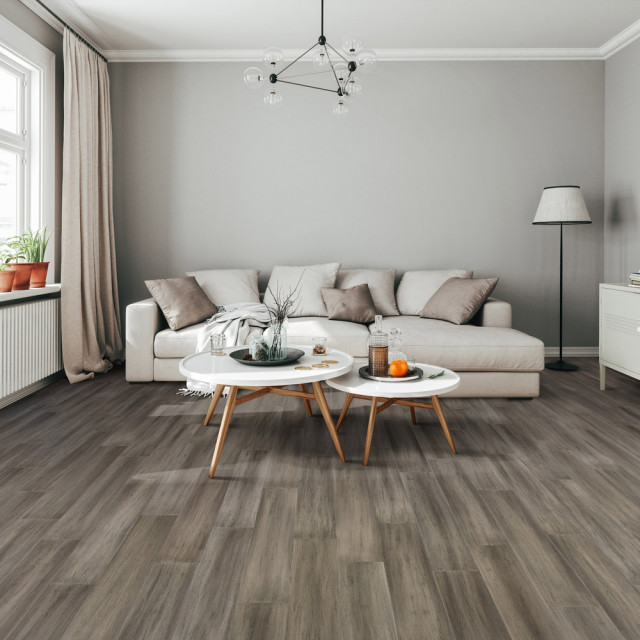
I never expected to fall for grey bamboo flooring. When I started my living room renovation, I had my heart set on a warm natural wood tone, but a friend suggested I look at grey bamboo before committing. I pulled a few samples, brought them home, and within an hour I had completely changed my plans. There was something about the cool, sophisticated tone combined with bamboo’s natural texture that felt both modern and grounded at the same time. If you’re considering grey bamboo flooring and want to know what it’s actually like to live with, let me share everything I’ve discovered.
What Makes Grey Bamboo Flooring Different From Other Options
Grey bamboo flooring starts with natural bamboo that’s been stained, smoked, or treated to achieve its cool tone. When I was shopping, I found it helpful to understand that the grey color is applied to the surface rather than being bamboo’s natural state, which is a warm honey or caramel. Knowing this helped me ask the right questions about how the color was achieved and how stable it would be over time.
The most common methods for achieving grey tones in bamboo are surface staining and a carbonization process that involves heat and pressure. Stained bamboo gives you precise, consistent color control, while smoked or fumed bamboo creates a more organic variation in tone that I personally find more beautiful. My floor used a staining process over strand-woven bamboo, and the result is rich and consistent with just enough natural variation to keep it interesting.
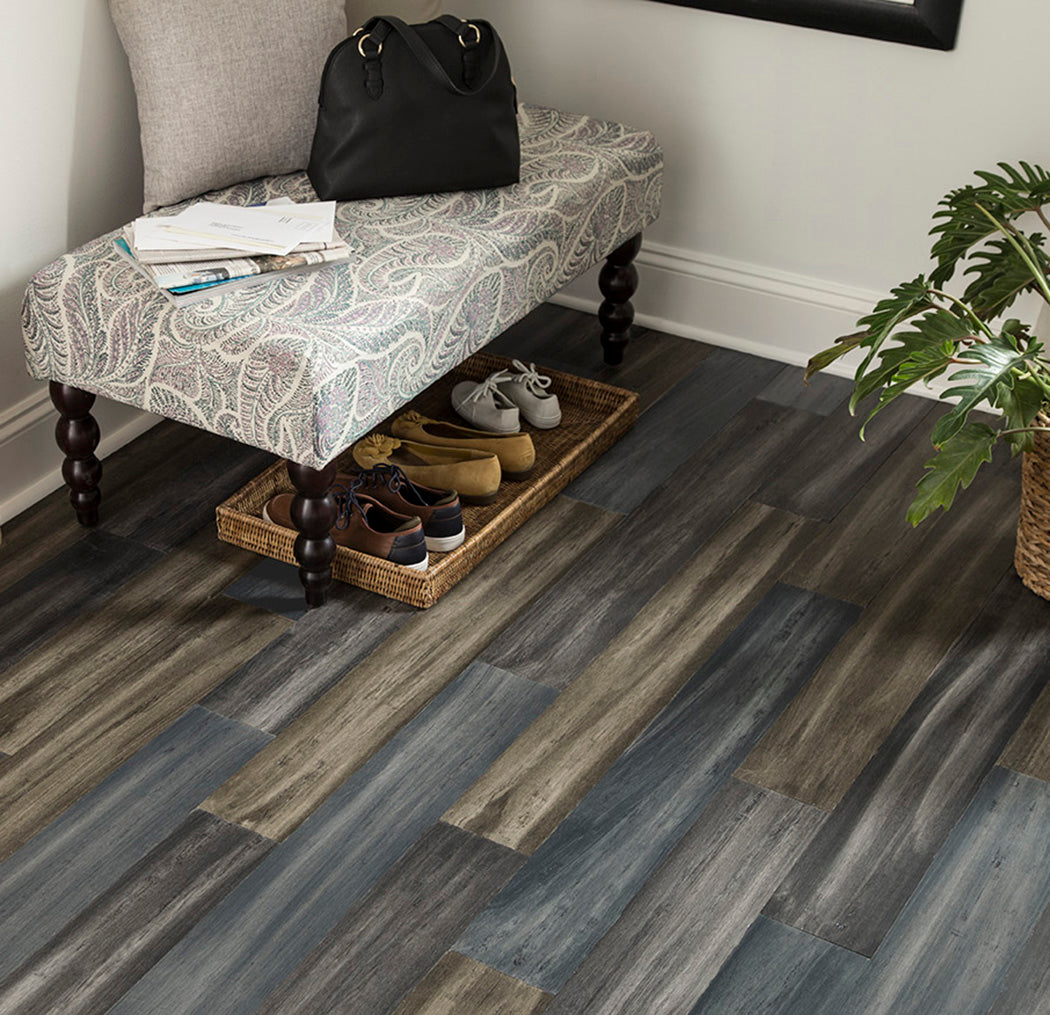
What separates grey bamboo from grey laminate or vinyl is the texture and authenticity of the material. Bamboo has a natural grain that catches light differently at different angles, creating subtle depth that manufactured materials can’t fully replicate. When sunlight moves across my floor throughout the day, the grey shifts and shimmers in a way that I find endlessly satisfying. It feels alive in a way that printed surfaces simply don’t.
The Design Versatility of Grey Bamboo in Real Spaces
One of the things I love most about grey bamboo is how beautifully it pairs with such a wide range of interior styles. In my living room, I paired it with warm white walls, natural linen furniture, and brass accents, and the result felt effortlessly current without being trendy or cold. Grey floors have a unique ability to read as neutral while still adding genuine character to a space.
Grey bamboo also works exceptionally well with Scandinavian and minimalist design aesthetics, which tend to favor clean lines, natural materials, and restrained palettes. I have a friend who installed the same grey bamboo in a more contemporary space with concrete counters and black metal fixtures, and it looked completely different in the best possible way. The floor adapted to both environments beautifully.
For anyone worried that grey floors will feel clinical or cold, I’d encourage you to look at the undertone carefully before buying. Some grey bamboos lean blue or green, which does read cooler. Others have a brown or beige undertone that keeps the space feeling warm despite the grey classification. My floor has a warm greige undertone that prevents the space from ever feeling stark, even on overcast winter days when natural light is minimal.

Strand-Woven vs. Traditional Grey Bamboo: What I Learned
When I started shopping for grey bamboo, I quickly encountered two main construction types: traditional bamboo and strand-woven bamboo. Traditional bamboo is made from flattened bamboo strips laminated together, while strand-woven bamboo is made from shredded bamboo fibers compressed under intense pressure. The difference in performance is significant and worth understanding before you buy.
Strand-woven bamboo is dramatically harder and denser than traditional bamboo. On the Janka hardness scale, strand-woven bamboo often exceeds even the hardest traditional hardwoods, while traditional bamboo sits in a much softer range. I chose strand-woven specifically because I have a dog and wanted the extra durability. Two years later, the floor still shows minimal scratching despite daily pet activity.
The visual difference between the two is also notable. Traditional bamboo shows the characteristic nodes and striped grain pattern most people associate with bamboo. Strand-woven bamboo has a more complex, almost wood-like grain that many people find more elegant and less obviously bamboo-like. For a grey finish especially, strand-woven’s richer texture tends to look more sophisticated and works better in contemporary interiors.
How Grey Bamboo Handles Real Life, Pets, and Kids
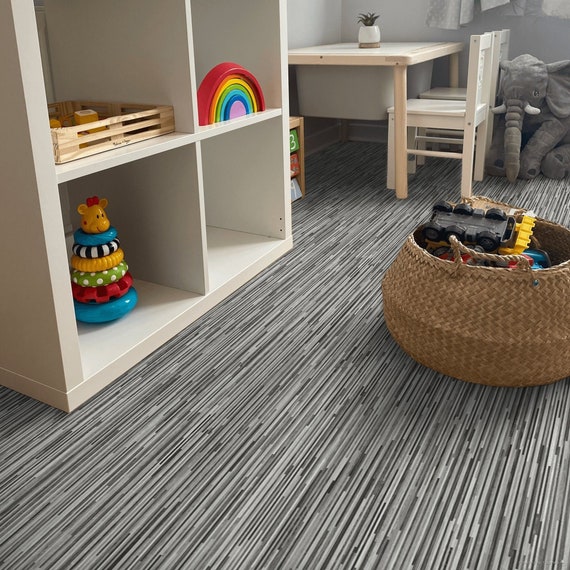
Before I committed to grey bamboo, I spent a lot of time worrying about whether it would show every scratch, every paw print, and every scuff mark. The honest answer is that grey is actually one of the more forgiving floor colors in practice. It hides fine dust and light debris much better than very pale or very dark options, and minor surface marks blend into the color variation naturally.
My dog moves across this floor every day, and while I do see occasional light scratches when the light hits at a certain angle, they’re far less visible than I feared. Keeping nails trimmed makes a significant difference, and I use felt pads under all furniture to prevent dragging damage. The strand-woven construction has genuinely held up better than I expected under daily pet activity and regular household use.
For families with young kids, grey bamboo is a reasonable choice with appropriate expectations. It handles spills well when cleaned up promptly, and the hardness of strand-woven bamboo resists denting from dropped toys better than softer flooring materials. That said, no bamboo floor is completely impervious to damage from very sharp or very heavy impacts. Using area rugs in play zones adds a practical buffer and keeps wear concentrated on surfaces that are easy to replace.
Caring for Grey Bamboo Floors Without Damaging the Finish
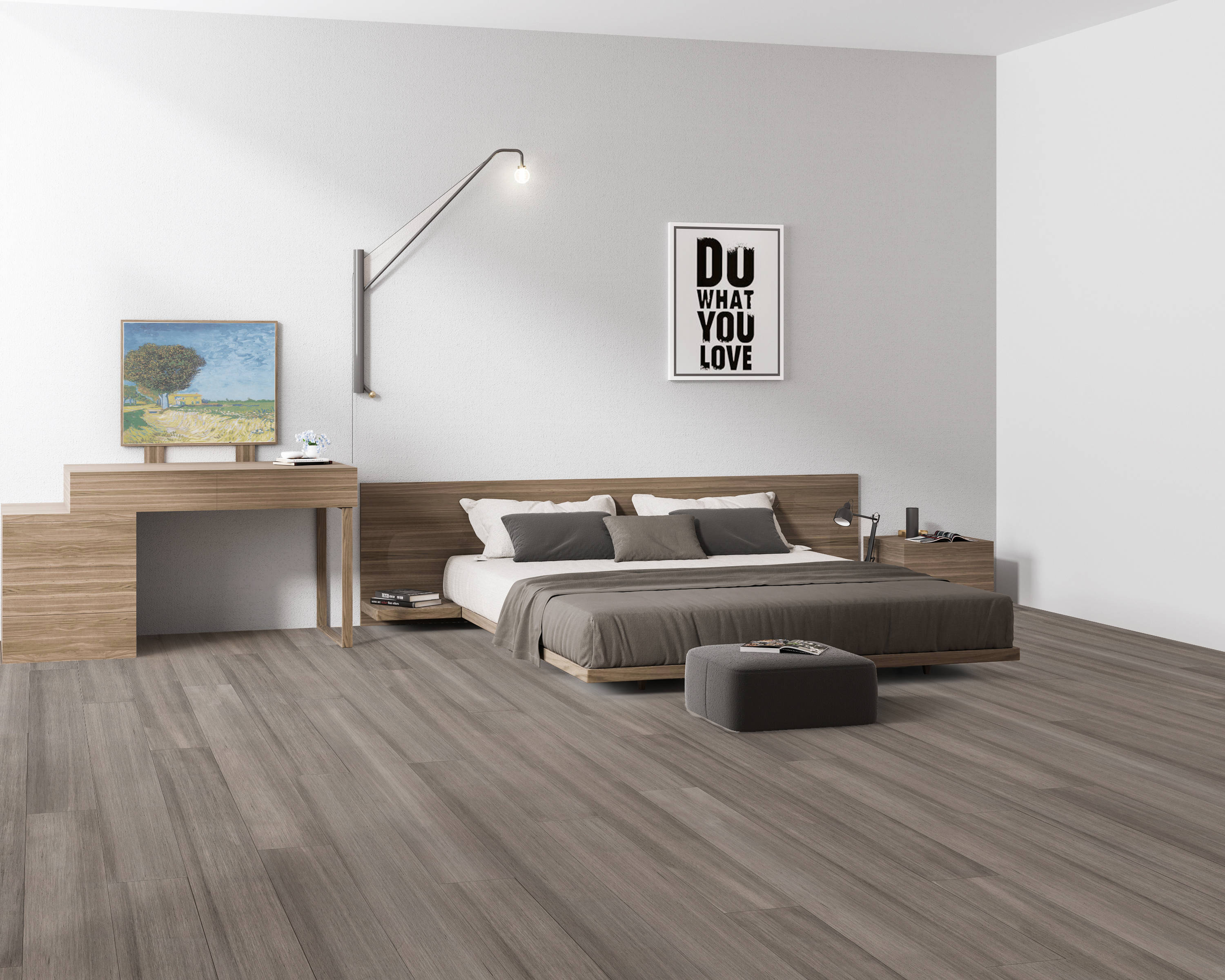
Maintaining the color and finish on grey bamboo requires a bit more attention than natural bamboo because the stained surface can be affected by harsh cleaning products. I learned this early and adjusted my routine accordingly. The good news is that once you know what to avoid, the daily care is simple and quick.
I use a microfiber dust mop daily to catch grit and fine debris before it can scratch the surface. For weekly cleaning, I use a pH-neutral hardwood and bamboo floor cleaner applied with a barely damp microfiber mop. The key word there is barely. I wring the mop until it feels almost dry before it touches the floor, because excess moisture can affect both the bamboo and the stained finish over time.
Avoid anything acidic, like vinegar-based cleaners, and stay away from oil soaps or wax-based products that leave residue. I made the mistake of using a general-purpose floor cleaner once that left a hazy film over a section of my floor. It took several passes with the correct cleaner to fully remove it. Sticking to products specifically formulated for finished bamboo keeps the grey color looking rich and the finish intact for much longer.
The Cost and Long-Term Value of Grey Bamboo Flooring
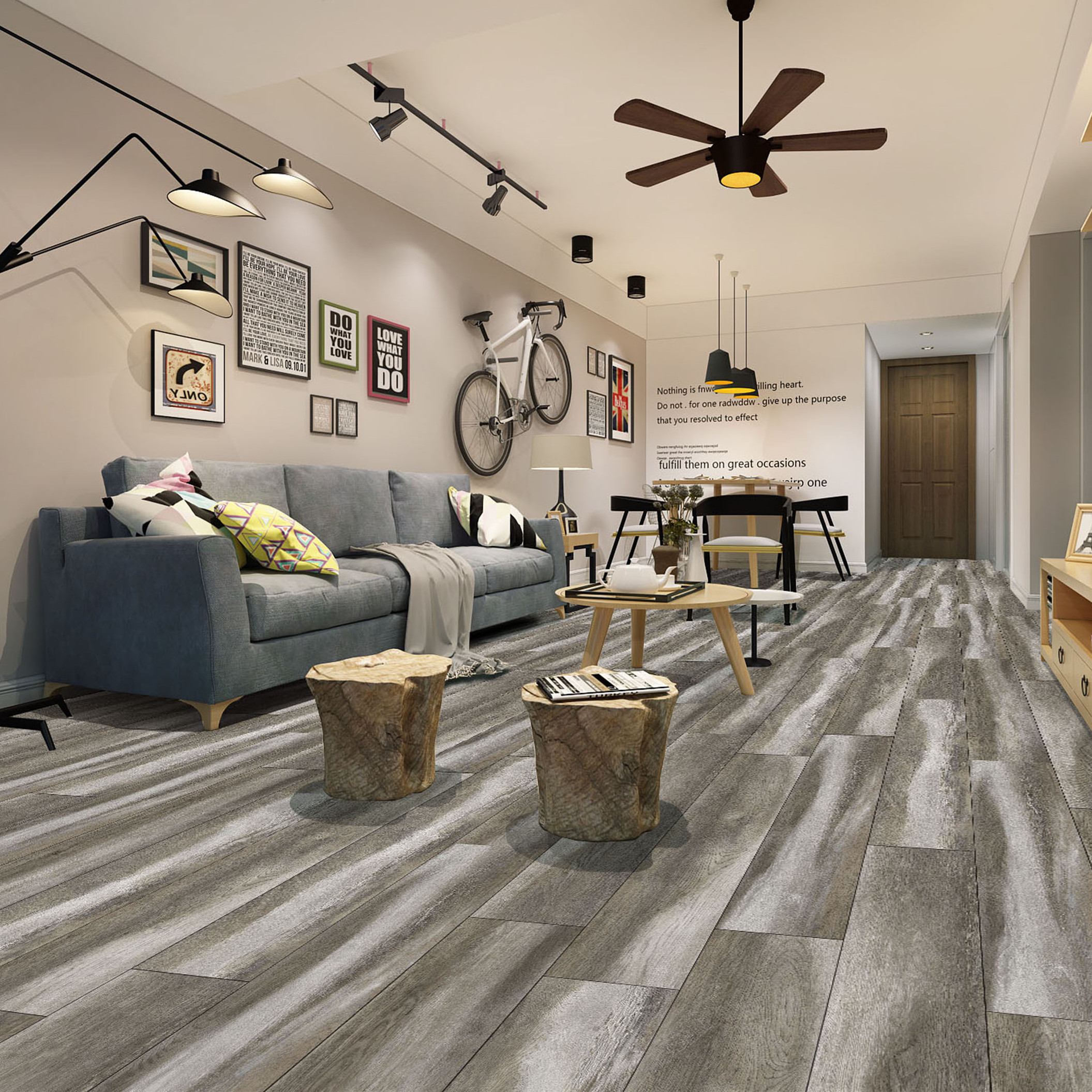
Grey bamboo flooring sits in a mid-to-upper price range compared to other flooring options, typically running between four and ten dollars per square foot for quality material, depending on construction type and finish quality. Professional installation adds to that cost, but the long-term value proposition is genuinely strong when you factor in durability and lifespan.
When I priced my project, quality grey strand-woven bamboo with professional installation came out to roughly eight to twelve dollars per square foot all in. That’s comparable to mid-grade hardwood and significantly more than laminate or vinyl, but the material authenticity and longevity justified the investment for me. Bamboo floors can last decades when properly maintained, and the ability to refinish them extends that lifespan further.
One thing worth knowing is that refinishing grey bamboo is more complex than refinishing natural bamboo, because sanding removes the stained surface layer and the floor would need to be restained to restore the grey color. This is a professional job rather than a DIY project. For that reason, protecting the finish from day one with proper maintenance, felt pads, and area rugs is especially important with a stained floor like grey bamboo.

Will grey bamboo flooring fade over time with sun exposure?
Sun exposure is a real consideration with any stained floor, and grey bamboo is no exception. UV light can gradually shift the color, sometimes causing the grey to yellow or lighten in areas hit by direct sunlight. I use UV-filtering window film on my south-facing windows and rotate rugs periodically to ensure even exposure. These steps have kept my floor’s color consistent over two years of use.
Is grey bamboo flooring suitable for kitchens?
I’d approach kitchens with caution rather than a flat no. Grey bamboo can work in kitchens if spills are wiped promptly and the floor isn’t subjected to standing water. The area directly in front of the sink and dishwasher is the highest-risk zone. I’d use a quality mat in those spots and make sure the floor is sealed well. For a full bathroom, I’d choose a fully waterproof material instead.
How does grey bamboo compare to grey hardwood in price and durability?
Grey bamboo is generally competitive with or slightly less expensive than stained grey hardwood, depending on species and quality. In terms of hardness, strand-woven bamboo actually exceeds most hardwood species, making it more scratch-resistant in daily use. Both require similar maintenance routines. The main trade-off is that hardwood can be refinished more times over its lifespan than stained bamboo can.
Can I install grey bamboo flooring myself?
Click-lock grey bamboo planks are DIY-friendly if you’re comfortable with basic flooring installation. The trickiest parts are proper subfloor prep and maintaining consistent expansion gaps. Glue-down installation is better left to professionals, especially for strand-woven bamboo, which is dense and harder to cut. I hired a professional for my project and felt the precision of the result was worth the added cost.

Does grey bamboo flooring work with radiant underfloor heating?
Some grey bamboo products are compatible with radiant heating systems, but not all. You need to check the specific product’s compatibility rating before purchasing, as excessive heat can affect both the bamboo structure and the stained finish. If radiant heating is a priority for your space, tell your flooring supplier upfront so they can direct you to compatible options rather than discovering a mismatch after purchase.
How do I know if a grey bamboo product is good quality before buying?
I look for a few key indicators: a wear layer thickness of at least 3mm for strand-woven, a Floorscore or similar indoor air quality certification, and a warranty of at least 25 years on residential use. Reputable brands will provide detailed product specs and test data. I also read verified buyer reviews specifically looking for comments about color consistency and how the grey holds up over time before making my final decision.
Related Posts: