When I decided to finish my basement, flooring was the decision I agonized over the most. The space was going to serve as a family room and home office, and I wanted something that felt warm and natural rather than cold and utilitarian. Bamboo flooring kept coming up in my research as an eco-friendly, attractive option, but I also kept reading warnings about moisture and basements.
After doing serious research, consulting with a flooring professional, and ultimately going ahead with engineered bamboo, I have a clear picture of what works, what doesn’t, and what I wish someone had told me before I started.
Why Bamboo Flooring Appeals to Basement Spaces
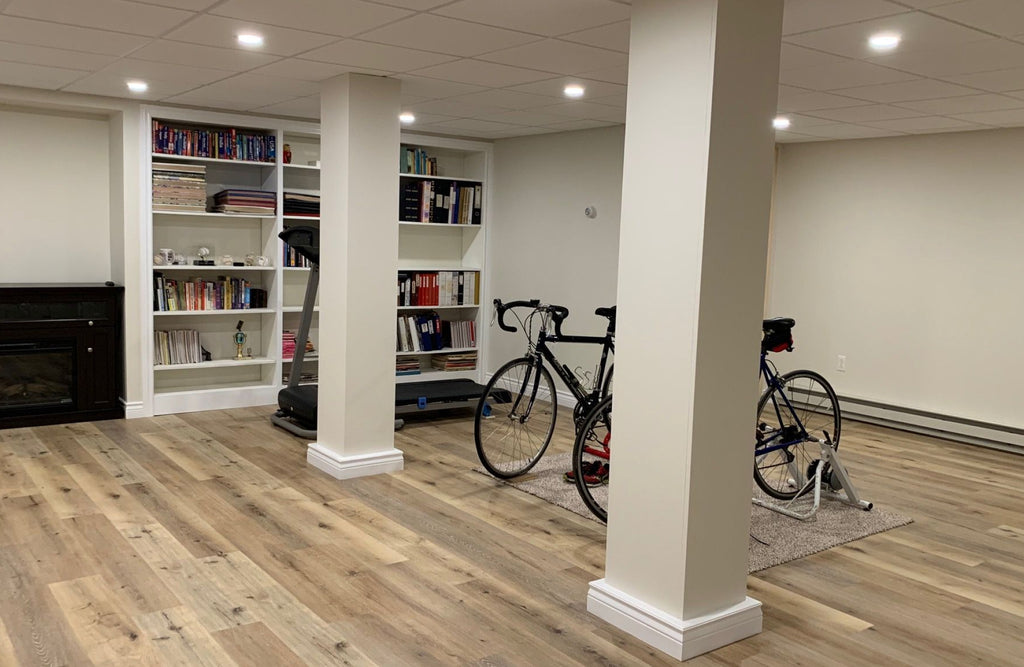
Basements tend to feel cold, dark, and unwelcoming, and the right flooring can change that completely. When I was planning my basement renovation, I wanted something that would make the space feel like a real room rather than an afterthought. Bamboo’s warm, natural tones and clean grain patterns bring exactly that kind of organic warmth that makes a below-grade space feel genuinely inviting and finished.
Bamboo is also one of the most sustainable flooring materials available, which mattered to me personally. It grows to harvest maturity in three to five years compared to decades for hardwood trees.
Choosing bamboo felt like making a responsible decision for a renovation project that was already using a lot of materials. The environmental story behind it adds a layer of satisfaction to the finished result that I appreciate every time I think about it.
The natural hardness of bamboo, especially strand-woven bamboo, is another compelling feature for a basement space that might see active use. Strand-woven bamboo can be harder than many traditional hardwoods, making it resistant to denting and surface wear.
For a basement that doubles as a playroom or workout space, that durability is genuinely valuable. It convinced me that bamboo wasn’t just a pretty choice but a practical one for a hardworking room.

Understanding the Moisture Challenge in Basements
Here is the honest conversation I wish I had found earlier: basements and natural flooring materials have a complicated relationship, and bamboo is no exception. Below-grade spaces naturally have higher humidity levels than above-grade rooms, and bamboo is sensitive to moisture. Standard solid bamboo flooring is not recommended for basements, full stop. I want to be clear about that before anything else.
The reason comes down to how bamboo responds to moisture. When humidity levels rise, bamboo expands. When they drop, it contracts. In a basement where humidity can swing significantly between seasons, solid bamboo can cup, warp, or develop gaps that make the floor look terrible and feel unstable underfoot. I saw photos of failed solid bamboo basement installations in online forums, and they were genuinely discouraging.
The solution that made my basement bamboo floor possible was a dehumidifier combined with engineered bamboo. I installed a quality dehumidifier that keeps my basement between forty-five and fifty-five percent relative humidity year-round. That stable humidity environment is what allows bamboo to perform well in a below-grade space. Without humidity control, I would have chosen a different material entirely. That dehumidifier was not optional. It was a prerequisite for the whole project.
Engineered Bamboo Versus Solid Bamboo for Basements
Once I accepted that solid bamboo wasn’t appropriate for my basement, I started researching engineered bamboo seriously and found it to be a genuinely impressive product. Engineered bamboo has a real bamboo veneer bonded to layers of plywood beneath. The layered construction resists the expansion and contraction caused by humidity changes far better than solid bamboo does, making it the only sensible bamboo option for a basement setting.
The bamboo veneer on top looks identical to solid bamboo once installed. Guests who visit my basement regularly have no idea the floor isn’t solid. The visual result is the same warm, clean, natural look I was after, and the structural stability is much better suited to the challenges of a below-grade environment. I see engineered bamboo as getting the best of both situations, the aesthetic of bamboo with the practicality of a layered floor construction.
Thickness matters when choosing engineered bamboo. I opted for a product with a thicker veneer layer because it allows for light sanding and recoating later in life, extending the floor’s lifespan meaningfully. Thinner veneer engineered products are less expensive but offer no refinishing potential. For a basement where you’re already managing a challenging environment, investing in a thicker veneer gives you more options down the road and better overall value.
Testing Your Basement for Moisture Before Installation
Before I bought a single plank of flooring, my installer recommended a moisture test that I’m really glad I did. The plastic sheet test is simple: tape a twelve-inch square of plastic sheeting directly to the concrete subfloor and seal all four edges completely. Leave it for seventy-two hours and then check for moisture condensation on the underside of the plastic. My test showed minimal moisture, which gave us confidence to proceed.
For a more precise reading, a professional installer can use a concrete moisture meter to measure the moisture vapor emission rate from the slab. The acceptable threshold for most engineered bamboo products is around three pounds per thousand square feet per twenty-four hours. If your slab is emitting more moisture than that, you need to address the source before installing any wood-based flooring product. Installing over a wet slab is how floors fail prematurely.
I also checked my basement walls and perimeter carefully for any signs of water intrusion, efflorescence, which is those white mineral deposits on concrete, or past flooding marks. None of those were present in my space, which was reassuring. If you find evidence of water intrusion in your basement, that needs to be professionally remediated before you even think about flooring. No floor material performs well in a space that has active water problems.

Installing Engineered Bamboo Over a Concrete Basement Floor
My installer used a floating installation method for my engineered bamboo, meaning the planks click together and rest over an underlayment without being glued or nailed to the concrete. This method is ideal for basements because it allows the floor to move slightly as conditions change, and it keeps the bamboo separated from the concrete beneath. That separation is an important buffer against residual moisture from the slab.
The underlayment I used had a built-in moisture barrier on the underside, which added another layer of protection between the concrete and the bamboo. This type of underlayment is specifically designed for below-grade installations and is worth the modest extra cost compared to basic foam underlayment. My installer was emphatic about this detail, and I trusted his experience completely on that recommendation.
Leave expansion gaps around the entire perimeter of the basement when installing floating bamboo. Basements can experience more dramatic seasonal humidity swings than upper floors, and the floor needs room to expand without buckling. My gaps were covered by the baseboard trim so they’re completely invisible in the finished room. Taking that step seriously is what separates a floor that stays flat and tight for years from one that develops problems after the first summer.
Long-Term Care and Maintenance for Basement Bamboo
Maintaining my basement bamboo floor is straightforward as long as I stay consistent with the fundamentals. Regular sweeping or vacuuming with a soft brush attachment keeps grit off the surface, which is the main cause of surface scratching over time. Grit is especially common in basements where people track in dirt from outside, so I added a large entry mat at the bottom of the stairs to catch debris before it reaches the floor.
For cleaning, I use a barely damp microfiber mop with a pH-neutral hardwood and bamboo floor cleaner. I never let water sit on the surface and avoid any cleaning method that introduces significant moisture. Steam mops are a hard no for any bamboo floor, but especially in a basement where you’re already managing moisture carefully. The steam drives heat and moisture into the surface and seams in ways that cause long-term damage.
The single most important ongoing maintenance task for a basement bamboo floor is monitoring and maintaining your humidity levels consistently. I check my dehumidifier weekly during humid summer months and empty the reservoir as needed. In winter when heating systems dry the air out, I sometimes run a small humidifier to keep levels from dropping too low. Keeping that forty-five to fifty-five percent range stable is genuinely what makes this floor work in a basement environment, and I treat it as a non-negotiable part of owning this floor.
Can I install bamboo flooring in a basement that has had past flooding?
I would strongly advise against it. Past flooding suggests your basement has active or potential water intrusion issues that need professional waterproofing remediation first. No bamboo product, solid or engineered, is appropriate for a space with unresolved water problems. Fix the source of moisture before choosing any flooring material, then reassess your options once the space has been dry and stable for at least one full season.
What humidity level should I maintain for basement bamboo flooring?
Aim for a consistent relative humidity between forty-five and fifty-five percent year-round. I run a dehumidifier in summer and occasionally supplement with a humidifier in dry winter months. Swings outside that range cause bamboo to expand and contract excessively, leading to warping, cupping, or gaps. Investing in a quality hygrometer to monitor basement humidity accurately is one of the smartest five-dollar purchases you can make for this project.
Is engineered bamboo flooring expensive for a basement installation?
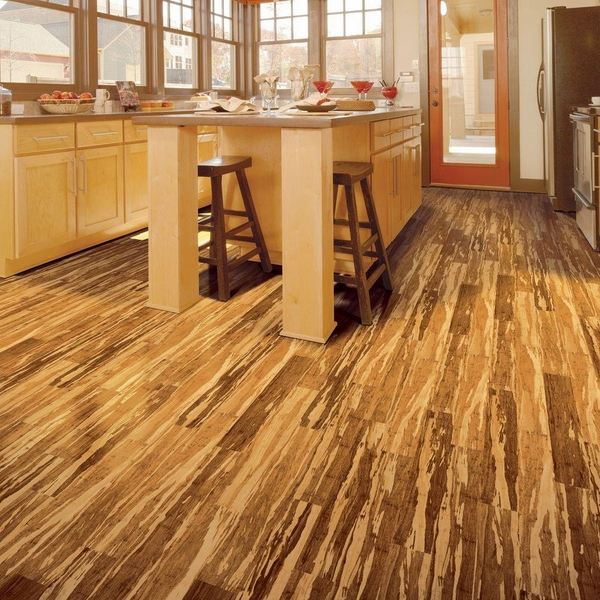
Engineered bamboo typically runs three to seven dollars per square foot for materials, which is mid-range compared to other flooring options. It costs more than basic vinyl plank but less than premium hardwood. For a basement, you also need to factor in moisture-barrier underlayment and a quality dehumidifier if you don’t already have one. The total investment is reasonable for a finished space that will get years of comfortable use.
How long will engineered bamboo last in a basement?
With proper humidity control and regular maintenance, engineered bamboo in a basement can last fifteen to twenty-five years. The lifespan depends heavily on maintaining stable humidity levels and protecting the surface from grit and moisture. Products with thicker veneer layers can be lightly refinished once or twice to extend their useful life. Neglecting humidity control is the fastest way to shorten a bamboo floor’s lifespan in any below-grade environment.
Is bamboo flooring in a basement safe for kids and pets?
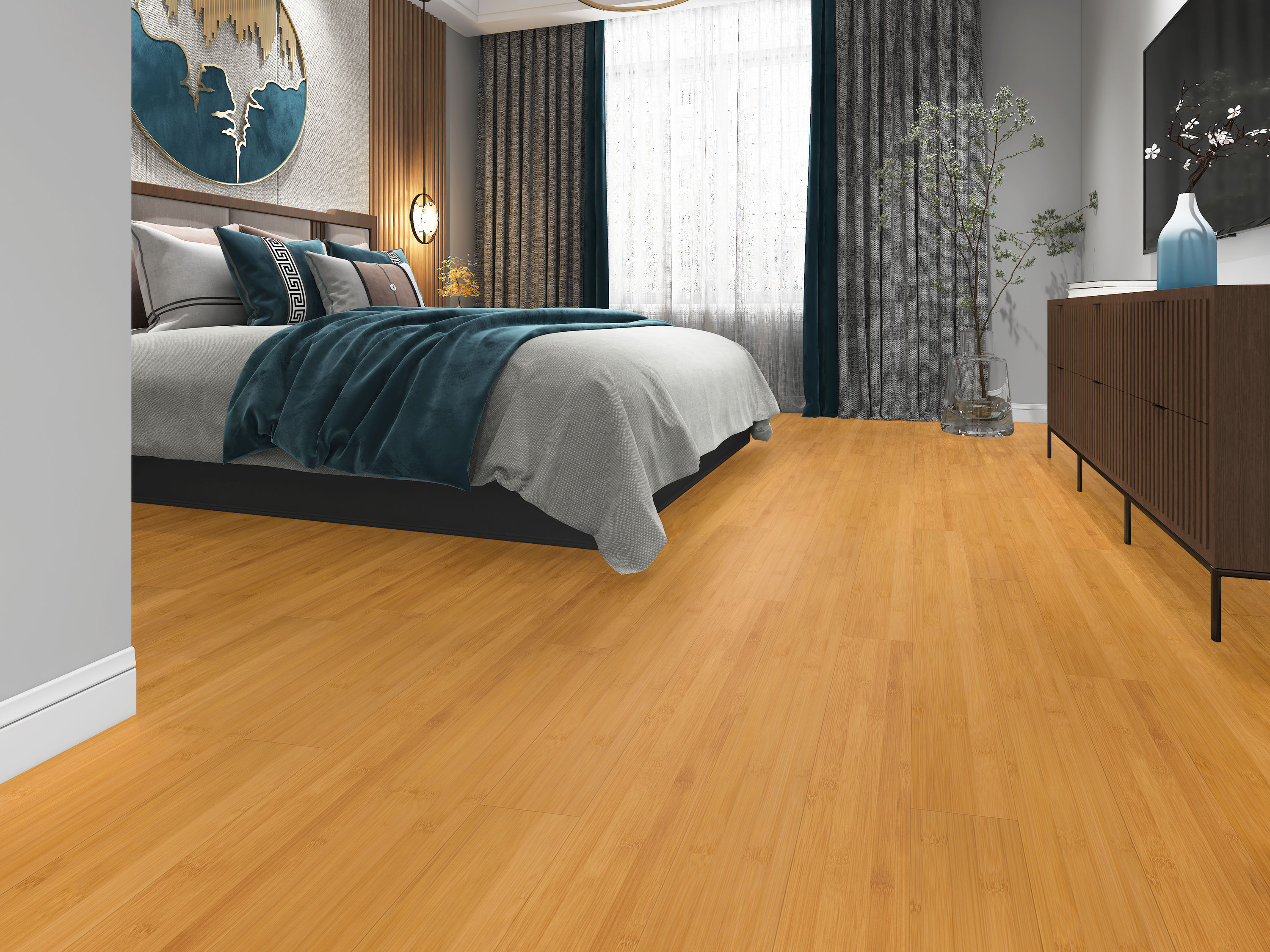
Yes, it works well for families. Strand-woven engineered bamboo is hard and durable enough to handle active kids and pets. Keep pet nails trimmed to reduce surface scratching, use entry mats to catch moisture and dirt, and clean up accidents immediately since any standing liquid is problematic. The surface is easy to wipe clean and doesn’t trap allergens the way carpet does, which makes it a hygienic and practical choice for active family basement spaces.
What is the best alternative if bamboo flooring doesn’t suit my basement?
Waterproof luxury vinyl plank is my top alternative recommendation for basements. It handles moisture far more forgivingly than any wood-based product, requires no humidity management, and looks fantastic in wood or stone patterns. It’s also comfortable underfoot and easy to install as a DIY project. If your basement has any unresolved moisture issues or if maintaining strict humidity control feels impractical for your lifestyle, waterproof LVP is honestly the smarter, lower-stress choice.

Related Posts:
- Dark Bamboo Solid Wood Flooring
- Light Gray Bamboo Flooring
- Black Bamboo Flooring
- Bamboo Flooring Basement
- Dark Bamboo Wood Flooring
- Light Colored Bamboo Flooring
- Vertical Bamboo Flooring
- How To Refinish Bamboo Floors
- Bamboo Flooring Grey
- How to Deep Clean Bamboo Floors
Bamboo Flooring in the Basement: Pros and Cons
When deciding on the best flooring for your basement, it is important to consider the advantages and disadvantages of each option. Bamboo flooring is an increasingly popular choice due to its durability and environmental friendliness, but is it the right option for a basement? Here, we explore the pros and cons of bamboo flooring in the basement.
Pros of Bamboo Flooring in Basements
Durability: Bamboo is a hard, dense wood that is highly resistant to scratches, dents, and staining. This makes it an ideal choice for basements that may need to withstand heavy foot traffic or frequent furniture rearranging.
Environmentally Friendly: Bamboo is eco-friendly because it grows quickly and does not require large amounts of water or pesticides to thrive. Additionally, it is one of the most sustainable flooring materials available.
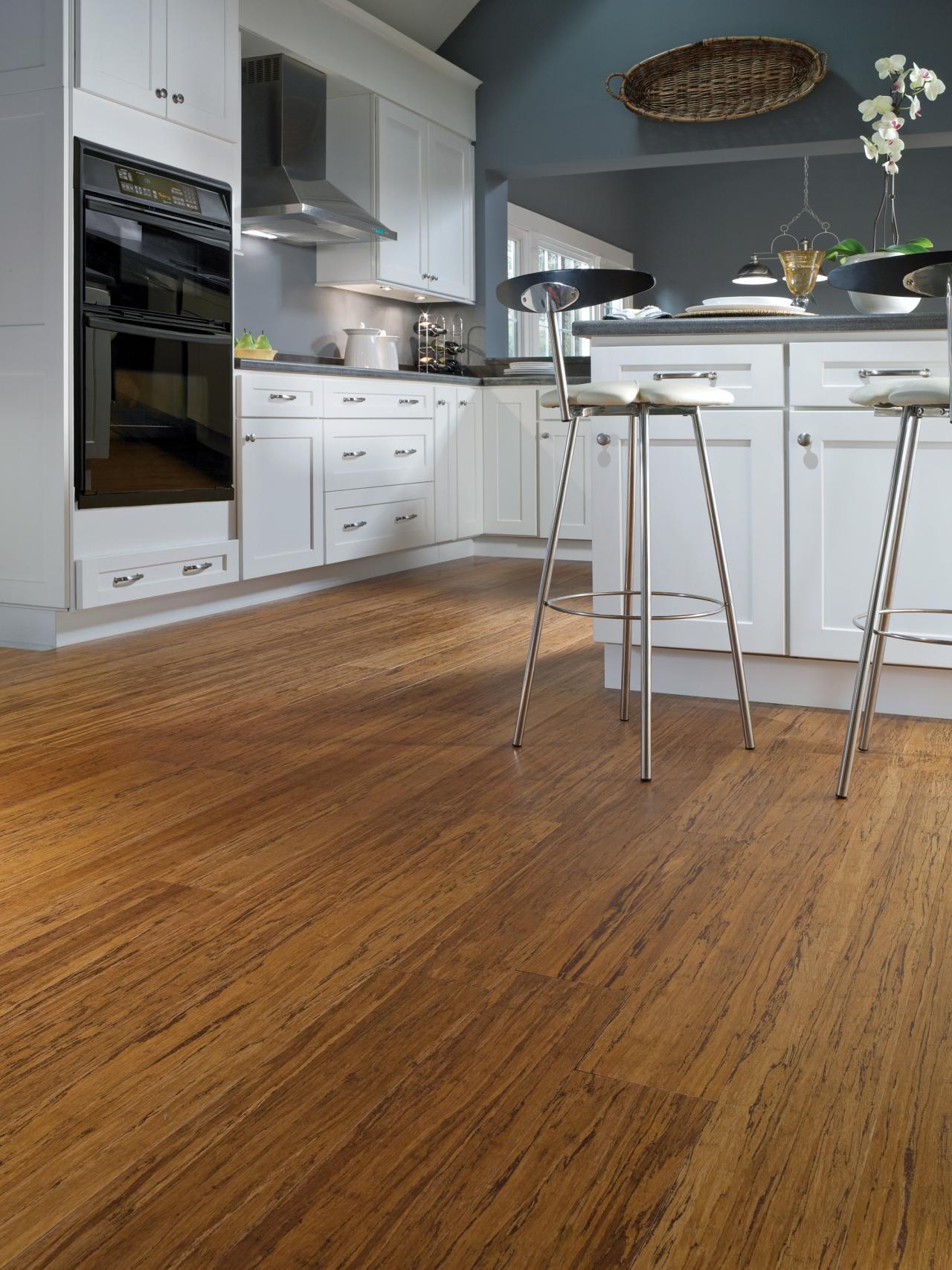
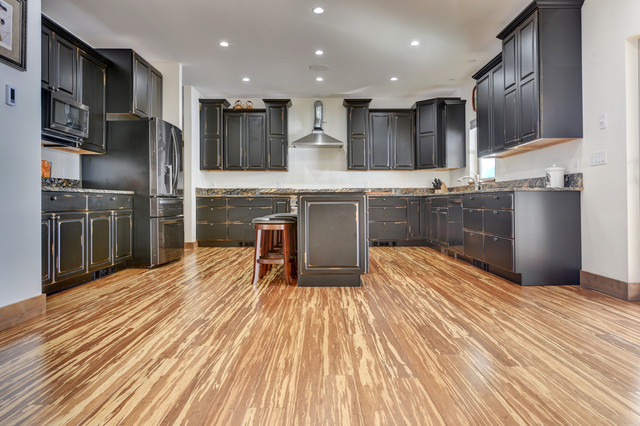
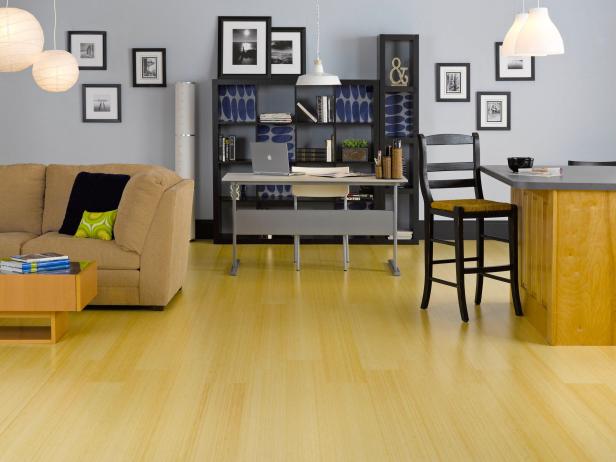
Aesthetics: Bamboo’s natural beauty can add warmth and charm to a basement. It comes in a variety of colors and styles, so you can choose a look that fits your personal style.
Cons of Bamboo Flooring in Basements
Moisture Damage: Basements are prone to high levels of humidity, which can cause bamboo flooring to warp or buckle. If you choose to install bamboo flooring in your basement, you must invest in a dehumidifier or other moisture-control system to keep the air dry enough for the flooring to remain intact.
Installation Cost: Installing bamboo flooring in a basement can be more expensive than installing it on other levels of your home due to the extra preparation required. You may need to hire a professional contractor to make sure the installation process is done correctly.
Q: Does bamboo flooring require special maintenance?
A: Yes, bamboo flooring should be swept regularly and can be cleaned with a damp mop when needed. It also requires regular waxing or oiling every few years for optimal protection against wear and tear.
Q: Is bamboo flooring suitable for basements with concrete subfloors?
A: Yes, bamboo flooring can be installed on concrete subfloors as long as the concrete is level and free from moisture or cracks. You will also need to lay down an appropriate underlayment before installing the flooring.
Q: How long does bamboo flooring last?
A: With proper maintenance, bamboo flooring can last up to 25 years or more.