When I was renovating my living room, I kept circling back to bamboo flooring as an option I couldn’t quite dismiss. It showed up on every eco-friendly flooring list I read, but I wasn’t sure whether vertical bamboo specifically was the right choice or just a trendy compromise. After spending months researching, getting samples, and finally installing it, I have a clear and honest picture of what vertical bamboo flooring really delivers. If you’re in that same research phase right now, let me save you some time and share everything I wish I had known from the start.
Understanding What Vertical Bamboo Flooring Actually Is
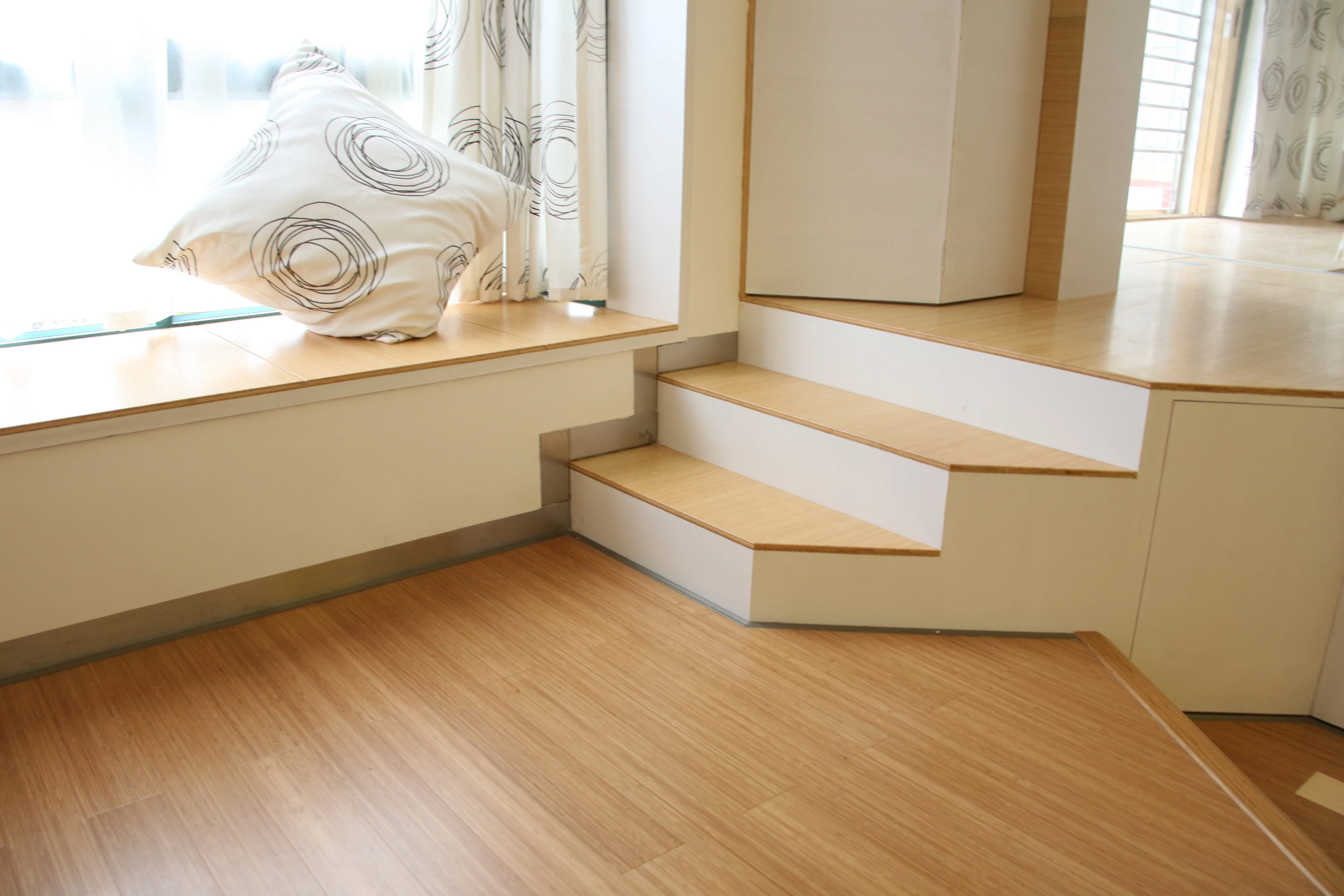
When I first started looking at bamboo flooring, I didn’t realize there were different constructions within the category. Vertical bamboo is made by slicing bamboo stalks into thin strips and laminating them together with the strips standing on their narrow edge. This orientation creates a floor with a distinctive linear grain pattern and a clean, contemporary appearance.
This is different from horizontal bamboo, where the strips are laid flat and bonded together, showing the characteristic oval nodes of the bamboo plant more prominently. Vertical construction produces a more uniform, subtle grain pattern that I found looked more like traditional hardwood at first glance, which suited the modern aesthetic I was going for in my space.
There is also strand-woven bamboo, which is a separate and denser construction entirely. Strand-woven involves shredding the bamboo fibers and compressing them under heat and pressure, resulting in an extremely hard material. Vertical bamboo is softer than strand-woven but has its own distinct look and feel that many people, myself included, actually prefer for its more natural bamboo appearance.
How Vertical Bamboo Compares to Hardwood in Durability
Before committing, I wanted to understand honestly how vertical bamboo stacks up against traditional hardwood in terms of hardness and durability. The Janka hardness rating for vertical bamboo typically falls around 1,380, which places it comparable to red oak and harder than many popular domestic hardwood species including pine, cherry, and walnut.
That said, durability in real life is more nuanced than a single rating suggests. Bamboo’s fibrous structure can respond differently to dents and scratches than wood. In my experience, it resists surface scratches reasonably well from everyday use, but it can dent from sharp point impacts, like a heavy item dropped from counter height, in ways that a harder species might not. Knowing this helped me set realistic expectations.
I found the durability more than adequate for my household, which includes two adults, a dog, and frequent guests. The key was choosing a finish with a quality wear layer and maintaining the floor properly from day one. The finish does more protective work on bamboo than many people realize, so the quality of the topcoat matters as much as the hardness of the material underneath it.

The Distinctive Appearance of Vertical Bamboo and How It Fits Modern Spaces
One of the things that drew me to vertical bamboo over horizontal was the cleaner visual line the vertical grain creates. The tight, parallel grain runs along the length of each plank in a way that feels sleek and uncluttered, which fit perfectly with the modern, minimal interior I was working toward in my living room renovation.
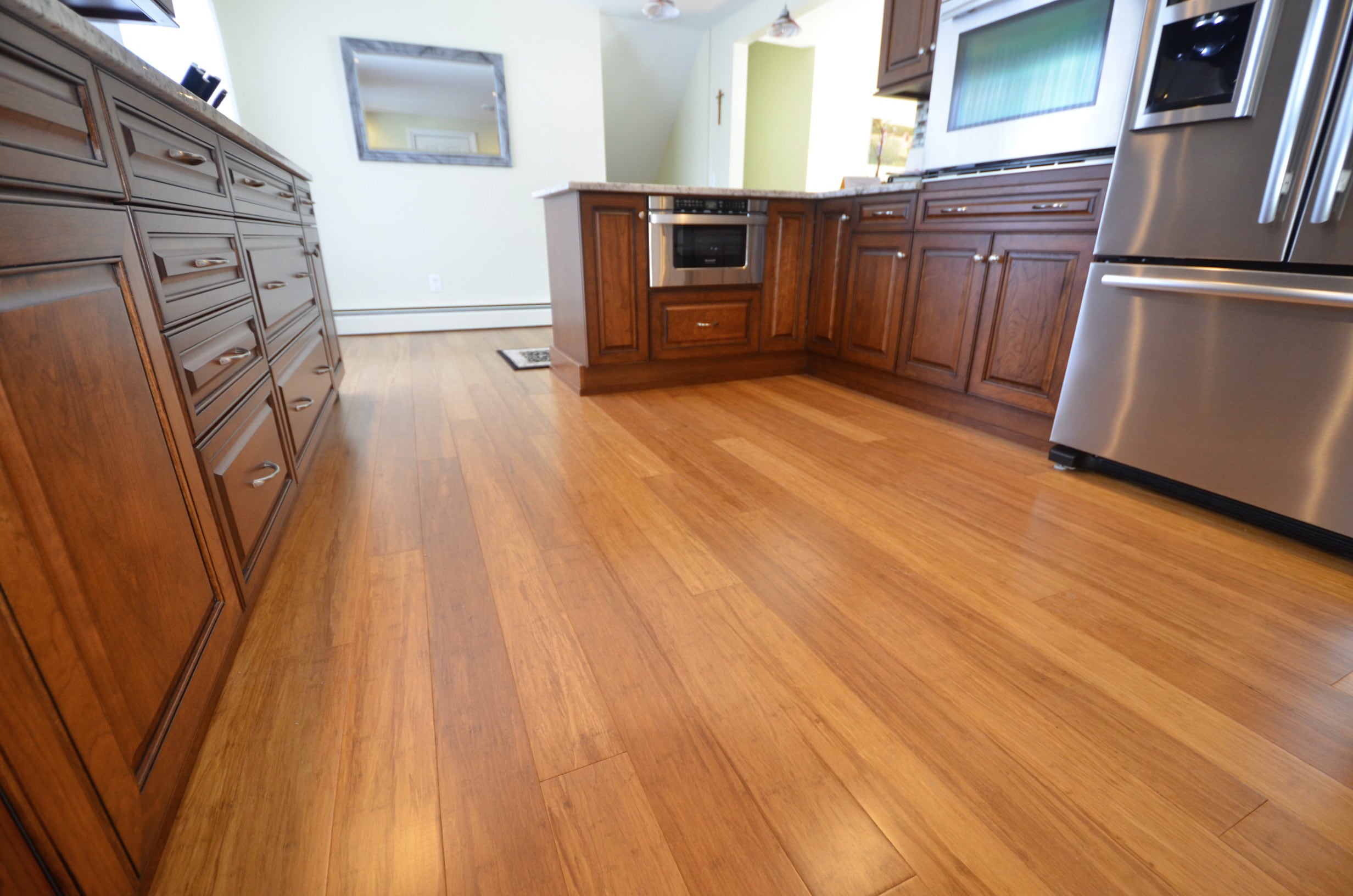
Color options have expanded significantly from what was available even a few years ago. Natural vertical bamboo has a pale, warm cream tone that brightens a space beautifully. Carbonized vertical bamboo is heat-treated to produce a richer caramel or medium brown color, which I came very close to choosing before deciding I wanted the lighter tone for my specific room. There are also stained options that push the color further in various directions.
Wide plank vertical bamboo has become increasingly available and I highly recommend considering it if you want a more contemporary look. Standard plank widths around 3 to 4 inches have a more traditional feel, while wider planks at 5 inches or more create a more open, modern appearance. I chose a 5-inch wide natural vertical bamboo and it reads beautifully in the room, feeling more like a premium hardwood installation than a budget-conscious alternative.

Moisture Sensitivity and Where Vertical Bamboo Works Best
One thing I want to be upfront about is that vertical bamboo has meaningful moisture sensitivity, and understanding this before choosing where to install it matters. Bamboo expands and contracts in response to humidity changes more noticeably than some hardwood species, and vertical construction is particularly susceptible to gapping in very dry environments or cupping in overly humid ones.
I installed mine in a living room with a relatively stable humidity level, and I’ve had no issues over two years of ownership. I also run a whole-home humidifier during dry winter months to keep indoor humidity between 40 and 60 percent, which is the sweet spot most bamboo manufacturers recommend. Maintaining that range has kept my floor stable and gap-free through two complete seasonal cycles.
I would not install vertical bamboo in a bathroom, basement, or any space with frequent moisture exposure. The kitchen is possible with vigilance about spills, but I personally opted for a different flooring material there to avoid the stress. Vertical bamboo truly shines in living rooms, bedrooms, dining rooms, and home offices where humidity is controlled and moisture exposure is minimal and manageable.
Installing Vertical Bamboo Flooring: What the Process Actually Involves
Installation was something I seriously considered doing myself before deciding to hire a professional for this particular project. Vertical bamboo can be installed using nail-down, glue-down, or floating methods depending on the subfloor type and the specific product. My installer recommended nail-down over my plywood subfloor, which he said produces the most stable and solid result for this material.
Acclimation was one step my installer was very firm about and I’m glad he insisted. The bamboo planks sat stacked in my living room with the boxes open for five full days before installation began. Because vertical bamboo is more reactive to humidity than some floors, giving it adequate time to adjust to your home’s specific conditions is genuinely important rather than just a formality printed on the packaging.
The installation itself took one full day for my 420-square-foot living room. The nail-down process requires a flooring nailer tool and careful attention to keeping rows straight across a long span. My installer used a chalk line every several rows to check alignment, which kept the finished result looking clean and professionally done. If you’re confident with tools and patient about precision work, this is a manageable DIY project with the right equipment.
Caring for Vertical Bamboo Floors to Make Them Last
Proper daily care for vertical bamboo is simpler than I expected once I established a routine. A soft microfiber dry mop handles dust and pet hair effectively without scratching the finish. I do this every two to three days depending on how much traffic the room sees, and it keeps things looking consistently clean between deeper cleanings.
For deeper cleaning, I use a bamboo-specific or hardwood-appropriate cleaner applied sparingly with a barely damp mop. The emphasis on barely damp is important because excess water is one of the fastest ways to damage bamboo flooring over time. I spray the cleaner directly onto the mop head rather than onto the floor, which gives me better control over moisture levels during cleaning.
I protect the floor in practical ways beyond cleaning as well. Felt pads under all furniture legs were one of the first things I installed after the floor was down, and I keep a large area rug under my coffee table and seating area to reduce wear in the most trafficked zone. I also added a UV-filtering film to my main window to reduce direct sun exposure, which can fade and dry bamboo over time. These simple habits have kept my floor looking excellent and I’m confident they’ll extend its life well beyond what a poorly maintained floor would manage.

Is vertical bamboo flooring harder than regular hardwood?
Vertical bamboo has a Janka rating around 1,380, which is comparable to red oak and harder than many popular species like pine, cherry, and walnut. It’s softer than strand-woven bamboo or very hard exotics like Brazilian cherry. In daily life it holds up well to foot traffic and normal use. Sharp impacts can cause dents, so it’s worth setting realistic expectations and choosing a quality finish to maximize its protection.
Can vertical bamboo flooring be installed in a kitchen or bathroom?
I’d be cautious about both. Bathrooms are a definite no in my opinion since the moisture exposure is too consistent and damaging for vertical bamboo’s sensitive nature. Kitchens can work if you’re diligent about wiping spills immediately and maintaining stable humidity. I chose a different material for my kitchen to avoid the stress. Vertical bamboo truly excels in living rooms, bedrooms, and dining rooms where moisture is minimal and controlled.

How much does vertical bamboo flooring cost compared to hardwood?
Vertical bamboo typically runs $3 to $7 per square foot for quality material, with installation adding $2 to $4 per square foot. That places it below most solid hardwood options, which commonly start at $6 to $8 per square foot just for material. The savings are real without a dramatic compromise in appearance or performance. I spent around $5.50 per square foot all-in and consider it very good value for the look and longevity I’m getting.
How long does vertical bamboo flooring last?
With proper care and stable humidity conditions, vertical bamboo can last 20 to 25 years. The finish will likely need refreshing before the bamboo itself wears out, typically around the 7 to 10 year mark in high-traffic areas. Unlike some synthetic floors, bamboo can be sanded and refinished, which significantly extends its usable life. Maintaining indoor humidity between 40 and 60 percent is the single most important factor in keeping vertical bamboo stable and lasting long-term.
Is vertical bamboo flooring a good eco-friendly choice?
Yes, genuinely. Bamboo is one of the fastest-growing plants on earth, reaching harvest maturity in 3 to 5 years compared to decades for hardwood trees. Harvesting bamboo doesn’t kill the plant since it regrows from the existing root system. I found the sustainability credentials meaningful and well-supported rather than just marketing. Look for products certified by credible third-party organizations and made with low-VOC adhesives for the most environmentally responsible choice available.
Does vertical bamboo flooring work well with pets?
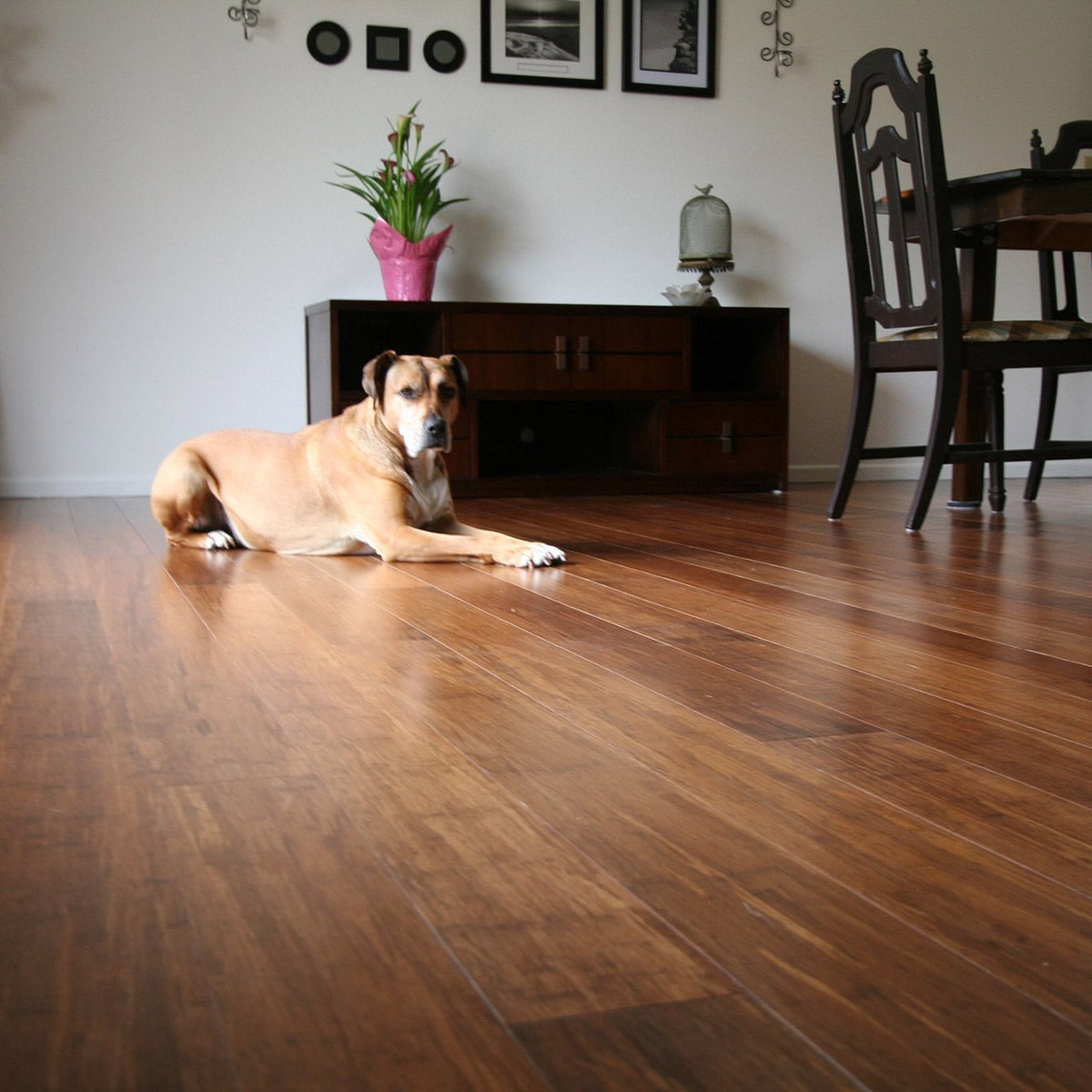
It holds up reasonably well with pets if you manage a few key factors. Keeping nails trimmed regularly is the most important step since sharp nails can scratch the finish over time. Large or very active dogs put more stress on any floor than small or calm ones, so consider your pet’s specific habits honestly. Area rugs in favorite lounging spots protect the finish in concentrated areas. My medium-sized dog has lived on my vertical bamboo floors for two years without causing any visible damage with these precautions in place.

Related Posts: