When I started looking into flooring options for my living room refresh, I kept coming back to light colored bamboo. Something about those pale, honey-toned planks felt fresh and calm, like the room could finally breathe. I’d heard mixed things from neighbors and online forums, so I did my homework, talked to several installers, and eventually took the leap. It turned out to be one of the best home decisions I’ve made in years, and I want to share everything I wish someone had told me before I started shopping.
Why Light Colored Bamboo Feels Different From Other Floors
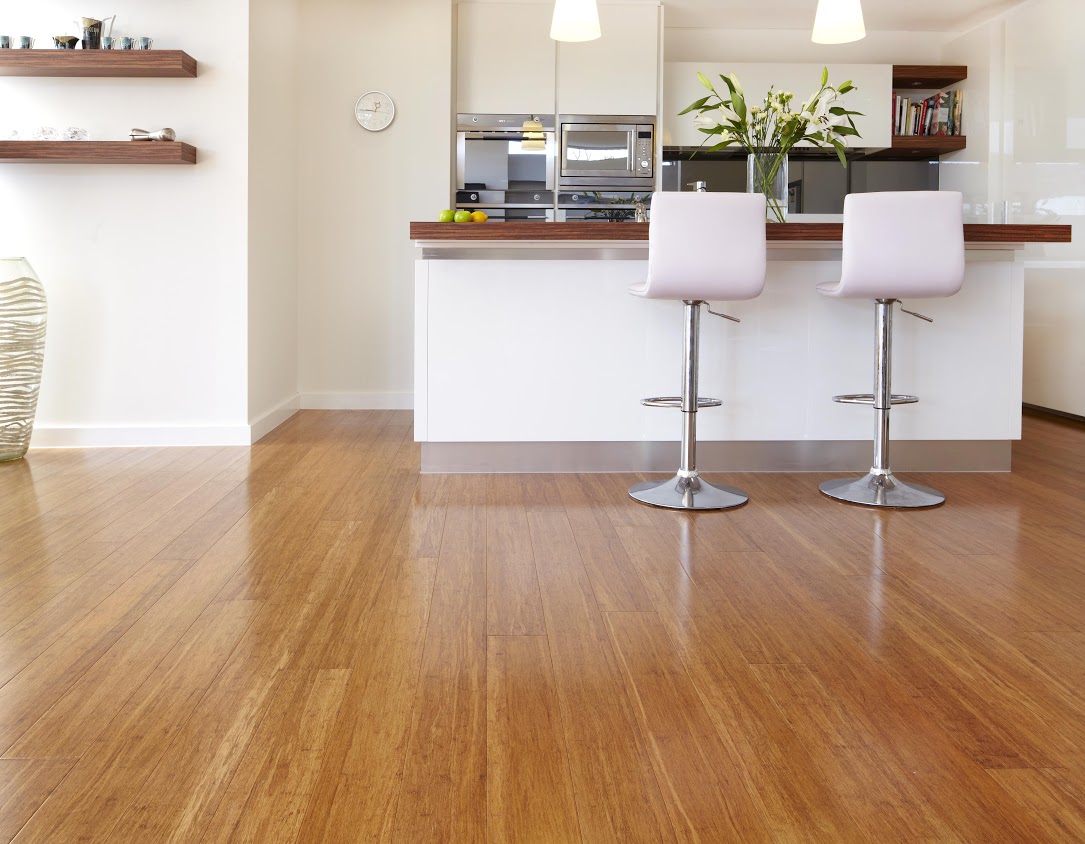
The first thing I noticed when samples arrived was how the light tones made my space feel instantly bigger and more open. Pale bamboo, whether natural blond or a soft linen shade, bounces light around a room in a way darker floors simply don’t. It’s a subtle but very real effect that I noticed immediately when I held a plank up against my wall.
What surprised me was how warm it still felt despite being light in color. Some pale floors can look cold or clinical, almost like walking into a hospital corridor, but bamboo has a natural grain pattern that keeps things feeling organic and grounded. It never looked sterile or flat in my space, even on overcast days when natural light was low.
I also appreciated that no two planks looked identical. The natural variation in grain and color kept the floor from looking like plastic or laminate. Friends who visited kept asking if it was real wood, and I had to explain the whole bamboo-is-actually-a-grass thing multiple times. Honestly, that was the best compliment I could have received, and it confirmed I’d made the right call.
Understanding the Types of Light Bamboo Flooring
Before buying, I had to learn the difference between strand woven, solid, and engineered bamboo. Strand woven is the toughest of the bunch, made by compressing bamboo fibers under intense heat and pressure until they form an incredibly dense material. It’s my personal top pick for high-traffic areas and families with kids or pets.
Solid bamboo planks are milled similarly to traditional hardwood and offer a classic, timeless look. They’re beautiful, but they can be more sensitive to humidity changes over time. I have a dog who tracks in moisture regularly, so I kept that in mind when comparing options and asking my installer for his honest recommendation.
Engineered bamboo has a real bamboo top layer bonded over a plywood core, which makes it more dimensionally stable across seasons. If you’re installing over concrete or in a lower level of your home, engineered is often the smarter and safer choice. I went with strand woven for my main floor and felt confident in that decision from day one.
The Color Palette: What “Light” Actually Means in Bamboo
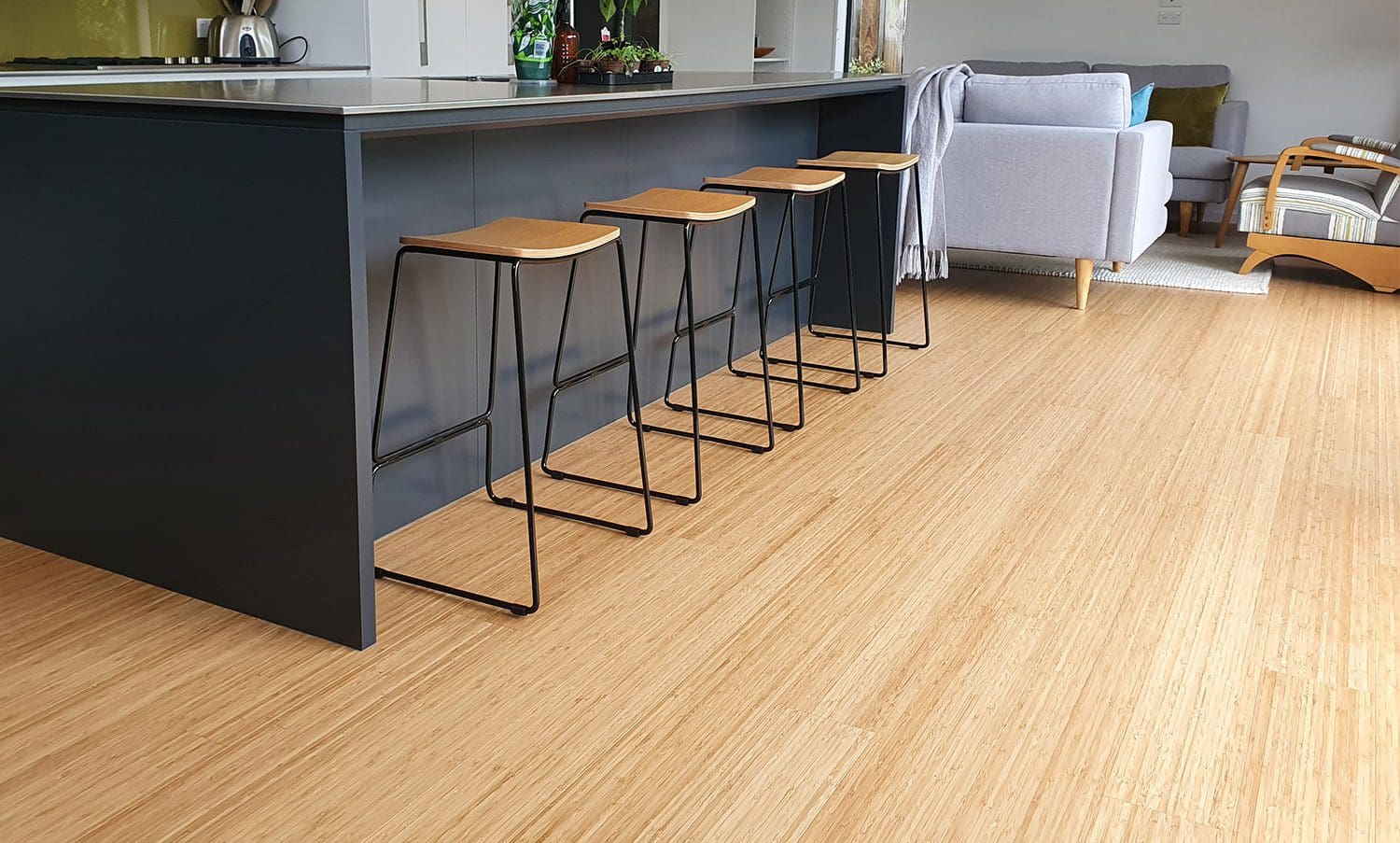
When I searched for light bamboo, I found a surprisingly wide range of tones hiding under that simple label. Natural bamboo is a soft, pale gold, almost like fresh hay drying in the sun. Carbonized bamboo goes through a steaming process that darkens it to a caramel or amber tone, so if you want truly light, natural is the direction to go without question.
Some manufacturers also offer bleached or whitewashed bamboo, which leans more ivory or gray-white depending on the finish. I tested a whitewashed plank in my space and loved how it paired with my warm white walls and linen curtains. It gave off a coastal, breezy vibe without feeling too themed or overdone for everyday living.
There are also lightly stained options in greige or blush-toned finishes that I found really intriguing. These gave me more design flexibility because they bridged the gap between warm and cool palettes in a way that natural bamboo alone couldn’t. My final choice was a natural blond with just a hint of warmth running through it, and it tied my entire room together in a way I hadn’t anticipated.
Durability and Daily Life With Light Bamboo
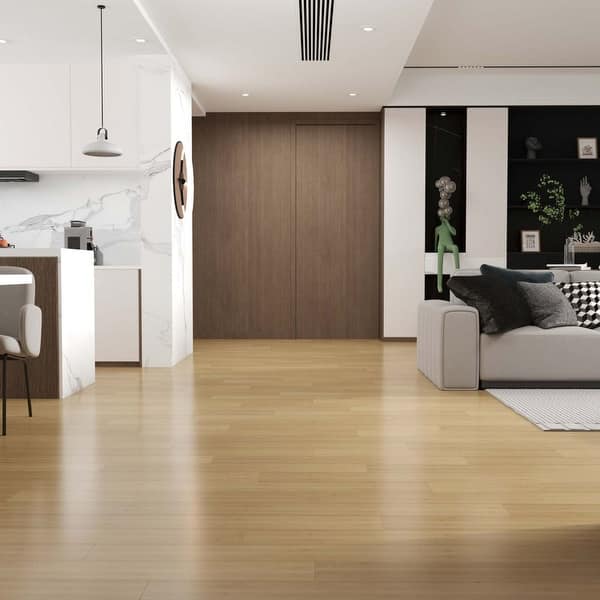
I’ll be upfront: I was genuinely worried that light colored floors would show every crumb, pet hair, and scuff mark. After more than a year of living with them through all four seasons, my concerns turned out to be mostly unfounded. Strand woven bamboo is incredibly hard, actually harder than most traditional hardwoods by Janka rating, and it holds up beautifully to the chaos of everyday life.
Pet scratches were my biggest fear going in. My dog’s nails have left faint marks in a couple of spots near his favorite lounging corner, but nothing dramatic or embarrassing. A simple area rug placed strategically there solved the problem entirely and added a cozy, layered look I hadn’t planned for but now love wholeheartedly.
Light bamboo does show dust a bit more than a very dark floor would, though less than I expected given the color. A quick pass with a dry microfiber mop every couple of days keeps everything looking polished and fresh. I got into a simple maintenance rhythm within the first two weeks, and now it genuinely feels like no extra effort at all compared to my old carpet.

Installation Tips I Learned the Hard Way
I hired a professional installer rather than attempting a DIY job, and I’m really glad I made that choice. Bamboo flooring needs to acclimate to your home’s specific humidity and temperature for at least 72 hours before a single plank goes down. I almost skipped this step because I was eager to get started, and my installer caught that mistake before it could cause problems later.
Make sure your subfloor is completely level before installation begins. Bamboo is far less forgiving than carpet or vinyl when it comes to dips, bumps, or uneven spots underneath. My installer found a low spot in one corner and corrected it before laying a single plank, and that extra hour of prep work saved me from squeaky, shifting floors down the road.
Always leave expansion gaps around the perimeter of the room, because bamboo moves with seasonal humidity shifts more than you might expect. Baseboards and quarter round molding hide these gaps beautifully once the job is done, so the finished look is completely seamless. Ask your installer to use the correct adhesive or fasteners specifically recommended for your bamboo type, because cutting corners there can void your warranty and cause real headaches later.
Styling Light Bamboo Floors in Your Home
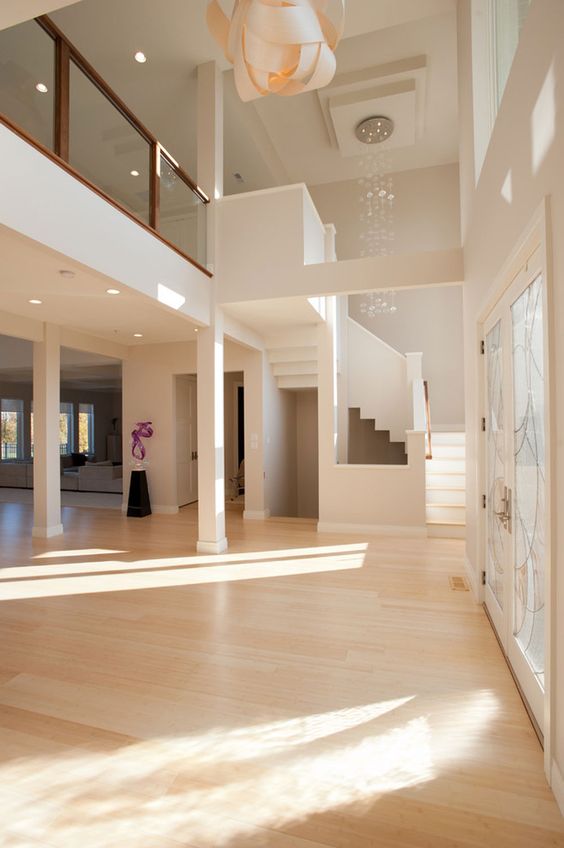
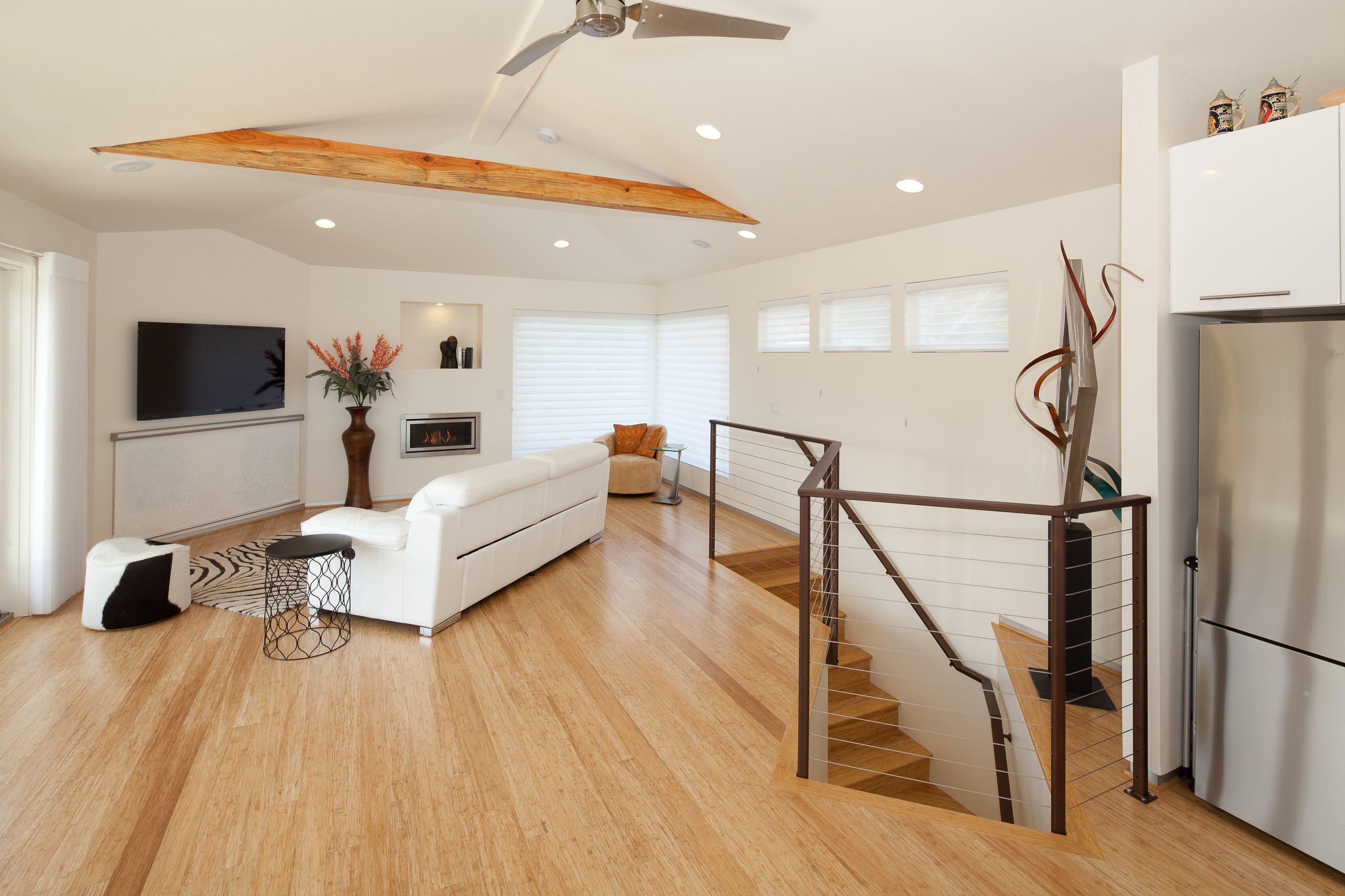
Light bamboo is honestly one of the most versatile floors I’ve ever had the pleasure of working with in a design project. It plays well with almost every style direction, from clean Scandinavian minimalism to warm, layered bohemian aesthetics. I went with a natural, plant-filled look for my own space that felt easy, relaxed, and completely like me.
I learned quickly that contrast is your best friend when working with light floors. Dark furniture and cabinetry look absolutely stunning against pale bamboo because the floor becomes a quiet, grounding backdrop that lets everything else shine. My dark walnut coffee table practically glowed once it was sitting on the new floor, in a way it never did over the old gray carpet.
Rugs are essential with light colored floors, both for warmth underfoot during cold months and to define separate zones within an open layout. I layered a natural jute rug under my sofa and a soft cotton runner near the entryway. The combination of textures made the entire space feel curated and intentional without looking overdone or like I’d tried too hard to make it come together.
Is light colored bamboo flooring hard to keep clean?
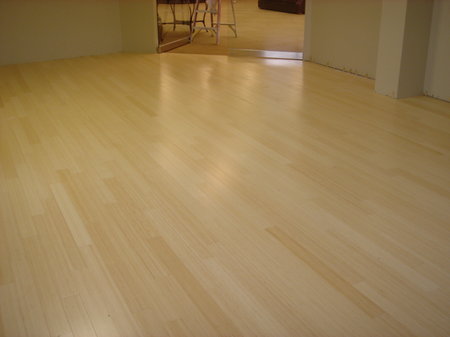
It’s actually pretty manageable once you get into a routine. I dry mop mine a few times a week and do a damp mop with a bamboo-safe cleaner about once a week. The key is avoiding soaking the floor with excess water. Light colors can reveal dust more readily, but with a simple, consistent routine, it stays looking great without much effort at all.
Will my pets scratch light bamboo floors?
Strand woven bamboo is very hard and scratch-resistant, so minor marks are possible but rarely dramatic. My medium-sized dog has made a few faint impressions over the past year, mostly near his feeding area. Keeping nails trimmed regularly and placing rugs in high-traffic pet zones helps enormously. Overall it has held up much better than I honestly expected when I first installed it.
Does light bamboo work in humid rooms like kitchens?
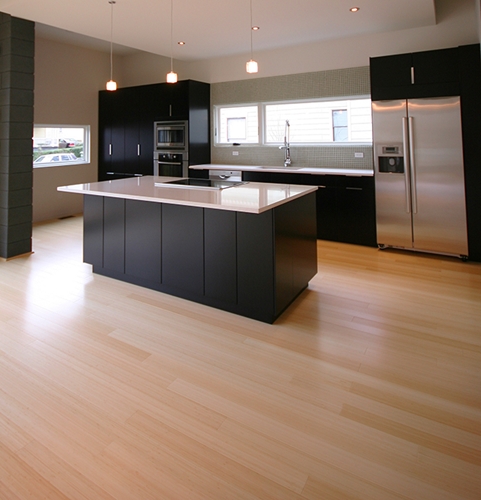
Bamboo is more moisture-tolerant than traditional hardwood, but it’s not fully waterproof. I wouldn’t install it in a bathroom, but my kitchen has been completely fine over a year of use. The most important habits are wiping up spills quickly and making sure your space has decent ventilation. Engineered bamboo handles humidity fluctuations better than solid bamboo in these situations.
How long does light bamboo flooring last?
With proper care and maintenance, quality bamboo flooring can last 20 to 25 years or more before needing replacement. The surface finish is typically the first thing that shows wear, and in most cases it can be lightly refinished to restore the look. Mine is over a year old and still looks essentially like the day it was installed, which genuinely still makes me smile every single morning.
Is bamboo flooring an eco-friendly choice?
Yes, and that sustainability factor was a significant part of why I chose it over hardwood. Bamboo is technically a grass that fully regenerates within five to seven years, compared to several decades for most hardwood tree species. Look for flooring certified by the Forest Stewardship Council or similar reputable organizations to ensure the manufacturing process also meets environmental and emissions standards.
How much does light bamboo flooring typically cost?
Expect to pay anywhere from $3 to $9 per square foot for materials alone, depending on quality, type, and brand. Professional installation typically adds another $3 to $5 per square foot on top of that. It sits comfortably in the mid-range compared to hardwood, and in my personal experience, the value has been excellent. I got a genuinely beautiful, durable floor without exhausting my entire renovation budget in one go.
Related Posts:
- Dark Bamboo Solid Wood Flooring
- Light Gray Bamboo Flooring
- Black Bamboo Flooring
- Bamboo Flooring Basement
- Dark Bamboo Wood Flooring
- Light Colored Bamboo Flooring
- Vertical Bamboo Flooring
- How To Refinish Bamboo Floors
- Bamboo Flooring Grey
- How to Deep Clean Bamboo Floors
Light Colored Bamboo Flooring has become increasingly popular in recent years as a stylish and affordable alternative to traditional hardwood flooring. Not only is it more affordable but it also provides a unique look that cannot be achieved with any other flooring material. Light colored bamboo flooring is a great choice for those who are looking to add a touch of elegance to their home without breaking the bank. In this article, we will explore the benefits of light colored bamboo flooring and discuss the different types of light colored bamboo flooring available. We will also provide some helpful tips on how to maintain your light colored bamboo flooring so that it will last for years to come.
The Benefits of Light Colored Bamboo Flooring
Light colored bamboo flooring has many benefits that make it an attractive option for homeowners. First and foremost, bamboo is one of the most renewable resources available, making it an eco-friendly choice. Bamboo is also extremely strong and durable, making it capable of withstanding heavy foot traffic and everyday wear and tear. In addition, light colored bamboo floors are naturally resistant to scratches and moisture, meaning they are less likely to suffer from damage over time. Finally, light colored bamboo floors are relatively easy to install and maintain, making them a great choice for those who want to save both time and money in the long run.
Types of Light Colored Bamboo Flooring
When it comes to light colored bamboo flooring, there are a few different options available. The most common type is carbonized bamboo, which is made by steaming the raw material under high pressure. This process gives the bamboo a caramelized color that is pleasing to the eye and offers a unique look that cannot be achieved with any other type of flooring material. Another option is strand-woven bamboo, which is made by weaving together thin strips of bamboo into a dense mat. This type of bamboo is even more durable than carbonized bamboo and offers an even more elegant look. Finally, engineered bamboo is also an option for those who want an even more durable floor that can be installed in areas with high levels of moisture or humidity.
Maintaining Light Colored Bamboo Floors
It’s important to take care of your light colored bamboo floors if you want them to last for years to come. You should vacuum or sweep regularly to remove dirt and debris that can scratch or dull the finish. You should also avoid using abrasive cleaning products or harsh chemicals as these can damage your floors over time. For deeper cleaning, use a damp mop with a mild soap solution and gently scrub away any stubborn stains or marks. Make sure to dry the area after mopping as this will help prevent water damage. Finally, you should apply a coat of sealant every few years in order to protect your floors from scratches and stains.
Is light colored bamboo flooring durable?
Yes, light colored bamboo flooring is extremely durable and able to withstand heavy foot traffic and everyday wear and tear. It is also naturally resistant to scratches and moisture, making it less likely to suffer from damage over time.
Is light colored bamboo flooring eco-friendly?
Yes, light colored bamboo flooring is considered eco-friendly since it is made from one of the most renewable resources available. Additionally, bamboo does not require any chemical treatments or pesticides during its production process which makes it even more eco-friendly than other types of flooring materials.
How do I maintain my light colored bamboo floors?
You should vacuum or sweep regularly to remove dirt and debris that can scratch or dull the finish. You should also avoid using abrasive cleaning products or harsh chemicals as these can damage your floors over time. For deeper cleaning, use a damp mop with a mild soap solution and gently scrub away any stubborn stains or marks. Make sure to dry the area after mopping as this will help prevent water damage. Finally, you should apply a coat of sealant every few years in order to protect your floors from scratches and stains.