I never thought a floor could change a room as dramatically as light gray bamboo flooring changed mine. When I was renovating my open-plan living and dining area, I wanted something that felt modern and airy without the coldness that can come with all-gray interiors. A flooring specialist suggested light gray bamboo, and honestly my first reaction was skepticism.
I associated bamboo with warm honey tones and tropical aesthetics, not the cool, contemporary palette I was after. What I found when I started looking was a product that beautifully bridges those two aesthetics, and after two years of living with it, I can tell you it was one of the best decisions I made in the entire renovation.
What Light Gray Bamboo Flooring Actually Looks Like
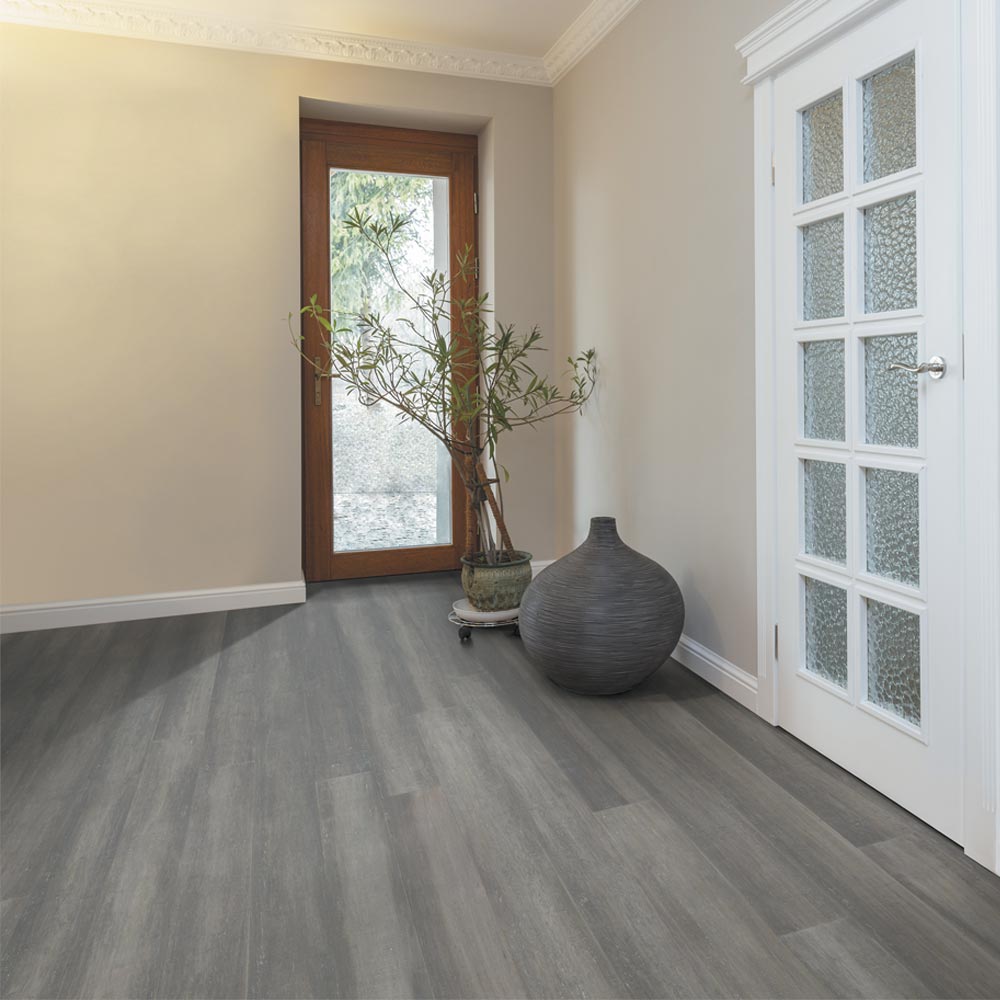
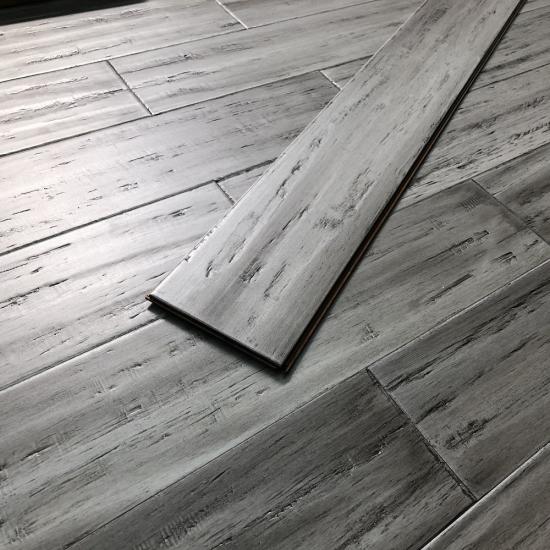
The gray tones in light gray bamboo flooring come from a combination of the bamboo’s natural coloring and a gray stain or finish applied during manufacturing. The result is softer and more nuanced than you might imagine. It’s not a flat, painted gray but rather a gray with warm undertones and the subtle linear grain pattern that makes bamboo distinctive. In my living room with white walls and natural linen furniture, the floor pulls the whole palette together beautifully.
The grain pattern in bamboo is one of its most appealing visual qualities. Unlike wood, which has pronounced rings and knots, bamboo has a fine, consistent linear grain with occasional natural nodes that add quiet visual interest without demanding attention.
In a light gray tone, that grain reads as sophisticated and calm rather than rustic or raw. It suits contemporary, Scandinavian, coastal, and transitional interior styles particularly well.
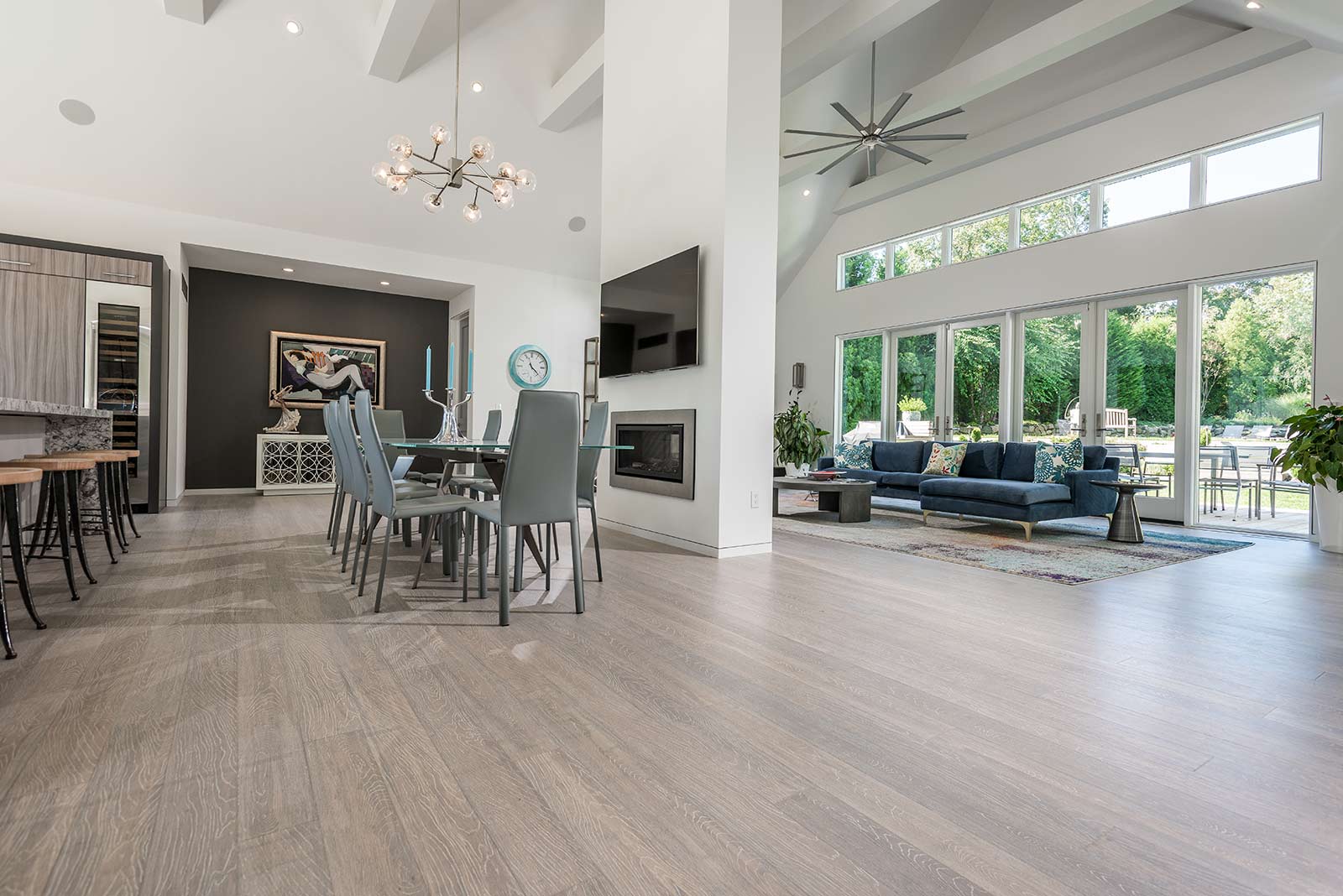
Plank width and length vary between products, and I spent time considering both before buying. I chose wider planks at five inches because my open-plan space is large and wider planks suit bigger rooms proportionally.
In a smaller room or hallway, narrower planks create a more balanced visual rhythm. The length of the planks also matters, longer planks reduce the number of end joints visible in the floor and create a cleaner, more expansive look that I find very appealing.
The Durability Behind That Beautiful Gray Surface
One of my early concerns about light gray bamboo was whether the color would fade, scratch, or wear through in ways that would leave the floor looking patchy over time. I did extensive research before buying and found that the quality of the finishing process is what separates long-lasting gray bamboo from products that disappoint. A properly finished strand-woven gray bamboo is actually one of the harder flooring surfaces available in the natural materials category.
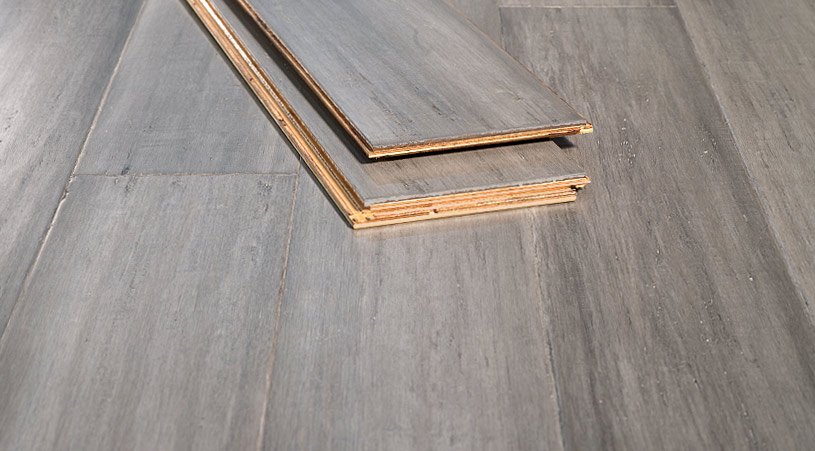
Strand-woven bamboo is made by shredding bamboo fibers and pressing them together under extreme heat and pressure with adhesive, creating a material that is significantly harder than traditional bamboo flooring or many hardwood species. On the Janka hardness scale, quality strand-woven bamboo can test at over three thousand pounds-force, which puts it in the same league as some of the hardest domestic hardwoods. That hardness translates to real-world scratch and dent resistance.
My floor has been subjected to two years of daily life, including a dog with untrimmed nails for longer than I’d like to admit, kids dragging chairs, and dropped kitchen items near the open dining area. The gray surface has held up remarkably well. There are a few very faint marks if you look for them in raking light, but nothing that registers from a normal standing height. For a floor I interact with every single day, that performance has genuinely impressed me.
How Light Gray Bamboo Handles Moisture and Humidity
Bamboo flooring and moisture have a complicated relationship that I researched carefully before installing, and I want to share what I found honestly because it affects which format and installation method makes sense for your space. Solid strand-woven bamboo, even though it’s technically a grass rather than wood, does respond to humidity fluctuations by expanding and contracting. In climates with dramatic seasonal humidity swings, that movement needs to be managed thoughtfully.
I installed engineered strand-woven bamboo with a thick gray-stained veneer over a plywood core specifically for better dimensional stability. The layered construction resists humidity-driven movement more reliably than solid bamboo does, making it suitable for installation over concrete subfloors and in rooms where humidity isn’t always perfectly controlled. For my open-plan space that includes a kitchen area, that moisture resilience was important.
Spills are a reality in a combined living and dining space, and the gray bamboo has handled them well with one important caveat: prompt cleanup. I wipe spills within a minute or two and haven’t had any staining or surface damage from them. What I wouldn’t do is let water sit for any extended period or use a soaking wet mop for cleaning. The finish protects the surface very effectively against brief moisture contact, but prolonged exposure is a different situation entirely.
Installing Light Gray Bamboo Flooring as a DIY Project
Installing my engineered gray bamboo was a genuinely satisfying DIY project that I completed over a long weekend with the help of one friend. The click-lock floating installation system is intuitive once you’ve laid the first few rows, and the planks are light enough to handle comfortably without specialized equipment. The biggest single tool investment was renting a miter saw for accurate crosscuts, which I’d consider non-negotiable for a clean finished result.
Acclimation is a step I take very seriously with bamboo because of its sensitivity to environmental conditions. I left the sealed boxes of flooring open in the room for seventy-two hours before beginning installation, allowing the planks to adjust to my home’s temperature and humidity levels. This step prevents post-installation gapping in dry conditions or buckling in humid ones. It requires zero effort and a little patience, and it genuinely makes a difference in how the floor performs long-term.
The expansion gap around the perimeter of the room is another detail that new installers sometimes underestimate. I used ten-millimeter spacers consistently around all walls, door casings, and fixed objects like kitchen islands. Gray bamboo, like all floating floors, moves as conditions change, and without adequate expansion space the floor has nowhere to go and will buckle upward. Your baseboard or quarter-round molding covers the gap completely, so it’s invisible in the finished installation.
Styling Your Home Around Light Gray Bamboo Floors
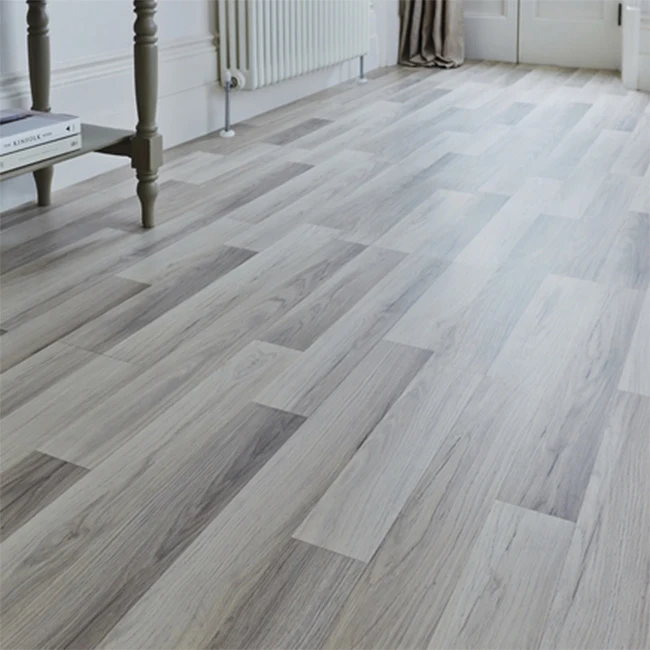
One of the reasons I was drawn to light gray bamboo was its design versatility. Gray is genuinely one of the most flexible neutral tones in interior design because it works with both warm and cool color palettes without dominating either. My living room uses warm white walls, natural linen, and amber-toned wood furniture alongside the gray bamboo floor, and the combination feels balanced and organic rather than cold or industrial.
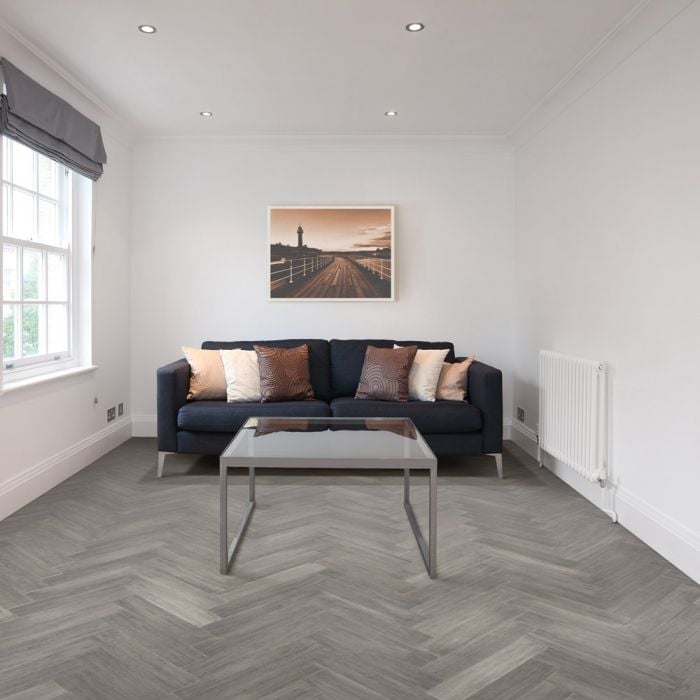
For a Scandinavian or minimalist aesthetic, light gray bamboo is almost perfect. Pair it with white walls, simple furniture in natural wood tones, and clean-lined textiles and the floor becomes a quiet, elegant foundation that lets the rest of the room breathe. I’ve seen this combination in numerous home interiors and it consistently photographs beautifully and feels serene to actually live in, which is ultimately what matters more than any editorial image.
Coastal and transitional interiors also pair naturally with light gray bamboo. The gray tone reads as driftwood-adjacent in those contexts, and layering in navy, soft blue, and natural textures like jute and rattan creates a relaxed, sophisticated atmosphere that feels intentional without being overdone. If you’re worried that gray flooring will make your home feel cold or clinical, the key is layering in warm-toned textiles and natural materials. The floor will anchor everything rather than dominate it.
Caring for Light Gray Bamboo Floors Over the Long Term
My maintenance routine for the gray bamboo is genuinely simple, which I appreciate as someone who wants beautiful floors without spending evenings maintaining them. Dry mopping or vacuuming with a soft brush attachment three or four times a week keeps grit and dust off the surface before it can abrade the finish. In an open-plan space where the kitchen, dining, and living areas all share one floor, staying on top of crumbs and tracked-in dust is the most important ongoing habit.
For periodic deeper cleaning, I use a spray bottle of diluted bamboo-safe floor cleaner and a microfiber mop. I spray the cleaner directly onto the mop head rather than onto the floor to keep moisture minimal and controlled. I’ve never used a steam mop on it and wouldn’t, as the heat and moisture steam introduces can damage the finish and penetrate into seams over time. A lightly damp microfiber mop is all you need for a thorough clean that keeps the gray tone looking consistent and fresh.
One thing specific to gray finishes worth knowing is that certain cleaning products can leave a residue that makes gray floors look hazy or streaky after mopping. I noticed this with one cleaner I tried early on and switched to a product specifically formulated for finished hardwood and bamboo. Using the right product eliminates the residue issue entirely and keeps that clean, even gray tone looking its best without extra buffing or rinsing after mopping.

Will light gray bamboo flooring look too cold in my home?
Not if you style around it thoughtfully. Gray bamboo with warm undertones reads as sophisticated rather than cold. Pair it with warm white or cream walls, natural wood furniture, and textural soft furnishings in linen, wool, or cotton. Area rugs in warm tones also soften the gray significantly. I was worried about coldness before installing and have found the opposite, my space feels calm and grounded rather than clinical. Lighting also plays a big role, warm bulbs make gray floors look much more inviting.
Is light gray bamboo flooring suitable for homes with pets?
Strand-woven gray bamboo handles pets reasonably well given its hardness. Keep nails trimmed regularly to minimize surface scratching, which is the main pet-related concern. Use entry mats at door transitions to catch moisture from paws. Clean pet accidents immediately since any liquid sitting on the surface is a concern. I have a dog and the floor has held up well with those basic precautions. Very large or energetic dogs that are rough on surfaces may leave more visible marks than smaller or calmer pets.

How does light gray bamboo compare in price to hardwood flooring?
Gray bamboo typically runs three to seven dollars per square foot for materials, which is mid-range and competitive with many hardwood options. It’s less expensive than premium hardwoods like walnut or white oak but priced similarly to good quality red oak or maple. Installation costs are comparable since the process is similar. For a gray floor specifically, bamboo offers a genuine aesthetic alternative to gray-stained hardwood at a lower or equal material cost with better sustainability credentials.
Can I install light gray bamboo flooring over radiant heat?
Some engineered bamboo products are compatible with radiant heat, but you need to verify compatibility with your specific product’s manufacturer guidelines before purchasing. Keep floor surface temperatures below eighty-two degrees Fahrenheit and maintain stable indoor humidity levels. Solid strand-woven bamboo is generally not recommended over radiant heat systems. If radiant heat is a priority for your space, confirm compatibility upfront rather than discovering incompatibility after you’ve already bought the flooring.

How do I prevent my light gray bamboo floor from fading?
Gray bamboo can shift in tone with prolonged direct sunlight exposure. Use window treatments like blinds, curtains, or UV-filtering window film in rooms with strong direct sun exposure. Rotate area rugs periodically so the floor beneath receives some light exposure rather than developing a stark contrast line when you move the rug. Quality products with UV-resistant finish coatings fade more slowly than budget options. Consistent sun management is more effective and less expensive than trying to address uneven fading after it has already occurred.
How long does light gray bamboo flooring typically last?
Quality engineered strand-woven gray bamboo lasts fifteen to twenty-five years with proper care. Products with thicker bamboo veneer layers can sometimes be lightly sanded and recoated once to extend their lifespan further. The gray finish’s longevity depends heavily on the quality of the factory finishing process and ongoing maintenance. Consistent sweeping, prompt spill cleanup, and using appropriate cleaning products protect the finish significantly. Compared to carpet or laminate at a similar price point, bamboo offers considerably better long-term durability and value.
Related Posts: