When I started planning my kitchen renovation last spring, I knew I wanted something sustainable, durable, and beautiful. Traditional hardwood felt too expensive and environmentally questionable, while ceramic tiles seemed cold and unforgiving for a space where I spend hours cooking. A contractor friend suggested bamboo floor tiles, and after months of living with them, I can honestly say they’ve exceeded every expectation. Let me share what I learned through this process.
Understanding Bamboo Tile Options for Kitchen Use
I discovered that bamboo tiles come in several formats, and choosing the right one matters tremendously. Solid bamboo tiles are cut from compressed bamboo stalks and can be refinished multiple times. Engineered bamboo tiles have a bamboo veneer over a plywood or HDF core, offering better moisture stability. I went with engineered tiles for my kitchen because they handle humidity changes better than solid bamboo.
The construction method affects durability significantly. Strand-woven bamboo tiles are made by shredding bamboo fibers and compressing them with adhesive under extreme pressure. This process creates tiles that are actually harder than red oak or maple. I chose strand-woven because I knew my kitchen would see heavy foot traffic, dropped pots and pans, and the occasional chair scrape.
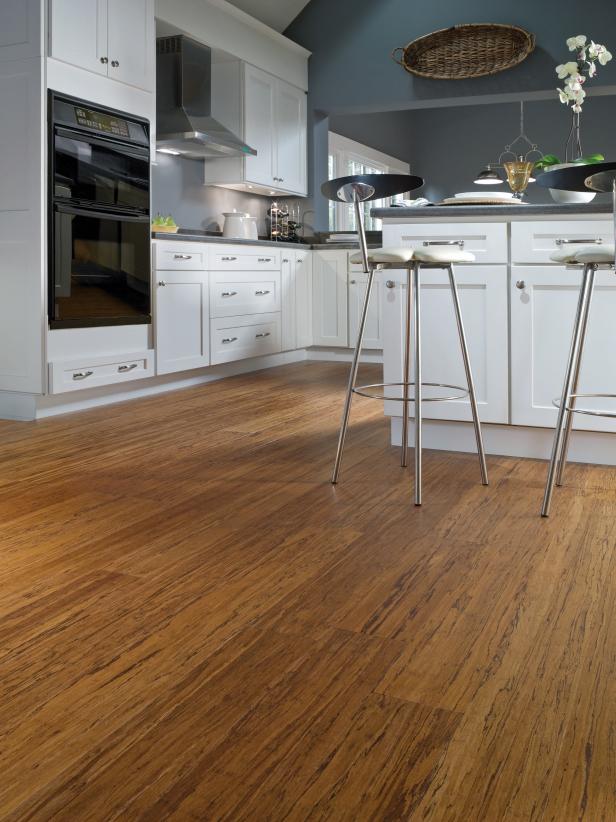
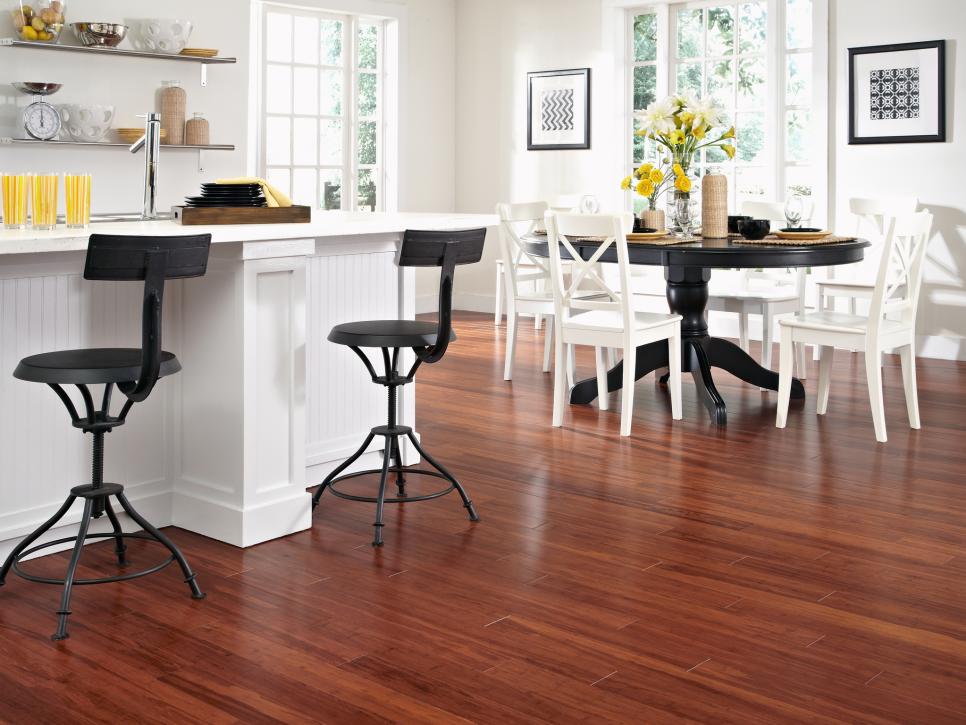
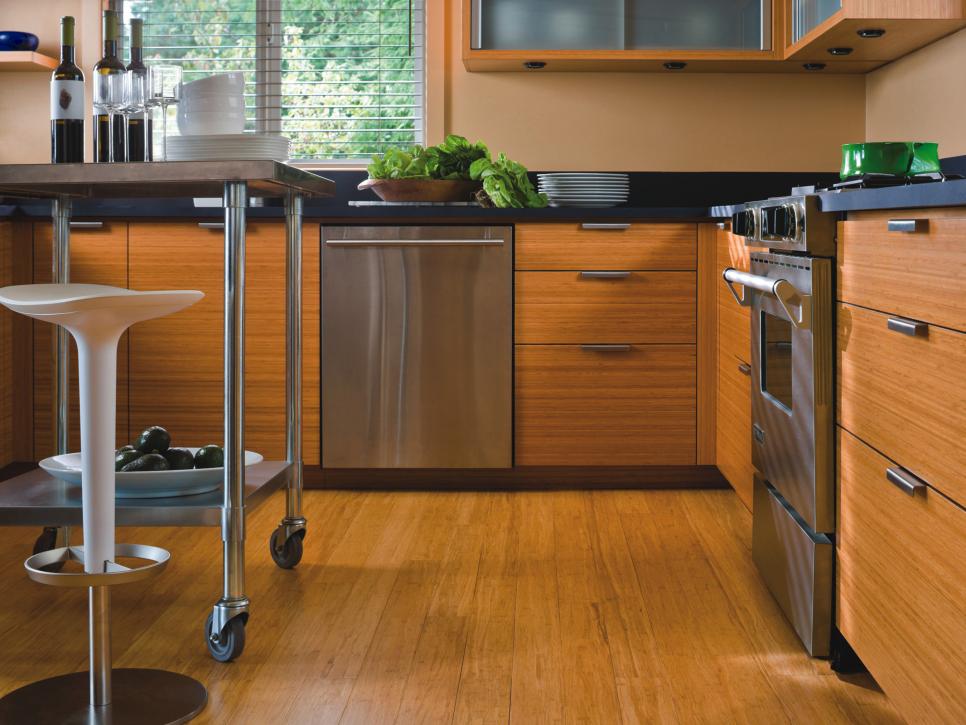
Color and finish options surprised me with their variety. Natural bamboo has a light, blonde appearance, but carbonized bamboo is heat-treated to create rich caramel and darker tones. I selected a medium carbonized finish that complements my white cabinets and stainless appliances beautifully. Some manufacturers also offer stained bamboo in grays and browns, giving you design flexibility similar to traditional hardwood.
Installation Challenges and Solutions I Encountered
I decided to hire a professional installer after attempting a small test area myself. Bamboo tiles require precise cuts around cabinet toe-kicks and careful attention to expansion gaps. My installer explained that bamboo expands and contracts with humidity changes more than ceramic, so leaving proper spacing along walls was crucial. We used color-matched transition strips that look intentional rather than like an afterthought.
Subfloor preparation took longer than I anticipated. We needed a perfectly level, clean, and dry surface before laying tiles. My kitchen had an old vinyl floor that we removed completely, then spent a full day patching and leveling the concrete underneath. This prep work seemed tedious at the time, but it’s why my bamboo tiles still look flawless without any buckling or unevenness.
The adhesive choice mattered more than I realized. We used a low-VOC urethane adhesive specifically designed for bamboo and engineered wood. My installer tested the concrete slab for moisture levels before we started, discovering one area that needed additional drying time. Waiting that extra week prevented potential moisture problems that could have ruined the tiles later. Patience during installation really pays off with bamboo.

How Bamboo Tiles Handle Kitchen Spills and Moisture
I was nervous about water damage since kitchens see constant moisture exposure. The good news is that properly installed and sealed bamboo tiles handle normal kitchen conditions beautifully. I’ve dealt with overflowing sinks, spilled water bottles, and splashes from washing dishes without any warping or staining. The key is cleaning up standing water within a reasonable timeframe, usually within a few hours.
My bamboo tiles came pre-finished with multiple coats of aluminum oxide finish, which creates a protective barrier against moisture and scratches. I also applied an additional coat of bamboo floor sealer after installation for extra protection. This maintenance step takes just a few hours once a year and gives me peace of mind knowing the tiles are well-protected from daily kitchen chaos.
One incident taught me the limits of bamboo’s moisture resistance. I had a slow leak under the dishwasher that went unnoticed for about a week. When I finally discovered it, two tiles had swollen slightly at the edges. Fortunately, because I’d used engineered tiles, the damage was minimal and we replaced just those two tiles. Solid bamboo probably would have suffered more extensive damage in the same situation.
Durability in Real Kitchen Conditions
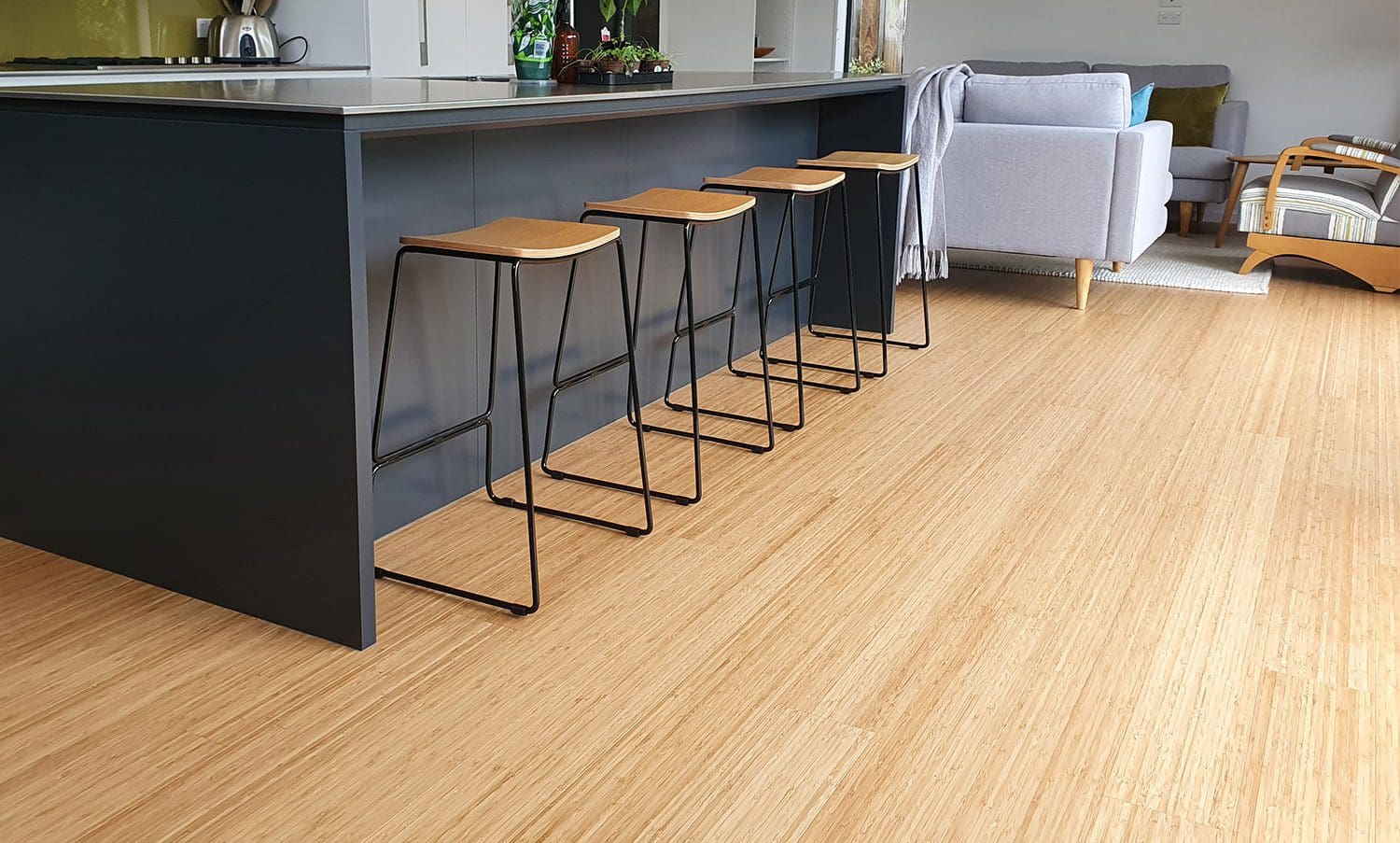
After 18 months of heavy use, my bamboo tiles still look remarkably good. I cook almost every day, often dropping utensils, cans, and the occasional glass. The strand-woven construction has proven incredibly resistant to denting and scratching. There are a few minor surface scratches visible in certain lighting, but they blend into the natural grain pattern and don’t bother me at all.
Heat resistance has been better than expected. I once set down a hot cookie sheet directly on the floor while juggling multiple dishes, and it left no mark. That said, I wouldn’t make a habit of it. Bamboo handles ambient temperature changes well too. My kitchen gets afternoon sun that heats up the floor, and I haven’t noticed any fading or discoloration from UV exposure over time.
The real test came during a family gathering when twenty people packed into my kitchen. High heels, spilled wine, dropped plates, and constant foot traffic for hours didn’t phase the bamboo tiles at all. I cleaned everything up the next morning and couldn’t find a single new scratch or stain. This durability combined with the natural warmth of bamboo makes it perfect for a space that’s both functional and social.
Maintenance Routines That Keep Tiles Looking New
Daily cleaning is incredibly simple. I sweep or use a dust mop most mornings to remove crumbs and dirt before they can act like sandpaper on the surface. For deeper cleaning, I use a barely damp microfiber mop with a pH-neutral cleaner made for bamboo or hardwood floors. The whole kitchen takes maybe 10 minutes to clean thoroughly, which is faster than scrubbing grout lines on my old tile floor.
I avoid certain cleaning methods that can damage bamboo. Steam mops are off-limits because the moisture and heat can penetrate the finish and cause swelling. Harsh chemical cleaners, oil soaps, and wax-based products also create buildup or strip the protective finish. I learned this after my mother-in-law helpfully mopped with her favorite pine cleaner, leaving a dull film that took special cleaner to remove.
The annual resealing ritual has become a satisfying weekend project. I thoroughly clean the floor, let it dry completely, then apply a thin coat of bamboo floor refresher with a microfiber mop. It dries in a few hours and restores the protective layer while adding subtle sheen. This simple maintenance keeps my tiles looking showroom-fresh and protects against wear in high-traffic areas near the sink and stove.
Design Flexibility and Visual Appeal
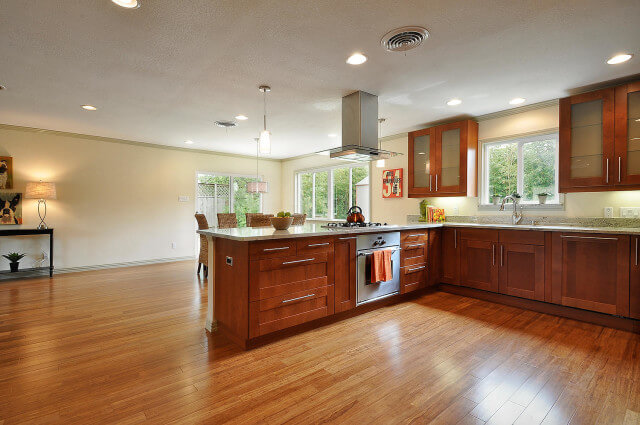
The natural grain patterns in my bamboo tiles create visual interest without overwhelming the space. Each tile has subtle variations in color and texture that make the floor look organic rather than manufactured. I chose tiles with a matte finish instead of high-gloss because I wanted a more contemporary, understated look that wouldn’t show every footprint or water spot.
Installing bamboo tiles in a straight pattern was the most cost-effective choice, but I’ve seen stunning diagonal and herringbone installations that add incredible visual drama. A friend installed her bamboo tiles in a parquet pattern that looks like a high-end European kitchen. The uniform size of tiles makes creating patterns easier than with random-width planks, though it does require more cutting and careful planning.
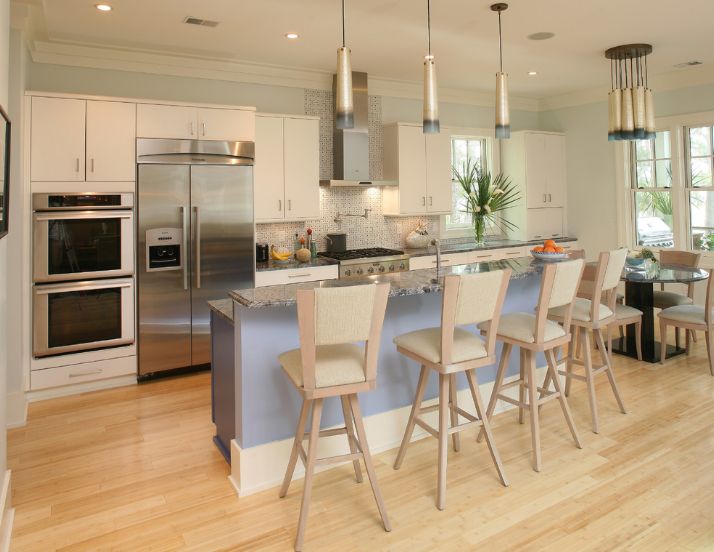
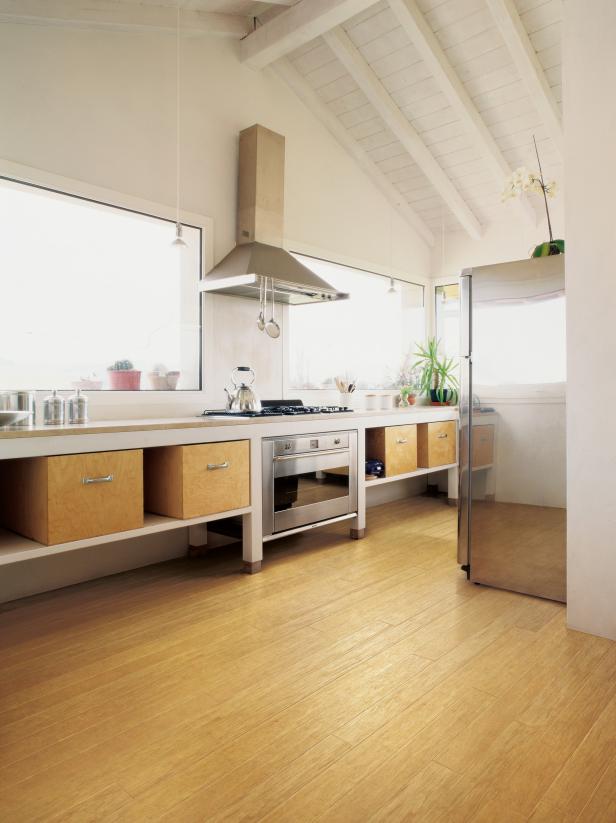
The warm tones of bamboo have transformed my kitchen’s entire atmosphere. The space feels inviting and comfortable rather than stark and utilitarian. My blonde bamboo reflects light beautifully, making the kitchen feel larger and brighter even on cloudy days. I’ve paired the flooring with both modern and traditional design elements successfully, which speaks to bamboo’s versatility as a material.
Are bamboo floor tiles durable enough for busy kitchens?
Absolutely. My strand-woven bamboo tiles have a Janka hardness rating higher than maple, making them incredibly durable for high-traffic kitchens. After 18 months of heavy use including dropped cookware and constant foot traffic, they still look great. Choose strand-woven over traditional bamboo for maximum durability in kitchen settings.
How do bamboo tiles handle water compared to ceramic?
Bamboo isn’t waterproof like ceramic, but engineered bamboo tiles with proper sealing handle kitchen moisture well. I clean up spills promptly and haven’t had issues with daily splashes and typical kitchen wetness. A major leak requires quick action, but normal use with reasonable care works perfectly fine in my experience.
What’s the cost comparison between bamboo and traditional kitchen flooring?
I paid about $4-6 per square foot for quality strand-woven bamboo tiles, plus installation. That’s less than hardwood ($8-12) but more than vinyl ($2-4) and comparable to mid-range ceramic. The durability and eco-friendly benefits made it worth the investment for me, especially considering it should last 20-25 years.
Can bamboo floor tiles be refinished if they get scratched?
Solid bamboo tiles can be sanded and refinished multiple times. Engineered bamboo tiles, which I have, can typically be refinished once or twice depending on the veneer thickness. Mine have a 3mm wear layer that allows for light refinishing. Pre-finished bamboo tiles also have harder finishes that resist scratching better initially.
Is bamboo flooring truly eco-friendly and sustainable?
Bamboo is one of the most sustainable flooring options available. It’s a rapidly renewable grass that matures in 3-5 years versus 20-100 years for hardwood trees. I chose products certified by the Forest Stewardship Council with low-VOC adhesives. The environmental impact is significantly lower than harvesting old-growth forests.
How does bamboo perform with pets and children in the kitchen?
My bamboo tiles handle family life beautifully. My dog’s nails have caused minimal wear, and the kids constantly drop things without causing damage. The surface is smooth enough for easy cleanup but textured enough to provide good traction even when slightly wet. It’s also warmer underfoot than ceramic, making it more comfortable for everyone.

Bamboo Flooring for the Kitchen
Pros and cons of bamboo floor decor – what you need to know
Related Posts: