When I first considered cork flooring for my home, I thought my design options would be limited to that standard bulletin board look. I couldn’t have been more wrong. Over the past few years, I’ve installed cork in five different rooms, and each time I’ve discovered new ways to make it look completely different. From sleek modern styles to rustic charm, cork has surprised me with its versatility. Let me share the design ideas that worked beautifully in my home and might inspire your next project.
Natural and Neutral Cork for Timeless Elegance
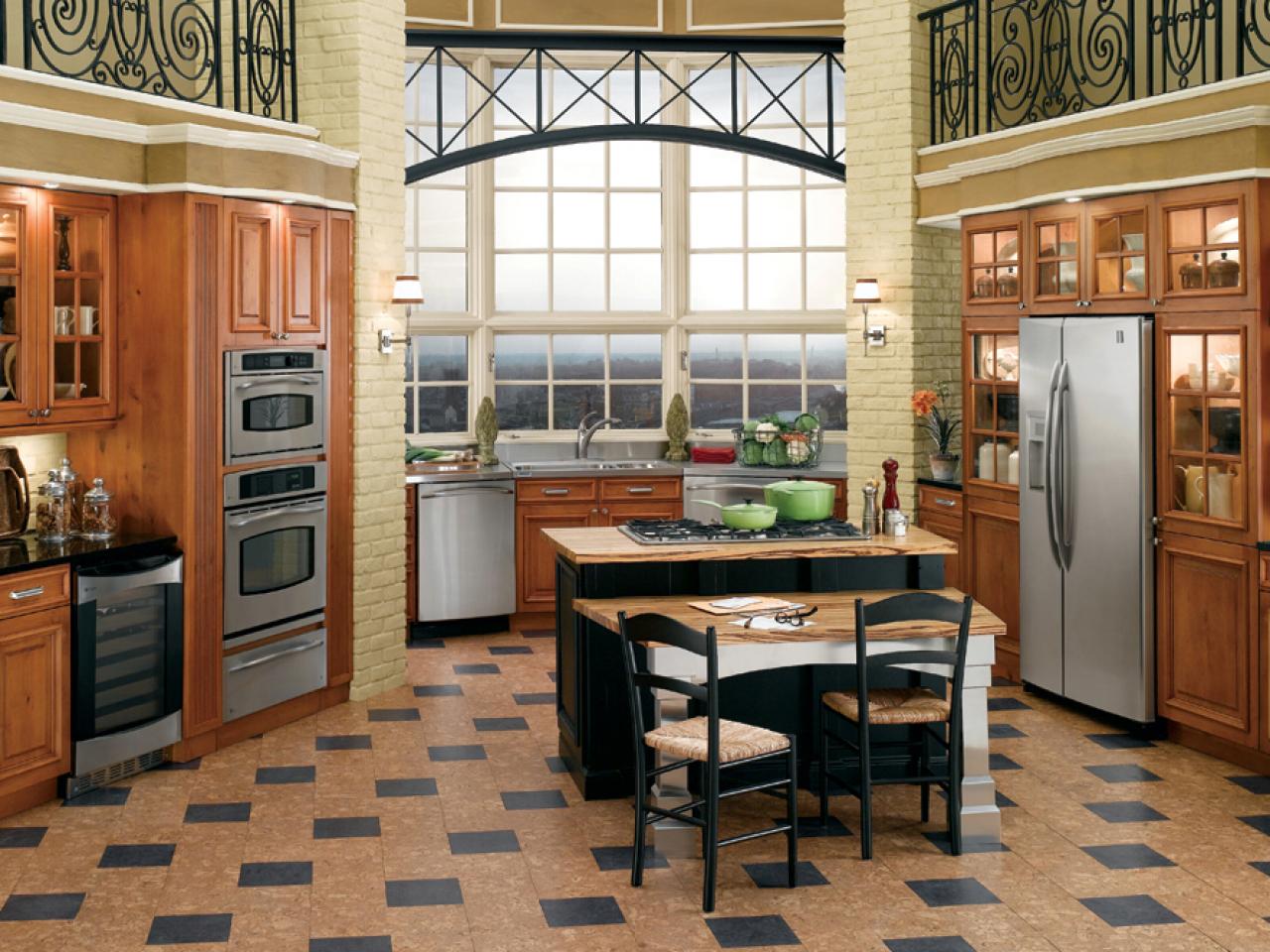
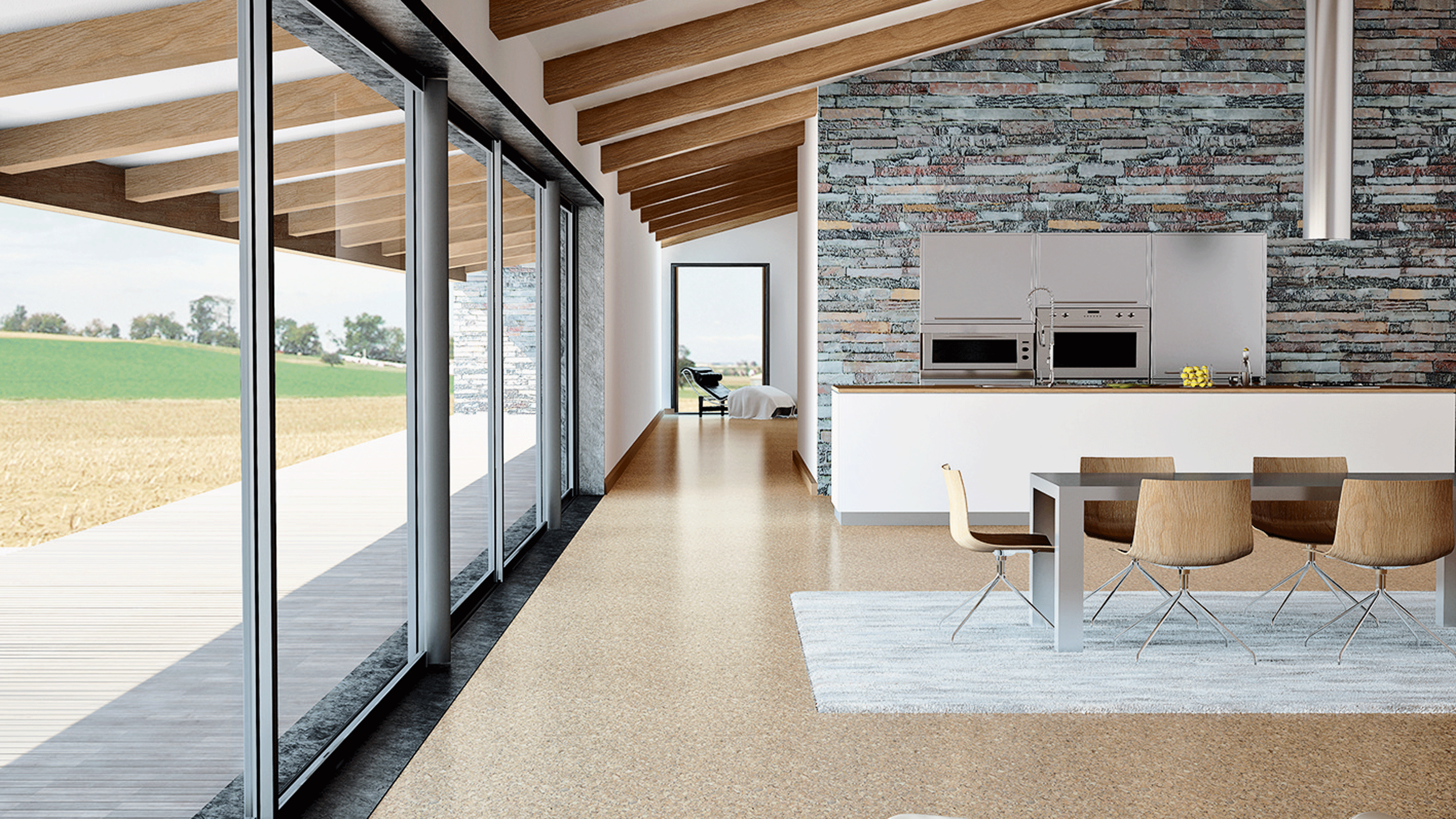
I started my cork journey with natural, unfinished tiles in my home office. The honey-blonde tones create a warm, inviting atmosphere that makes the space feel cozy without being overwhelming. What I love most is how the natural grain variations give each section of floor its own character. Some tiles have darker flecks, others show the distinctive rings from the cork bark, and together they create an organic tapestry underfoot.
The neutral palette worked perfectly as a backdrop for my colorful furniture and art. I paired the natural cork with white walls and walnut furniture, creating a Scandinavian-inspired aesthetic that feels both modern and timeless. The beauty of natural cork is that it doesn’t compete with other design elements in the room but instead provides a subtle foundation that lets everything else shine.
I learned that different grades of natural cork offer varying levels of visual texture. I chose a medium-grade cork that shows some natural imperfections and color variations rather than the highest grade that’s more uniform. Those little quirks and irregularities give the floor personality and make it feel authentic. Friends often comment that it looks like a much more expensive natural material than it actually was.
Dark and Dramatic Stained Cork Designs
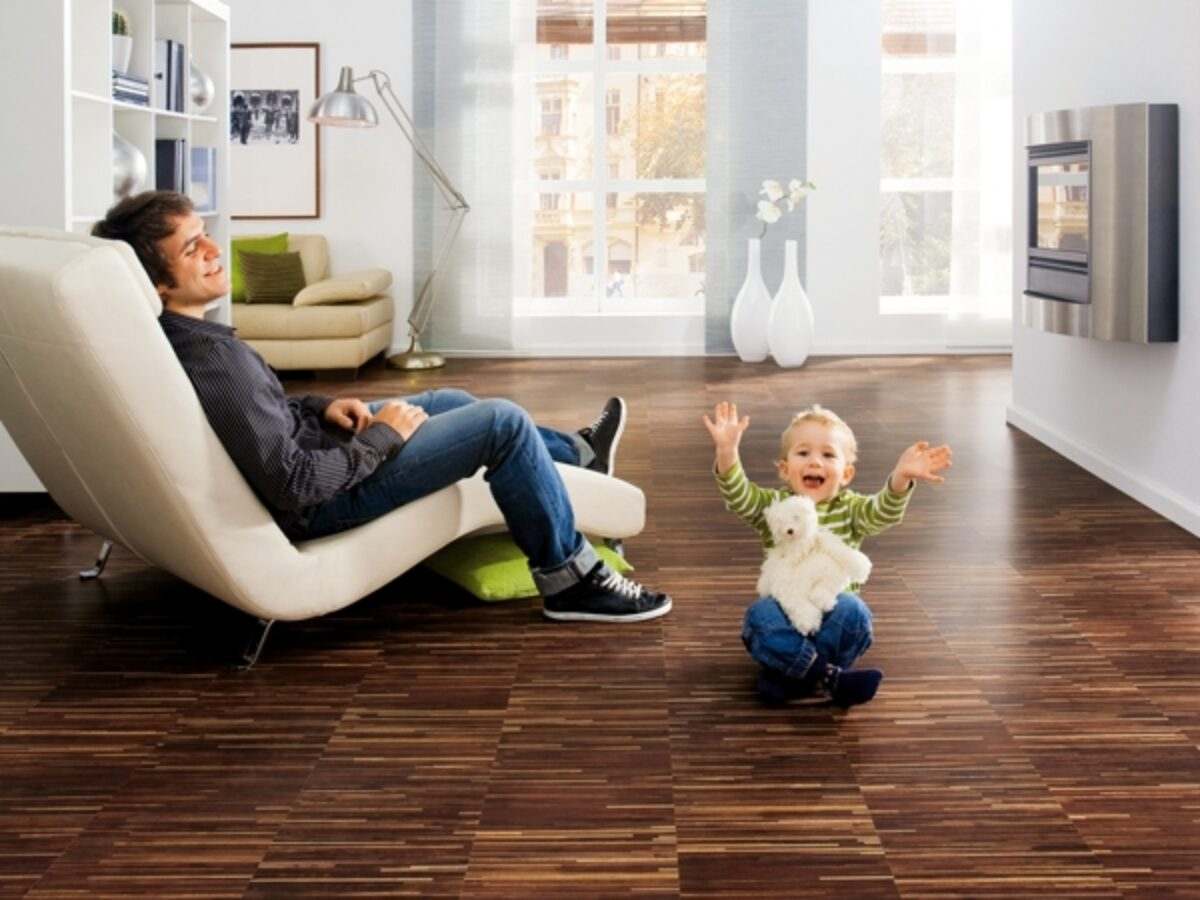
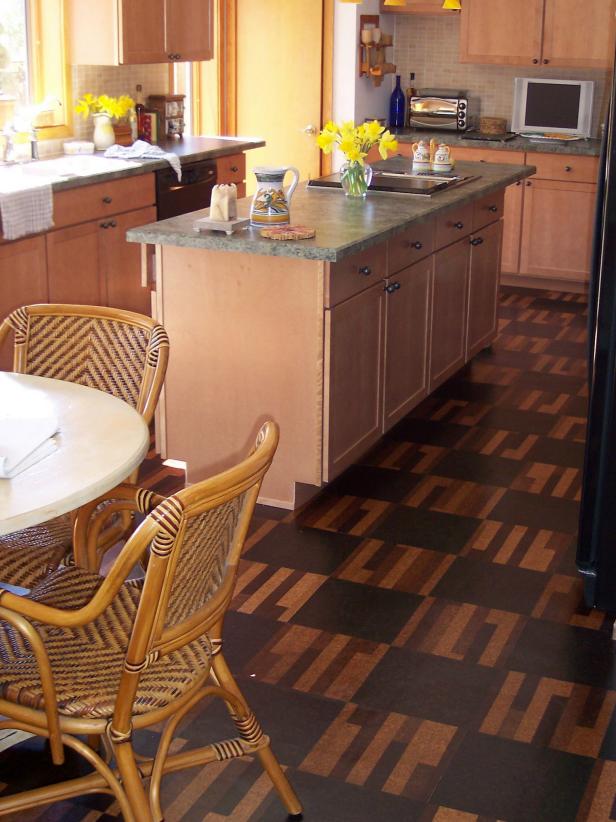
For my basement den, I went completely different with espresso-stained cork planks. The transformation was incredible, turning what I expected to be a casual space into something sophisticated and moody. The dark cork absorbed light beautifully and made the room feel intimate and lounge-like. I paired it with leather furniture and brass accents for a masculine, refined aesthetic.
Staining cork opened up possibilities I hadn’t considered. I used a charcoal gray stain in my bathroom that complements the concrete-style wall tiles perfectly. The process was straightforward: I applied wood stain directly to unfinished cork tiles before sealing them. The porous nature of cork absorbs stain beautifully, creating rich, even color that penetrates deep into the material rather than sitting on the surface.
One trick I discovered is mixing stain colors for custom shades. In my daughter’s room, I created a soft sage green by blending gray and olive stains. This gave us a unique floor color that matches her bedding perfectly. The ability to customize cork’s appearance through staining means you’re not limited to manufacturer color options, opening up endless design possibilities that truly reflect your personal style.
Pattern Play with Cork Tiles
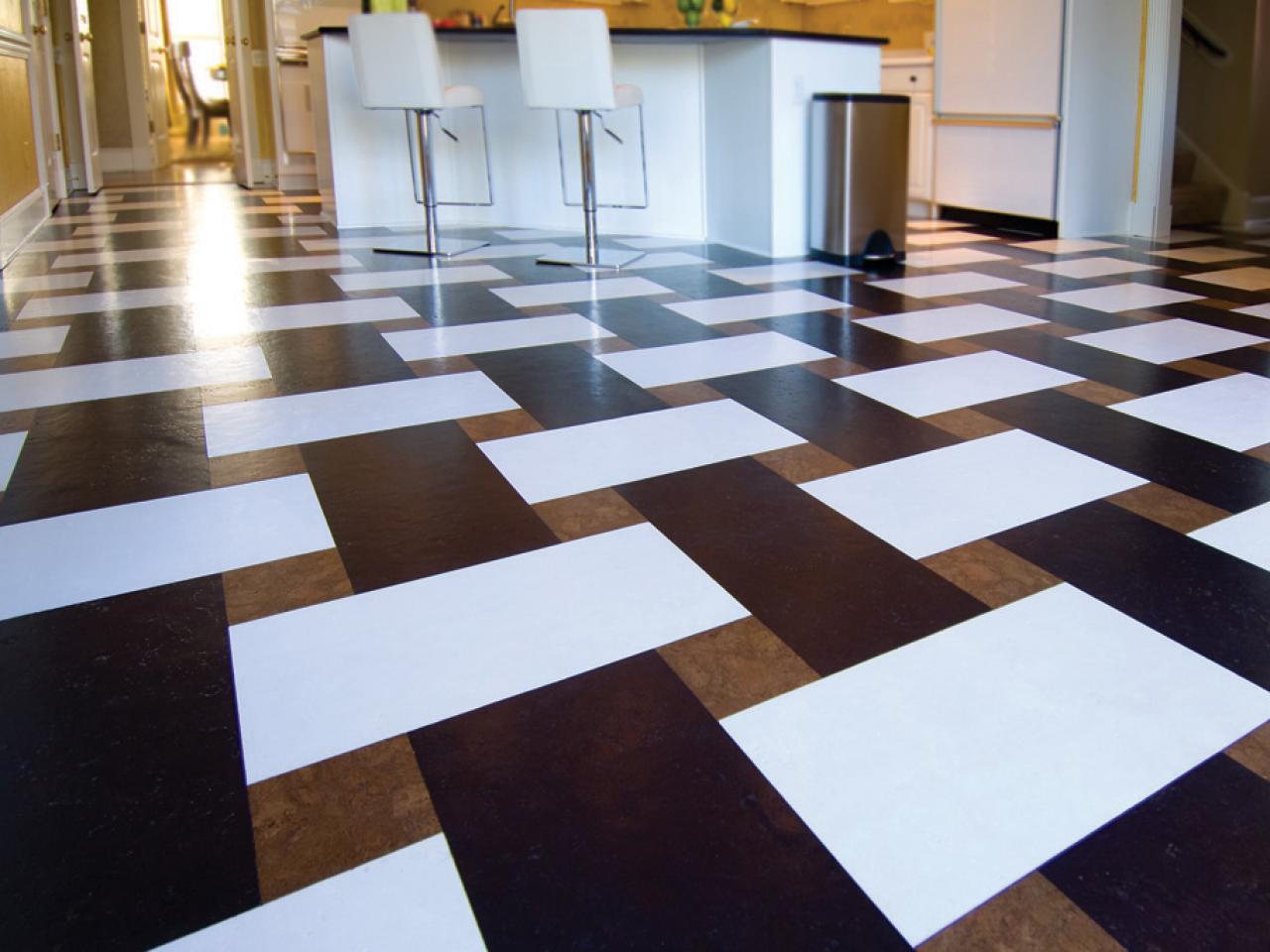
My mudroom features a checkerboard pattern using natural and carbonized cork tiles, and it’s become the conversation starter of my home. I alternated 12×12 inch tiles in light and dark tones, creating a classic pattern that feels both traditional and fresh. The installation was surprisingly simple since the tiles are uniform sizes, just requiring careful planning to keep the pattern consistent throughout the space.
I got bolder in my kitchen with a diagonal installation that makes the narrow galley space feel wider. Running the cork tiles at a 45-degree angle tricks the eye and draws attention down the length of the room. This technique added maybe 15% to material waste due to cuts, but the visual impact was absolutely worth it. The diagonal lines create movement and energy that a straight installation wouldn’t achieve.
For my reading nook, I created a border design using darker cork tiles around the perimeter with lighter tiles filling the center. This frames the small space and makes it feel intentional and designed rather than just an awkward corner. I’ve seen people create even more elaborate patterns like herringbone, basketweave, and geometric designs. Cork’s tile format makes these patterns achievable without advanced woodworking skills.
Mixing Cork with Other Flooring Materials
I used cork strategically in my open-concept living area, installing it in the sitting zone while keeping hardwood in the high-traffic walkways. This creates visual zones that define different purposes within one large space. The transition between materials is handled with a slim metal transition strip that looks intentional and modern. The contrast in textures adds depth and interest to what could otherwise be a monotonous expanse of flooring.
In my kitchen, I installed cork tiles in the main workspace but kept ceramic tile in front of the sink and stove. This practical approach puts highly water-resistant ceramic where spills are most likely while using comfortable cork where I stand for food prep. The materials complement each other beautifully, with the warm cork softening the harder edges of the ceramic.
My master bedroom features cork in the main sleeping area with a wool area rug defining the bed zone. This layering of textures creates a luxurious, hotel-like feel. The cork provides cushioning underfoot when I first step out of bed, while the rug adds another level of softness and visual warmth. Mixing materials allows you to optimize for both function and aesthetics in ways that using a single material throughout can’t achieve.
Painted and Artistic Cork Floor Treatments
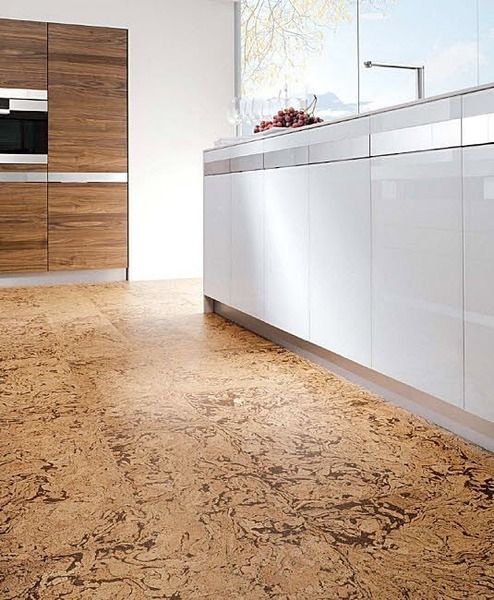
I took a bold approach in my craft room by painting cork tiles before installation. Using floor paint designed for porous surfaces, I created an ombre effect transitioning from pale pink to deep coral across the floor. Each tile was painted individually, then sealed with polyurethane after installation. The result is a custom floor that looks like nothing else I’ve seen and cost a fraction of what custom flooring typically runs.
Stenciling on cork opened another creative avenue. In my daughter’s playroom, I stenciled white polka dots onto natural cork tiles at random intervals. The playful pattern suits the space perfectly and was surprisingly easy to achieve with craft stencils and floor paint. After sealing, the dots are just as durable as the cork itself. This technique could work with any pattern, from geometric shapes to floral designs.
I’ve experimented with paint techniques like color washing and dry brushing on cork with beautiful results. For my yoga studio, I applied a translucent white wash over natural cork, creating a beachy, sun-bleached appearance that feels serene and calm. The grain pattern still shows through, maintaining cork’s natural texture while shifting the color palette. These artistic treatments transform cork from a practical material into a true design statement.

Contemporary Cork Plank Designs
When I renovated my guest bedroom, I chose cork planks that mimic the look of wide-plank hardwood. These planks are 7 inches wide and come in a wire-brushed finish that adds texture and shadow lines. Installed in a random pattern like you’d see with wood flooring, they create a high-end look that guests assume is actual hardwood until I tell them otherwise.
The plank format allowed me to create a more linear, streamlined aesthetic than tiles provide. In my hallway, I installed narrow 3-inch planks in a straight pattern that draws the eye forward and makes the corridor feel longer. The continuous lines have a calming, modern effect. Cork planks also come with beveled edges that create subtle shadow lines between boards, adding dimensional interest to the floor’s surface.
I chose hand-scraped cork planks for my living room, and the textured surface adds incredible character. Each plank has slight variations in height and texture that catch light differently throughout the day. This treatment disguises minor wear and tear that accumulates over time, making the floor more forgiving than perfectly smooth finishes. The combination of contemporary plank format with rustic hand-scraped texture creates an interesting design tension that I absolutely love.
Can I really paint or stain cork flooring myself?
Yes, and it’s easier than you’d think. I’ve successfully painted and stained several cork installations using standard wood stains and floor paints designed for porous surfaces. The key is working with unfinished cork and sealing properly afterward with polyurethane. Test your technique on sample tiles first to ensure you like the result.
Does patterned cork flooring cost more than simple installations?
The cork tiles themselves cost the same regardless of pattern, but complex patterns like herringbone or diagonal layouts increase waste by 10-20%. Labor costs may be slightly higher if hiring installers. I found the extra material cost for my checkerboard pattern added only about $100 to my project but dramatically increased the visual impact.
Will dark-stained cork show scratches more than natural cork?
Actually, I’ve found the opposite. My espresso-stained cork hides minor scratches better than natural cork because the stain penetrates deep into the material. Light natural cork shows dark scuffs more noticeably. Any scratches that do occur blend into the darker color and textured surface, maintaining the floor’s appearance over time.
Can cork flooring work in modern, minimalist design styles?
Absolutely. My office has sleek, modern cork planks in a cool gray tone that looks nothing like traditional cork. Choose smooth-finished planks in contemporary colors like gray, white-washed, or deep charcoal. The key is avoiding overly rustic textures and keeping the installation pattern clean and simple with straight, linear layouts.
How do I transition between cork and other flooring materials?
I use metal transition strips in a finish that matches my fixtures, usually brushed nickel or oil-rubbed bronze. T-molding works for same-height transitions, while reducers handle height differences. Keep transitions minimal and intentional, placing them in natural breaks like doorways rather than the middle of open spaces for the cleanest look.
Does cork flooring limit my color palette for walls and furniture?
Not at all. Natural cork’s neutral tones work with virtually any color scheme. I’ve paired my cork floors with bold jewel tones, soft pastels, and crisp whites successfully. If you want more color control, staining cork lets you create custom shades that coordinate perfectly with your specific palette. Cork is surprisingly adaptable to different design styles.
Different Types of Cork Flooring

Related Posts: