When I started exploring bamboo flooring options two years ago, I had no idea how versatile this material could be. I initially planned to install it only in my living room, but as I discovered different styles, colors, and installation patterns, I ended up using bamboo throughout most of my home. Each room presented unique opportunities to showcase bamboo’s adaptability, from creating dramatic herringbone patterns in my entryway to mixing plank widths for visual interest in my home office.
The journey taught me that bamboo flooring isn’t just an eco-friendly hardwood alternative, it’s a design element that can transform spaces in countless creative ways. Let me share the ideas and techniques I used to make bamboo flooring the star of my home renovation.
Creating Visual Impact with Unique Installation Patterns
The herringbone pattern I installed in my entryway creates an immediate wow factor that guests always comment on. This classic design involves laying planks at 90-degree angles in a zigzag pattern, creating dynamic visual movement.
I chose natural blonde bamboo for this project because the lighter color prevents the busy pattern from overwhelming the small space. The installation required significantly more cutting and waste than standard layouts, adding about 40% to material costs, but the stunning result justified every penny.
In my dining room, I experimented with a chevron pattern, similar to herringbone but with planks cut at precise angles to form continuous V-shapes. This pattern required professional installation because the angled cuts must be perfect for the design to work.
The chevron creates an elegant, sophisticated look that complements my mid-century modern dining set beautifully. I used carbonized bamboo in a medium tone, and the pattern adds incredible depth and dimension to the space.
For my home office, I kept things simpler with a diagonal installation that runs at 45 degrees to the walls. This subtle variation from standard straight installation makes the rectangular room feel more spacious and interesting. The diagonal lines draw the eye across the space rather than emphasizing the room’s narrowness.
This technique works especially well in hallways, small bedrooms, or any space where you want to create the illusion of more square footage without complex patterns.
Mixing Bamboo Colors and Finishes for Dimension
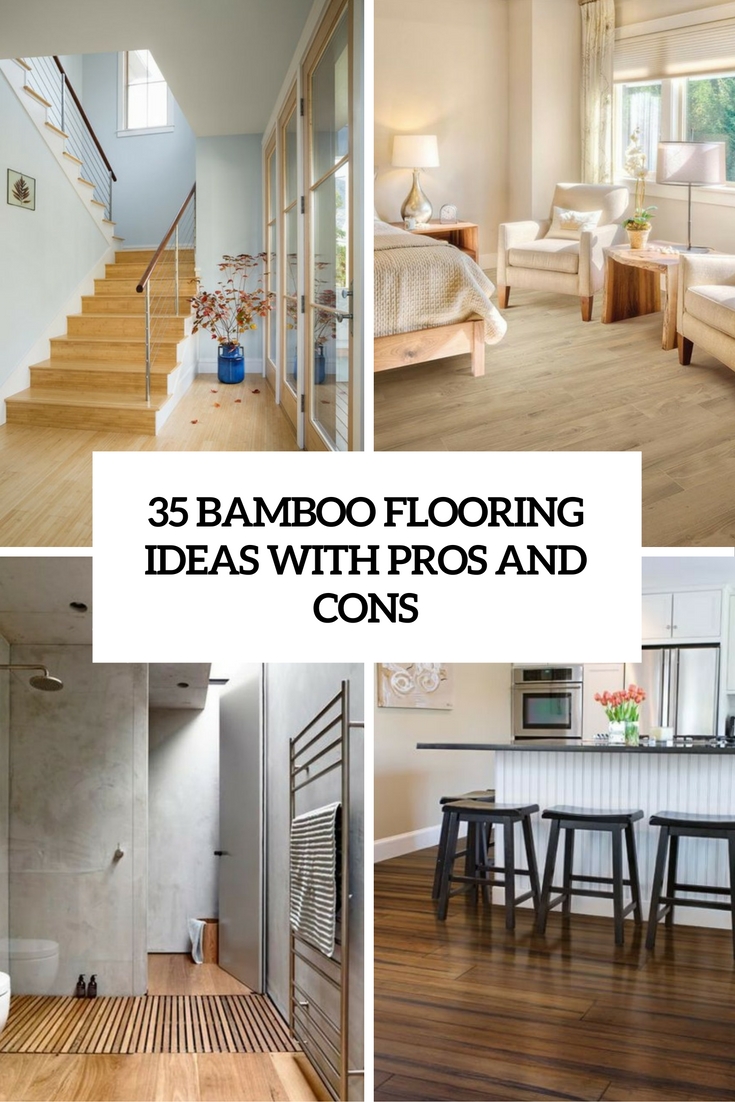
I created a stunning two-tone effect in my open-concept living and dining area by using natural blonde bamboo in the living space and carbonized bamboo in the dining zone. The transition happens at the natural break where my area rug ends, creating subtle definition between spaces without walls or dividers. This approach maintains the open feel while giving each area its own identity. The color contrast is noticeable but not jarring, creating sophisticated visual interest.
My kitchen features hand-scraped bamboo with an antique finish that hides the inevitable scratches and dents from dropped utensils and heavy foot traffic. The textured surface has depth and character that smooth bamboo couldn’t provide. I paired this rustic flooring with sleek modern cabinets and stainless appliances, creating an interesting mix of old and new that feels collected rather than cookie-cutter. The hand-scraping catches light differently throughout the day, making the floor almost come alive.
For my master bedroom, I chose a satin finish rather than the matte finish used elsewhere in my home. The subtle sheen adds a touch of luxury and reflects light beautifully in the morning sun. I learned that finish choice dramatically affects a room’s mood and ambiance. Glossy finishes feel more formal and contemporary, matte finishes create casual comfort, and satin splits the difference perfectly. Varying finishes room by room lets you customize the feel of each space while maintaining material continuity.
Incorporating Border and Inlay Design Elements
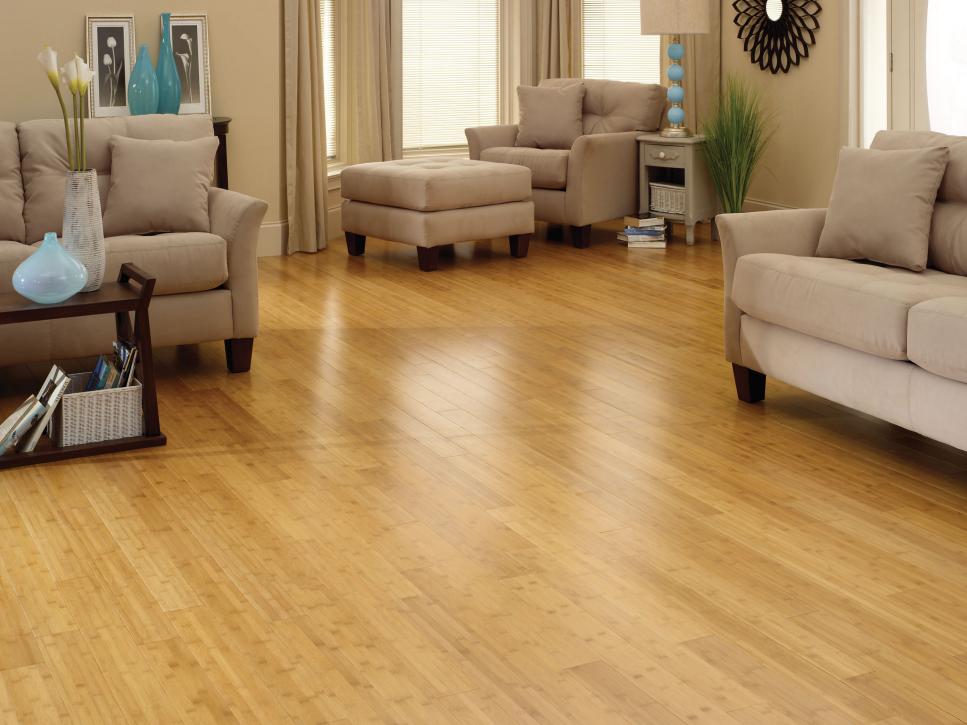
I added a decorative border to my living room bamboo floor using darker carbonized bamboo as a frame around the perimeter with lighter natural bamboo filling the center. This technique required careful planning and precise cutting but created a custom, high-end appearance reminiscent of traditional parquet floors. The border visually defines the seating area and makes the room feel more finished and intentional. My installer charged extra for this detail work, but the impact far exceeded the additional cost.
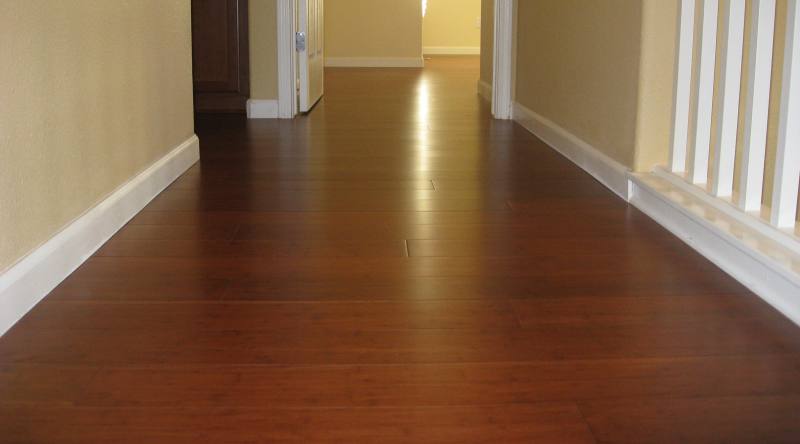
In my home’s main hallway, I created a simple inlay pattern using contrasting bamboo strips to form a geometric design running down the center. This runner effect guides visitors through the space while adding visual interest to what could have been a boring corridor. I used three-inch strips of dark bamboo against the standard-width natural bamboo planks. The result looks complex but was actually fairly straightforward to execute with proper planning and measurements.
My most ambitious project involved creating a compass rose medallion in my circular foyer using bamboo pieces cut into wedge shapes. This required professional help from a craftsman experienced in decorative flooring, but the one-of-a-kind result became my home’s signature feature. The medallion measures four feet in diameter and incorporates three different bamboo tones arranged in a sunburst pattern. Every visitor stops to admire it, and it sets an elegant tone for the entire home.
Using Different Plank Widths for Visual Variety
I mixed three-inch and five-inch bamboo planks in my family room to create a more organic, less uniform appearance. Rather than installing them in a specific pattern, we randomized the widths, which mimics the varied board widths found in reclaimed or antique wood floors. This technique adds character and makes the floor feel more authentic and less manufactured. The varied widths also help disguise any slight imperfections or irregularities that might occur over time.
My guest bedroom features exclusively wide-plank bamboo, seven inches across, which makes the modest-sized room feel more spacious and modern. Fewer seams mean less visual clutter and a cleaner, more streamlined appearance. Wide planks work particularly well in contemporary or minimalist spaces where simplicity is the goal. The installation went faster too since we needed fewer planks to cover the square footage, though waste was slightly higher due to the larger pieces.
In contrast, I chose narrow three-inch planks for my home office because I wanted a more traditional hardwood appearance that wouldn’t distract from my work. The narrower planks create more seams and visual lines, which actually makes the small office feel cozier rather than cramped. I learned that plank width significantly impacts spatial perception, and there’s no one-size-fits-all answer. Consider your room size, style preferences, and desired atmosphere when making this decision.

Combining Bamboo with Other Flooring Materials
I created a beautiful transition between my bamboo living room and tile entryway using a custom threshold made from matching bamboo. Rather than using standard metal or wood transition strips, my installer cut bamboo pieces to create a seamless visual flow. This detail makes both flooring types feel intentional and coordinated rather than disconnected choices. The threshold is slightly thicker than standard transitions, which I actually prefer because it feels more substantial underfoot.
My kitchen features bamboo flooring in the main area with porcelain tile extending into the sink and stove zones. This practical combination gives me the warmth and beauty of bamboo where I walk most while providing waterproof, heat-resistant tile in the work areas. The color-matched grout and similar tones create cohesion between materials. I used the same technique in my laundry room, with bamboo in the folding area and tile near the washer and dryer.
For my sunroom, I installed bamboo inside the main space but continued the same plank direction out onto the covered porch using composite decking. This creates visual continuity between indoor and outdoor living areas. The composite matches my bamboo’s color almost perfectly, and maintaining the same plank direction tricks the eye into seeing one continuous space. This technique makes both areas feel larger and creates a seamless indoor-outdoor flow perfect for entertaining.
Accentuating Architectural Features with Strategic Bamboo Placement
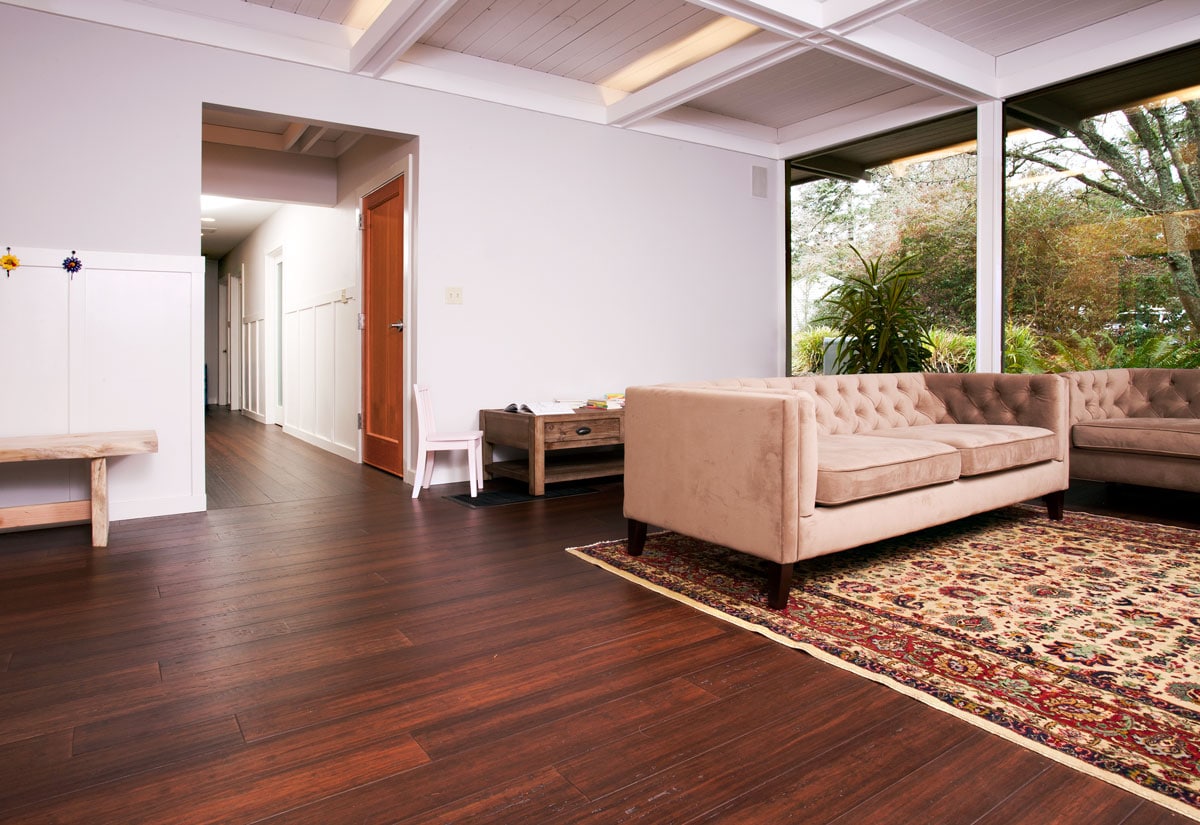
I ran my bamboo planks perpendicular to my living room’s large picture window, creating lines that lead the eye toward the view. This directional installation technique uses the floor to emphasize architectural features you want to highlight. In rooms with beautiful windows, fireplaces, or other focal points, consider how plank direction can either draw attention to or away from these elements. The simple choice of direction becomes a powerful design tool.
My staircase features bamboo treads and risers that match the flooring used throughout my home’s main level. Installing bamboo on stairs was more complex and expensive than standard flooring, requiring precise measurements and nosing pieces for safety. However, the cohesive look created by using the same material from floor to stairs makes my split-level home feel unified and intentional. The bamboo staircase has become a beautiful architectural element rather than just a functional necessity.
I highlighted the angled walls in my bonus room by installing bamboo planks that follow the angle rather than running parallel to the main walls. This unconventional approach emphasizes the room’s unique architecture and makes the angles feel intentional rather than awkward. The technique required more cutting and planning, but it transformed a challenging architectural quirk into a distinctive design feature. Sometimes working with your home’s unusual features rather than against them creates the most interesting results.
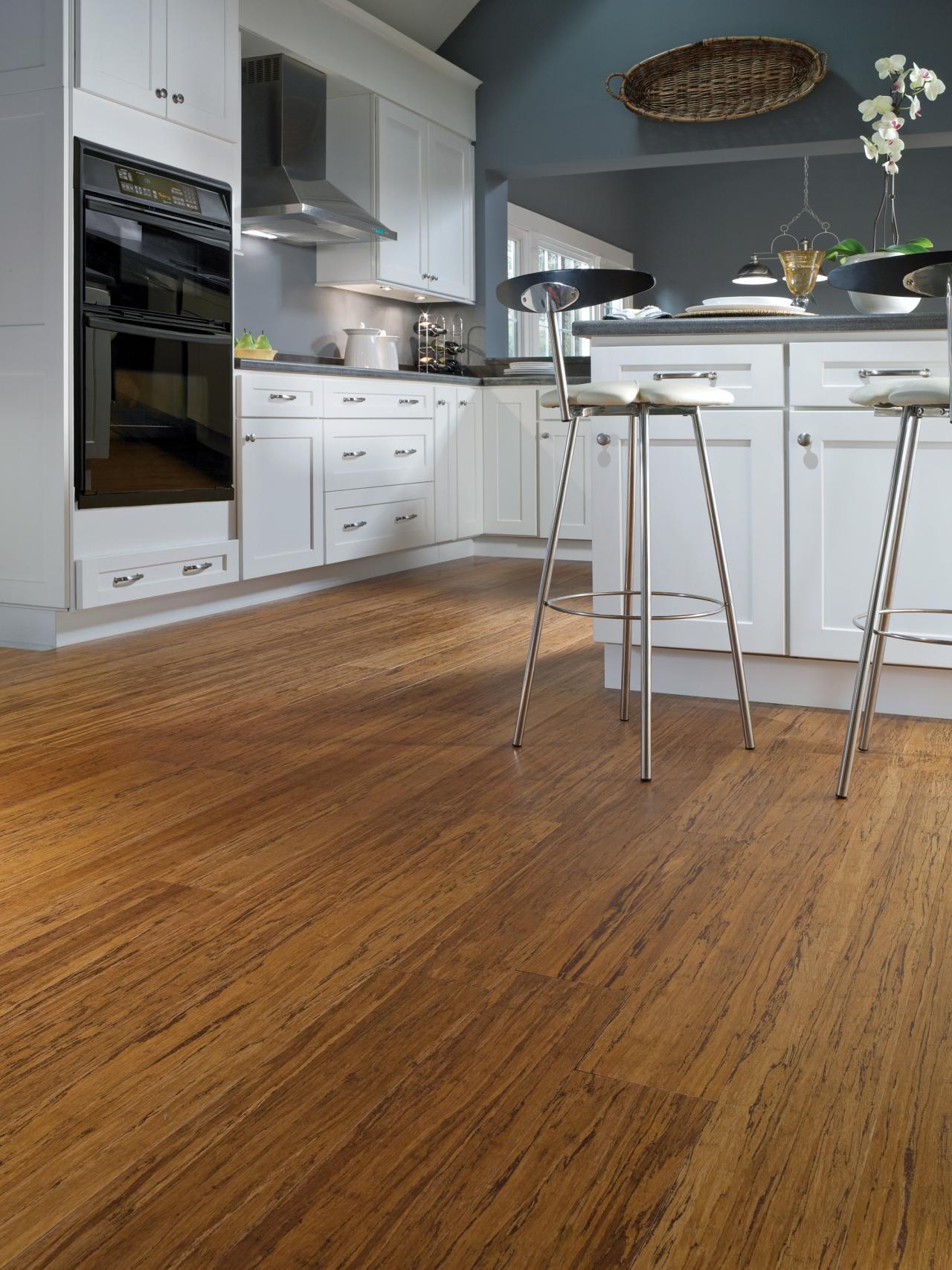
Wooden ( Bamboo ) Flooring Ideas for Your Home
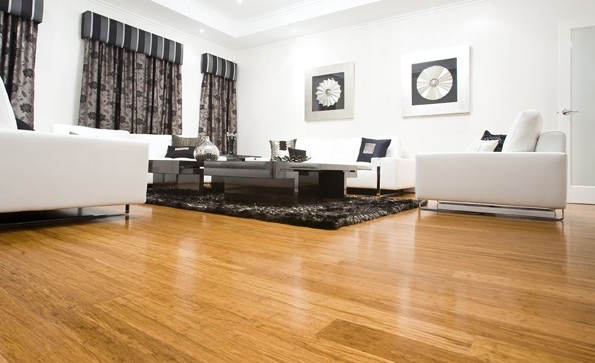
Bamboo Flooring Ideas With Pros And Cons
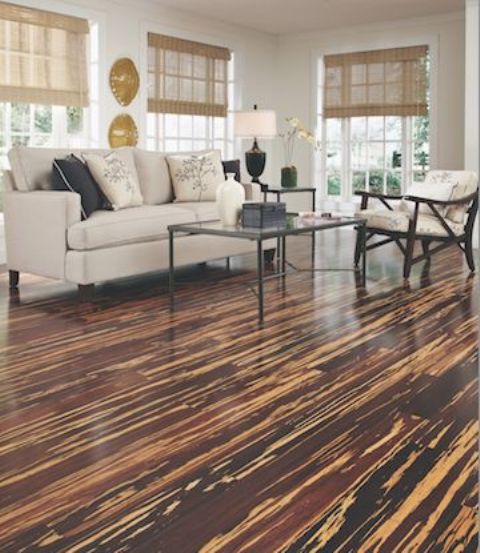
Bamboo Floor Living Room Ideas
Related Posts:
- Dark Bamboo Solid Wood Flooring
- Light Gray Bamboo Flooring
- Black Bamboo Flooring
- Bamboo Flooring Basement
- Dark Bamboo Wood Flooring
- Light Colored Bamboo Flooring
- Vertical Bamboo Flooring
- How To Refinish Bamboo Floors
- Bamboo Flooring Grey
- How to Deep Clean Bamboo Floors
Bamboo Flooring Ideas: Unlock the Beauty of Nature’s Durable Hardwood Alternative
If you’re seeking a rich, natural-looking flooring option that’s both beautiful and highly durable, bamboo flooring is a great choice. Bamboo is a renewable resource that’s quickly becoming one of the most popular flooring materials on the market. Its combination of sustainability and stylish appeal make it an attractive choice for homeowners. Read on to learn more about bamboo flooring and discover some inspiring ideas for your upcoming project.
What Is Bamboo Flooring?
Bamboo is a grass species that grows rapidly and has been used for centuries for its strength and versatility. It’s harvested, cut, and processed into thin strips or boards for use in flooring. The resulting product is similar to hardwood planks, but with a number of unique advantages.
Benefits of Bamboo Flooring
One of the main benefits of bamboo flooring is its sustainability. Unlike hardwood, bamboo can be harvested in as little as three to five years compared to the decades it can take for hardwood forests to replenish. Additionally, bamboo is an extremely durable material that can stand up to heavy foot traffic and resists scratches, dents, and stains. It’s also easy to install, making it an ideal DIY project for any homeowner.
Bamboo Flooring Ideas
There are plenty of creative ways to incorporate bamboo flooring into your home. Here are some ideas to get you started:
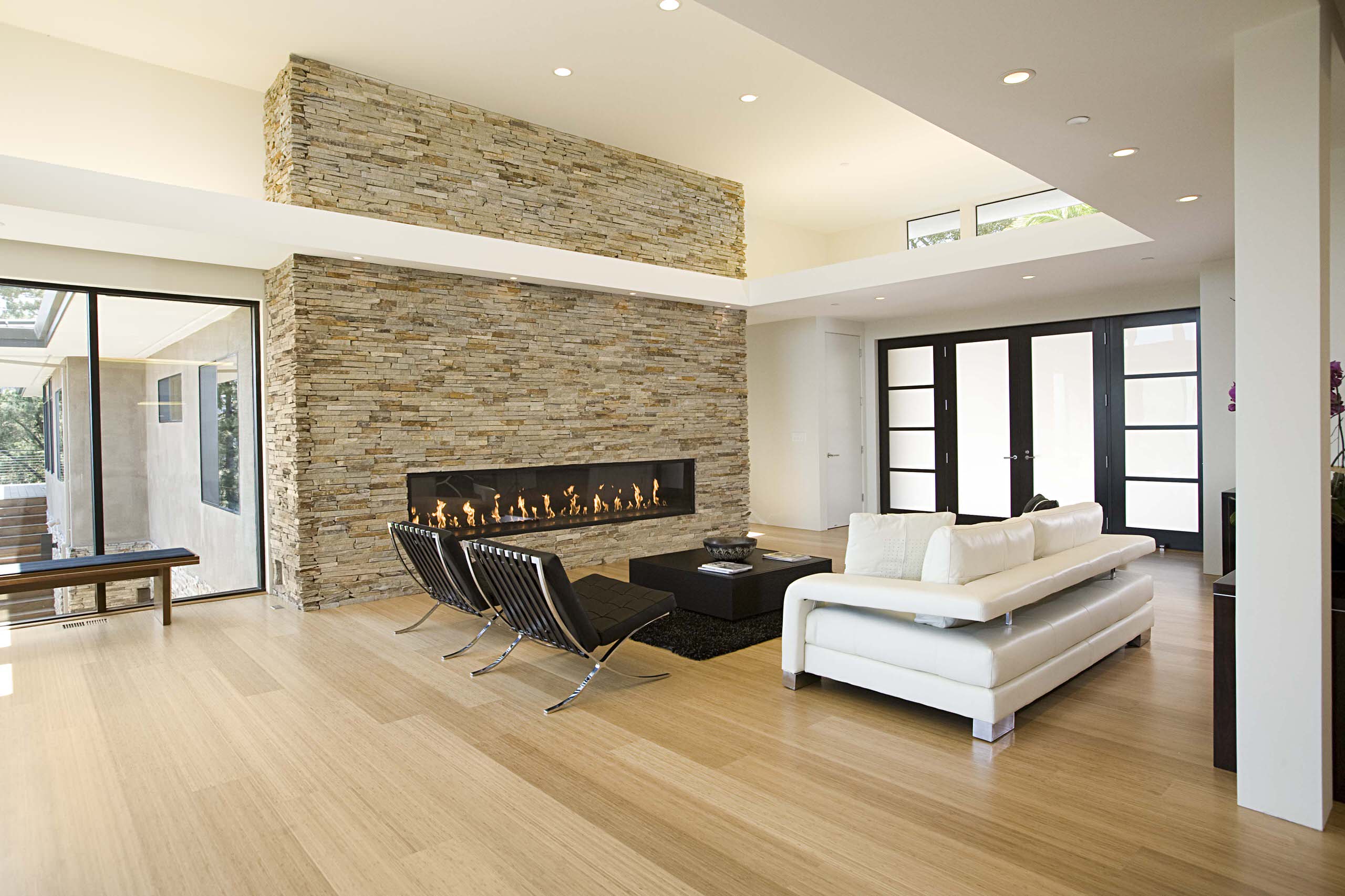
• Create a modern look with wide-plank bamboo flooring in a light shade. This minimalist style pairs well with contemporary furniture and décor.
• Add a touch of rustic charm by installing narrow-plank bamboo flooring with a dark stain. This look works well with traditional furniture and accessories.
• Create an eye-catching contrast by pairing light bamboo floors with dark walls or cabinets, or vice versa.
• Use contrasting colors of bamboo flooring to create interesting patterns or borders in your home.
• Install bamboo over radiant heating for added warmth and comfort throughout your home.
• Add unique texture by combining bamboo planks with recycled glass tiles or stone accents.
• For commercial spaces, opt for strand-woven bamboo floors, which are up to three times harder than traditional hardwood floors.
No matter what type of look you’re going for, bamboo floors provide an elegant solution that’s sure to last for many years to come. With its combination of beauty, durability, and eco-friendliness, it’s no wonder why so many homeowners are turning to this natural material as their flooring solution.