When I decided to build a new deck last summer, I spent weeks researching the best outdoor flooring materials before discovering outdoor bamboo decking. I’ll be honest, I was skeptical at first about using what I thought was an indoor-only material in my backyard. However, after learning about specially treated outdoor bamboo products and seeing examples at my local supplier, I was sold on the combination of sustainability, beauty, and durability.
The installation process taught me so much about working with this unique material, and now, after a full year of use through all seasons, I couldn’t be happier with my choice. Let me share what I’ve learned about using bamboo flooring in outdoor spaces.
Understanding Outdoor-Rated Bamboo vs Indoor Products
The first critical lesson I learned is that standard indoor bamboo flooring absolutely cannot be used outdoors. Indoor bamboo isn’t treated to withstand UV exposure, moisture cycling, and temperature extremes that outdoor environments demand.
I made sure to purchase bamboo specifically manufactured and rated for exterior applications. These products undergo special heat treatment and coating processes that make them weather-resistant, a completely different product from interior flooring despite looking similar.
Outdoor bamboo decking typically comes in two main types: solid bamboo boards and strand-woven bamboo. I chose strand-woven because it’s significantly harder and more durable, created by compressing bamboo fibers under extreme pressure with weather-resistant resins.
This construction method produces a density rating higher than most hardwoods, including teak and ipe. The strand-woven boards feel incredibly solid and substantial, giving me confidence they’ll withstand years of foot traffic, furniture, and weather exposure.
The treatment process for outdoor bamboo includes thermal modification that changes the wood’s cellular structure, making it naturally resistant to moisture, insects, and decay. My bamboo also has a protective coating applied at the factory that provides UV resistance to prevent fading and graying.
Understanding these manufacturing differences helped me ask the right questions when shopping and avoid products marketed as “outdoor bamboo” that were actually just indoor flooring with wishful thinking and inadequate protection.
Choosing the Right Style and Color for Your Space
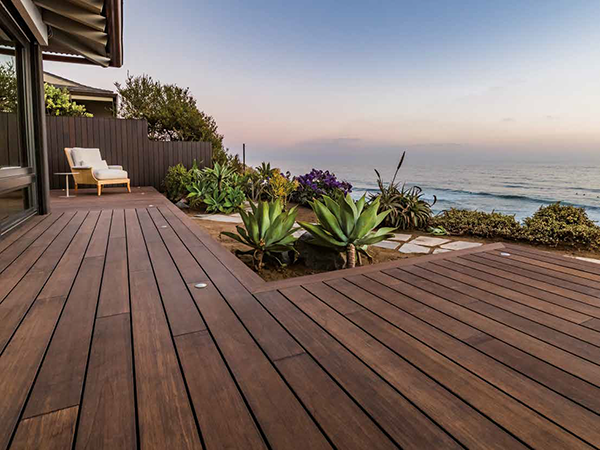
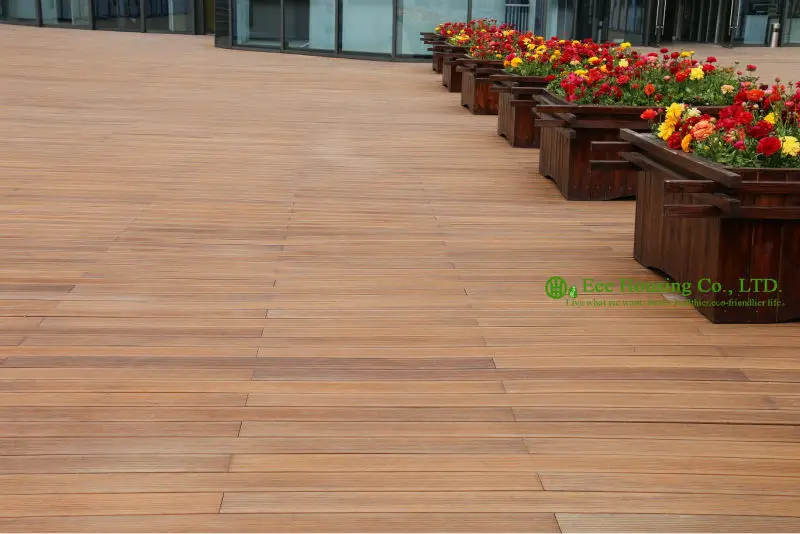
Outdoor bamboo comes in various color options, though the range is narrower than indoor products. I selected a rich amber tone that complemented my home’s existing cedar siding and stone foundation. The warm brown color creates a natural, organic feel that blends beautifully with my landscaping. Darker colors like espresso and walnut are available but can show scratches more easily and absorb more heat in direct sun, making them uncomfortably hot underfoot during summer.
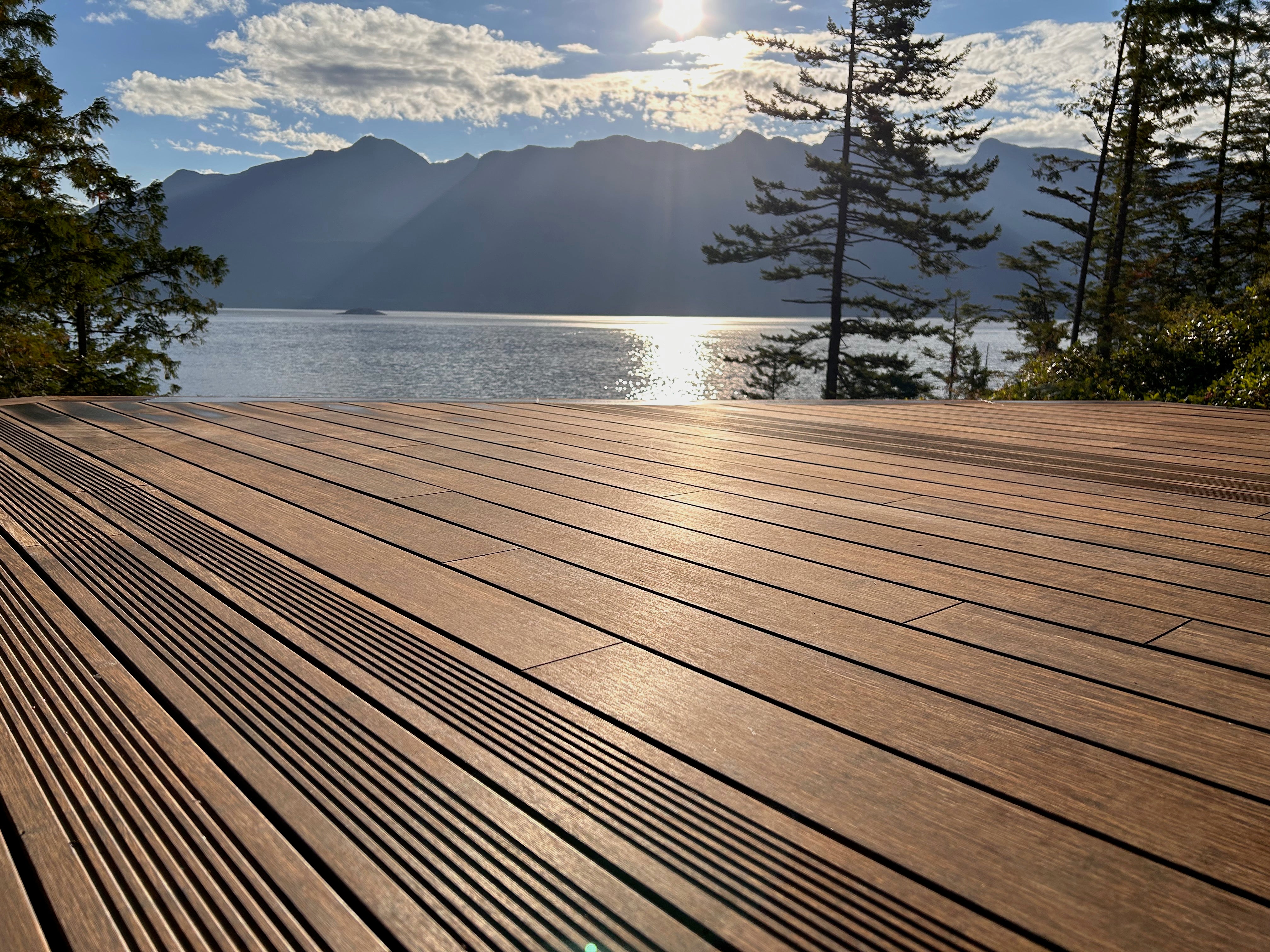
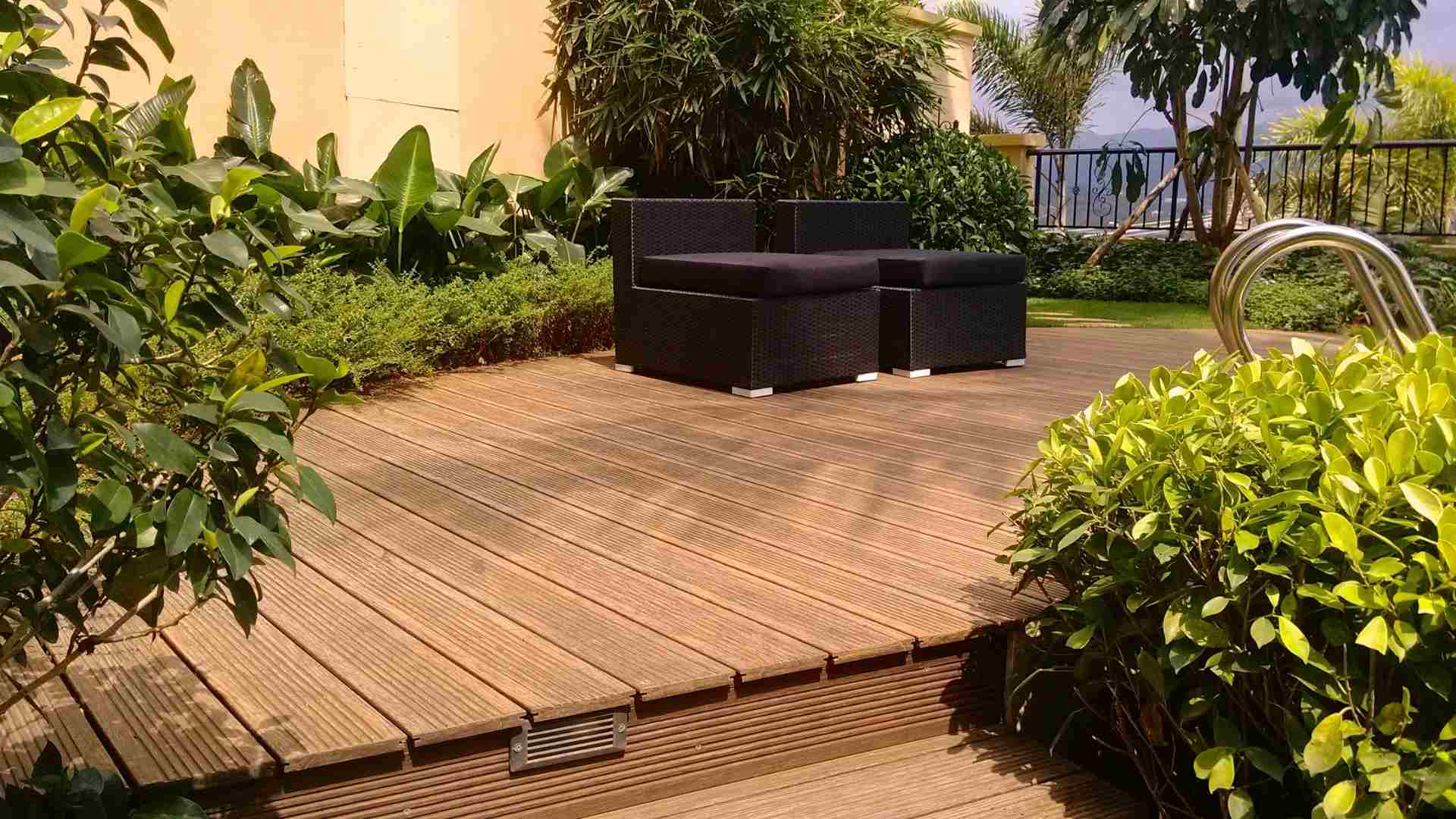
I had to decide between smooth and grooved surface textures. Smooth bamboo looks sleeker and feels nicer barefoot, which mattered since I envisioned relaxing on my deck during warm evenings. However, grooved bamboo provides better traction when wet, important for safety around my pool area. I compromised by using smooth bamboo on the main deck and grooved boards on the stairs and pool surround where slip resistance was essential for safety.
The plank width I chose, six inches, strikes a balance between contemporary and traditional aesthetics. Wider boards create a more modern look with fewer seams, while narrower boards feel more classic. I also selected longer planks, up to sixteen feet where possible, to minimize end joints and create cleaner sight lines across my deck. The longer lengths cost slightly more and required more careful handling during installation, but the seamless appearance justified the extra expense and effort.
Planning Your Deck Layout and Structural Requirements
Before purchasing materials, I had to ensure my deck’s support structure could properly accommodate bamboo decking. Outdoor bamboo requires joists spaced no more than sixteen inches apart, closer than some other decking materials allow. I built my deck frame using pressure-treated lumber with joists at twelve-inch spacing for extra support, which also minimizes any flexing or bounce when walking across the deck. This solid foundation was essential for the bamboo’s longevity.
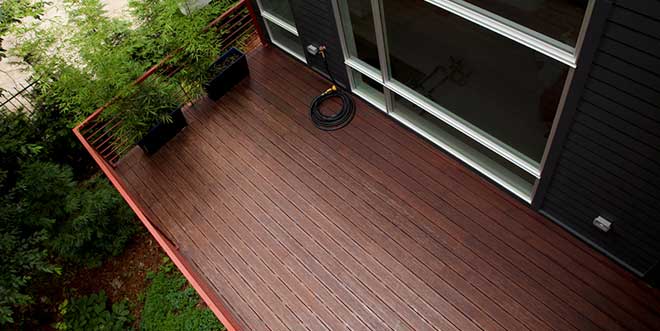
I planned the decking board layout to run perpendicular to my house, creating visual lines that make the deck feel wider and draw the eye toward my backyard view. I also incorporated a decorative border using boards running in the opposite direction, framing the entire deck perimeter. This detail added complexity to the framing since I needed additional blocking to support the perpendicular border boards, but the finished look was absolutely worth the extra effort.
Drainage considerations were crucial in my planning. I ensured my deck had a slight slope, about one-eighth inch per foot, directing water away from the house. I also left proper gaps between bamboo boards for water runoff and air circulation. My supplier recommended three-sixteenths inch gaps, which I maintained using spacers during installation. These gaps allow the bamboo to expand and contract with moisture and temperature changes while preventing water from pooling on the deck surface.
Installing Outdoor Bamboo Decking Properly
I chose hidden fastener systems rather than face-screwing my bamboo boards, which creates a clean, screw-free surface that’s more comfortable for bare feet and looks more refined. The hidden fasteners clip into grooves routed along each board’s edge, securing the decking while remaining invisible from above. This installation method took longer than traditional face-screwing but produced professional results I’m incredibly proud of. Each clip cost about fifty cents, adding to my budget but worth it.
The installation process required careful attention to the bamboo’s expansion gaps. I started at the house and worked outward, using spacers to maintain consistent gaps between boards. The first board had to be perfectly straight and square because every subsequent board followed its line. I checked alignment constantly, making tiny adjustments to keep everything tracking correctly. One mistake I made was not checking my starting board’s alignment carefully enough, resulting in a slight drift that I had to correct halfway across the deck.
Pre-drilling every screw hole prevented splitting, which outdoor bamboo is susceptible to despite its hardness. I used stainless steel screws exclusively because regular screws would rust and stain the bamboo over time. For the border boards and any face-screwed areas, I countersunk screws and filled the holes with color-matched wood putty designed for exterior use. The extra steps required patience, but they ensured a professional finish that has held up beautifully through sun, rain, and snow.
Protecting and Maintaining Outdoor Bamboo
Immediately after installation, I applied a penetrating oil finish specifically formulated for outdoor bamboo. This crucial step enhances the wood’s natural water resistance and UV protection beyond the factory coating. I used a brush to apply the oil liberally, allowing it to soak in for fifteen minutes before wiping away excess. The oil darkened the bamboo slightly and brought out the grain beautifully while creating an additional protective barrier against the elements.
I committed to reapplying the protective finish annually each spring, which has become a weekend ritual I actually enjoy. The reapplication process is straightforward: clean the deck thoroughly, let it dry completely, then brush on a fresh coat of oil. This yearly maintenance keeps the bamboo looking rich and protects it from premature graying and weathering. Without this maintenance, outdoor bamboo will fade to a silver-gray patina, which some people find attractive but I wanted to prevent.
Regular cleaning has become part of my routine. I sweep the deck weekly to remove leaves, dirt, and debris that could trap moisture against the bamboo. Monthly, I wash the deck using a mild soap solution and soft-bristle brush, avoiding pressure washers that could damage the bamboo’s surface. I immediately clean up any spills, especially acidic substances like wine or citrus that could stain or etch the finish. These simple habits keep my deck looking new and prevent problems before they start.

Dealing with Weather and Seasonal Changes
My bamboo deck’s first winter tested its durability, and I’m happy to report it performed excellently. The bamboo showed minimal expansion and contraction compared to traditional wood decking I’ve had previously. Snow and ice didn’t damage the surface, though I was careful to use plastic shovels rather than metal to avoid scratching. I also avoided harsh ice-melting chemicals, opting for sand for traction instead, protecting both the bamboo and my landscaping.
Summer heat was another concern I had before installation. In direct afternoon sun, the bamboo does get warm but not unbearably hot like composite decking can become. The natural bamboo material doesn’t absorb and retain heat the way synthetic materials do. On the hottest days, I still walk on it barefoot comfortably, though I sometimes wet it down in the afternoon to cool it off before evening gatherings. The lighter amber color I chose helps reflect rather than absorb heat.
I’ve learned to watch for early signs of weathering or damage so I can address issues promptly. After particularly wet periods, I inspect for any boards that might be cupping or showing moisture damage. I check the gaps between boards to ensure they’re not clogged with debris that could trap water. I examine the finish annually before reapplying oil, looking for areas where UV exposure might have broken down protection. This proactive approach has kept my deck in excellent condition.

How long does outdoor bamboo decking typically last compared to other materials?
Quality outdoor bamboo decking should last 20-25 years with proper maintenance and finishing. This is comparable to premium hardwoods like ipe or teak but shorter than composite decking that can last 30+ years. However, bamboo’s sustainability and natural beauty make it worthwhile for me. The annual oiling and regular cleaning are essential for maximizing lifespan. I’ve seen poorly maintained outdoor bamboo deteriorate in under 10 years, so commitment to care is crucial.
Can outdoor bamboo decking really handle extreme weather conditions?
Yes, properly treated outdoor bamboo handles weather well. My deck has survived heavy snow, ice, intense summer sun, and torrential rain without damage. The key is purchasing true outdoor-rated bamboo with proper heat treatment and UV protection, not indoor flooring used outside. Adequate drainage, proper installation with expansion gaps, and annual finishing maintain weather resistance. I wouldn’t use bamboo in extremely harsh climates without covered protection though.
Is outdoor bamboo decking slippery when wet?
Smooth outdoor bamboo can be slippery when wet, similar to any smooth wood surface. I addressed this by using grooved bamboo on stairs and high-traffic areas where slip resistance matters most. The annual oil finish I apply also provides some texture that improves traction. For areas around pools or where water exposure is constant, I’d recommend grooved bamboo or adding outdoor rugs for safety.
How does the cost of outdoor bamboo compare to composite or wood decking?
I paid about $6-8 per square foot for quality outdoor bamboo materials, falling between pressure-treated wood ($3-5) and premium composites ($8-12). Hidden fasteners added roughly $1 per square foot. Installation labor costs are similar to other decking types. While not the cheapest option, bamboo’s sustainability, beauty, and performance make it excellent value. The annual maintenance adds minimal cost, maybe $100 for finish products.

Can I install outdoor bamboo decking myself or should I hire professionals?
I successfully installed my bamboo deck with basic carpentry skills and the right tools. If you’re comfortable building deck framing and have experience with wood projects, DIY installation is feasible. The hidden fastener system requires attention to detail but isn’t overly complex. However, if you’re new to deck building, consider hiring professionals at least for the framing to ensure proper structure and drainage.
Will outdoor bamboo decking fade or change color over time?
Without proper maintenance, outdoor bamboo will fade and develop a silver-gray patina similar to untreated teak or cedar. I prevent this by applying protective oil annually, which maintains the original amber color beautifully. Some people actually prefer the weathered look and skip the finishing, which is fine if you like that aesthetic. The fading doesn’t indicate damage, it’s just a cosmetic change from UV exposure.
Related Posts: