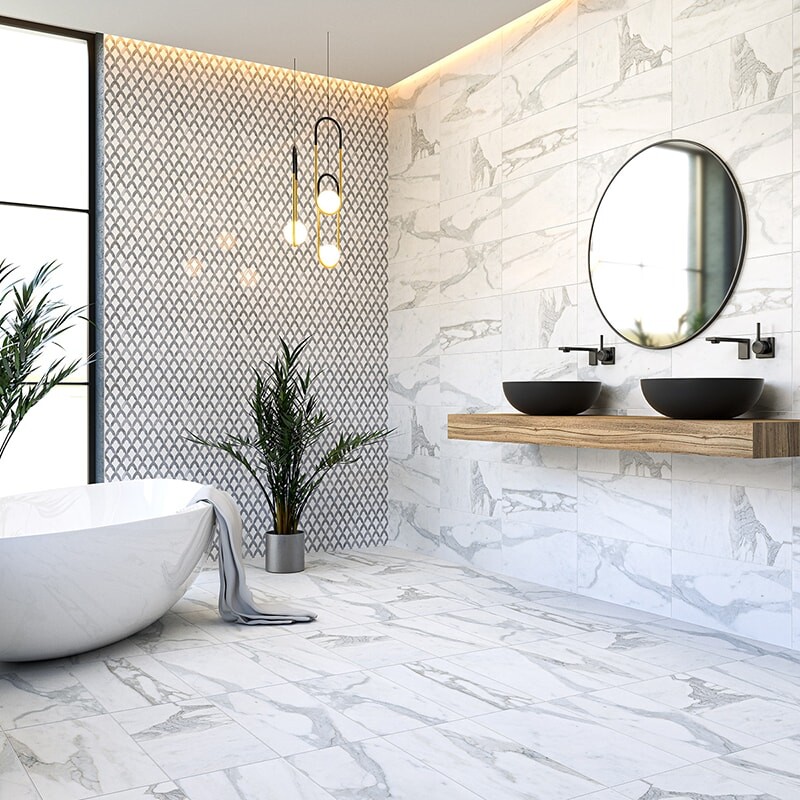
Five years ago, I made the bold decision to install Carrara marble floors in my master bathroom renovation. Everyone warned me about the challenges, the maintenance, and the potential for staining and etching. But I was captivated by the timeless elegance and luxurious feel that only natural marble can provide. After living with marble bathroom floors for half a decade, I’ve learned invaluable lessons about selection, installation, maintenance, and the reality of owning this beautiful but demanding natural stone. My journey has been filled with both triumphs and mistakes that I’m eager to share.
Choosing the Right Marble for Your Bathroom
When I started researching marble options, I quickly realized that not all marble varieties are suitable for bathroom environments. I initially fell in love with white Thassos marble, but my contractor explained that its high porosity would make it problematic in a moisture-rich environment. After extensive research, I settled on Carrara marble for its relatively dense structure and proven track record in bathroom applications.
The finish selection proved more complex than I anticipated. I considered polished marble for maximum elegance, but learned that wet polished marble becomes dangerously slippery. My installer recommended honed Carrara, which provides better traction while still maintaining the stone’s natural beauty. The matte finish also helps hide minor scratches and etching that inevitably occur over time.
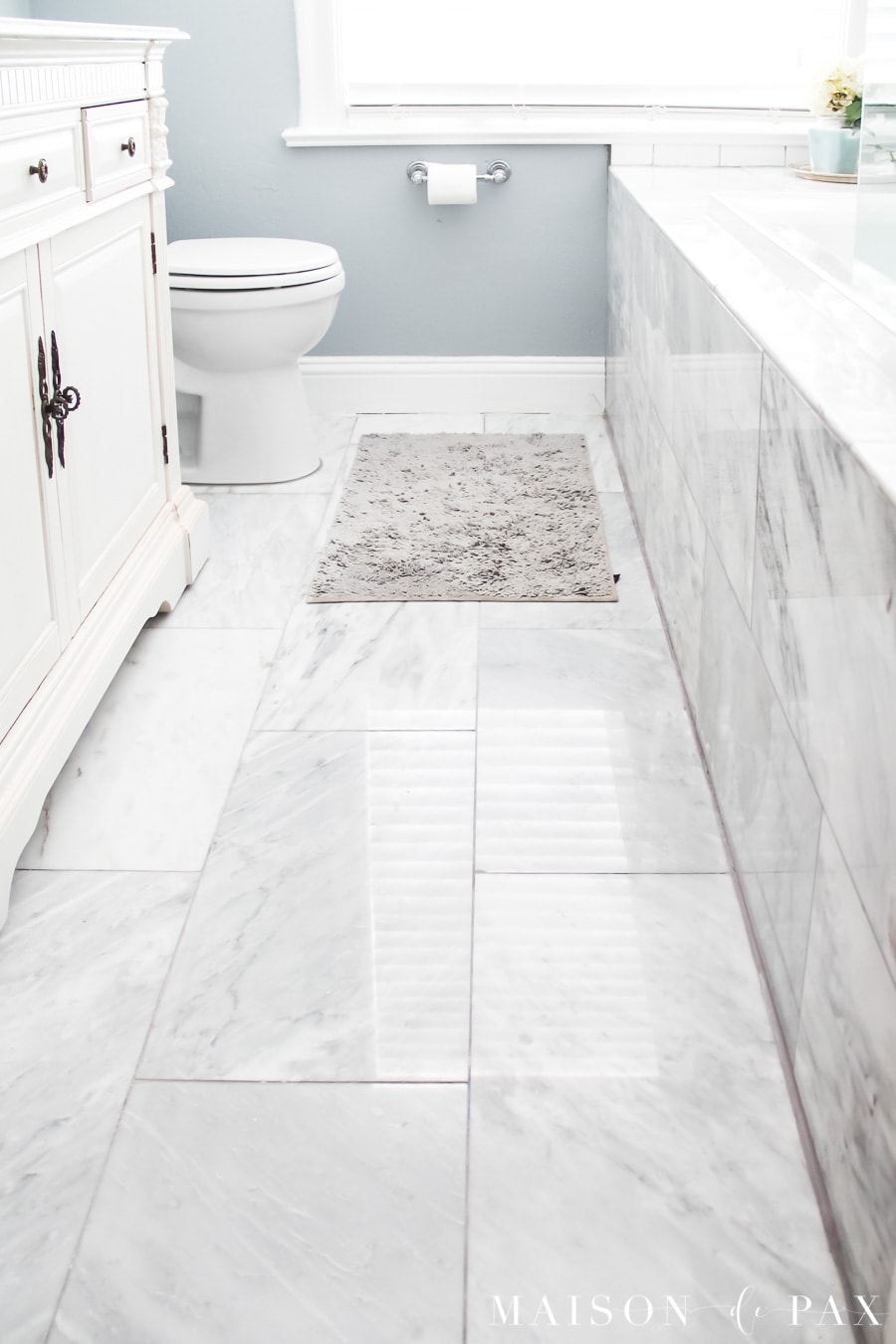
Size and pattern considerations consumed weeks of my decision-making process. I chose 12×24-inch tiles laid in a brick pattern to minimize grout lines while creating visual interest. Larger tiles mean fewer grout joints, reducing maintenance and potential water infiltration points. The brick pattern adds movement and prevents the floor from looking too formal or sterile in my contemporary bathroom design.
Installation Challenges I Encountered
Finding a qualified installer became my first major hurdle. Many contractors claimed marble experience, but I learned that bathroom marble installation requires specialized knowledge of waterproofing, substrate preparation, and proper sealing techniques. I interviewed five contractors before finding one with extensive natural stone experience and proper insurance coverage for potential damage.
The substrate preparation was more extensive than I expected. My installer removed the existing tile and added a second layer of cement backer board to ensure absolute flatness and stability. Any movement in the substrate can crack marble tiles, leading to expensive repairs. The waterproofing membrane installation took two full days, but this step proved crucial for preventing moisture damage.
Temperature and humidity control during installation surprised me with its importance. My contractor insisted on climate-controlled conditions and scheduled installation during mild weather. Extreme temperatures can cause marble to expand and contract during the setting process, potentially leading to lippage or cracking. We also had to coordinate bathroom ventilation to prevent condensation during the curing period.

Sealing and Protection Strategies That Work
I learned that sealing marble floors is not optional; it’s essential for bathroom applications. My installer applied an impregnating sealer immediately after installation and grouting. This penetrating sealer soaks into the stone’s pores, creating a barrier against water and stain absorption without altering the marble’s natural appearance or texture.
The sealing schedule requires more attention than I initially anticipated. I reapply sealer every 12-18 months, depending on usage and wear patterns. I test the seal by dropping water droplets on the surface; if they absorb within 10 minutes, it’s time to reseal. High-traffic areas near the shower and vanity need more frequent attention than areas under the toilet or in corners.
I use only pH-neutral sealers specifically designed for natural stone. Acidic or alkaline sealers can damage marble over time, causing discoloration or surface deterioration. I learned this lesson when I accidentally used a generic stone sealer that left cloudy residue on several tiles. Professional-grade sealers cost more initially but provide better protection and longer-lasting results.
Daily Maintenance Routines That Preserve Beauty
My daily marble maintenance routine is simple but non-negotiable. I squeegee shower walls and floors after each use to prevent water spots and mineral buildup. I keep microfiber cloths in the bathroom for quick cleanup of toothpaste, soap, or cosmetic spills before they can stain or etch the surface.
Weekly cleaning involves pH-neutral stone cleaner and soft microfiber mops. I never use vinegar, lemon, or commercial bathroom cleaners containing acids, as these will etch marble surfaces permanently. I learned this the hard way when citrus-scented cleaner left permanent dull spots around my vanity area that required professional restoration.
I address spills immediately, especially anything acidic like perfume, hair products, or cleaning chemicals. Even brief contact with acids can cause etching, creating permanent dull spots that mar the marble’s polished beauty. I keep baking soda nearby for neutralizing spills and stone cleaner for proper cleanup without causing additional damage.
Dealing with Common Marble Problems
Etching became my biggest ongoing challenge with marble bathroom floors. Despite my best efforts, acidic substances occasionally contact the surface, leaving dull spots that catch light differently than the surrounding stone. I’ve learned to perform minor etch repair using marble polishing powder and careful buffing techniques for small areas.
Water spots and soap scum require consistent attention to prevent permanent buildup. Hard water in my area creates mineral deposits that can permanently stain unsealed marble. I installed a water softener system and use a daily shower spray to minimize mineral accumulation. Regular professional cleaning every six months helps maintain the marble’s original luster.
Hairline cracks developed in two tiles after three years, likely due to minor settling in my home’s foundation. Rather than replacing individual tiles, I had them professionally filled with color-matched epoxy. This repair method is nearly invisible and much less expensive than tile replacement, though it requires expert application for best results.
Long-Term Investment Considerations
The financial investment in marble bathroom floors extends beyond initial purchase and installation costs. I budget approximately $300 annually for professional cleaning, sealing, and minor repairs. This ongoing maintenance cost is significant but necessary to preserve the marble’s beauty and protect my initial investment in this premium flooring material.
Property value impact has been positive in my experience. Real estate agents consistently mention the marble floors as a luxury feature that appeals to potential buyers. However, I’ve learned that not all buyers appreciate the maintenance requirements, and some view marble as high-maintenance rather than luxurious, potentially limiting the buyer pool.
Long-term durability has exceeded my expectations when properly maintained. Despite daily use by two adults, my Carrara marble floors show minimal wear after five years. The natural stone’s density and quality mean it can last decades with proper care, making it a sound long-term investment despite higher upfront and maintenance costs compared to ceramic or porcelain alternatives.
Is marble flooring practical for a busy family bathroom with children?
Marble can work in family bathrooms, but it requires significant commitment to maintenance and supervision. I’ve observed friends with marble floors and young children struggle with the constant vigilance needed to prevent damage from spills, dropped items, and general wear. Children’s bath products, especially bubble baths and colorful soaps, can stain marble if not cleaned immediately. The slippery surface when wet also poses safety concerns for running children. If you choose marble for a family bathroom, consider honed finishes for better traction and be prepared for more frequent maintenance.
How does marble bathroom flooring compare to porcelain that looks like marble?
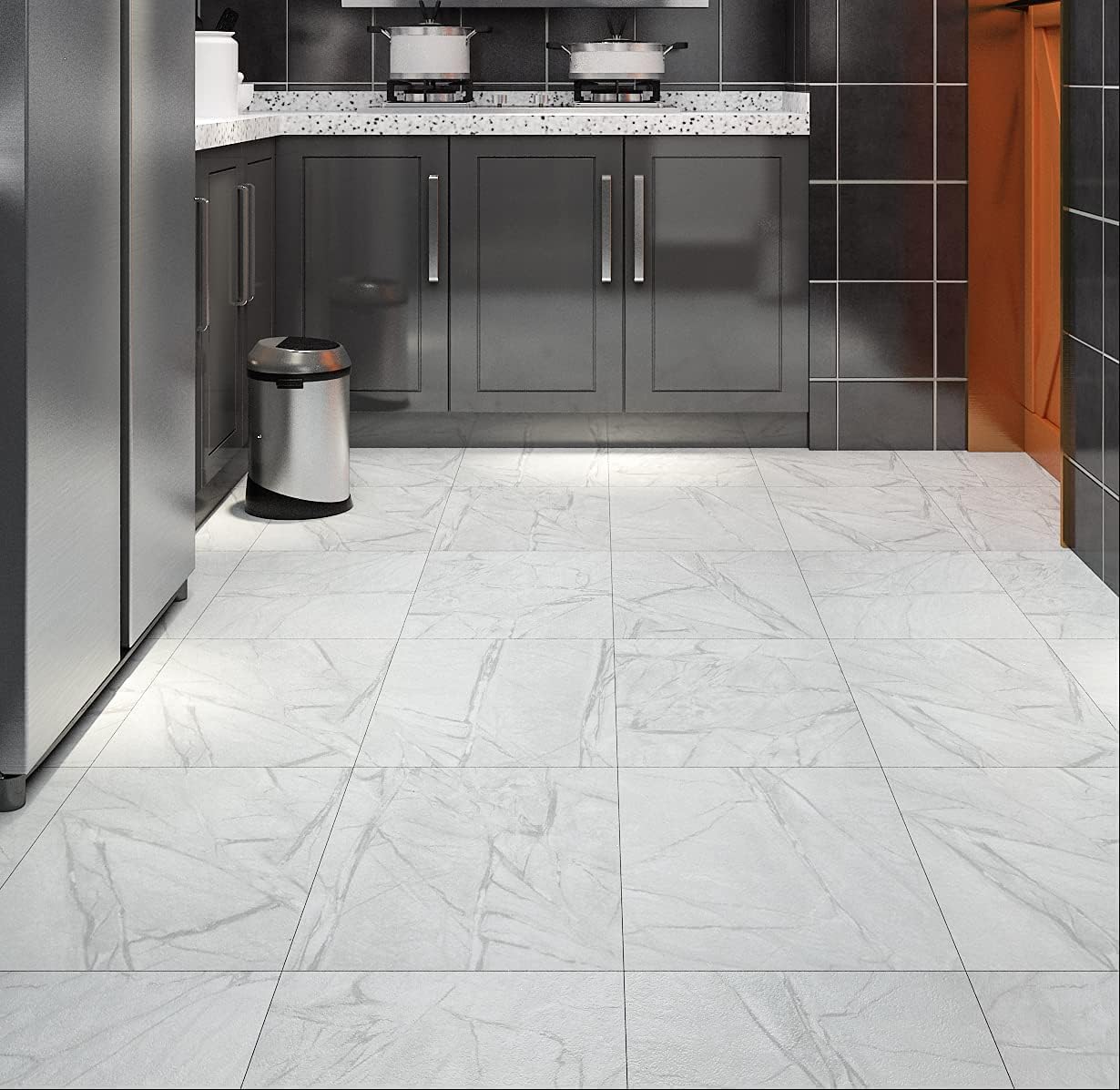
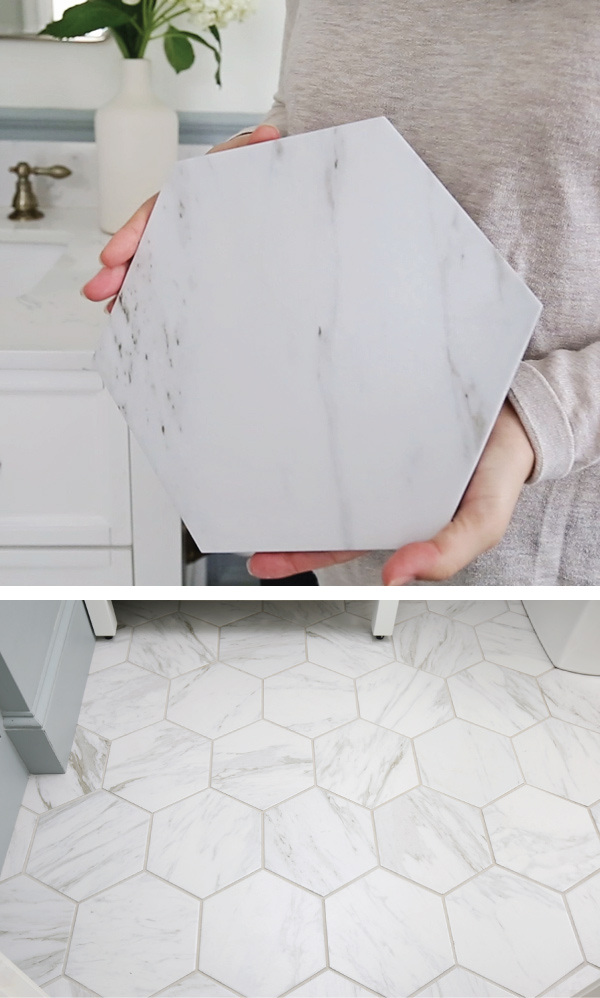
Having lived with real marble, I can say that high-quality porcelain alternatives have improved dramatically, but still can’t match marble’s natural beauty and unique veining patterns. Porcelain offers superior stain resistance, requires no sealing, and costs significantly less to maintain long-term. However, marble provides an unmatched luxury feel, natural temperature regulation, and authentic character that varies from tile to tile. The choice depends on your priorities. If low maintenance is crucial, choose porcelain; if authentic luxury matters most, marble is worth the effort.
What should I do if my marble floors develop permanent stains or etching?
Professional restoration is usually the best solution for significant marble damage. I’ve had success with marble restoration specialists who use diamond polishing pads and specialized compounds to remove etching and surface stains. Minor etching can be addressed with marble polishing powder and careful buffing, but deep damage requires professional equipment. Prevention remains more cost-effective than restoration, so immediate spill cleanup and proper sealing are crucial. Some stains may be permanent, especially if they’ve penetrated deeply into unsealed stone, making prevention essential.
How slippery are marble floors when wet, and what safety measures work best?
Wet marble can be extremely slippery, especially on polished finishes. I chose honed marble specifically for better traction, but even textured marble requires caution when wet. I installed grab bars strategically and use high-quality bath mats with strong suction cups. LED strip lighting under vanities helps illuminate the floor, reducing slip hazards in low light. I also maintain consistent bathroom ventilation to minimize condensation that makes floors slippery. For maximum safety, consider marble with a natural texture or ask your installer about slip-resistant treatments that don’t compromise the stone’s appearance.
What’s the realistic timeline and cost for professional marble floor maintenance?
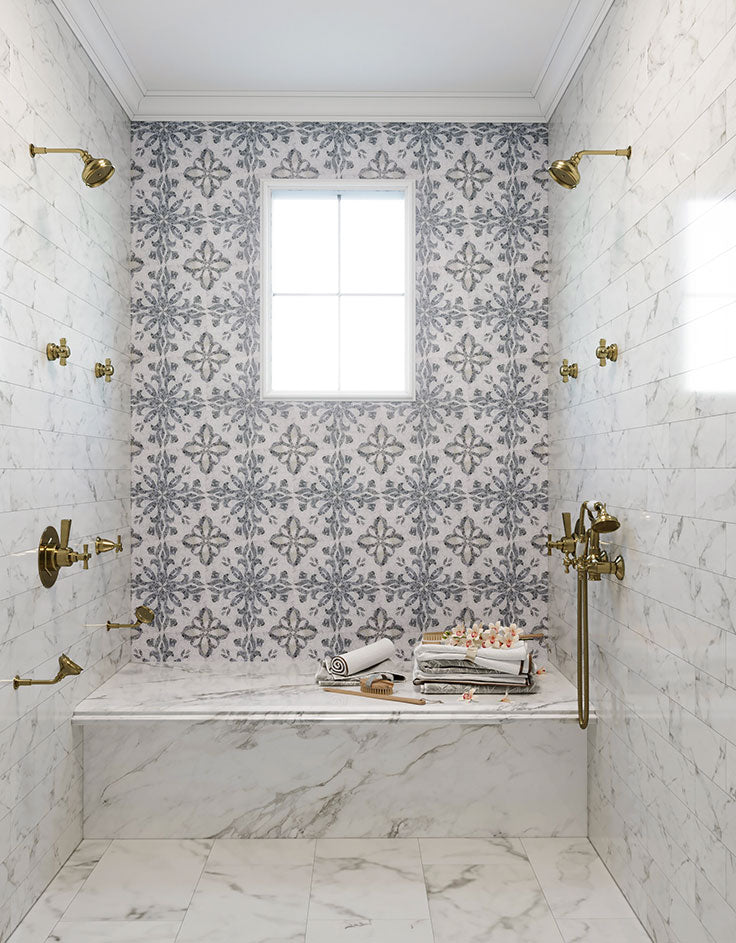
Professional maintenance varies by usage and local service costs, but I spend approximately $200-400 annually on my 60-square-foot marble bathroom floor. This includes biannual professional cleaning and sealing ($150-200 per visit) plus occasional repair work. Deep cleaning and resealing takes 4-6 hours with a 24-hour cure time before full use. I schedule maintenance during planned weekend trips to minimize inconvenience. Emergency repairs for chips or cracks can cost $100-300, depending on severity. Budget at least $300 yearly for professional care to maintain the marble’s beauty and protect your investment.
Can I install marble bathroom floors myself, or is professional installation essential?
While I’m experienced with home improvement projects, I strongly recommend professional installation for marble bathroom floors. The precision required for proper substrate preparation, waterproofing, and stone handling exceeds typical DIY capabilities. Marble tiles are expensive and easily damaged during installation; mistakes can cost thousands in replacement materials. Professional installers have specialized tools for cutting and handling heavy stone, plus insurance coverage for potential damage. The complex waterproofing requirements in bathroom environments make professional installation essential for preventing costly water damage that could compromise your entire bathroom structure.
My Favorite Porcelain Marble Tile – Angela Marie Made
When And Where Can Marble Floors Become An Elegant Design Feature

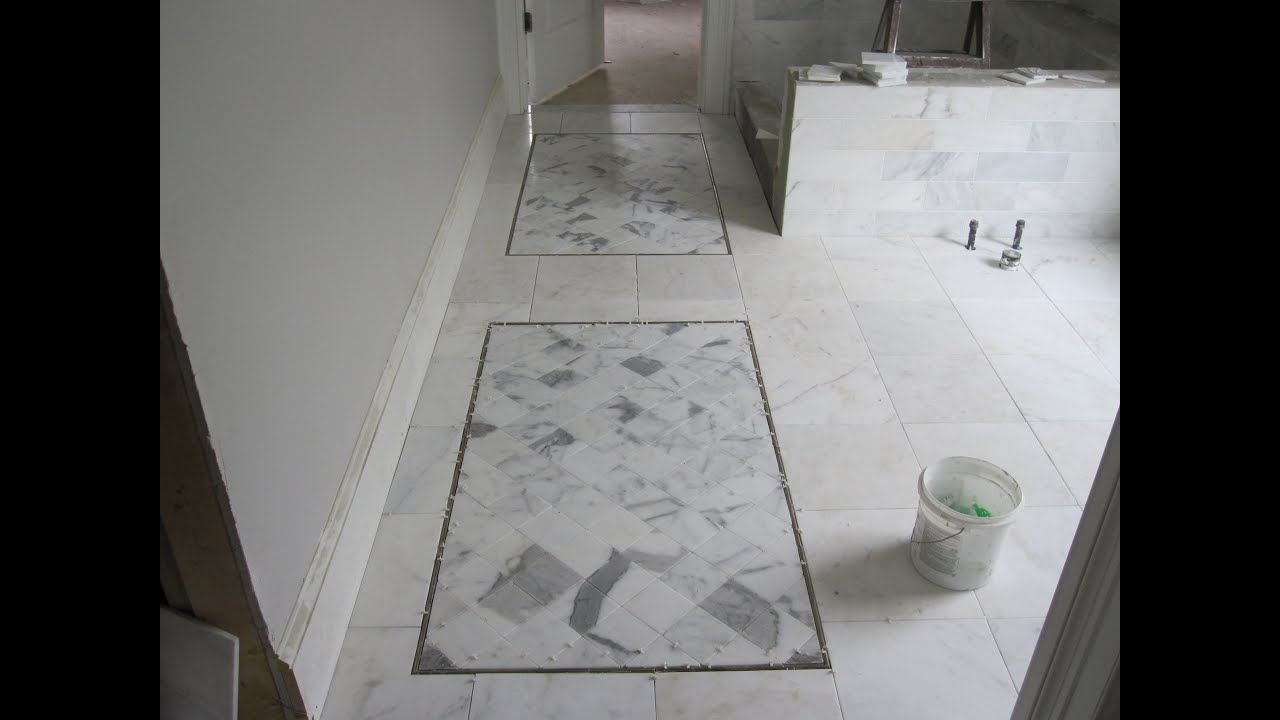
Master bathroom marble tile floor
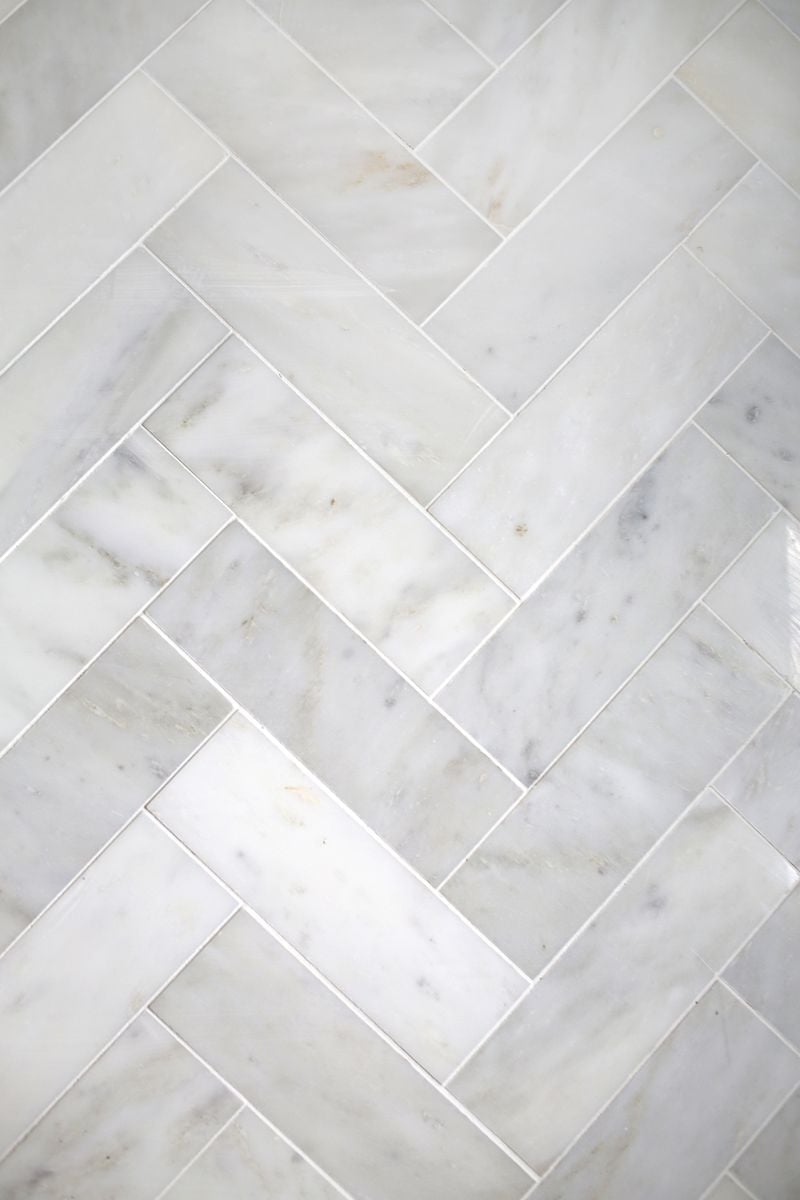
Try This: Herringbone Marble Tile – A Beautiful Mess
Related Posts: