When I inherited my grandmother’s house three years ago, the basement was a nightmare. Decades of neglect had left the concrete floors stained with oil, covered in dust, and harboring that musty smell I thought would never go away. After months of research and countless hours of trial and error, I transformed that dungeon into a clean, functional space. My journey taught me that basement floor cleaning isn’t just about appearances; it’s about creating a healthy environment and preventing long-term structural damage to your home’s foundation.
Understanding Your Basement Floor Type and Condition
The first step in my cleaning journey was identifying exactly what I was working with. My basement had unsealed concrete floors with various stains, cracks, and areas where moisture had caused efflorescence, those white chalky deposits that appear on concrete surfaces. I spent hours researching different floor types and realized that treatment varies dramatically between sealed concrete, painted floors, and bare concrete.
I learned that age matters significantly when cleaning basement floors. Older concrete is more porous and absorbs stains deeper, making removal more challenging. My grandmother’s 1950s basement required different techniques than modern sealed concrete would need. I had to accept that some deep stains would never completely disappear, but proper cleaning could still make dramatic improvements.
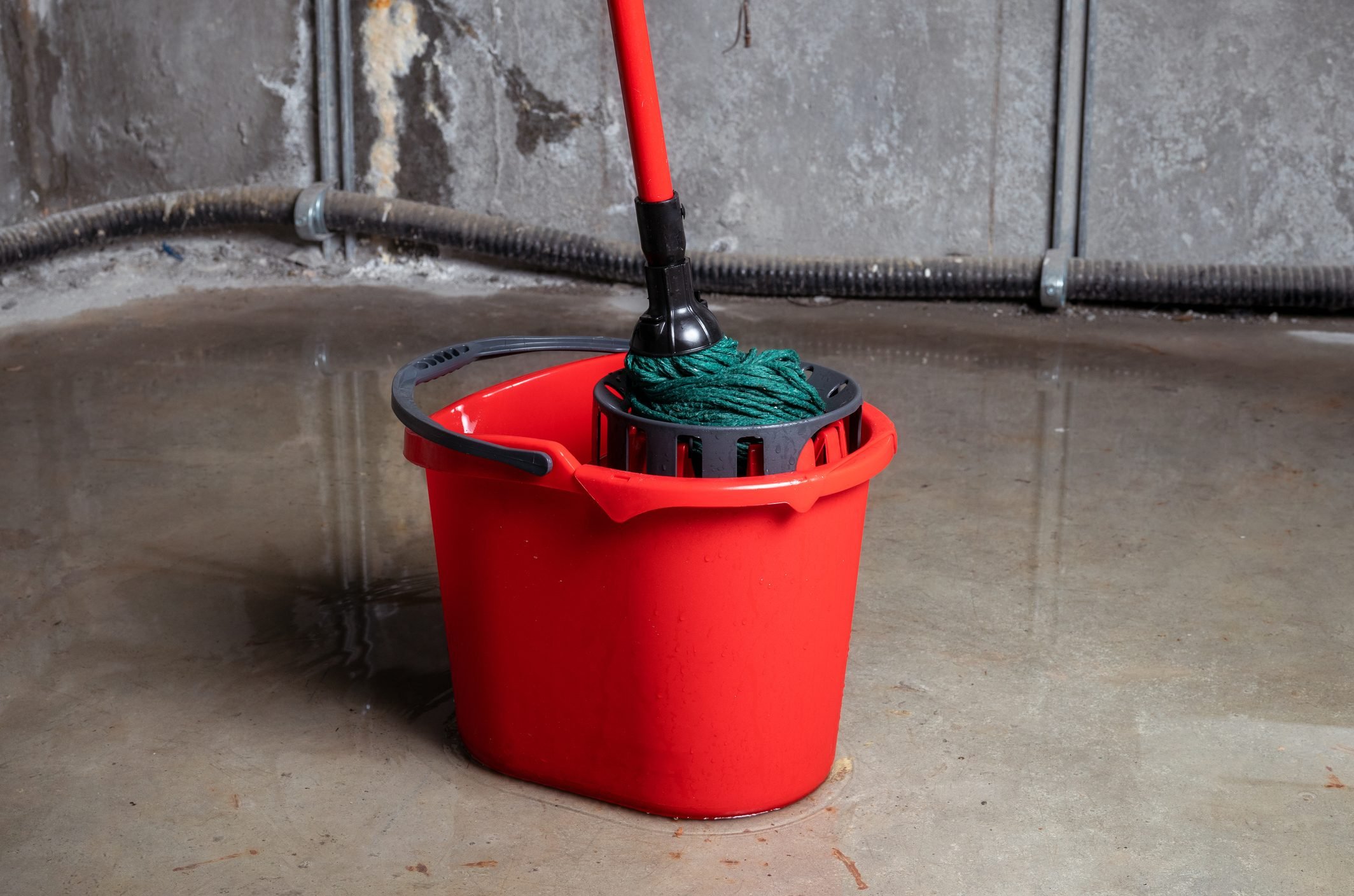
Moisture assessment became crucial in my process. I discovered that cleaning wet or constantly damp floors is futile and potentially dangerous due to mold growth. I installed a dehumidifier and fixed drainage issues before attempting any serious cleaning. This preparation phase took two months but was essential for achieving lasting results that wouldn’t immediately return to their previous condition.
Essential Tools and Supplies I Discovered Work Best
After wasting money on inadequate equipment, I discovered that a pressure washer was my most valuable investment for cleaning the basement floor. I chose a 2000 PSI electric model that could handle tough stains without damaging the concrete surface. The adjustable nozzle allowed me to switch between gentle rinsing and aggressive stain removal as needed throughout the process.
Heavy-duty scrub brushes with stiff bristles became my second most important tool. I purchased both long-handled brushes for standing work and smaller handheld versions for detailed areas. Steel brushes worked well for removing paint and stubborn deposits, while synthetic bristles were better for general cleaning. I learned that brush quality makes a significant difference in the results and effort required.
Chemical selection proved more complex than expected. I started with basic concrete cleaners but soon upgraded to specialized degreasers for oil stains and muriatic acid for efflorescence removal. Safety equipment became equally important; I now never clean without protective eyewear, rubber gloves, and proper ventilation. The right chemicals cut my cleaning time in half while producing significantly better results.
My Step-by-Step Deep Cleaning Process
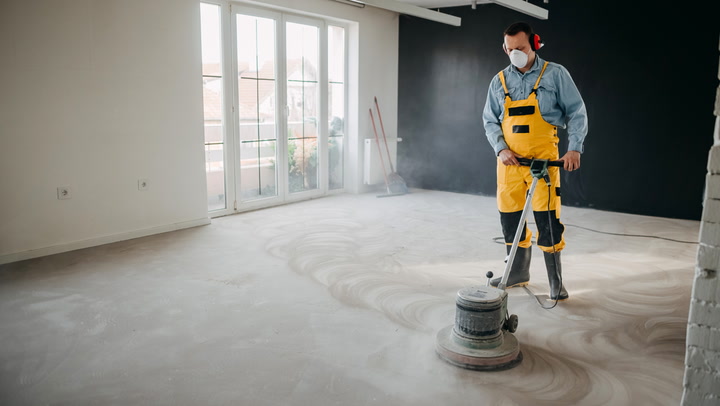
I always begin by removing everything from the basement and sweeping thoroughly with a push broom. This initial preparation reveals the true extent of staining and allows me to plan my attack strategy. I’ve learned that rushing this step leads to incomplete cleaning and having to repeat the entire process later, wasting both time and expensive cleaning products.
Pre-treatment of stains has become my secret weapon for success. I apply appropriate cleaners to oil stains, rust marks, and efflorescence deposits, allowing them to penetrate for the recommended time before scrubbing. For oil stains, I use a degreaser and let it sit for 30 minutes. Rust stains get oxalic acid treatment, while efflorescence requires muriatic acid solution applied carefully with proper ventilation.
The actual cleaning involves working in small sections, typically four-foot squares, to maintain control and ensure thorough coverage. I scrub each section vigorously, then rinse with my pressure washer, ensuring all cleaning residue is completely removed. This methodical approach prevents streaking and ensures consistent results across the entire floor surface. Proper rinsing is crucial because leftover chemicals can cause future staining problems.
Tackling Stubborn Stains and Odors
Oil stains were my biggest challenge, requiring multiple treatment cycles to achieve acceptable results. I discovered that fresh stains respond well to dish soap and hot water, but old, set-in stains need commercial degreasers or even paint thinner for the most stubborn cases. I learned to work from the outer edges of stains toward the center to prevent spreading.
Rust stains from metal objects or water with high iron content required a different approach entirely. Oxalic acid, commonly called wood bleach, became my go-to solution for these reddish-brown marks. I mix it according to package directions and apply it with a brush, always wearing protective equipment. Multiple applications are often necessary, but the results are worth the extra effort.
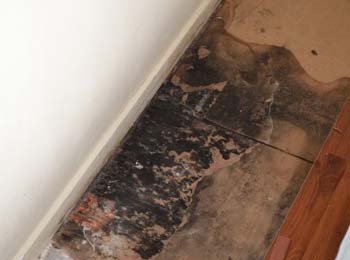
Odor elimination required addressing the source, not just masking smells with cleaners. I found that persistent musty odors usually indicate moisture problems or mold growth in concrete pores. After thorough cleaning and drying, I apply concrete sealers that prevent future moisture absorption. For immediate odor control, I use enzyme-based cleaners that break down odor-causing compounds rather than just covering them up.
Maintaining Clean Floors Long-Term
Regular maintenance has proven far easier than the initial deep cleaning marathon I endured. I now sweep weekly and mop monthly with a pH-neutral concrete cleaner. This routine prevents dirt buildup and makes periodic deep cleaning much less intensive. I’ve found that consistency is key to keeping basement floors looking good without major effort.
Moisture control remains my top priority for long-term floor health. I run a dehumidifier continuously, maintaining humidity below 60% to prevent mold growth and mineral deposits. I also installed better drainage around the foundation exterior and sealed several small cracks that were allowing water infiltration. These preventive measures protect my cleaning investment.
I reapply concrete sealer every two years to maintain stain resistance and make future cleaning easier. The sealed surface prevents most stains from penetrating deeply and allows easier removal of surface dirt and spills. This protective coating has dramatically reduced the time and effort required for routine cleaning while keeping my basement floors looking their best consistently.

Professional Tips and When to Call Experts
Some situations require professional intervention, and I learned this through expensive mistakes. Extensive mold growth, structural cracks, or severe efflorescence often indicate underlying problems that need expert assessment. I now recommend getting a professional evaluation before starting major cleaning projects to avoid wasting time on symptoms rather than addressing root causes.
For extremely stubborn stains or valuable basement spaces, professional cleaning services can be cost-effective. They have access to industrial-grade equipment and specialized chemicals not available to homeowners. I used professionals for final stain removal in my finished basement area, and their results exceeded anything I could achieve with consumer-grade products and equipment.
However, most routine basement floor cleaning can be handled by motivated homeowners with proper equipment and techniques. I’ve saved thousands of dollars by learning to maintain my floors myself. The key is knowing your limitations and calling professionals when dealing with hazardous materials, structural issues, or when your efforts aren’t producing acceptable results despite proper technique and persistence.
How often should I deep clean my basement floors to maintain them properly?
I perform deep cleaning of my basement floors twice yearly, typically in spring and fall, though this frequency depends on usage and conditions. High-traffic basements or workshops may need quarterly deep cleaning, while storage-only spaces can often go longer between intensive sessions. I’ve found that regular weekly sweeping and monthly mopping with appropriate cleaners extends the time between deep cleaning sessions significantly. The key is not letting dirt and stains accumulate to the point where removal becomes difficult and time-consuming.
What’s the best way to remove oil stains from concrete basement floors?
Oil stain removal requires immediate action for best results, but even old stains can often be improved significantly. I start with absorbent materials like cat litter or sawdust to soak up fresh spills, then apply dish soap and scrub with hot water. For set-in stains, I use commercial concrete degreasers, allowing penetration time before scrubbing vigorously. Stubborn stains may require paint thinner or specialized oil stain removers. Multiple treatments are often necessary, and some very old stains may never completely disappear from unsealed concrete.

Is it safe to use bleach on basement concrete floors for cleaning and disinfection?
I’ve learned that bleach can be used on concrete floors, but it’s not always the best choice for basement cleaning. Bleach works well for disinfection and can help with some stains, but it doesn’t penetrate concrete deeply enough to address embedded dirt and odors. More importantly, bleach can react with other cleaning chemicals to create dangerous gases, so I never mix it with anything else. For general cleaning, I prefer pH-neutral concrete cleaners that are safer and more effective for typical basement floor maintenance needs.
How do I prevent moisture problems that make basement floor cleaning more difficult?
Moisture control has been crucial for maintaining clean basement floors in my experience. I installed a dehumidifier to keep humidity below 60%, improved exterior drainage around the foundation, and sealed small cracks that allowed water infiltration. I also applied concrete sealer to reduce moisture absorption from the floor itself. Proper ventilation is essential. I installed exhaust fans and ensured air circulation throughout the space. These preventive measures make cleaning easier and prevent the return of mold, mildew, and mineral deposits.
What type of sealer should I apply after cleaning my basement floors?
Choosing the right sealer depends on your basement’s intended use and current floor condition. I use penetrating sealers for general protection that soak into the concrete without creating a surface film that might peel later. For high-traffic areas or workshops, I prefer epoxy coatings that provide superior durability and stain resistance. Acrylic sealers work well for low-traffic storage areas and are easier to apply. I always ensure the floor is completely clean and dry before sealer application, and I reapply every 2-3 years depending on wear patterns and usage.
Can I use a regular household mop for cleaning basement floors effectively?
Regular household mops are inadequate for proper basement floor cleaning in my experience. Concrete’s rough texture and typical basement dirt require more aggressive cleaning tools. I use a deck brush or stiff-bristled scrub brush for most cleaning, followed by a squeegee and shop vacuum for water removal. For routine maintenance between deep cleanings, I use a microfiber mop with concrete cleaner, but even then, I often need to scrub stubborn spots by hand. The investment in proper equipment pays off in better results and less physical effort during the cleaning process.
How to Get Rid of and Prevent Mold Growth on Concrete – Environix
How To Remove Mold From Concrete: 7 Effective Ways

How to Remove Mold from Concrete Floors DoItYourself.com
7 Quick Ways to Remove Mold from Basement Walls
Related Posts: