Your garage floor takes constant abuse from vehicle traffic, tools, chemicals, and weather changes. Choosing the right flooring can protect your concrete, improve safety, and even enhance your garage’s appearance. From durable epoxy coatings to interlocking tiles, there are numerous options to suit different needs and budgets. The ideal garage flooring should resist stains, handle heavy loads, provide traction, and be easy to maintain. Whether you use your garage for parking, as a workshop, or for storage, these top solutions will help you create a functional and attractive space.
Epoxy Coatings for Maximum Durability
Epoxy flooring remains one of the most popular garage solutions due to its exceptional durability and seamless finish. This two-part resin system chemically bonds to concrete, creating a tough surface that resists oil stains, chemicals, and abrasions. Professional-grade epoxy can last 10-20 years with proper installation and maintenance, making it a long-term investment.
Beyond protection, epoxy offers design flexibility with various colors, flakes, and metallic finishes. You can choose solid colors for a clean look or add decorative chips for texture and visual interest. High-gloss epoxy also reflects light, brightening up dark garage spaces. For added safety, anti-slip additives can be mixed in to prevent slips when the floor is wet.
While DIY epoxy kits are available, professional installation ensures proper surface preparation and adhesion. The concrete must be thoroughly cleaned, etched, and dried before application. Once cured, epoxy forms a non-porous barrier that’s easy to sweep or mop clean. Though it’s more expensive than paint, epoxy’s longevity and performance make it worth the cost.
Interlocking Tiles for Easy Installation
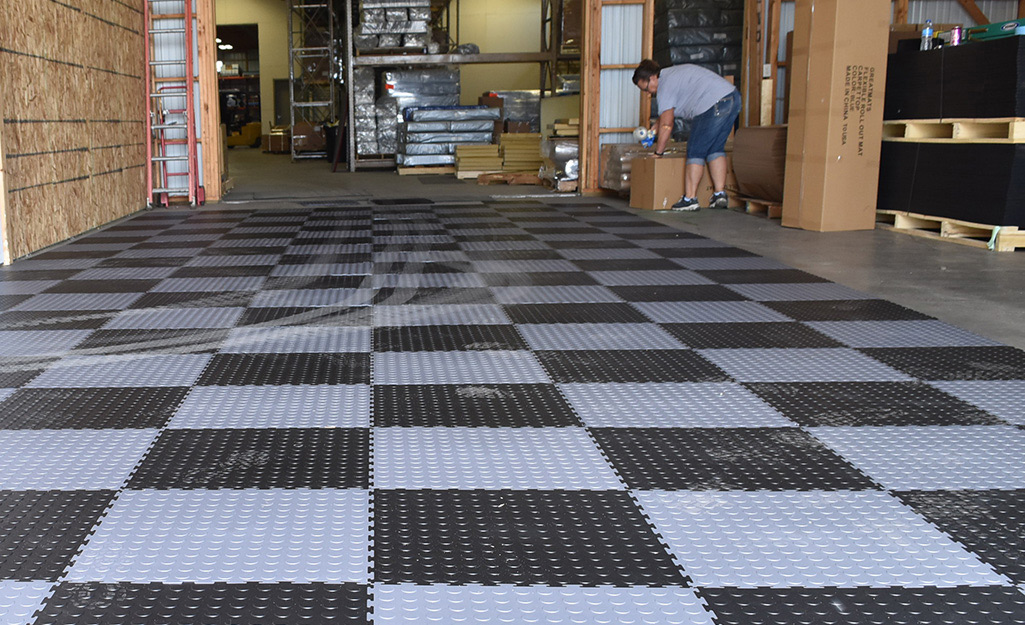
Interlocking garage tiles provide instant transformation without messy adhesives or long curing times. These modular tiles snap together over your existing floor, creating a durable surface in hours rather than days. Made from high-density polyethylene or PVC, they withstand heavy loads without cracking or warping.
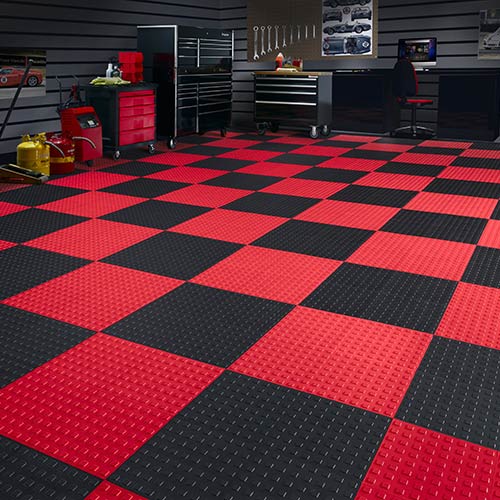
The tiles come in various styles, including ribbed, diamond plate, and coin patterns that offer excellent traction. You can mix and match colors to create borders, checkerboards, or custom designs. If a tile gets damaged, you can simply replace individual pieces rather than redoing the entire floor. Some tiles even have drainage channels for wet areas.
These systems float above the concrete, allowing moisture to evaporate rather than getting trapped. This makes them ideal for garages with minor dampness issues. While not as chemical-resistant as epoxy, quality interlocking tiles still protect against oil spills and are easy to clean. They’re perfect for homeowners who want a quick upgrade with minimal downtime.

Rubber Flooring for Comfort and Safety
Rubber garage flooring provides superior cushioning, making it comfortable to stand on for long periods. This makes it ideal for home gyms, workshops, or areas where you frequently work on projects. The shock-absorbing properties also protect dropped tools and reduce fatigue on your joints.
Available in rolls or interlocking tiles, rubber flooring offers excellent traction even when wet. It’s naturally resistant to oils and chemicals, though spills should still be wiped up promptly. The material dampens sound, reducing echo in the garage—a benefit if you use power tools or exercise equipment.
While not as sleek as epoxy, rubber flooring provides practical advantages at a lower cost. It’s easy to install yourself and can be cut to fit around obstacles. For areas with heavy equipment or where comfort is priority, rubber offers an affordable, functional solution that’s kinder to your body than hard surfaces.
Stained Concrete for Industrial Style
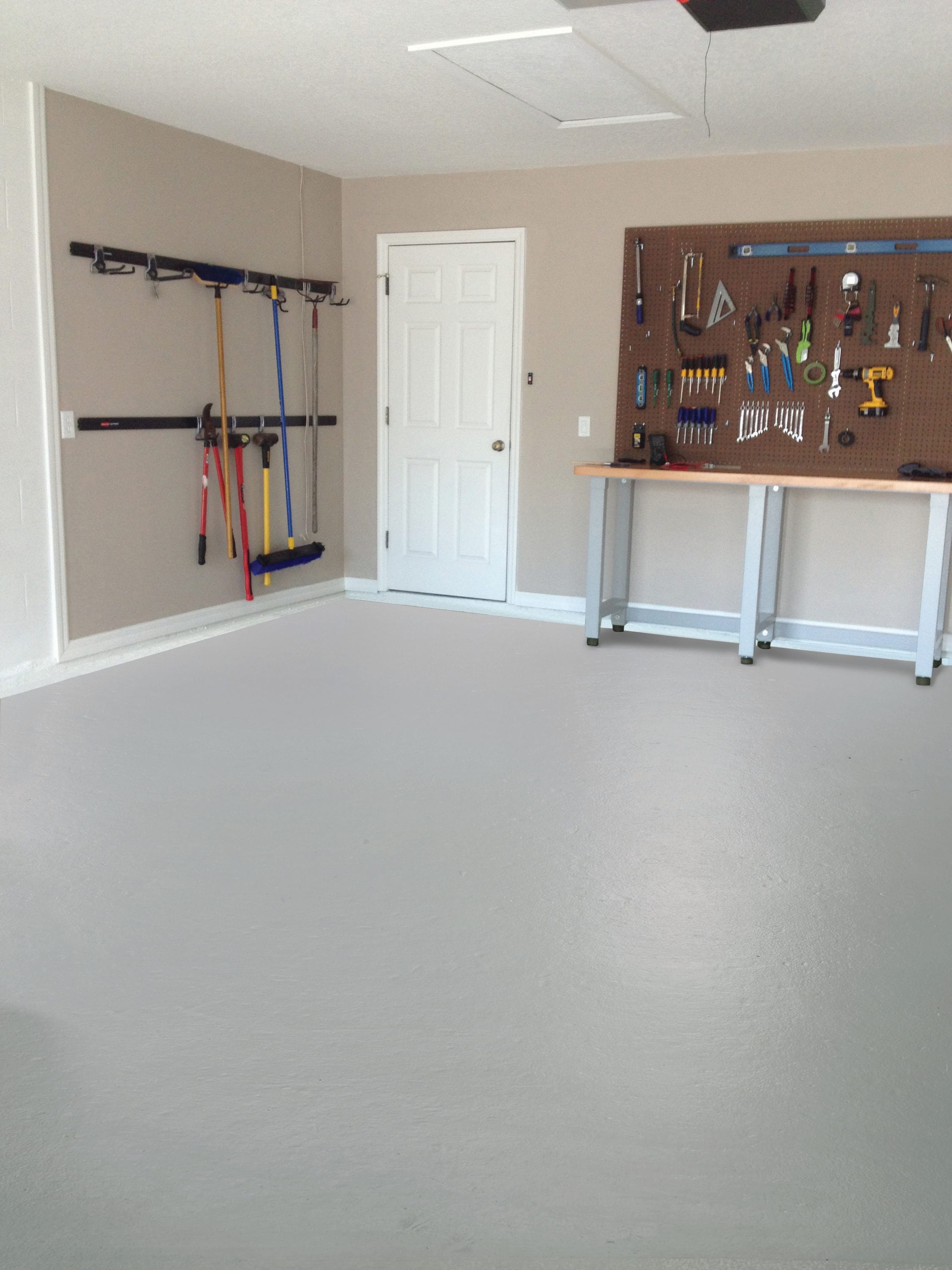
Concrete staining creates a unique, variegated look that enhances the natural character of your garage floor. Acid stains chemically react with the concrete to produce permanent, translucent colors in earthy tones like browns, tans, and terra cottas. Water-based stains offer more color options including blues and greens.
Unlike paint or epoxy that sits on top, stains penetrate deep into the concrete for exceptional durability. The finished floor resists chipping and peeling, though it still requires a protective sealer. Stained concrete develops a beautiful mottled appearance where no two sections look exactly alike.
This option works best on properly cured concrete in good condition. Existing floors may need grinding to remove old coatings or stains. While not as shiny as epoxy, stained concrete provides an attractive, low-maintenance surface with an upscale industrial vibe. It’s particularly suited for modern garage designs.
Polyurea Coatings for Extreme Conditions
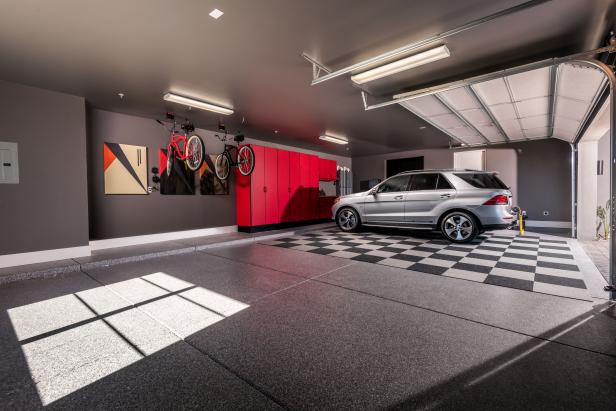
Polyurea garage coatings offer superior performance in extreme temperature fluctuations. Unlike epoxy that can yellow or become brittle, polyurea remains flexible from -40°F to 300°F. This makes it perfect for unheated garages in cold climates or spaces near heat sources.
These coatings cure incredibly fast—often within hours—allowing you to use your garage sooner. Polyurea provides excellent chemical resistance against gasoline, oil, and deicing salts. The material is also UV stable, so it won’t fade or chalk when exposed to sunlight through windows or open doors.
While more expensive than epoxy, polyurea lasts longer in demanding conditions. Professional installation is recommended as proper mixing and application require expertise. For garages that face harsh weather or heavy chemical exposure, polyurea delivers unmatched protection and longevity.

PVC Mats for Temporary Solutions
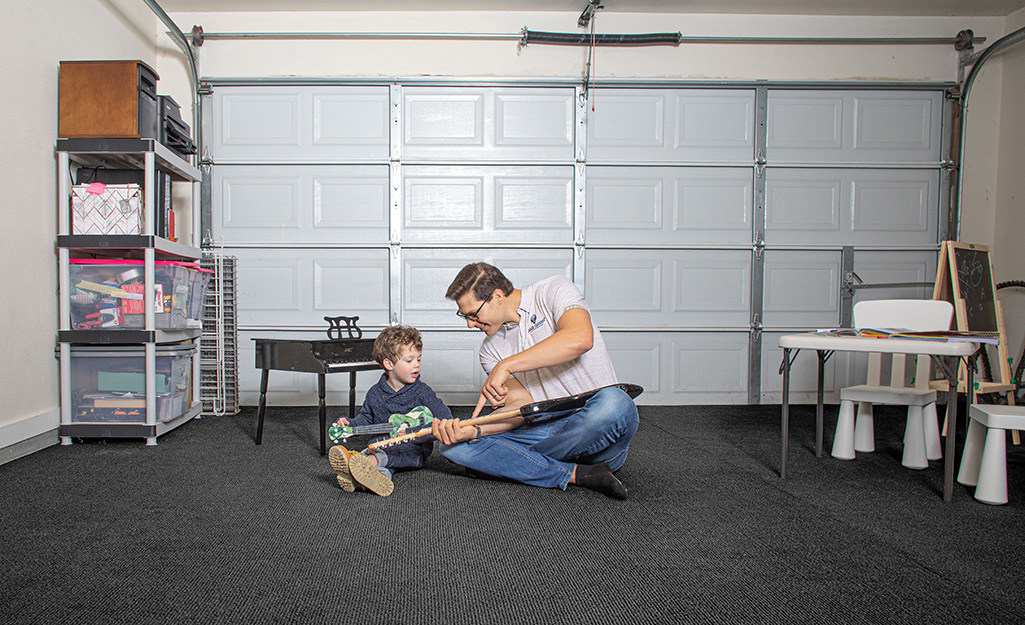
PVC garage mats offer an affordable, temporary flooring option that’s easy to install and remove. These heavy-duty mats roll out over your existing floor, protecting it from oil drips, tire marks, and dirt. They’re ideal for renters or those who want protection without permanent changes.
The textured surface provides good traction while the waterproof material prevents stains from reaching the concrete below. Mats come in various sizes to cover parking spots or work areas. When dirty, you can hose them off or clean with mild detergent. Some designs even have raised edges to contain spills.
While not as durable as other options, PVC mats cost significantly less and require no installation commitment. They’re perfect for seasonal use, protecting floors during winter months when salt and snow get tracked in. For a simple, removable layer of protection, these mats deliver practical benefits.
The best garage flooring depends on your budget, how you use the space, and your climate conditions. Epoxy provides the most durable sealed surface, while interlocking tiles offer quick customization. Rubber flooring adds comfort, stained concrete creates industrial charm, and polyurea withstands extreme conditions. For temporary needs, PVC mats deliver basic protection. Whichever option you choose, upgrading your garage floor will improve both functionality and appearance while protecting your concrete investment for years to come.
Best Garage Flooring Options
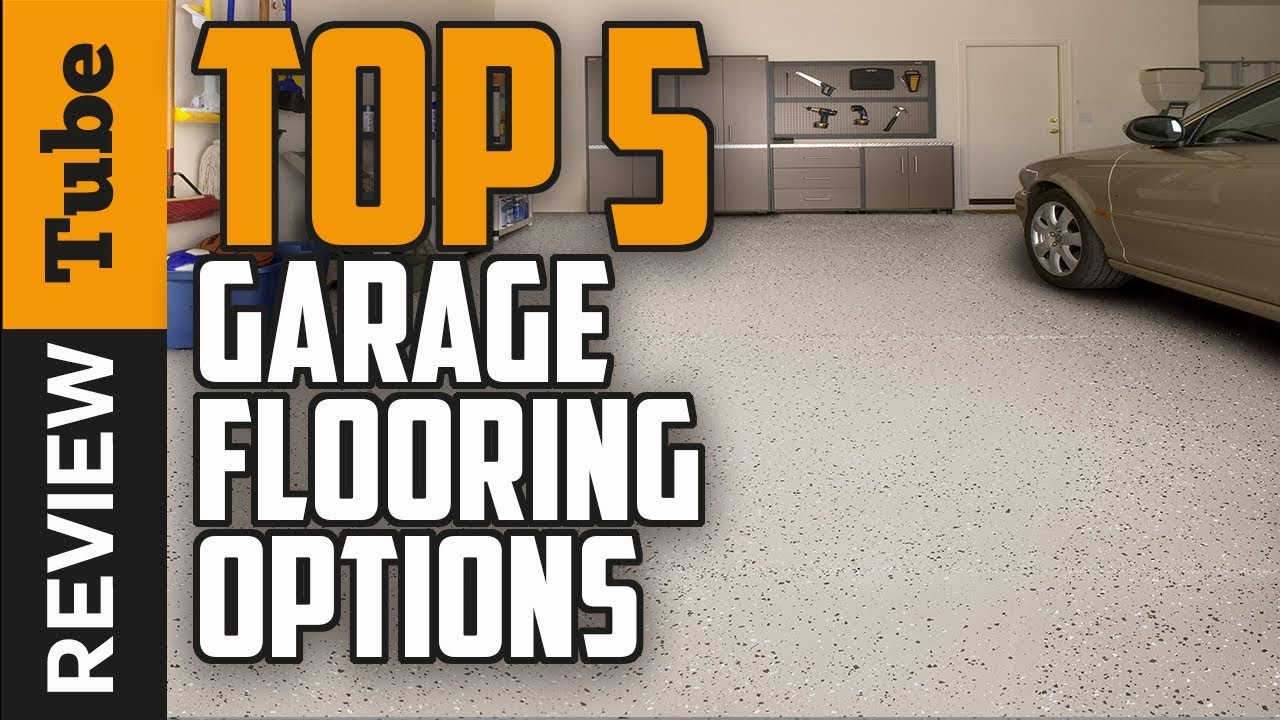
✅Garage Floor: Best Garage Floor (Buying Guide)
Garage Floor Options – The Best 4 Ideas To Boost Your Garage Flooring
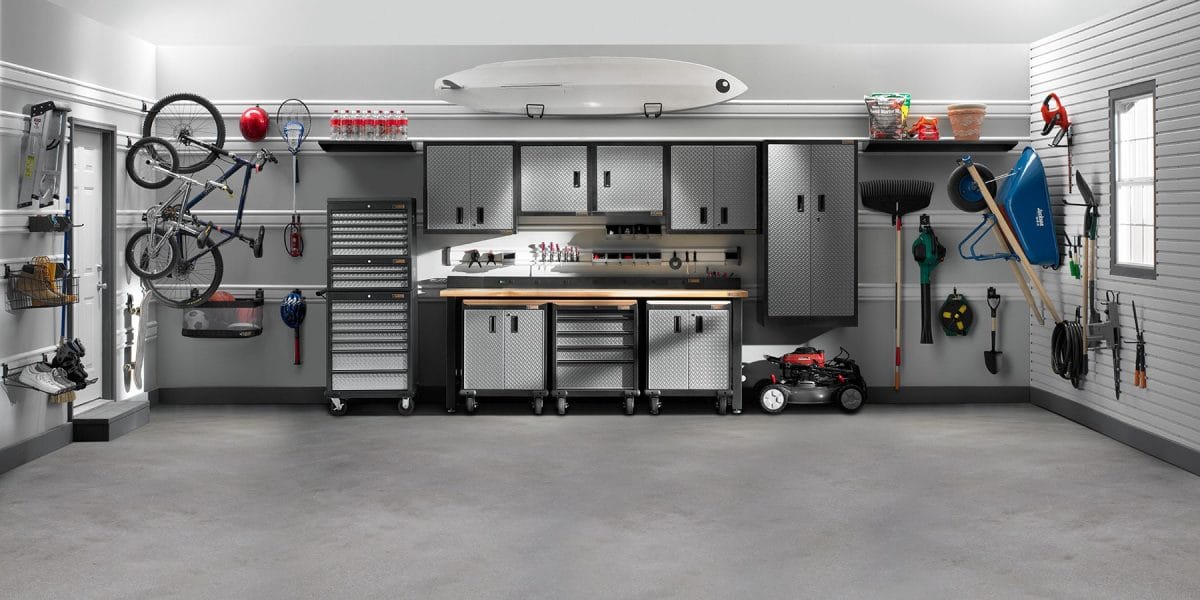
Garage Flooring Ideas
Garage Flooring Ideas For Men – Paint, Tiles And Epoxy Coatings
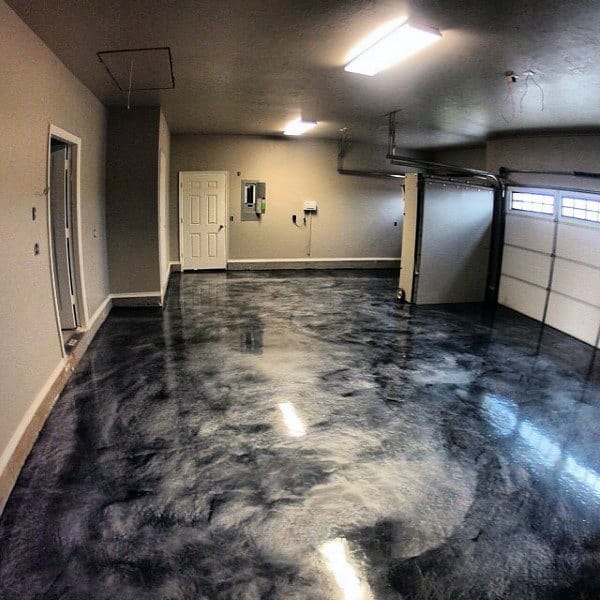
Garage Floor Ideas (Best Flooring Options) – Designing Idea
Budget Garage Flooring Ideas: Interlocking PVC & Foam Tiles
Related Posts: