My garage used to be the room I avoided thinking about. Bare cracked concrete, oil stains from years of neglected drips, a single overhead bulb casting shadows into every corner, and a general feeling that it existed purely to store things I didn’t want to deal with.
The idea of turning it into a genuine industrial-style workspace felt ambitious, maybe even a little indulgent for a garage. But once I committed to the project and started seeing the results come together, I realized I had been dramatically underestimating what this space could be. Here’s everything I learned from planning and executing an industrial garage floor transformation that changed how I use and feel about the space entirely.
What the Industrial Aesthetic Actually Means for a Garage Floor
Before I started buying anything, I spent time getting clear on what industrial style actually means in a practical sense for a garage floor, because it gets thrown around loosely in home improvement content without a lot of specificity. For me, industrial means purposeful, durable, and honest about the materials it’s made from. It’s the opposite of fussy or decorative for its own sake, and it lends itself naturally to garage environments because garages are inherently functional spaces.
In terms of flooring specifically, the industrial aesthetic tends to favor surfaces that look like they could belong in a factory, workshop, or commercial space while still being refined enough to feel intentional rather than neglected.
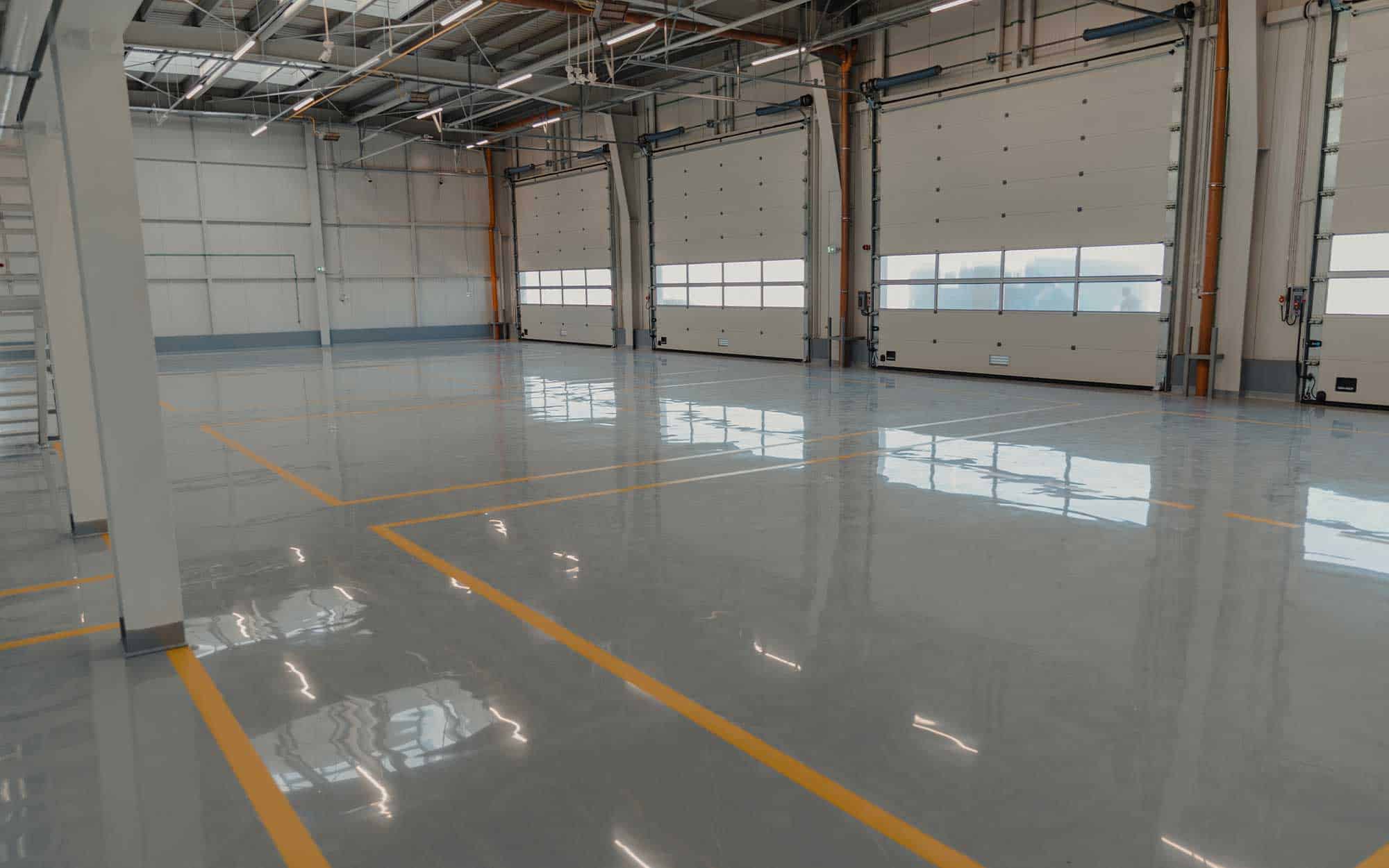
Think polished or sealed concrete, dark epoxy coatings, metallic finishes, and matte textures that suggest strength and utility. The palette typically runs toward grays, charcoals, blacks, and gunmetal tones, occasionally with bold accent colors used for safety markings or zone delineation.
What I appreciated most about committing to an industrial direction was that it gave me a clear filter for every decision I made throughout the project. When I was choosing between two coating products or two shades of gray, I could ask myself which one felt more industrial and get an answer quickly.
Having that aesthetic anchor saved me from the decision paralysis that can bog down renovation projects, and it meant every choice I made reinforced the overall direction rather than pulling against it.
Choosing the Right Flooring System for an Industrial Look
The flooring system you choose sets the foundation for everything else in an industrial garage build, and there are more options worth considering than most people realize when they start researching. I looked seriously at polished concrete, metallic epoxy, standard two-part epoxy with decorative chips, polyurea coatings, and interlocking industrial tiles before making my final decision, and each has genuine strengths depending on your priorities.
Polished concrete is the most authentically industrial option available, and it was my original first choice before I understood the cost. Grinding and polishing existing concrete to a high sheen requires professional equipment and significant labor, and my concrete slab had enough surface damage and staining that the prep work alone would have been expensive. It looks incredible when done well, but for a DIY-forward project on a reasonable budget, it wasn’t the right fit for my situation.
I ended up going with a metallic epoxy system in a dark gunmetal gray with subtle bronze undertones, which gave me the industrial look I was after while remaining within my budget and DIY capabilities. Metallic epoxy creates a three-dimensional, almost liquid appearance on the floor surface that looks nothing like standard solid-color epoxy. The depth and movement in the finish has a visual sophistication that makes my garage floor look closer to a showroom than a workshop, while still reading as unmistakably industrial in tone and character.

Surface Preparation: The Unglamorous Work That Determines Everything
I want to be direct about something that took me by surprise: the preparation stage of this project took longer than all the actual coating application combined, and it needed to. Concrete floors in garages accumulate years of oil contamination, old sealers, surface laitance, and moisture issues that will prevent any coating from bonding properly if not addressed completely before a single drop of product goes down.
My floor had four distinct oil stains of varying sizes and ages from years of vehicle parking, and each one required a different level of treatment depending on how deeply the oil had penetrated. Fresh stains responded well to a concrete degreaser and stiff brush scrubbing, but the oldest stain in the back left corner had soaked in deeply enough that I needed to apply a poultice treatment twice before the contamination level dropped enough to proceed. Rushing this step would have guaranteed peeling within months.
After degreasing, I acid etched the entire floor to open up the concrete’s pores and create a profile that the epoxy could bond into mechanically. The etching process involves applying a diluted muriatic or citric acid solution, letting it react with the surface, and rinsing thoroughly multiple times until the pH is neutral. Wearing proper protective gear during this step is non-negotiable, and ventilating the space fully makes the process significantly more tolerable. Once the floor dried completely for 24 hours after etching, it looked and felt like a completely different surface, matte and slightly rough in a way that told me it was ready to hold a coating.

Applying Metallic Epoxy for That Industrial Finish
Applying metallic epoxy is genuinely one of the more artistic flooring processes I’ve ever done, and that surprised me coming from someone who thought of garage floor coating as a purely utilitarian exercise. The metallic pigments move and blend as you work the product across the floor, and how you manipulate the coating during application directly shapes the final pattern and depth of the finish. No two metallic epoxy floors look exactly alike, which is part of what makes them so visually compelling.
I mixed the two-part epoxy base according to the manufacturer’s instructions, added the metallic powder pigment, and poured it in sections across the floor before spreading it with a notched squeegee and then back-rolling with a 3/8-inch nap roller to build texture and movement. Working in sections of roughly 50 square feet at a time helped me maintain a wet edge and gave me enough time to manipulate each section before the working window closed. The garage temperature was around 65 degrees Fahrenheit, which was close to ideal for the product I was using.
The manipulation stage is where the industrial character really develops. Using a heat gun on low setting over freshly applied sections causes the metallic pigments to shift and swirl, creating the depth and movement that sets metallic epoxy apart from flat coatings. I practiced on a scrap piece of plywood first to get a feel for how the pigments responded to heat and airflow before working on the actual floor, which I’d strongly recommend to anyone attempting this for the first time. After two coats and a clear polyaspartic topcoat for protection and sheen, the result was genuinely more impressive than I had dared to hope when I started.

Adding Industrial Details That Complete the Look
The floor coating was the most transformative single element of the project, but the industrial aesthetic really came together through the details I added around and on top of it. Zone delineation using contrasting paint or tape, safety markings that echo commercial and industrial spaces, and integrated utility features all contribute to making the space read as purposefully designed rather than accidentally interesting.
I used a bright safety yellow to mark out a parking zone for my car and a dedicated workshop zone along the back wall, applying it as a border stripe with painters tape to get clean edges before removing the tape while the paint was still slightly tacky. That yellow against the dark gunmetal floor is a classic industrial color combination that immediately signals intentionality, and it also serves the genuinely practical function of helping me position my car consistently without getting too close to my workbench.
I also installed heavy-duty industrial rubber anti-fatigue matting in the workshop zone in front of my workbench, which sits on top of the epoxy floor and can be removed for cleaning. That combination of hard sealed floor in the vehicle and transit areas with cushioned matting in the standing work zone is something I’ve seen in real commercial workshops, and it works just as well at a residential scale. Standing on cushioned matting during long projects makes a meaningful difference in how my legs and back feel by the end of a day in the garage.

Maintaining an Industrial Garage Floor Without Losing the Look
One of the things I was most concerned about going into this project was whether the metallic epoxy finish would be practical to maintain or whether it would show every scuff and tire mark in a way that made the space feel high-maintenance. Two years in, I can report that maintaining it has been simpler than I expected, and the floor still looks striking enough that visitors consistently comment on it the first time they see the garage.
My regular maintenance routine starts with a leaf blower or shop vacuum to clear debris and dust from the surface, which I do every week or so depending on how much time I’ve spent working in there. Grit and fine particles are what cause the most surface wear on any coated floor, and staying ahead of that accumulation with a quick cleanup is the most protective habit I’ve built. It takes about five minutes and makes a visible difference in how clean and sharp the floor looks day to day.
For deeper cleaning, I use a diluted neutral pH cleaner with a microfiber mop or a soft-bristle push broom for larger debris. I avoid anything acidic or abrasive that could etch or dull the topcoat over time, and I steer completely clear of steam mops, which can affect the bond between coating layers with prolonged use. Tire marks from hot tire pickup occasionally appear where I park, and those respond well to a spray degreaser and a scrub brush with some focused effort. The dark color of my floor is forgiving of minor marks in a way that a light gray or white floor simply wouldn’t be, which is something worth considering when choosing your industrial color scheme.

What’s the best flooring system for an industrial-looking garage?
Metallic epoxy gives you the most visually striking industrial finish for a reasonable DIY budget. Polished concrete is the most authentically industrial option but requires professional equipment and significant prep on damaged slabs. Polyurea coatings cure faster and handle temperature extremes well but are less forgiving to apply. For a first-time DIYer who wants impact, metallic epoxy in a dark gray or gunmetal tone is hard to beat for the overall effect.
How long does garage floor epoxy last before it needs redoing?
A properly applied two-part epoxy with a clear topcoat should last seven to ten years under normal residential garage use before needing a recoat. My floor is two years in and still looks close to new with consistent maintenance. Longevity depends most heavily on surface prep quality and how well you protect the floor from hot tire pickup and chemical spills. Spot repairs and a fresh topcoat can extend the life significantly without stripping and recoating everything.

Can I do an industrial garage floor makeover myself, or do I need a contractor?
A confident DIYer can absolutely achieve professional-looking results with epoxy and metallic systems. The prep work is the most labor-intensive part, but it’s not technically beyond someone willing to follow instructions carefully. Where I’d recommend considering professional help is for polished concrete, which requires grinding equipment most homeowners don’t have, or for very large or severely damaged slabs where moisture testing and extensive repair work are needed before any coating goes down.
How do I deal with existing oil stains before coating my garage floor?
Treat them seriously because even faint oil contamination will cause epoxy to fail at that spot. Fresh stains respond to concrete degreaser and scrubbing. Deep, old stains may need a poultice treatment applied multiple times before the contamination level is low enough to coat over. Do a water bead test after degreasing, and if water still beads on any spot, that area needs more treatment before you proceed. Acid etching after degreasing helps open the pores for better adhesion.

What’s the best way to add color zones and markings for an industrial look?
Contrasting floor paint applied with painters tape for clean edges is the most accessible method. Safety yellow against a dark gray floor is a classic industrial combination that looks intentional and also serves real organizational purposes. Apply your zone markings before your final clear topcoat if possible so the markings are sealed and protected rather than sitting on the surface where they can chip or wear off with foot and vehicle traffic over time.
Is an industrial garage floor safe and practical for everyday use?
Very much so. The textured surface of metallic epoxy with a matte or satin topcoat provides good traction underfoot, including in the slightly damp conditions garages often experience. I added anti-fatigue matting in my workshop zone for comfort during long standing projects, which also protects the floor from dropped tools. The sealed surface makes cleaning up oil, chemicals, and general grime far easier than bare concrete, which was one of the most immediate practical improvements I noticed after finishing the project.

Related Posts: