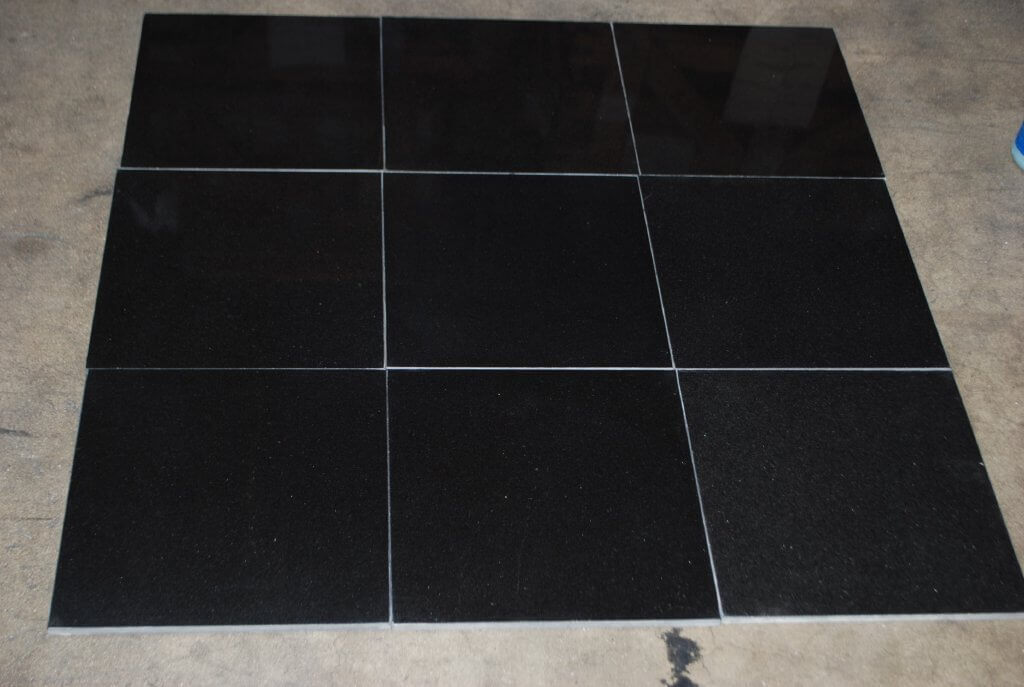
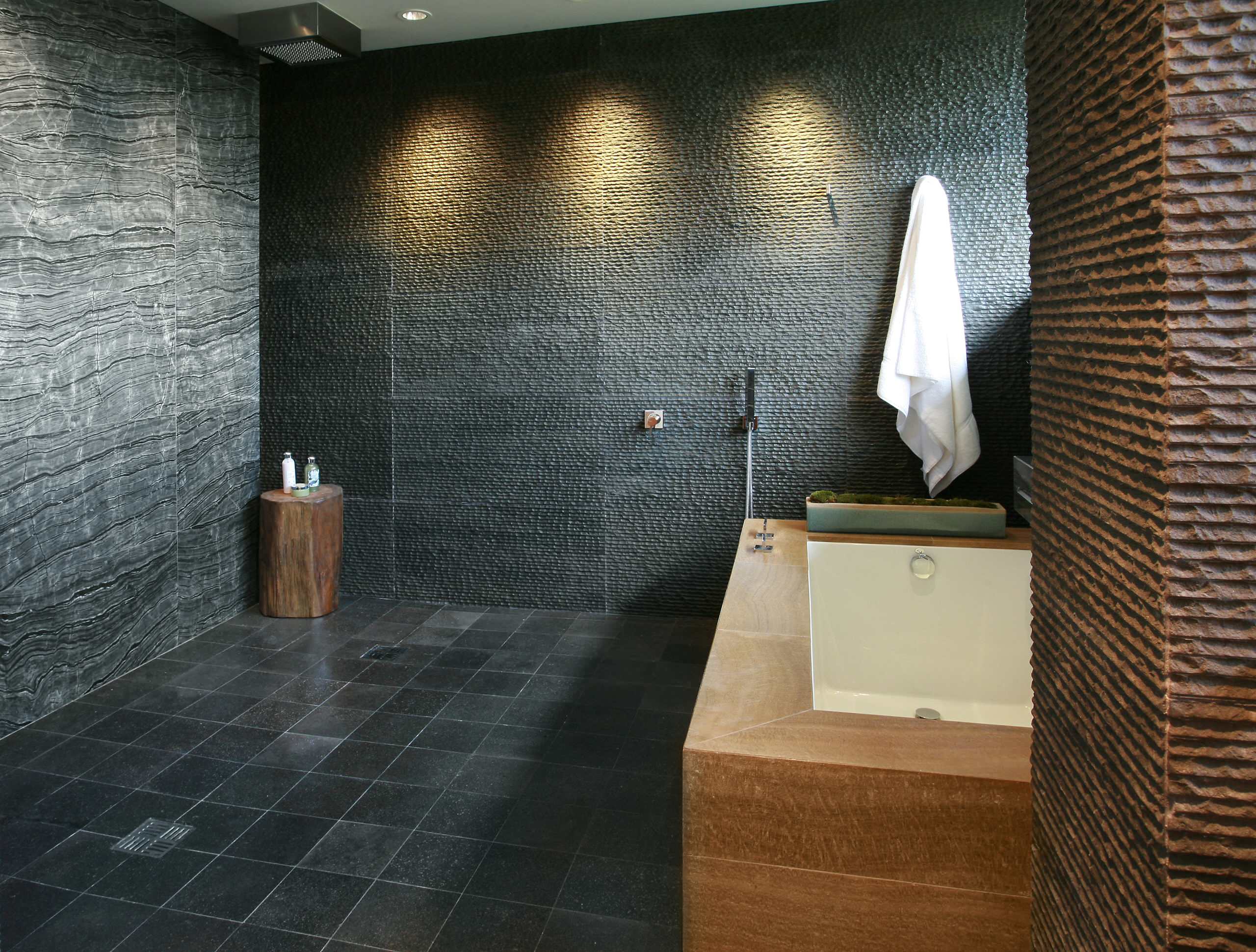
When I first walked into that luxury hotel bathroom five years ago, I was mesmerized by the sleek black granite floor beneath my feet. The way it reflected the soft lighting, creating an almost mirror-like surface that made the space feel twice as large, left me speechless. I knew right then that I had to have this in my own home. What followed was months of research, planning, and eventually the complete transformation of my master bathroom into a space that rivals any high-end spa.
The Magnetic Appeal That Started It All
I still remember running my hand across that hotel’s polished surface, feeling the cool, smooth texture that seemed to radiate luxury. The granite’s deep black color wasn’t just dark, it was rich and complex, with subtle veins and flecks that caught the light in unexpected ways. Standing there, I realized this wasn’t just flooring, it was a statement piece that could anchor an entire design vision.
The more I studied different bathroom designs online, the more I noticed how black granite consistently appeared in the most sophisticated spaces. It possessed this unique ability to make other materials pop, whether paired with white marble countertops or warm wood vanities. I found myself bookmarking dozens of photos, each showcasing how this single material choice could transform an ordinary bathroom into something extraordinary.
What truly sold me was discovering how black granite could work with virtually any design style. From ultra-modern minimalist spaces to more traditional settings, it adapted beautifully. I began sketching rough layouts of my bathroom, imagining how this flooring would complement my existing fixtures and create the foundation for my dream renovation project.
Installation Challenges I Never Expected
My contractor warned me about the weight, but I didn’t fully grasp what that meant until I watched six grown men struggling to maneuver a single slab up my narrow staircase. Black granite is incredibly dense, and my second-floor bathroom required structural reinforcement I hadn’t budgeted for. The additional support beams added $3,000 to my project, but were necessary for safety.
The precision required during installation was mind-boggling. Unlike ceramic tiles, which offer some forgiveness, granite slabs demand precise measurements and flawless execution. My installer spent an entire morning just checking and rechecking dimensions before making the first cut. One mistake would have meant ordering new stone and waiting another six weeks for it to be delivered.
Temperature became an unexpected factor during installation. We discovered that granite expands and contracts with temperature changes, requiring specific spacing and sealants. Working in my heated bathroom during winter installation meant constant adjustments as the stone acclimated to room temperature. The process took three days longer than anticipated, but the results justified every moment of patience.

Daily Maintenance Routines That Work
I learned quickly that water spots are black granite’s biggest enemy. Every morning, I squeegee the floor after showering, then follow with a microfiber cloth to eliminate any remaining moisture. This simple routine takes less than two minutes but prevents the chalky residue that can dull the stone’s natural shine and make it look neglected.
My weekly deep cleaning involves a pH-neutral stone cleaner and plenty of elbow grease. I avoid anything acidic, including popular bathroom cleaners that contain vinegar or citrus. Instead, I mix a specialized granite cleaner with warm water, mop thoroughly, then buff dry with clean towels. This process keeps the surface looking professionally maintained.
Monthly sealing has become my most important maintenance ritual. I apply a high-quality stone sealer, let it penetrate for exactly fifteen minutes, then buff away excess product. This protective barrier prevents stains from setting and maintains that showroom-quality appearance. The investment in proper sealers pays for itself by extending the granite’s lifespan significantly.

Cost Breakdown and Budget Reality Check
The material alone cost me $18 per square foot for premium black granite, but that was just the beginning. Professional installation added another $12 per square foot, bringing my 60-square-foot bathroom to $1,800 in labor costs. When I factored in delivery, structural reinforcement, and specialty tools, my total flooring budget reached $4,200.
Comparing this to other options helped justify the expense. High-quality porcelain tiles would have cost about $2,800 installed, while natural marble came in around $3,500. The granite’s durability and timeless appeal made the extra investment worthwhile, especially considering this bathroom renovation would likely be my only major overhaul for the next fifteen years.
Hidden costs caught me off guard, particularly the specialized cleaning products and tools. Professional-grade sealers, pH-neutral cleaners, and microfiber cloths added another $200 annually to maintenance expenses. However, when I calculated the long-term value and compared it to replacing cheaper flooring every five years, granite proved more economical over time.

Design Flexibility Beyond My Expectations
Black granite’s versatility amazed me as I experimented with different lighting scenarios. Under warm LED strips, it takes on an almost bronze undertone, while cool white lights emphasize its dramatic black depth. I installed dimmer switches specifically to showcase these different moods throughout the day, creating everything from energizing morning brightness to relaxing evening ambiance.
Pairing it with other materials opened endless possibilities I hadn’t considered initially. White subway tiles created a stunning contrast on the walls, while brass fixtures added warmth that prevented the space from feeling cold or sterile. Even my colorful towels and bath accessories popped against the dark background, making every design element more impactful and intentional.
The reflection properties transformed my bathroom’s apparent size dramatically. Strategic placement of mirrors multiplied the effect, creating an almost infinite sense of space in what was previously a cramped 8×8 room. Guests consistently comment on how much larger the bathroom feels now, proving that the right flooring choice can fundamentally alter spatial perception.
Long-Term Satisfaction and Lessons Learned
Three years later, I’m more satisfied with this decision than ever. The granite still looks exactly as stunning as on installation day, with no visible wear patterns despite daily use by my family of four. Its durability has exceeded expectations, showing no chips, cracks, or significant scratches even around high-traffic areas like the shower entrance and vanity.
The investment has paid dividends beyond personal enjoyment. My recent home appraisal showed the bathroom renovation added $8,000 to my property value, nearly doubling my initial investment. Real estate agents consistently praise the granite flooring as a major selling point that appeals to potential buyers seeking luxury features in their next home.
If I were starting over, I’d only change the timing of my structural assessment. Getting an engineer’s evaluation before ordering materials would have prevented delays and budget surprises. Otherwise, choosing black granite for my bathroom floor remains one of my best home improvement decisions, combining beauty, functionality, and long-term value in perfect harmony.
Is black granite slippery when wet in bathroom settings?
Polished black granite can become slippery when wet, which was my initial concern for bathroom safety. However, I chose a honed finish instead of high-gloss polish, which provides much better traction while maintaining the stone’s elegant appearance. Additionally, I strategically placed textured bath mats in key areas and ensured proper ventilation to minimize standing water. The slightly rougher surface texture of honed granite offers sufficient grip for safe walking, even with wet feet after showering or bathing.
How often does black granite flooring need professional sealing?
Based on my experience and contractor recommendations, professional sealing should occur every 12-18 months, depending on usage intensity and water exposure. I perform the monthly sealing myself using high-quality products, but have professionals deep-seal annually. They use commercial-grade sealers that penetrate deeper and last longer than consumer products. Signs that resealing is needed include water absorption rather than beading, slight dulling of the surface, or increased difficulty removing water spots during regular cleaning.

What’s the best way to remove soap scum from black granite surfaces?
Soap scum removal requires gentle persistence since harsh chemicals can damage granite’s protective seal. I create a paste using baking soda and water, apply it to affected areas, then scrub gently with a soft brush. For stubborn buildup, I use a razor blade held at 45 degrees to carefully scrape away residue. After removal, I clean with pH-neutral stone cleaner and immediately dry the surface. Prevention works better than removal, so I squeegee walls and floors after every shower to minimize soap film accumulation.
Can black granite bathroom floors crack under normal household conditions?
While granite is incredibly durable, improper installation or structural issues can cause cracking. My contractor emphasized the importance of proper subfloor preparation and adequate structural support, especially for second-floor installations. Temperature fluctuations, settling foundations, or dropping heavy objects pose the greatest risks. In three years of normal family use, I’ve experienced zero cracking or damage. However, I did invest in structural reinforcement during installation, which provides peace of mind and protects my investment long-term.
How does black granite compare to marble for bathroom flooring applications?
Having researched both extensively, granite offers superior durability and stain resistance compared to marble’s more porous nature. Marble requires more frequent sealing and shows etching from acidic substances, while granite better withstands bathroom chemicals and daily wear. However, marble provides more color variation and veining patterns if you prefer that aesthetic. Cost-wise, both fall in similar ranges, but granite’s lower maintenance requirements make it more economical over time for busy family bathrooms.
What lighting works best to showcase black granite bathroom floors?
Proper lighting transforms black granite from merely functional to stunning. I installed layered lighting, including recessed ceiling lights, LED strip lighting under vanity cabinets, and accent lighting near the shower. Warm white LEDs (3000K) createa cozy ambiance, while cool white (4000K-5000K) emphasizes the stone’s dramatic depth and any subtle veining. Dimmer switches allow mood adjustment throughout the day. The key is avoiding harsh overhead lighting that creates unflattering shadows, instead using multiple light sources to highlight the granite’s reflective properties.

Deep Black and Spark Blue Dot Granite Flooring Bathroom

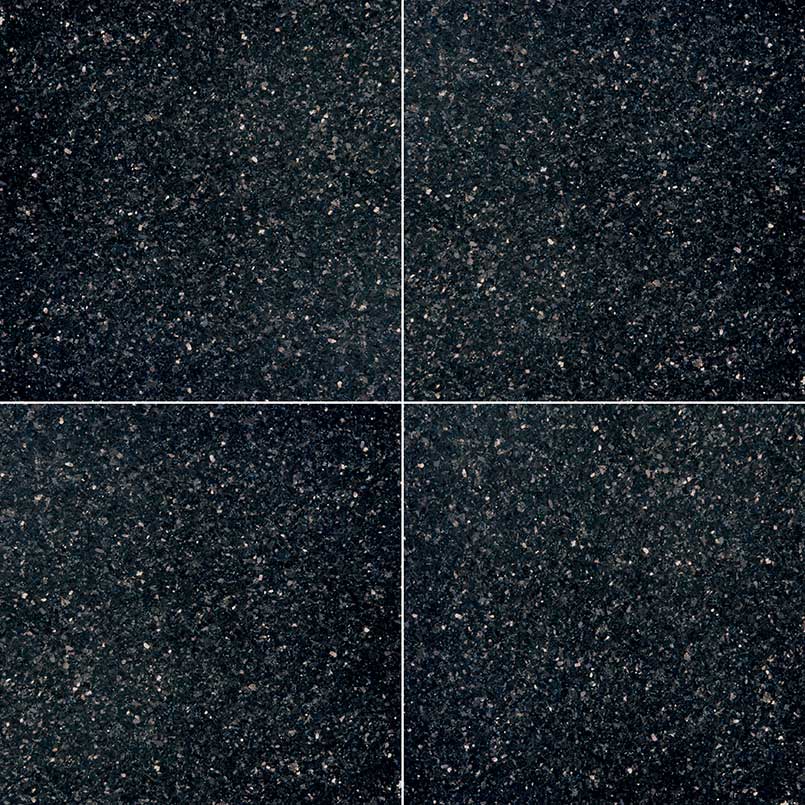
Black Galaxy Granite – MSI Granite Countertops and Tile
Striated Black Granite – Photos u0026 Ideas Houzz
Related Posts: