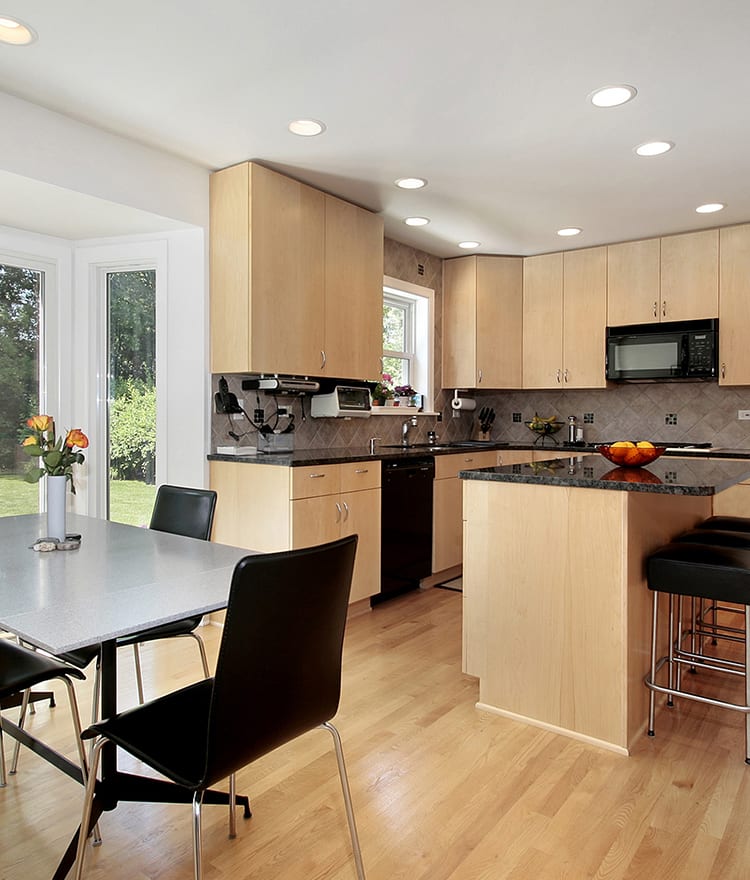
When I decided to replace the worn linoleum in my kitchen with hardwood flooring, maple wasn’t my first choice, but it quickly became my favorite after researching its unique properties and seeing it installed in several showroom kitchens. The light, creamy tones and subtle grain patterns created the bright, welcoming atmosphere I wanted, while the incredible hardness rating promised to withstand my family’s active cooking lifestyle. Three years later, my maple kitchen floors have exceeded every expectation, proving that sometimes the less obvious choice turns out to be absolutely perfect.
Understanding Maple’s Superior Durability for Kitchen Use
Maple’s reputation as one of the hardest domestic hardwoods made it an ideal candidate for my busy kitchen, where dropped pots, chair scraping, and constant foot traffic demanded exceptional durability. With a Janka hardness rating of 1450, maple significantly outperforms popular options like oak and cherry, meaning fewer dents and scratches from daily kitchen activities. I’ve been amazed at how well the surface has held up to everything from my teenager’s cooking experiments to holiday meal preparation marathons.
The tight, dense grain structure of maple provides natural resistance to moisture penetration, which was crucial for my kitchen installation. Unlike more porous woods that can swell or warp from spills and humidity changes, maple’s closed-grain structure gives me peace of mind when accidents happen. I’ve spilled everything from red wine to olive oil on these floors, and quick cleanup has never resulted in staining or damage that I feared with other wood species.
What impressed me most was maple’s resistance to impact damage compared to the softer woods I considered. My cast iron skillet slipped from the counter once, and I was certain it would leave a permanent dent, but the maple showed only a barely visible mark that disappeared with light sanding. This resilience has saved me from countless worry-filled moments and expensive repair calls that would have been inevitable with less durable flooring options.
Selecting the Right Maple Grade and Finish for Kitchen Conditions
Choosing between maple grades required balancing my aesthetic preferences with practical kitchen needs, ultimately leading me to select the Select grade for its clean appearance with minimal character marks. Clear grade would have been flawless, but felt too sterile for a family kitchen, while lower grades contained knots and color variations that could trap dirt and complicate cleaning routines. Select grade offered the perfect middle ground with subtle character that adds warmth without compromising cleanliness.
The finish selection process taught me how crucial protection is in kitchen environments, where floors face constant exposure to moisture, grease, and temperature fluctuations. I chose a high-quality polyurethane finish with aluminum oxide additives that creates an incredibly durable protective barrier. This commercial-grade finish has maintained its clarity and protection for three years, showing no signs of wear even in high-traffic areas around the sink and stove.
Pre-finished versus site-finished became a major decision point, with each option offering distinct advantages for kitchen use. I ultimately chose site-finished maple because it allowed for a seamless installation with no beveled edges where dirt could accumulate. The custom staining process also ensured perfect color consistency throughout the space, creating the uniform light honey tone that brightens my entire kitchen and complements both my white cabinets and stainless steel appliances.

Installation Challenges and Moisture Management Solutions
Installing hardwood in a kitchen required addressing moisture concerns that don’t exist in other rooms, starting with comprehensive moisture testing of my concrete subfloor. My contractor discovered higher-than-ideal moisture levels that required additional drying time and a vapor barrier installation before proceeding. This extra step added time and cost but was essential for preventing future cupping, crowning, or gap issues that could compromise the entire installation.
The acclimation process for maple proved more critical than I expected, especially given the kitchen’s proximity to moisture sources and temperature fluctuations from cooking activities. We brought the maple into my house two weeks before installation, stacking it properly with spacers in the actual installation room. This patience paid off with minimal seasonal movement and perfectly tight joints that have remained stable through multiple seasons and cooking cycles.
Transition planning between the kitchen and adjacent rooms required careful consideration of height differences and expansion gaps. My installer used custom transition strips that accommodate the maple’s seasonal movement while maintaining smooth traffic flow between rooms. We also installed quarter-round moldings with adequate expansion space around the perimeter, allowing the floor to breathe naturally without creating unsightly gaps or buckling during seasonal changes.

Daily Maintenance and Kitchen-Specific Care Requirements
Living with maple hardwood in my kitchen has taught me that consistent daily maintenance prevents major cleaning challenges later. I sweep after every cooking session and immediately wipe up any spills with a microfiber cloth, preventing liquids from sitting on the surface where they could potentially penetrate protective finishes. This routine takes less than five minutes but has kept my floors looking pristine through three years of intensive family use.
The cleaning products I use make a significant difference in maintaining maple’s natural beauty and protective finish. I learned through trial and error that harsh chemicals and oil-based cleaners can damage the polyurethane coating, so I stick to pH-neutral hardwood cleaners specifically formulated for kitchen use. Monthly deep cleaning with a professional hardwood floor cleaner removes any accumulated cooking residue and restores the floor’s natural luster.
Managing kitchen-specific challenges like grease splatter and food stains required developing specialized techniques. I keep cleaning supplies easily accessible under the sink and address spills immediately rather than letting them set. For stubborn spots, I use a slightly damp cloth with hardwood cleaner rather than soaking the area, which protects the wood while effectively removing residue. This proactive approach has prevented any permanent staining or damage.

Design Integration and Color Coordination Strategies
Maple’s naturally light color palette opened up incredible design possibilities that darker woods couldn’t offer, allowing me to create the bright, airy kitchen atmosphere I’d always wanted. The pale honey tones reflect light beautifully, making my kitchen feel larger and more open than it actually is. This light-enhancing quality has been especially valuable during winter months when natural light is limited, keeping the space feeling warm and inviting.
Coordinating maple floors with my existing kitchen elements required careful attention to undertones and color relationships. Maple’s subtle yellow undertones complement warm white cabinets and stainless steel appliances perfectly, while providing enough contrast to define different zones within the open kitchen layout. I learned that maple’s neutral nature makes it incredibly versatile, working with both warm and cool color schemes as my decorating preferences evolve.
The grain pattern of maple creates visual interest without overwhelming the space or competing with other design elements like backsplashes or countertops. Unlike woods with dramatic grain patterns that can feel busy in smaller kitchens, maple’s subtle, consistent grain provides texture and warmth while maintaining a clean, uncluttered appearance. This balanced aesthetic has allowed me to experiment with bolder choices in accessories and wall colors.

Long-Term Performance and Value Assessment
After three years of heavy kitchen use, my maple floors have proven to be an excellent long-term investment in both performance and home value. The exceptional durability has meant zero repairs or refinishing needs, while the timeless appearance continues to feel fresh and contemporary. Real estate professionals have consistently praised the flooring choice during appraisals, noting that hardwood in kitchens adds significant value and buyer appeal.
The cost-per-year analysis has been extremely favorable, especially when compared to other flooring options I considered. While the initial investment was higher than tile or vinyl alternatives, the longevity and minimal maintenance requirements make maple an economical choice over time. I estimate these floors will last 20-25 years with proper care, making the annual cost surprisingly reasonable for such premium materials.
What I value most is how the maple floors have enhanced my daily experience in the kitchen, creating a warm, inviting space that encourages family gatherings and makes cooking more enjoyable. The natural beauty and tactile quality of real wood underfoot adds a richness that synthetic alternatives simply can’t match. This intangible benefit has proven just as valuable as the practical performance advantages.
How does maple hardwood handle kitchen spills and moisture compared to other flooring options?
My maple floors handle spills remarkably well thanks to the tight grain structure and quality polyurethane finish. I clean up water, oil, and food spills immediately without worry about staining or damage. The key is prompt cleanup, proper finish maintenance, and using appropriate cleaning products. After three years, I’ve had no moisture-related issues despite typical kitchen accidents and humidity.
Is maple too light-colored to hide dirt and scratches in a busy kitchen?
Actually, I find the light color helps me spot and clean messes quickly rather than letting them accumulate. Minor scratches blend into the maple’s subtle grain patterns better than I expected. The key is choosing the right grade and finish, maintaining proper cleaning routines, and using area rugs in high-traffic zones. Overall, maintenance is easier than I anticipated.

How does the cost of maple kitchen flooring compare to other hardwood options?
Maple typically costs 10-20% more than oak but less than exotic hardwoods. My total investment, including installation, was about $12-15 per square foot for select grade with site finishing. While more expensive than engineered or vinyl options, the durability, beauty, and home value increase justify the cost. Quality installation and materials are crucial for kitchen success.
Will maple floors expand and contract significantly with kitchen temperature and humidity changes?
Proper installation with adequate expansion gaps and quality moisture barriers minimizes movement issues. My floors show minimal seasonal variation, with tiny gaps appearing in winter that close up in summer. This is normal wood behavior that becomes unnoticeable over time. Professional installation and proper acclimation are essential for stability in kitchen environments.

Can maple kitchen floors be refinished if they eventually show wear?
Yes, solid maple can be refinished multiple times over its lifetime, which was a major factor in my decision. The 3/4-inch thickness provides plenty of material for sanding and refinishing. I expect to refinish in 8-10 years to refresh the appearance, but the floors could handle several refinishing cycles. This longevity makes maple an excellent long-term investment.
How do I protect maple floors from kitchen chair scraping and appliance movement?
I use furniture pads under all chairs and bar stools, replacing them annually as they wear down. For appliances, I installed protective strips where they slide out and use appliance mats under heavy items. Area rugs in front of the sink and stove provide extra protection in high-wear zones. These simple precautions have kept my floors looking new.

Related Posts: