When it comes to flooring options for commercial spaces, durability, longevity, and ease of maintenance are usually top priorities. From my experience, commercial epoxy floor paint stands out as a robust and versatile solution that can meet these demands and often exceed expectations. It’s more than just a coat of paint; it’s a thermosetting resin that, when properly applied, creates a tough, seamless, and chemically resistant surface. I’ve seen it used in a wide array of settings, from warehouses and factories to retail stores and healthcare facilities, and its ability to withstand heavy traffic and harsh conditions while also offering aesthetic appeal makes it a compelling choice. Let’s take a closer look at some key aspects of commercial epoxy floor paint.
Understanding Epoxy Floor Coatings
What I find particularly interesting about epoxy floor coatings is the chemical process behind their strength and resilience. It’s not simply paint that dries; it involves mixing a resin and a hardener, which then undergo a chemical reaction to form a rigid, plastic-like material. This curing process creates a strong bond with the underlying concrete floor, resulting in a surface that is significantly more durable and resistant to wear and tear than standard paint. I’ve seen floors coated with epoxy stand up to heavy machinery, constant foot traffic, and even chemical spills without showing significant damage.
The thickness of an epoxy coating can also be adjusted depending on the specific needs of the commercial space. Thicker coatings generally offer greater impact resistance and longevity, which is crucial in demanding environments like manufacturing plants or auto repair shops. Multiple layers can be applied to achieve the desired thickness and level of protection. This adaptability is one of the reasons I find epoxy so versatile; it can be tailored to suit a wide range of applications and performance requirements.
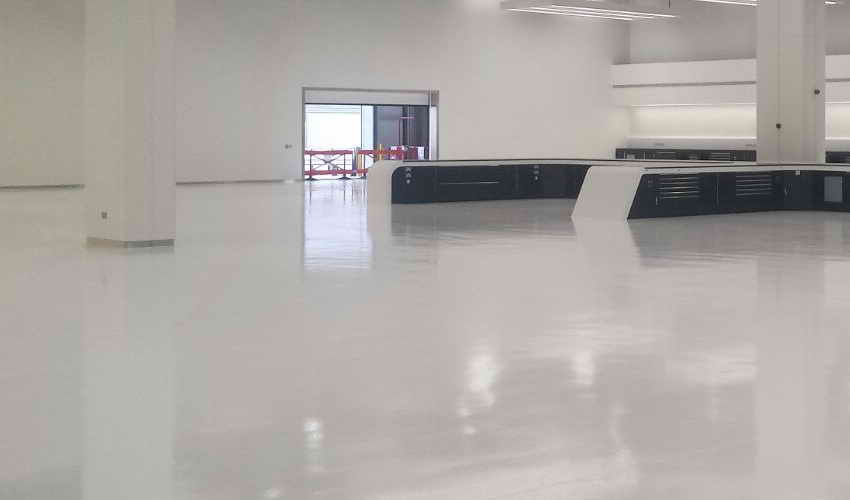
Furthermore, epoxy coatings offer a seamless surface, which is a significant advantage in terms of hygiene and maintenance. Unlike tiled floors with grout lines that can trap dirt and bacteria, an epoxy floor is non-porous and easy to clean. This seamlessness also contributes to its aesthetic appeal, providing a smooth and uniform look that can brighten up a commercial space and even enhance its professional image. I’ve noticed how a clean, well-maintained epoxy floor can make a business look more organized and efficient.
Advantages of Commercial Epoxy
From my perspective, the advantages of using commercial epoxy floor paint are numerous and quite compelling. One of the most significant benefits I’ve observed is its exceptional durability. These coatings can withstand heavy foot traffic, the movement of forklifts and other machinery, and even impacts from dropped tools or equipment without chipping or cracking easily. This longevity translates to lower maintenance and replacement costs over time, which is a key consideration for any business owner.
Another major plus, as I mentioned earlier, is the chemical resistance of epoxy floors. They can withstand spills of oils, solvents, acids, and other harsh chemicals that might damage other types of flooring. This makes them particularly suitable for industries like manufacturing, automotive, and pharmaceuticals where chemical exposure is common. The ability to simply wipe away spills without worrying about permanent staining or degradation is a huge advantage in maintaining a clean and safe work environment.
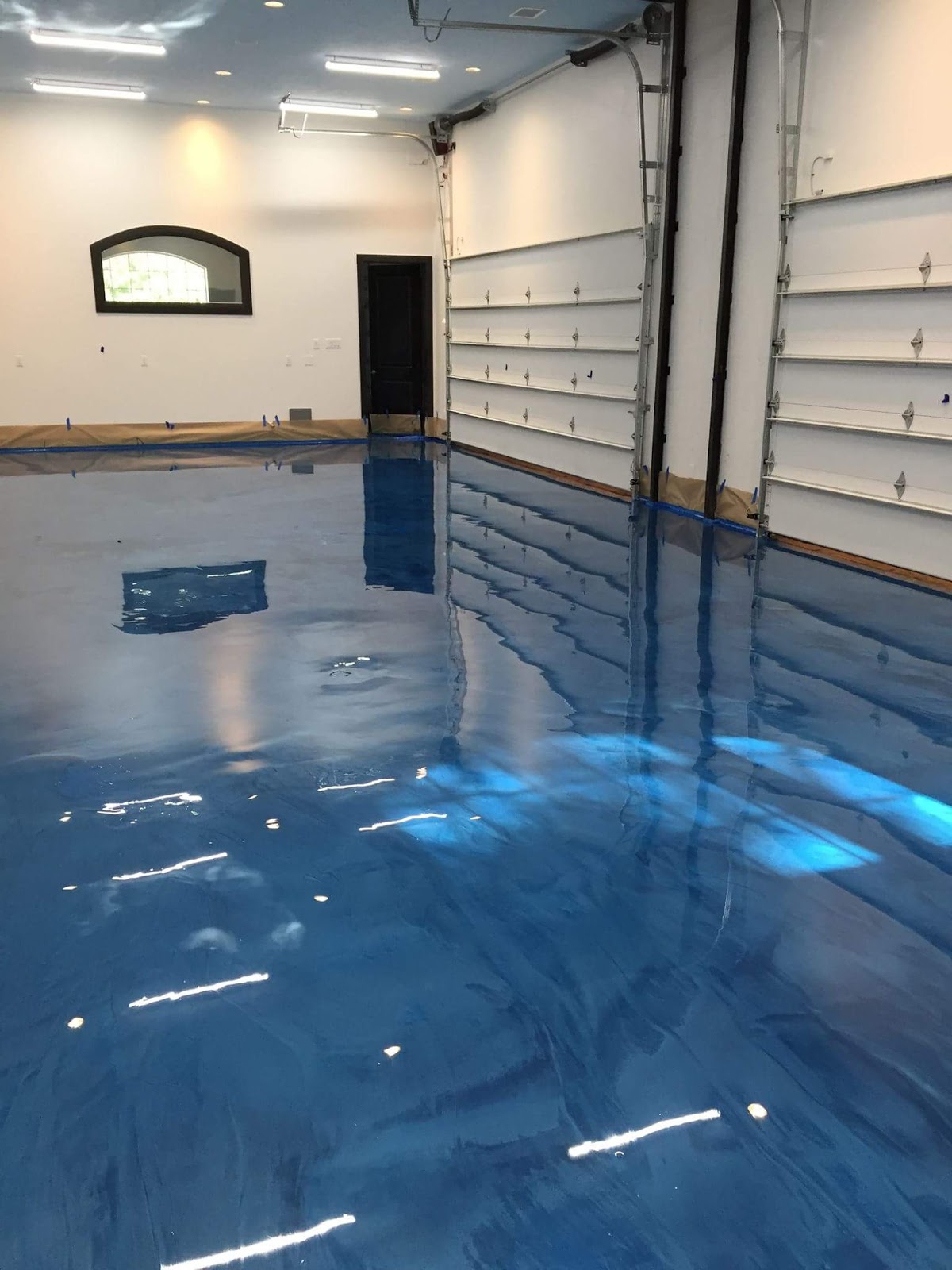
Beyond durability and chemical resistance, I also appreciate the variety of aesthetic options available with epoxy coatings. They come in a wide range of colors, and you can even incorporate flakes, quartz, or metallic pigments for a more decorative look. This allows businesses to create a floor that is not only functional but also visually appealing and can even align with their branding. The ability to customize the look of a commercial space while also benefiting from the performance of epoxy is a significant advantage.
Preparing the Concrete Surface
Based on what I know, the success of an epoxy floor coating heavily relies on the proper preparation of the existing concrete surface. I always emphasize that this step should not be overlooked or rushed. The concrete needs to be clean, dry, and free of any dust, debris, oil, grease, or existing coatings. Any contaminants can prevent the epoxy from bonding properly, leading to premature failure, like peeling or blistering.
The preparation process often involves several steps. First, thorough cleaning, which might include sweeping, scrubbing with detergents, or even using specialized cleaning solutions to remove stubborn residues. Next, the concrete surface needs to be profiled or roughened slightly to create a better key for the epoxy to adhere to. This can be achieved through mechanical methods like shot blasting, grinding, or acid etching. The choice of method depends on the condition of the concrete and the type of epoxy being applied.
Moisture testing is another critical step I always recommend. Excess moisture in the concrete can interfere with the epoxy curing process and lead to adhesion problems. Various moisture tests can be performed to ensure the concrete is sufficiently dry before application. Finally, any cracks or imperfections in the concrete should be repaired with appropriate patching compounds to create a smooth and sound surface for the epoxy coating. Proper preparation is an investment in the long-term performance of the epoxy floor.
The Epoxy Application Process
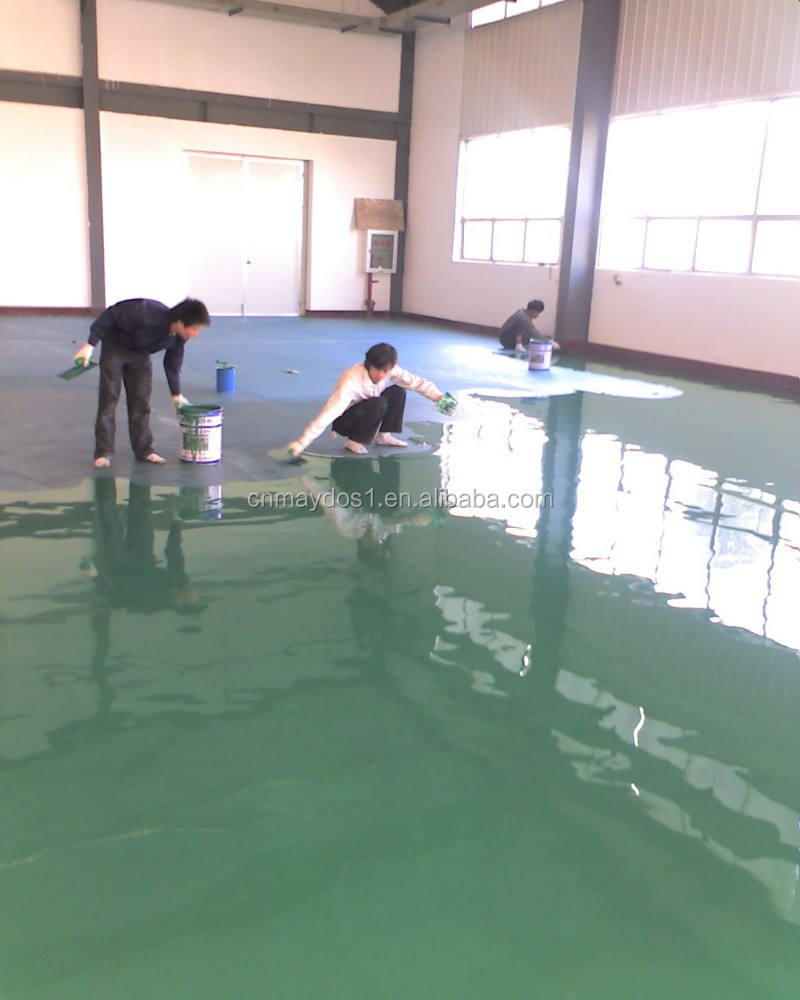
From my understanding, applying commercial epoxy floor paint is a multi-step process that requires careful attention to detail and the use of appropriate materials and techniques. Typically, it involves mixing the two components of the epoxy – the resin and the hardener – thoroughly and in the correct proportions according to the manufacturer’s instructions. Incorrect mixing can result in a coating that doesn’t cure properly or lacks the desired strength and durability.
Once the epoxy is properly mixed, it’s usually applied in thin, even coats using rollers or squeegees. The number of coats will depend on the desired thickness and the specific requirements of the application. For example, areas with heavy traffic or potential for impact might benefit from multiple thicker coats. It’s important to work within the pot life of the mixed epoxy, which is the amount of time you have to apply it before it starts to harden in the mixing container.
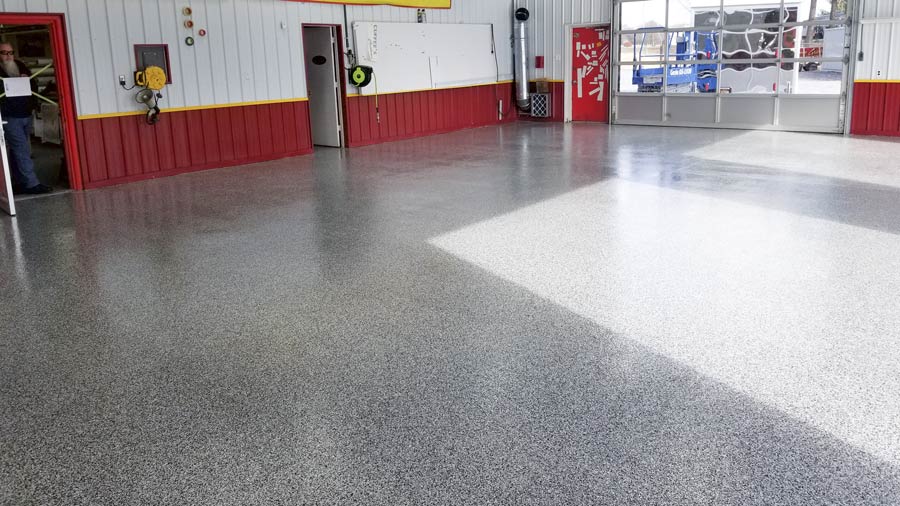
During the application process, it’s also possible to incorporate decorative elements like colored flakes or quartz aggregate, which are typically broadcast onto the wet epoxy. After the epoxy cures, a clear topcoat might be applied to provide additional protection, enhance the appearance, and improve cleanability. Proper application by trained professionals is crucial for achieving a durable, long-lasting, and aesthetically pleasing epoxy floor.

Maintenance and Longevity of Epoxy Floors
Based on what I’ve observed, one of the great things about commercial epoxy floors is their relatively low maintenance requirements. Regular cleaning typically involves sweeping or mopping with mild soap and water. For more stubborn dirt or spills, a non-abrasive cleaner can be used. The seamless surface prevents dirt and grime from getting trapped, making cleaning much easier compared to other flooring types with seams or grout lines.
To maximize the longevity of an epoxy floor, I would recommend taking some basic precautions. Using walk-off mats at entrances can help to reduce the amount of dirt and debris tracked onto the floor. Placing protective pads under heavy equipment or furniture can prevent scratches or dents. Promptly cleaning up spills, especially harsh chemicals, will also help to maintain the integrity of the coating.
While epoxy floors are very durable, they can experience wear over time, especially in high-traffic areas. Depending on the level of use, a maintenance coat or a complete recoating might be necessary after several years to restore the floor’s appearance and protective qualities. However, with proper care and maintenance, a commercial epoxy floor can provide many years of reliable service, making it a cost-effective flooring solution in the long run.

Cost Considerations for Epoxy Flooring
From my experience, the initial cost of installing a commercial epoxy floor can vary depending on several factors. These include the size of the area to be coated, the condition of the existing concrete floor, and the amount of preparation required, the type and thickness of the epoxy system chosen, and the complexity of the application, including any decorative elements. Generally, while the upfront investment might be higher than some basic flooring options like standard concrete paint, it’s important to consider the long-term value.
When evaluating the cost, I always advise businesses to factor in the durability and low maintenance of epoxy floors. The reduced need for frequent repairs or replacements, along with the ease of cleaning, can lead to significant cost savings over the lifespan of the floor. Additionally, the enhanced safety and professional appearance can also contribute to a better return on investment.
While it’s tempting to look for the cheapest option, I’ve learned that investing in a high-quality epoxy system and professional installation is usually the most cost-effective approach in the long run. A properly applied epoxy floor will provide superior performance and longevity, minimizing disruptions and future expenses. Getting quotes from reputable contractors and carefully considering the specific needs of your commercial space will help you make an informed decision about the cost-effectiveness of epoxy flooring.
What are the main advantages of using epoxy floor paint in a commercial setting?
From my perspective, the primary advantages of commercial epoxy floor paint include its exceptional durability and resistance to heavy traffic, impacts, and chemical spills, which contribute to a long lifespan and reduced maintenance costs. The seamless, non-porous surface is easy to clean and promotes hygiene. Additionally, epoxy offers a variety of aesthetic options, allowing for customization of the floor’s appearance to suit the business’s needs and branding.
How long does a commercial epoxy floor typically last?
The lifespan of a commercial epoxy floor can vary depending on the level of traffic, the type of use, and the quality of the initial application and ongoing maintenance. However, with proper preparation and maintenance, a well-applied epoxy floor can often last for many years, typically ranging from five to ten years or even longer in some less demanding environments. Regular cleaning and prompt attention to any damage can significantly extend its longevity.

Can epoxy flooring be applied over any type of commercial flooring?
Generally, epoxy coatings are designed to be applied over concrete surfaces. Applying epoxy over other types of flooring, such as tile, wood, or vinyl, can be more complex and may not result in a durable or long-lasting bond. Proper preparation of the existing surface is crucial for successful epoxy application, and concrete provides the best substrate for achieving optimal adhesion and performance.
Is epoxy flooring slippery, and are there ways to improve traction?
While smooth epoxy surfaces can be somewhat slippery, especially when wet, there are several ways to improve traction in commercial applications. These include incorporating anti-skid additives like silica sand or aluminum oxide into the epoxy coating during application. Texturing the surface or applying a non-slip topcoat are other effective methods to enhance safety and reduce the risk of slips and falls, particularly in areas prone to moisture or spills.

What are the typical industries that benefit most from commercial epoxy flooring?
From what I’ve seen, a wide range of industries benefit significantly from commercial epoxy flooring. These include manufacturing and industrial facilities due to the durability and chemical resistance, automotive repair shops for their resistance to oils and solvents, healthcare facilities and food processing plants for their hygienic and easy-to-clean surfaces, warehouses and distribution centers for their ability to withstand heavy traffic, and even retail stores and showrooms for their aesthetic appeal and durability.
What is the typical cost range for commercial epoxy floor installation?
The cost of commercial epoxy floor installation can vary considerably depending on factors such as the size of the area, the condition of the concrete, the type and thickness of the epoxy system, and any specific requirements like decorative finishes or anti-skid additives. Generally, prices can range from a few dollars per square foot for basic systems to upwards of ten dollars or more per square foot for more complex or high-performance applications. Obtaining quotes from experienced contractors is essential for an accurate cost estimate.
California Commercial Epoxy Flooring Contractor
Related Posts: