When considering flooring options for a bathroom, many materials come to mind, like tile or vinyl. However, one option that might not be immediately obvious but offers a unique blend of comfort and practicality is cork flooring. From my own experience and what I’ve learned, cork can be a surprisingly suitable choice for this moisture-prone environment, provided that the right type is selected and proper installation and maintenance are followed. Its natural warmth underfoot and sound-dampening qualities can create a spa-like feel, offering a departure from the often cold and hard surfaces typically found in bathrooms. Let’s explore some key aspects of using cork flooring in this space.
Understanding Cork’s Properties
What I find particularly appealing about cork is its inherent natural properties. It’s harvested from the bark of cork oak trees, making it a renewable and sustainable resource, which is something I always appreciate. Beyond its eco-friendliness, cork possesses a cellular structure that’s quite remarkable. Millions of tiny air-filled cells within each cubic centimeter give it a natural resilience and a slight give underfoot. This makes it much more comfortable to stand on for extended periods compared to hard tiles, which is a definite plus in a bathroom setting where you might spend time at the sink or mirror.
Another significant characteristic of cork is its natural insulation. It helps to keep floors warmer in the cooler months, which can be a welcome sensation when stepping out of the shower or bath. This insulating property can also contribute to a more consistent room temperature overall. Furthermore, cork has a natural ability to dampen sound. If you have a busy household, this sound-absorbing quality can make your bathroom a quieter and more peaceful retreat. I’ve noticed this difference in spaces where cork has been installed; it does help to reduce echoes and noise transmission.
However, it’s crucial to understand that while cork has some natural water resistance due to a waxy substance called suberin, it’s not inherently waterproof in the same way that vinyl or ceramic tile is. Prolonged exposure to standing water can cause damage, leading to swelling, warping, or even mold growth. This is why proper sealing and maintenance are essential when using cork in a bathroom environment. Choosing the right type of cork and taking preventative measures will significantly impact its performance and longevity in a potentially damp space.
Selecting the Right Type of Cork
From what I’ve gathered, not all cork flooring is created equal, especially when it comes to bathroom use. I’ve learned that solid cork tiles or planks, while beautiful and comfortable, might not be the most practical choice for a bathroom due to their potential for water absorption at the seams. A better option, in my opinion, is cork veneer flooring with a high-quality, waterproof sealant applied during manufacturing. These engineered cork products often feature a core layer that’s more resistant to moisture.
Another type of cork flooring that I’ve seen recommended for bathrooms is cork underlayment topped with a completely waterproof sealant after installation. While technically not the finished floor itself, this approach allows you to choose a sealant that you know will provide a robust barrier against water penetration. The key here is the integrity of the sealant and ensuring that it’s applied flawlessly, paying close attention to seams and edges where water could potentially seep in.
Ultimately, when selecting cork for a bathroom, I would always prioritize water resistance. Look for products specifically designed or recommended for moisture-prone areas. Don’t hesitate to ask manufacturers detailed questions about their product’s suitability for bathrooms and the type of sealant used or recommended. Investing in a high-quality, water-resistant cork product from the outset will save you potential problems and ensure the longevity of your bathroom flooring.

Proper Installation Techniques
Based on what I know, the way cork flooring is installed in a bathroom is just as critical as the type of cork chosen. I believe a glue-down installation method is generally preferred over floating floors in this environment. Gluing the cork directly to a properly prepared subfloor minimizes the risk of water seeping underneath the flooring, which can happen more easily with a floating system. A solid bond helps to create a more water-resistant surface overall.
Before installation begins, I would emphasize the importance of ensuring the subfloor is perfectly level, clean, and dry. Any imperfections in the subfloor can telegraph through the cork and potentially create areas where water can pool. Using a leveling compound, if necessary, is a worthwhile step. Also, consider applying a moisture barrier to the subfloor before installing the cork, especially if your bathroom is on a ground floor or over a crawl space. This added layer of protection can prevent moisture from wicking up from below.
Finally, the application of a high-quality, waterproof sealant after installation is crucial. Pay close attention to sealing all the seams and edges meticulously. Multiple coats might be necessary to create a robust and continuous barrier against water. Regular reapplication of the sealant according to the manufacturer’s recommendations will also be essential for maintaining the water resistance of your cork bathroom floor over time. Proper installation is an investment in the longevity and performance of the flooring.
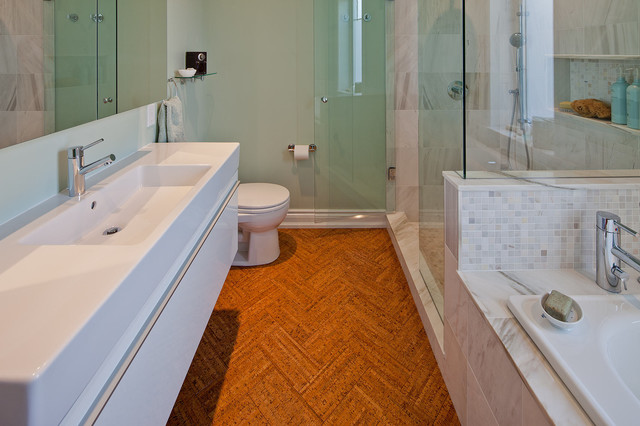
Maintaining Cork in a Bathroom Setting
From my understanding, while cork can work well in a bathroom, it does require consistent and careful maintenance to protect it from moisture damage. I would recommend wiping up any spills immediately. Don’t let water sit on the surface for extended periods. Using a soft cloth or mop for regular cleaning with a pH-neutral cleaner is generally best. Avoid harsh chemicals or abrasive cleaners that could damage the sealant.
Ventilation is also key in a bathroom with cork flooring. I always advise ensuring good airflow by using exhaust fans during and after showers or baths. This helps to reduce humidity levels and allows the floor to dry more quickly. Opening a window, if possible, can also be beneficial. Minimizing prolonged exposure to high humidity will help prevent moisture buildup in the cork.
Furthermore, periodic reapplication of a high-quality, waterproof sealant is a necessary part of maintaining a cork bathroom floor. The frequency will depend on the type of sealant used and the level of use the bathroom receives, but following the manufacturer’s recommendations is essential. Regular inspection of the sealant, especially around seams and edges, will help you catch any areas that might need resealing before water damage occurs. Consistent maintenance is the key to enjoying the warmth and comfort of cork in your bathroom for years to come.
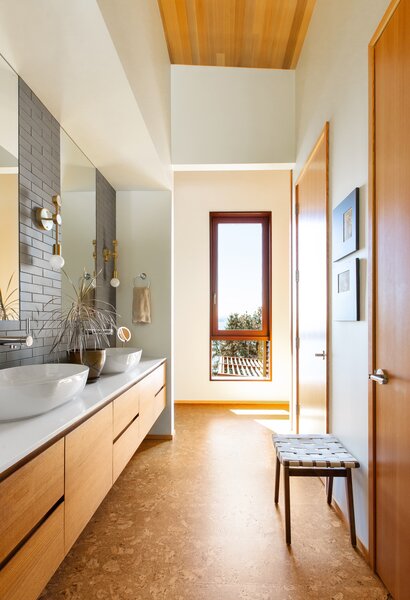
Potential Benefits of Cork Bathrooms
What I find particularly attractive about using cork in a bathroom is the unique benefits it offers. The natural warmth underfoot is a significant advantage, especially during colder months. Stepping onto a cork floor after a shower feels much more comfortable than cold tile. The inherent sound-dampening qualities of cork can also create a more peaceful and relaxing atmosphere in the bathroom, reducing echoes and noise.
Another benefit I appreciate is the slight cushioning effect of cork. It’s more forgiving underfoot than hard surfaces, which can be beneficial if you spend a lot of time standing in the bathroom. This can also make it a slightly safer surface, as it has a bit more give in case of a slip. Furthermore, as I mentioned earlier, cork is a sustainable and renewable material, which aligns with my preference for environmentally conscious choices.
While the water resistance requires careful management, the unique combination of comfort, sound absorption, warmth, and sustainability makes cork a compelling alternative to traditional bathroom flooring options for those who are willing to commit to proper installation and maintenance. It offers a different aesthetic and a softer feel that can truly transform the bathroom experience.
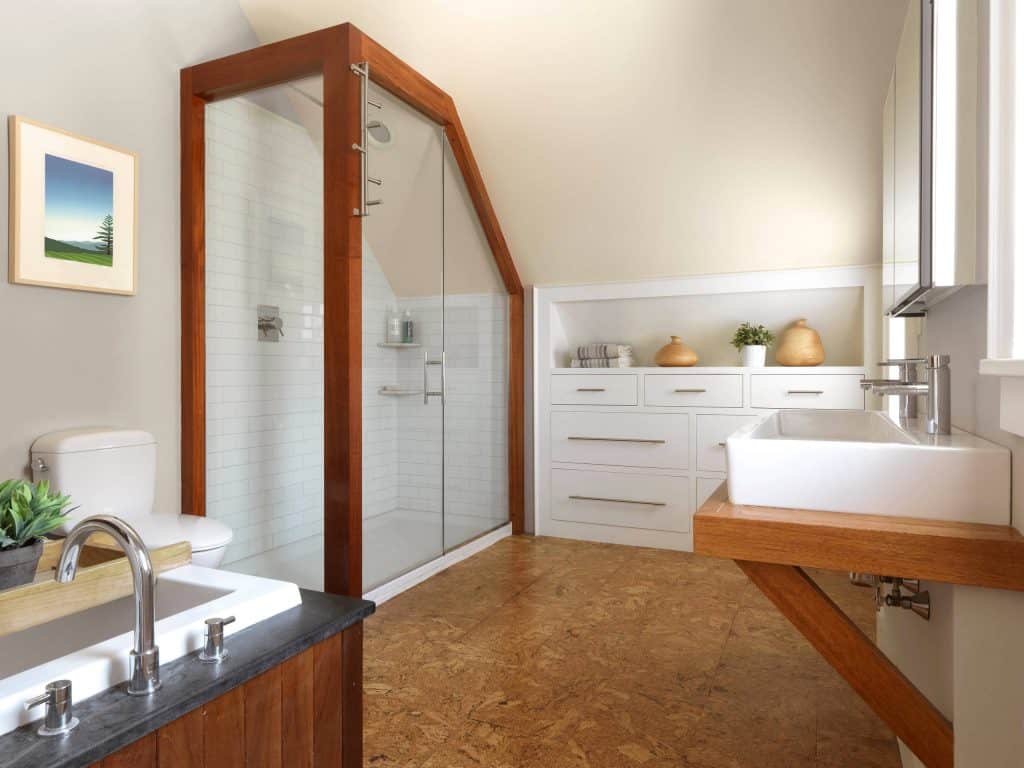
Addressing Potential Drawbacks
From a practical standpoint, I recognize that using cork in a bathroom does come with certain potential drawbacks that need careful consideration. The primary concern, in my opinion, is its susceptibility to water damage if not properly sealed and maintained. Standing water and prolonged exposure to high humidity can lead to swelling, warping, discoloration, and even mold growth. This requires a commitment to diligent upkeep.
Another potential issue I’ve considered is the durability of cork compared to extremely hard materials like tile. While cork is resilient, it can be susceptible to dents or scratches from sharp objects or heavy items. While a good sealant can offer some protection, it’s something to be mindful of in a busy bathroom environment.
Finally, the initial cost of high-quality cork flooring and the associated sealants and careful installation might be higher than some other common bathroom flooring options. However, when considering the unique benefits and the potential lifespan with proper care, it can be a worthwhile investment for those who value its specific qualities. Weighing these potential drawbacks against the benefits and your own lifestyle is crucial when deciding if cork is the right choice for your bathroom.

Is cork flooring completely waterproof for a bathroom?
No, while cork has some natural water resistance due to its suberin content, it is not inherently waterproof in the same way as vinyl or ceramic tile. Prolonged exposure to standing water can damage cork flooring, leading to swelling, warping, and potential mold growth. To make cork suitable for a bathroom, it requires a high-quality, completely waterproof sealant applied meticulously during and after installation, with regular reapplication as part of maintenance.
What type of cork flooring is best suited for a bathroom environment?
From what I’ve learned, engineered cork flooring with a built-in waterproof sealant or solid cork tiles/planks that are thoroughly sealed after a glue-down installation are generally the most suitable options for a bathroom. Floating cork floors are typically not recommended due to the increased risk of water seeping underneath. The key is to prioritize products specifically designed or recommended for moisture-prone areas and to ensure a robust, continuous sealant layer.
How often would I need to reseal cork flooring in a bathroom?
The frequency of resealing will depend on the type of sealant used, the amount of use the bathroom receives, and the level of humidity. Generally, you should inspect the sealant regularly, paying close attention to seams and edges, and reseal as needed, perhaps every one to three years. Always follow the sealant manufacturer’s recommendations for reapplication to maintain a continuous waterproof barrier and protect the cork from moisture damage.
Can I use regular bathroom cleaners on a cork floor in my bathroom?
It’s generally best to use pH-neutral cleaners specifically recommended for sealed cork floors. Avoid harsh chemicals, abrasive cleaners, or excessive amounts of water, as these can damage the sealant and the cork itself. Wipe up spills immediately with a soft cloth or mop. Regular, gentle cleaning is key to maintaining the appearance and integrity of your cork bathroom floor.
Are there any specific underlayments recommended for cork flooring in a bathroom?
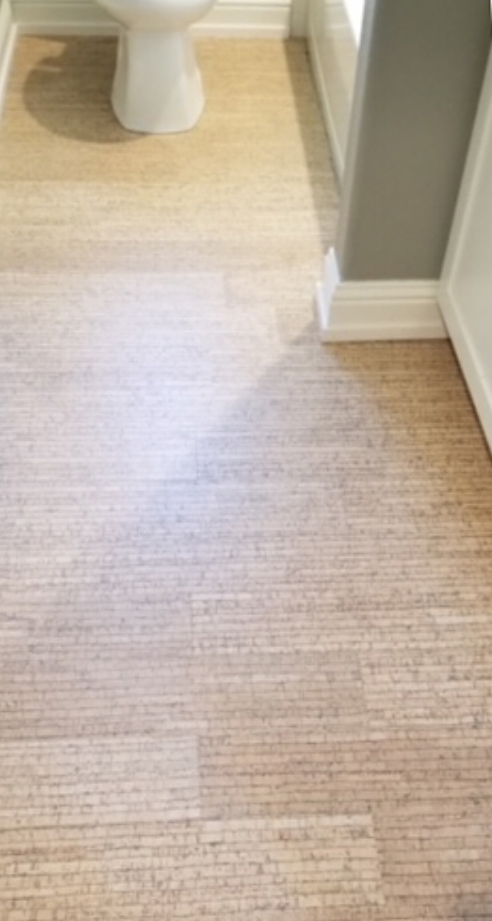
While cork itself can provide some cushioning and insulation, if you’re using a glue-down installation method directly on the subfloor, a separate underlayment might not be necessary. However, ensuring a level and properly prepared subfloor is crucial. If there are concerns about moisture wicking up from below, a moisture barrier applied to the subfloor before installing the cork is highly recommended for added protection in a bathroom environment.
How does the cost of cork flooring for a bathroom compare to other options like tile or vinyl?
The initial cost of high-quality cork flooring and the necessary sealants and careful installation can sometimes be comparable to or even slightly higher than mid-range tile or vinyl options. However, when considering the unique benefits of cork, such as its warmth, sound absorption, and sustainable nature, along with its potential longevity with proper care, it can be a worthwhile investment for those who value these specific qualities in their bathroom flooring.
Surprising Facts You Need to Know Before Installing Cork

Related Posts: