My journey with outdoor concrete coatings began when I inherited a backyard with a weathered, stained concrete patio that looked terrible. After years of exposure to rain, sun, and foot traffic, the surface had become rough, discolored, and frankly embarrassing. I researched various coating options and discovered that the right coating could transform ugly concrete into an attractive, durable surface. Through trial and error, I learned which products work best for different conditions and how to achieve professional-looking results. Let me share what I’ve discovered about protecting and beautifying outdoor concrete surfaces.
Understanding Different Types of Outdoor Concrete Coatings
When I first started exploring coating options, I was overwhelmed by the variety available. Acrylic sealers are the most basic option, providing minimal protection but easy application. I used these on my first project and found them adequate for light-duty areas but inadequate for high-traffic zones. They require frequent reapplication and offer limited resistance to chemicals and abrasion.
Epoxy coatings became my preferred choice for durability and appearance. These two-part systems create a hard, chemical-resistant surface that can withstand heavy use. I’ve applied epoxy to garage floors, workshop areas, and covered patios with excellent results. The key is proper surface preparation and temperature control during application. Cold weather can prevent proper curing, while hot surfaces cause the coating to set too quickly.
Polyurethane and polyaspartic coatings represent the premium end of the market. I invested in these for my main entertaining areas because they offer superior UV resistance and flexibility. Unlike epoxy, which can yellow under sunlight, polyurethane maintains its color and clarity. The higher cost is justified by longevity and reduced maintenance requirements over time.
Preparing Concrete Surfaces for Coating Application
Surface preparation determines the success or failure of any coating project. I learned this lesson the hard way when my first coating failed within months due to inadequate preparation. The concrete must be clean, dry, and properly profiled to ensure good adhesion. I start by pressure washing the surface and allowing it to dry completely, which can take several days depending on weather conditions.
Existing coatings, paint, or sealers must be completely removed before applying new products. I use mechanical methods like grinding or shot blasting for stubborn materials. Chemical strippers work for some situations but require careful handling and disposal. Testing a small area first helps determine the most effective removal method for your specific situation.
Crack repair and surface defects must be addressed before coating application. I use concrete crack fillers for small issues and consider professional repair for larger problems. The goal is to create a smooth, uniform surface that will showcase the coating properly. I also check for oil stains, which can prevent proper adhesion and require special cleaning products or primers.

Selecting the Right Coating for Your Climate
Climate considerations significantly impact coating selection and performance. In my area, we experience extreme temperature swings, high humidity, and occasional freeze-thaw cycles. I learned that not all coatings handle these conditions equally well. Rigid coatings can crack under thermal stress, while flexible formulations adapt better to temperature changes.
UV exposure is a major concern for outdoor applications. I made the mistake of using interior-grade epoxy on an outdoor project, and it yellowed badly within months. Now I always specify UV-stable formulations for any exterior work. Clear coatings are particularly susceptible to UV degradation, so I often recommend tinted or pigmented options for better longevity.
Moisture management becomes critical in humid climates or areas with poor drainage. I ensure proper slope for water runoff and use moisture-tolerant primers when necessary. Some coatings can be applied to damp surfaces, while others require bone-dry conditions. Understanding your local climate helps select products that will perform reliably over time.
Application Techniques for Professional Results
Proper application technique makes the difference between amateur and professional-looking results. I always follow manufacturer specifications for temperature, humidity, and surface conditions. Trying to rush the job by working in marginal conditions usually leads to problems. I check weather forecasts carefully and plan the application during optimal conditions.
Mixing ratios are critical for two-part systems. I use precise measuring tools and mix only what I can apply within the pot life. Once mixed, the clock starts ticking, and you must work efficiently. I’ve learned to have all tools ready and the surface completely prepared before opening any containers. Practice on a small area first if you’re unfamiliar with the product.
Application tools affect the final appearance significantly. I use high-quality rollers designed for the specific coating type and maintain a wet edge to avoid lap marks. For large areas, I work with a partner to ensure continuous coverage. Back-rolling helps eliminate bubbles and ensures uniform thickness. I also keep a brush handy for cutting in around edges and details.

Maintenance and Longevity Tips
Regular maintenance extends coating life significantly. I inspect my coated surfaces seasonally and address any issues promptly. Small problems like minor scratches or worn areas can be touched up easily if caught early. Waiting until the coating fails means starting over with full surface preparation and reapplication.
Cleaning protocols depend on the coating type and intended use. I use pH-neutral cleaners for routine maintenance and avoid harsh chemicals that can damage the coating. Pressure washing is acceptable for most coatings but should be done carefully to avoid damage. I also sweep regularly to prevent abrasive debris from scratching the surface.
Recoating schedules vary based on traffic levels and exposure conditions. High-traffic areas may need attention every 3-5 years, while protected areas can last much longer. I keep detailed records of application dates and products used, which helps with future maintenance planning. Having leftover coating material for touch-ups is always worthwhile.
Cost Analysis and Return on Investment
Coating costs vary dramatically based on product selection and surface conditions. Basic acrylic sealers cost under $1 per square foot, while premium polyaspartic systems can exceed $8 per square foot. I’ve learned that initial cost doesn’t tell the whole story, though. Cheaper products often require more frequent reapplication, making them more expensive long-term.
Labor costs can equal or exceed material costs, especially if extensive surface preparation is needed. I handle most of my coating work, but I hire professionals for large or complex projects. The key is understanding what you’re capable of and when to call in experts. Poor application can waste expensive materials and require complete do-overs.
The return on investment goes beyond just financial considerations. A well-coated concrete surface enhances property value, reduces maintenance needs, and improves safety through better traction and visibility. I’ve found that quality coatings pay for themselves through reduced cleaning time and extended surface life. The aesthetic improvement also makes outdoor spaces more enjoyable to use.
How long do outdoor concrete coatings typically last?
Coating lifespan depends heavily on product quality, surface preparation, and environmental conditions. Basic acrylic sealers might last 1-2 years, while premium epoxy or polyurethane systems can provide 5-10 years of service. I’ve seen properly applied polyaspartic coatings last over 15 years in moderate climates. Regular maintenance and prompt repairs extend life significantly.
Can I apply concrete coatings myself, or should I hire professionals?
Many homeowners can successfully apply coatings with proper preparation and technique. I recommend starting with smaller, less visible areas to gain experience. However, surface preparation often requires specialized equipment, and some coating systems have strict application requirements. For valuable or highly visible surfaces, professional installation ensures optimal results and warranty coverage.
What’s the best time of year to apply outdoor concrete coatings?
I prefer mild weather with low humidity and stable temperatures for coating application. Spring and fall often provide ideal conditions in most climates. Avoid extreme temperatures, high humidity, or precipitation during application and initial curing. Most coatings require 24-48 hours of dry conditions after application, so check extended weather forecasts before starting.
How do I choose between clear and colored coating options?
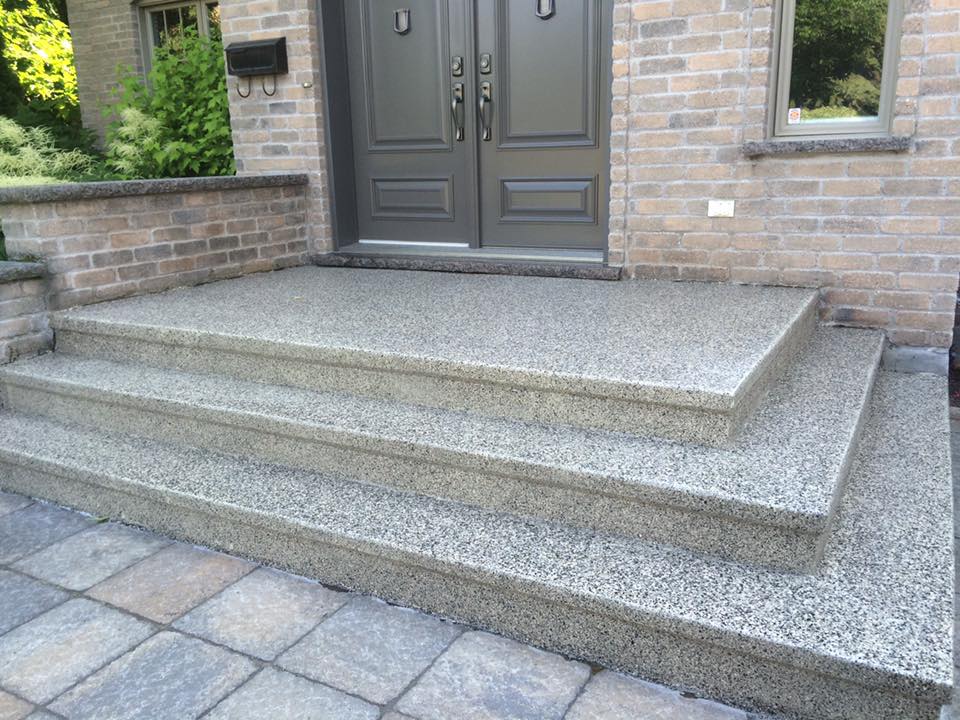
Clear coatings highlight the natural concrete appearance while providing protection. I use them when I want to maintain the existing look or show decorative aggregate. Colored coatings hide stains and imperfections while adding visual interest. They also tend to be more UV-stable than clear options. Consider your aesthetic goals and maintenance preferences when deciding.

Can coatings be applied over previously sealed concrete?
Existing sealers must usually be removed before applying new coatings. I test adhesion by applying a small amount of new coating over the existing surface and checking bond strength after curing. Some products are designed to bond over certain existing coatings, but compatibility testing is essential. When in doubt, complete removal ensures proper adhesion.
What safety precautions should I take when applying concrete coatings?
Safety is paramount when working with coating materials. I always wear appropriate respiratory protection, especially when using solvent-based products. Skin and eye protection are essential, and I ensure adequate ventilation during application. Many coatings are flammable, so I eliminate ignition sources and store materials properly. Reading and following all safety data sheets is mandatory.

Patio & Outdoor Flooring

Bakersfield Epoxy Flooring Cisneros

Outdoor Floor Coating – Other Flooring Applications PolySurface
Related Posts: