When I first heard about cork flooring, I was skeptical. The idea of walking on what seemed like a giant wine cork didn’t appeal to me at all. However, after researching sustainable flooring options for my home renovation, I decided to give cork a chance in my home office. That decision opened my eyes to a flooring material that’s far more sophisticated than I initially imagined. Over the past three years, I’ve installed cork in multiple rooms and gained valuable insights into its performance, durability, and overall value. Let me share what I’ve learned about whether cork flooring is truly a good choice for modern homes.
Understanding Cork Flooring Properties and Characteristics
Cork flooring surprised me with its unique combination of properties that I hadn’t expected. The material is naturally antimicrobial and hypoallergenic, which became particularly important when my family member developed allergies. Unlike carpet or some hardwoods, cork doesn’t trap dust, pet dander, or other allergens. The cellular structure of cork creates millions of tiny air pockets that give it remarkable insulation properties.
The texture and feel underfoot are unlike any other flooring material I’ve experienced. Cork has a slight give that makes it comfortable to stand on for extended periods, which I appreciated during long work sessions in my home office. The natural resilience helps reduce fatigue compared to hard surfaces like tile or concrete. This springiness also makes cork an excellent choice for areas where you might drop things frequently.
Temperature regulation is another unexpected benefit I discovered. Cork stays relatively warm in winter and cool in summer, making it comfortable year-round. The insulation properties also help reduce noise transmission between floors, which became valuable when I installed it in my upstairs bedroom. My family noticed significantly less noise from footsteps compared to our previous hardwood floors.
Installation Experience and Challenges
Installing cork flooring taught me that preparation is critical for success. The subfloor must be perfectly level and dry, as cork is less forgiving than some other floating floor systems. I spent considerable time ensuring proper moisture levels and installing a quality vapor barrier. Any imperfections in the subfloor telegraphed through the cork surface, creating visible and tactile irregularities.
The actual installation process is similar to laminate flooring but requires more precision. Cork planks can be more fragile than hardwood during handling, and I learned to work carefully to avoid chipping edges. The tongue-and-groove system works well, but achieving tight joints requires patience and proper technique. I found that working in moderate temperatures produced the best results.
Cutting cork requires sharp tools and careful technique. I used a fine-tooth saw and scored the surface before cutting to prevent chipping. The material produces a fair amount of dust during cutting, so proper ventilation and dust protection are essential. I also discovered that cork dulls saw blades more quickly than expected, so having extra blades on hand proved valuable.

Durability and Performance Over Time
After three years of use, I can provide honest feedback about cork’s durability in real-world conditions. High-traffic areas show some wear, but it’s less noticeable than I expected. The natural variation in cork’s grain pattern helps hide minor scratches and scuffs that would be obvious on smooth hardwood. However, heavy furniture can leave permanent indentations if not properly protected with pads.
Moisture resistance has been generally good but not perfect. Cork handles everyday spills well when cleaned promptly, but prolonged exposure to water can cause problems. I learned this lesson when a plant leaked onto my office floor overnight, creating a small but noticeable stain. The key is immediate cleanup and proper sealing during installation.
The surface finish plays a crucial role in long-term performance. I chose a polyurethane finish that has held up well to normal use. Areas with less traffic still look nearly new, while heavily used spaces show some dulling of the finish. Recoating is possible but requires careful surface preparation. Overall, the durability has exceeded my initial expectations for a sustainable flooring option.

Maintenance Requirements and Cleaning
Daily maintenance of cork flooring is straightforward and less demanding than I anticipated. Regular sweeping or vacuuming removes surface dirt effectively, and the smooth surface doesn’t trap debris like textured materials. I use a microfiber dust mop for quick daily cleaning, which takes just minutes to maintain the appearance. The antimicrobial properties seem to help reduce the buildup of odors and bacteria.
Weekly cleaning involves damp mopping with a pH-neutral cleaner specifically designed for cork floors. I avoid excessive water and harsh chemicals that could damage the finish or penetrate the cork. The key is using minimal moisture and ensuring the floor dries quickly. I learned that traditional wood floor cleaners work well, but specialized cork cleaners provide optimal results.
Long-term maintenance includes periodic resealing, which I’ve done once in three years. The process involves light sanding to remove the old finish and applying new protective coating. While this requires effort, it’s similar to maintaining hardwood floors and significantly extends the life of the installation. I also rotate rugs and furniture periodically to ensure even wear patterns.

Cost Analysis and Value Proposition
Cork flooring costs fall in the middle range of flooring options, typically more expensive than laminate but less than premium hardwood. My initial investment was approximately $6 per square foot installed, which included quality underlayment and professional installation. While not the cheapest option, the unique properties and environmental benefits justified the cost for me.
Long-term value depends on proper installation and maintenance. The ability to refinish cork floors extends their lifespan significantly, potentially making them more cost-effective than replacement-only options like luxury vinyl. I calculated that with proper care, my cork floors could last 15-20 years, making the per-year cost quite reasonable compared to other materials.
The resale value impact is still unclear, as cork flooring isn’t universally appreciated by all buyers. Some people love the unique characteristics, while others prefer traditional materials. I view it as a personal preference rather than a guaranteed value-add. The environmental benefits and health advantages may become more valued as sustainability awareness increases.

Environmental Impact and Sustainability Considerations
The environmental benefits of cork flooring were a major factor in my decision to try it. Cork is harvested from the bark of oak trees without harming the tree itself, making it a truly renewable resource. The trees continue growing and can be harvested again in 9-10 years, creating a sustainable cycle. This appealed to my desire to reduce my environmental footprint.
Manufacturing cork flooring requires less energy than many alternatives, and the material can be recycled at the end of its useful life. The natural properties eliminate the need for chemical treatments found in some other flooring materials. However, I learned that not all cork products are created equal, and some contain formaldehyde-based binders that reduce environmental benefits.
Transportation impacts vary depending on the source of cork materials. Most cork comes from Mediterranean regions, so shipping costs and carbon footprint should be considered. I chose products from companies with good environmental certifications and transparent supply chains. The local availability of cork flooring has improved significantly as demand increases.
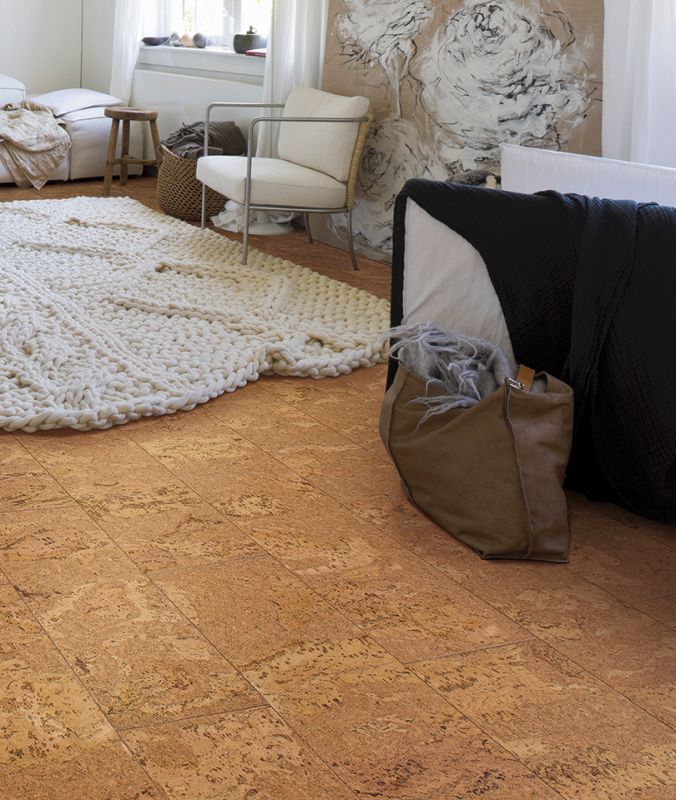
How does cork flooring perform with pets and children?
Cork flooring handles pets and children reasonably well, in my experience. The antimicrobial properties resist odors from pet accidents, and the surface is easy to clean. However, pet claws can scratch the finish, and the material can dent from heavy impacts. I use area rugs in high-activity zones and maintain pets’ nails regularly. For families with very active children or large pets, other options might be more suitable.
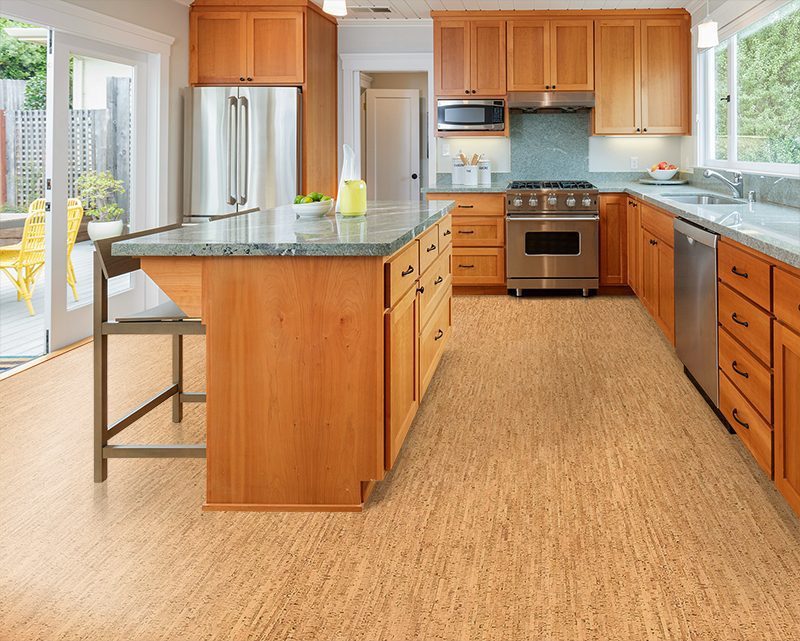
Can cork flooring be installed in kitchens and bathrooms?
I’ve successfully installed cork in my kitchen with proper sealing and immediate cleanup of spills. However, I wouldn’t recommend it for full bathrooms due to moisture concerns. The material can handle occasional splashes, but prolonged exposure to water can cause damage. Half-baths or powder rooms might work with excellent ventilation. Always use a high-quality moisture barrier and seal all edges carefully.
What are the biggest drawbacks of cork flooring?
The main drawbacks I’ve encountered include susceptibility to dents from heavy furniture, potential for water damage if not properly sealed, and limited style options compared to hardwood. The material also fades in direct sunlight, requiring window treatments in sunny areas. Additionally, not all installers are familiar with cork, potentially limiting installation options and increasing costs in some markets.
How does cork flooring compare to bamboo flooring?
Both are sustainable options, but they have different characteristics. Cork is softer and more comfortable underfoot, while bamboo is harder and more durable. Cork has better insulation properties, but bamboo offers more style variety. Installation is similar for both, but cork requires more careful handling. I chose cork for comfort areas and would consider bamboo for high-traffic zones needing maximum durability.
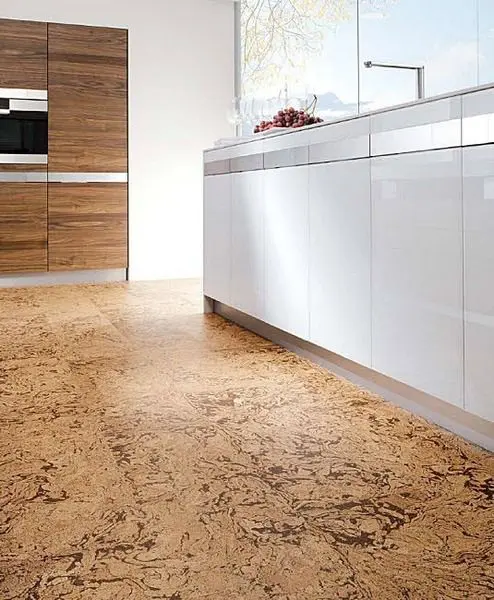
Does cork flooring require special heating and cooling considerations?
Cork’s insulation properties make it compatible with radiant heating systems, though temperature limits must be observed. The material doesn’t conduct heat as readily as tile or stone, so it stays comfortable in temperature extremes. I haven’t needed special HVAC adjustments, but maintaining stable humidity levels helps prevent expansion and contraction issues that could affect the installation.
What should I look for when shopping for cork flooring?
Focus on thickness, finish quality, and manufacturing standards when shopping. Thicker planks provide better durability and insulation. Look for low-VOC finishes and formaldehyde-free adhesives for better indoor air quality. Check warranty terms and ensure your installer has experience with cork. I recommend seeing samples in person, as online photos don’t accurately represent the texture and appearance variations in cork flooring.
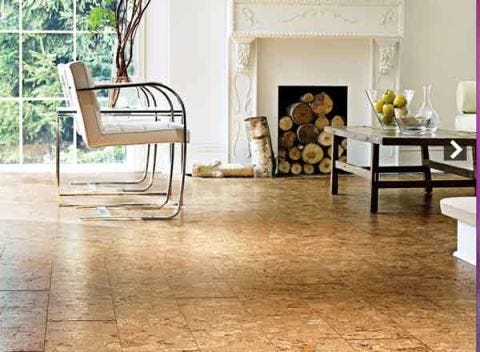
Best Flooring For Asthma And Allergy Sufferers – Cork – Cancork
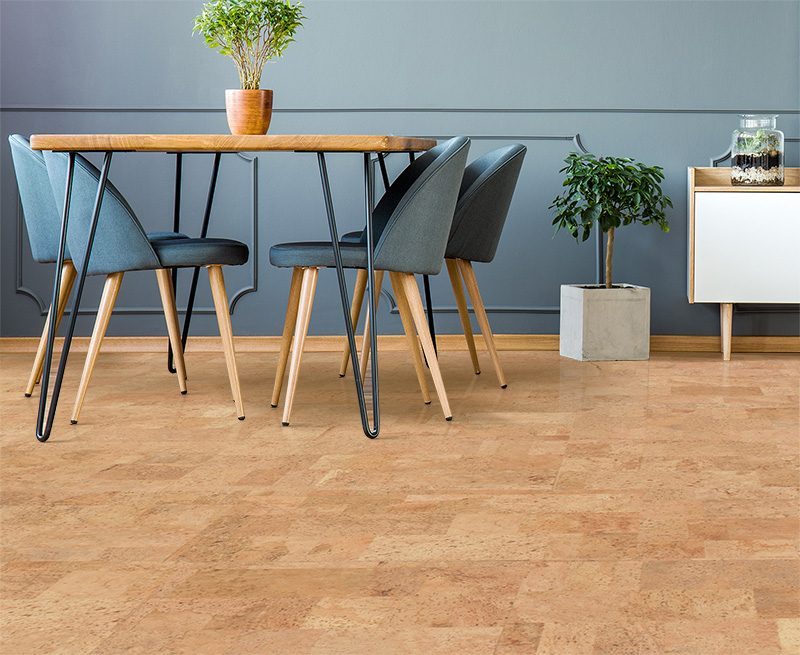
Kitchen Flooring With Natural Cork Flooring – ICork Floor
All About Cork Flooring – Home
Related Posts: