When I decided to stain my basement concrete floors three years ago, I had no idea how many color options were available or how dramatically different they could look depending on the application method. I thought concrete floors were limited to basic gray, but I discovered a whole spectrum of possibilities that transformed my drab basement into a stunning space that rivals any expensive flooring option. Through experimentation, mistakes, and eventual success, I learned that choosing the right concrete color is both an art and a science.
Acid Stains: My First Adventure in Color
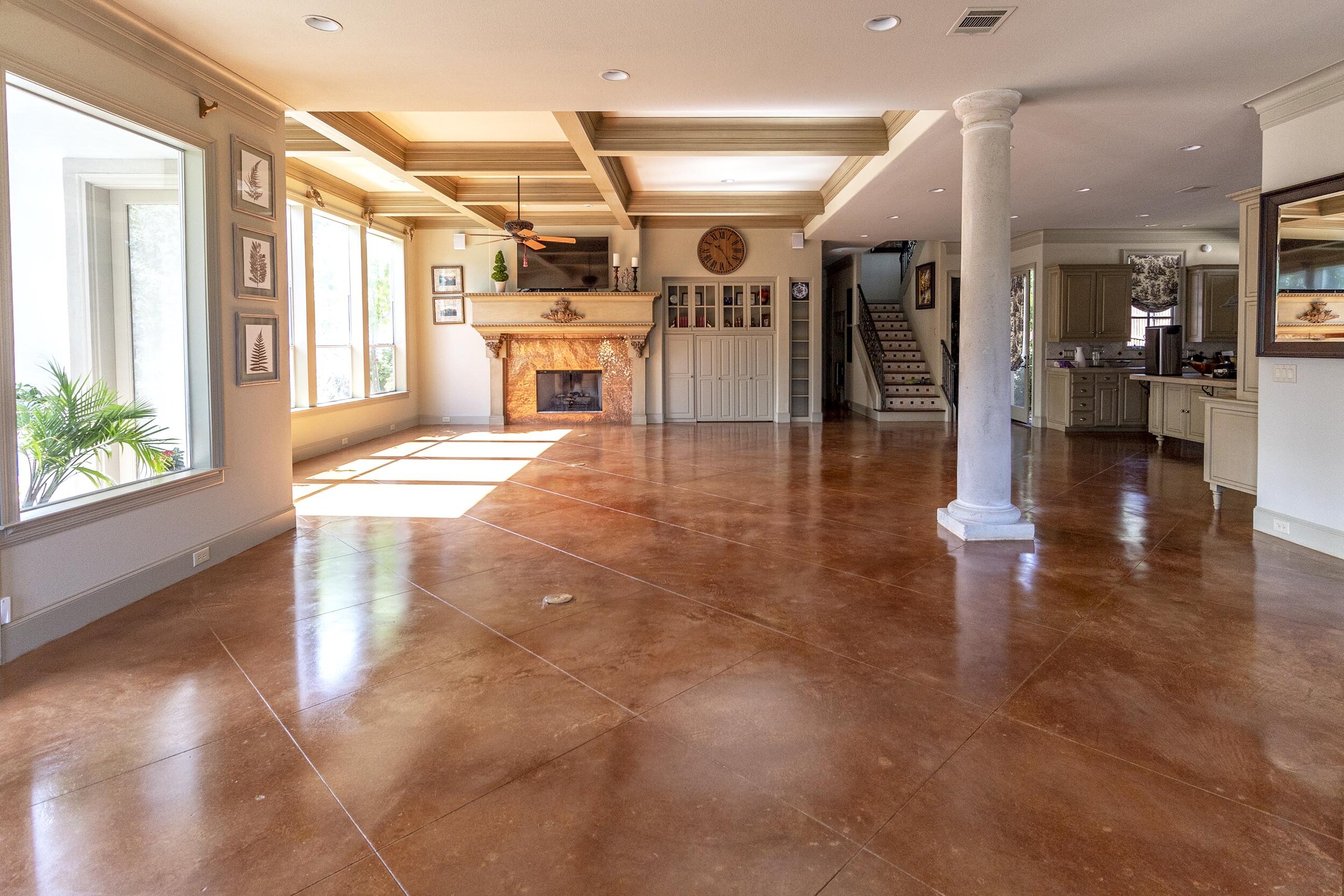
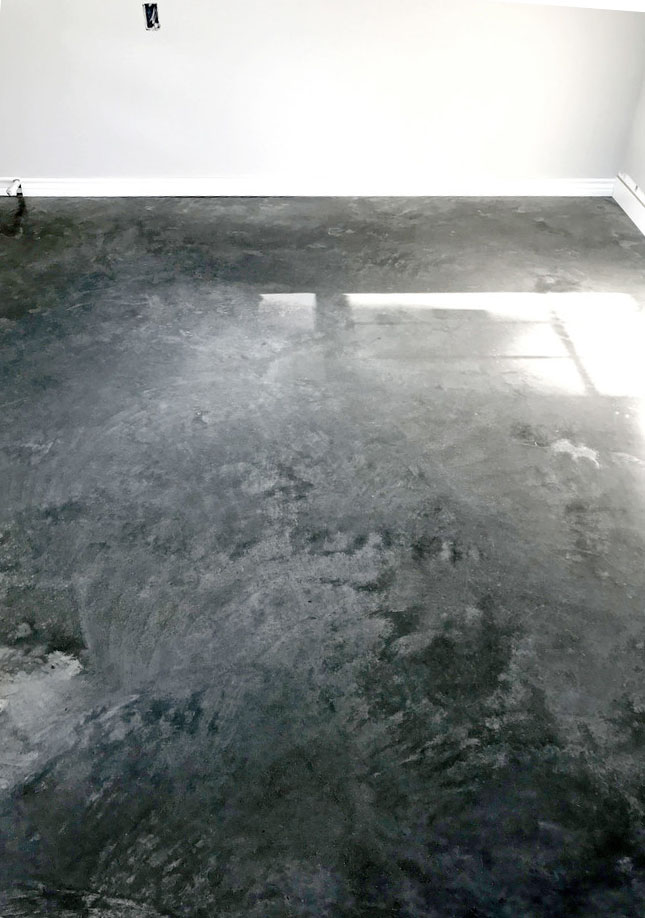
I started my concrete coloring journey with acid stains because they promised the most natural, variegated look that would hide any imperfections in my basement floor. The acid stain I chose was a warm brown that the manufacturer called “coffee,” and I was amazed by how it reacted with the minerals in my concrete to create organic-looking color variations. The chemical reaction produced beautiful mottled patterns that looked like natural stone rather than a uniform painted surface.
The application process was more involved than I expected, requiring careful preparation and safety equipment because acid stains are caustic and can be dangerous if not handled properly. I had to thoroughly clean and etch the concrete first, then apply the stain in overlapping sections while wearing gloves, goggles, and ensuring good ventilation. The stain worked slowly, taking several hours to develop its full color, and I had to resist the urge to apply more stain when the initial results looked too light.
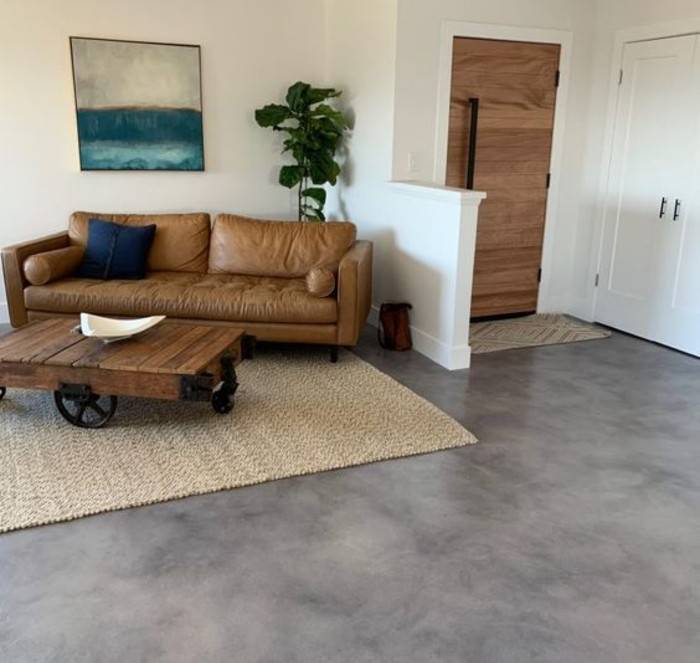
What surprised me most about acid stains was how much the final color could vary from the sample chip depending on the concrete composition and age. My basement floor had areas that absorbed the stain differently, creating a natural variation that actually enhanced the overall appearance. Some spots turned a rich chocolate brown while others remained lighter, creating depth and character that made the floor look like expensive natural stone rather than basic concrete.
Water-Based Stains for Consistent Coverage
After loving my acid-stained basement, I decided to try water-based stains in my garage, and the difference in application and results was significant. Water-based stains penetrate less deeply than acid stains but provide much more predictable and uniform color coverage. I chose a charcoal gray that gave my garage floor a modern, sophisticated appearance that complemented my home’s contemporary style perfectly.
The application of water-based stains was much more straightforward and safer than working with acid stains. I didn’t need the same level of protective equipment, and the stain could be applied with standard painting tools like rollers and brushes. The color developed immediately rather than over several hours, which made it easier to achieve even coverage and identify any areas that needed touch-up work during the application process.
I found that water-based stains work exceptionally well for creating solid, uniform colors that look intentional and professionally applied. While they don’t create the same organic variation as acid stains, they’re perfect when you want a consistent appearance throughout the space. The charcoal gray I chose has held up beautifully for two years, showing no signs of fading or wear despite heavy foot traffic and occasional oil spills from car maintenance.
Epoxy and Polyurethane Color Coatings
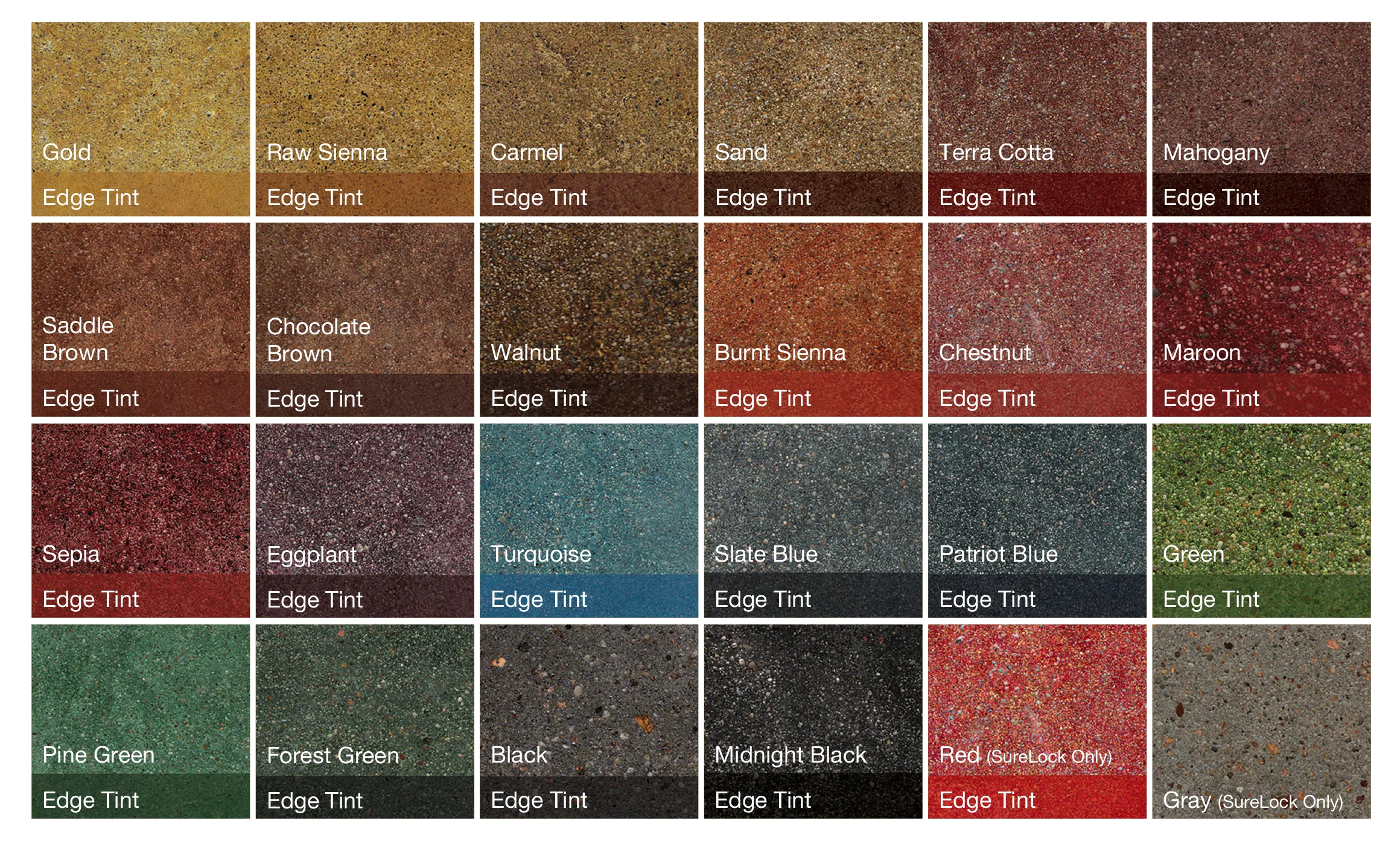
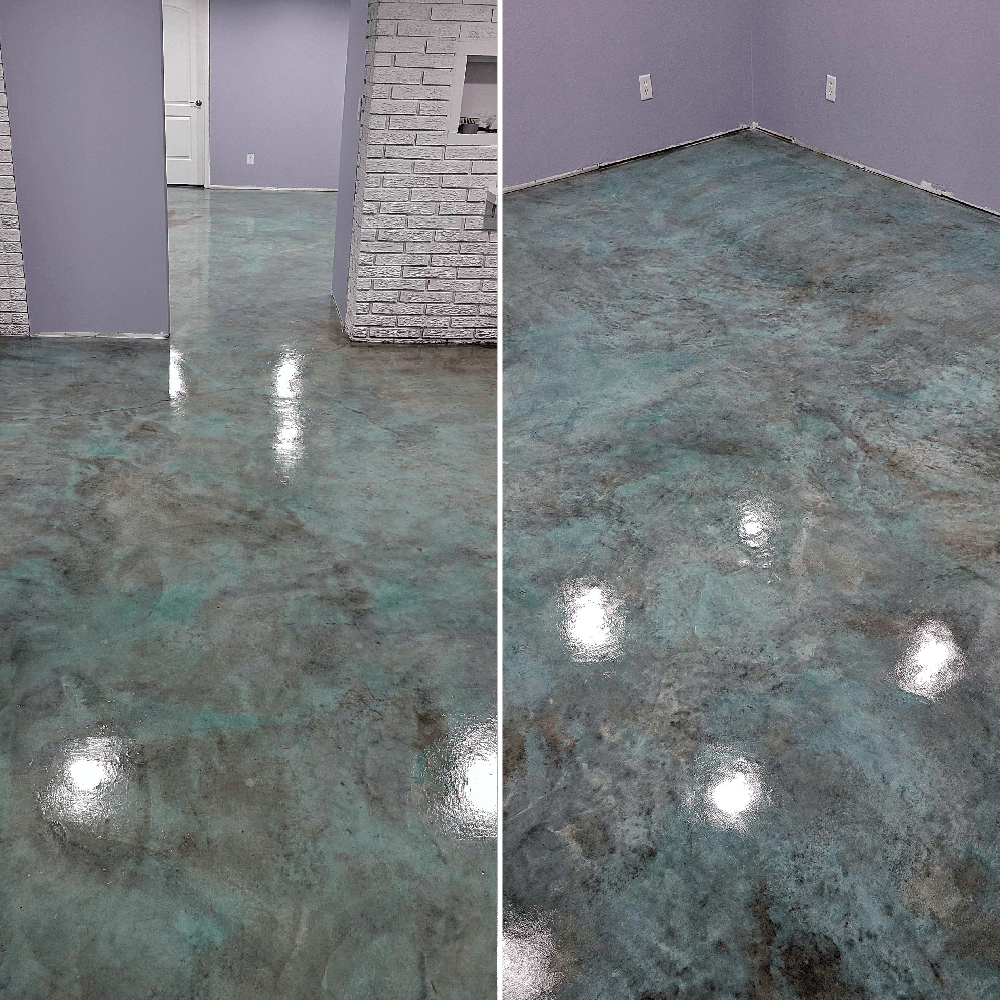
For my workshop area, I wanted something more durable than stains alone, so I explored epoxy color coatings that provide both color and a protective surface. The two-part epoxy system I chose came in a slate blue color that created a glossy, professional-looking finish that’s incredibly easy to clean and maintain. The epoxy coating completely transformed the utilitarian concrete into something that looks like high-end commercial flooring.
The epoxy application required perfect timing and weather conditions because the product has a limited working time once mixed. I had to work quickly but carefully to avoid lap marks and ensure even coverage across the entire floor surface. The learning curve was steep, and I made some mistakes on my first attempt that required sanding and reapplication in certain areas, but the final result was worth the extra effort and expense.
What I love most about the epoxy coating is how it stands up to heavy use and spills that would stain or damage other flooring options. In my workshop, I regularly drop tools, spill chemicals, and drag heavy equipment across the floor, but the epoxy surface cleans up easily and shows no permanent damage. The glossy finish also reflects light beautifully, making my basement workshop much brighter and more pleasant to work in than it was with plain concrete.

Integral Color Options During Pour
When I had a new concrete patio poured last year, I decided to explore integral color options that are mixed directly into the concrete before pouring rather than applied afterward. This method creates a color that goes completely through the concrete thickness, making it virtually impossible to wear off or fade over time. I chose a warm beige color that complements my house’s exterior and creates a seamless transition from indoor to outdoor spaces.
The integral color process required working closely with my concrete contractor to achieve the exact shade I wanted because the color can’t be adjusted once the concrete is poured. We created several test samples with different color ratios until we found the perfect match for my vision. The consistency of color throughout the thickness means that any chips or scratches that develop over time won’t reveal a different color underneath.
I was initially concerned that integral color would look too uniform and artificial, but the natural variations in concrete texture and the way light plays across the surface create subtle differences that look completely natural. The color has remained consistent for over a year despite exposure to weather, UV rays, and heavy use. While integral color costs more upfront than surface treatments, the durability and permanent nature make it worthwhile for high-traffic areas.
Decorative Techniques and Special Effects
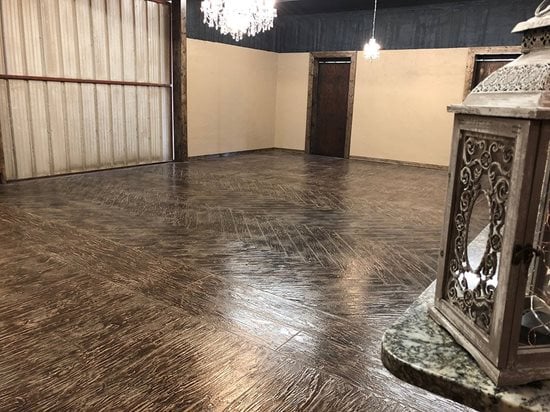
After mastering basic coloring techniques, I experimented with decorative effects in my home office’s concrete floors using multiple colors and specialized application methods. I created a faux leather texture using brown and tan acid stains applied in layers, then sealed with a matte finish that mimics the look of expensive leather flooring. The technique involved sponging different colors over a base coat to create realistic texture and depth.
Stenciling became my favorite way to add patterns and designs to colored concrete surfaces. I used metallic stains with geometric stencils to create accent borders and focal points that add visual interest without overwhelming the space. The key to successful stenciling is using the right adhesion for the stencil and applying thin, even coats to prevent bleeding under the edges that would blur the pattern.
I also tried a marbling technique using multiple acid stain colors applied simultaneously and manipulated while wet to create swirling patterns reminiscent of natural marble. This technique requires confidence and speed because you only get one chance to create the pattern before the stain begins to set. The results were stunning and unique, creating a floor that looks like expensive imported stone but costs a fraction of the price.

Long-Term Performance and Maintenance
After three years of living with various concrete floor coloring options throughout my home, I can honestly evaluate their long-term performance and maintenance requirements. The acid stains have held up exceptionally well, showing minimal wear even in high-traffic areas, though they do require periodic resealing to maintain their appearance and protection. The water-based stains have also performed well but show slightly more wear in areas with heavy foot traffic.
The epoxy coating in my workshop has been the most durable option, showing virtually no wear despite abuse that would destroy other flooring types. However, it does require occasional deep cleaning to maintain its glossy appearance, and any damage requires professional repair to blend properly with the existing surface. The integral colored patio has been completely maintenance-free aside from occasional power washing.
I’ve learned that proper preparation and quality sealers are crucial for long-term success with any colored concrete system. I reseal my stained floors annually with appropriate sealers for each system, which takes a weekend but keeps them looking like new. The investment in quality materials and proper maintenance has paid off with floors that still receive compliments from visitors who can’t believe they’re looking at concrete rather than expensive specialty flooring.

How do you choose between acid stains and water-based stains for concrete floors?
I use acid stains when I want natural variation and unique character, like in my basement, where the mottled brown looks like stone. Water-based stains work better when you want consistent, predictable color, like the uniform charcoal gray in my garage. Acid stains are trickier to apply but create more interesting results.
Can you change concrete floor colors if you don’t like the results?
Yes, but it depends on what you used originally. I successfully applied darker water-based stains over lighter ones, and you can always apply opaque coatings like epoxy over any previous treatment. However, going from dark to light usually requires grinding or chemical stripping, which is expensive and labor-intensive.
How long do colored concrete floors typically last before needing refinishing?
With proper sealing and maintenance, my stained concrete floors have looked great for three years with minimal touch-up. Acid stains can last 10-15 years, water-based stains 5-10 years, and epoxy coatings 5-7 years in residential settings. Regular resealing every 1-2 years significantly extends the life of any colored concrete system.
What’s the most cost-effective way to add color to existing concrete floors?
Water-based stains offer the best balance of cost and results for DIY application. I spent about $200 on materials to stain my 400 square foot garage versus $800+ for professional epoxy coating. Acid stains cost slightly more but last longer. The key is proper surface preparation regardless of which system you choose.
Can colored concrete floors work in living spaces or just basements and garages?
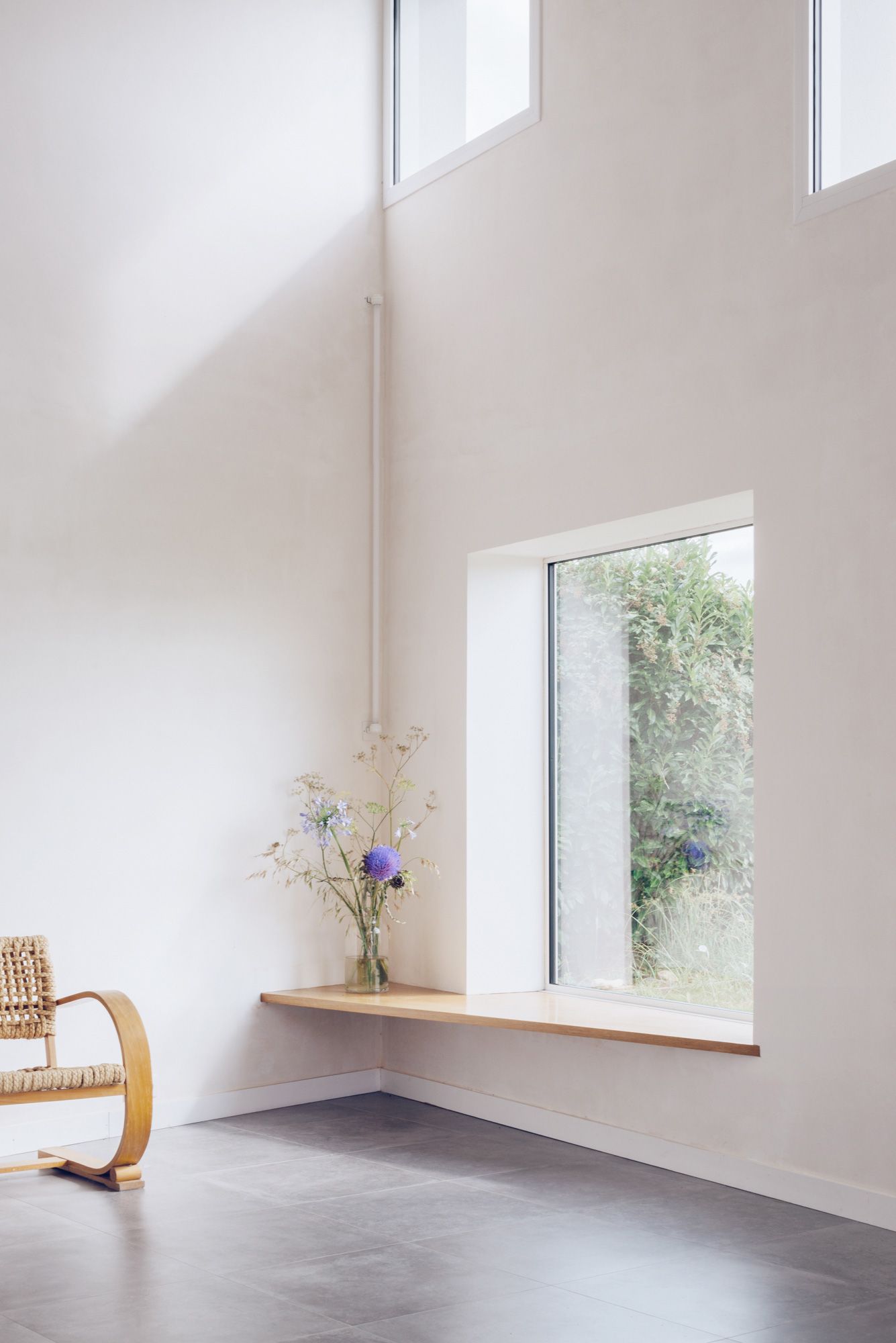
Absolutely! My home office has beautiful faux leather-textured concrete that guests always compliment. With proper coloring and sealing, concrete floors can look as elegant as any expensive flooring option. They’re especially great for modern, industrial, or southwestern design styles and work well with radiant heating systems.
What safety precautions are necessary when applying concrete stains and coatings?
Acid stains require serious safety gear, eye protection, gloves, and excellent ventilation because they’re caustic. Water-based stains are much safer but still need ventilation. Epoxy coatings require respirators due to fumes. I always work with garage doors open, wear proper protective equipment, and keep pets and family away during application.

Concrete Floor Paint Colors – Indoor Concrete kitchen floor

How to Stain Concrete [Simple DIY Guide] – ManMadeDIY
How to Acid Stain a Concrete Floor – Plank and Pillow

Concrete Floor Covering Options & Ideas
Styles of Stained Concrete Floors – Craftsman Concrete Floors
Related Posts: