When I was researching flooring options for my home office renovation two years ago, cork planks weren’t even on my radar until a friend mentioned how much she loved hers. I thought cork was just for bulletin boards and wine bottles, but after installing cork plank flooring throughout my office and bedroom, I’ve become a complete convert. The comfort, warmth, and unique character of cork flooring have exceeded every expectation, and I wish I’d discovered this amazing material years earlier during my previous renovations.
Understanding Cork Plank Construction and Quality
I quickly learned that not all cork planks are created equal, and understanding the construction makes a huge difference in performance and longevity. The cork planks I chose have a solid cork core with a photographic veneer layer on top, protected by multiple layers of polyurethane finish. This construction gives me the natural texture and warmth of cork while providing a durable surface that can handle daily wear from office chairs and foot traffic.
The quality difference between cheap and premium cork planks became apparent when I compared samples from different manufacturers. Higher-quality planks have thicker cork cores and better locking mechanisms that create tighter joints, while budget options often have thin cork layers over fiberboard cores that don’t provide the same comfort and insulation benefits. I invested in mid-range planks and have been thrilled with their performance over two years of use.
I was surprised to discover that cork planks come in various thicknesses, from 6mm up to 12mm, with thicker planks providing better sound insulation and underfoot comfort. For my home office, where I stand at my desk for hours, I chose 10mm planks that provide excellent cushioning for my feet and legs. The thickness also makes the floor feel substantial, unlike some thin flooring products that feel flimsy when you walk on them.
Installation Process and DIY Considerations
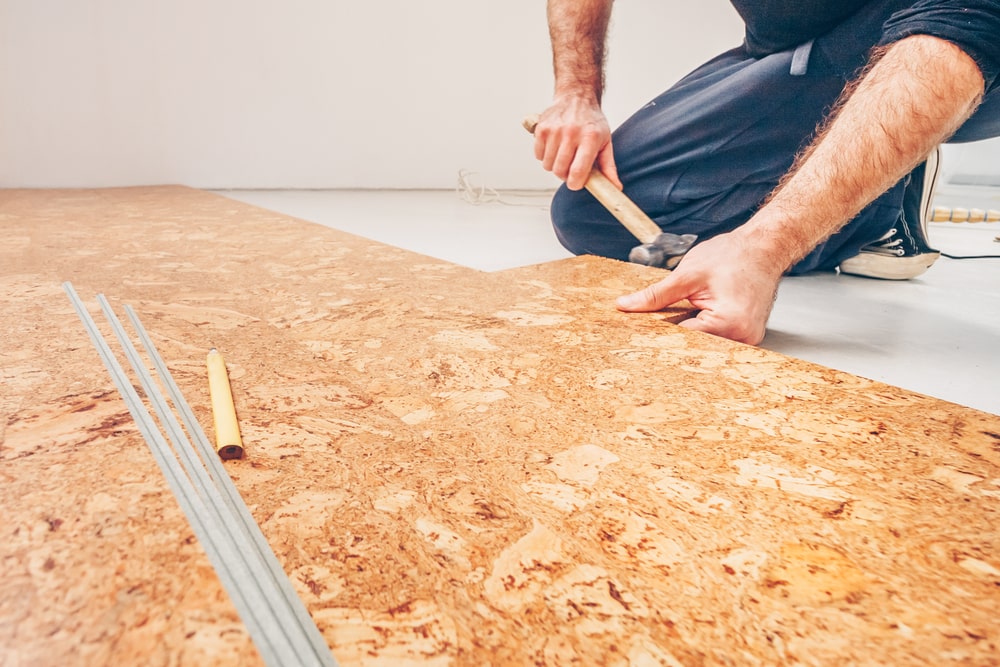
Installing cork planks turned out to be much easier than traditional hardwood, thanks to the click-lock installation system that doesn’t require nails or glue. The planks fit together like a puzzle, and I was able to install my entire 150-square-foot office in one weekend using basic tools. The lightweight nature of cork made handling and positioning the planks effortless, even when working alone in tight spaces around furniture.
The most challenging aspect of installation was ensuring the subfloor was perfectly level and clean, because cork is more forgiving than hardwood but still requires proper preparation. I spent considerable time checking for squeaks, protruding nails, and uneven spots that could telegraph through the cork surface. The extra preparation time paid off with a smooth, quiet floor that has no issues with loose planks or squeaking after two years of use.
I discovered that cork planks need to acclimate in your home for at least 48 hours before installation, similar to hardwood flooring. This acclimation period allows the cork to adjust to your home’s temperature and humidity levels, preventing expansion and contraction issues after installation. I learned this the hard way when I tried to install planks immediately after delivery, resulting in some gaps that appeared later as the cork adjusted to my home’s conditions.
Comfort and Performance Benefits
The comfort difference between cork and traditional hardwood became immediately apparent when I started working in my cork-floored office. Standing at my desk for hours is no longer uncomfortable because cork’s natural cushioning properties reduce fatigue in my feet, legs, and lower back. The material compresses slightly under pressure but bounces back immediately, providing constant support that hard surfaces simply can’t match.
The thermal properties of cork have been a pleasant surprise throughout different seasons. In winter, the floor feels warm underfoot even without heating, while in summer it stays cool and comfortable. This natural insulation has reduced my energy costs because the room maintains temperature more efficiently than when I had cold tile flooring. The cork also provides excellent sound insulation, making my office much quieter for video calls and concentration.
Cork’s antimicrobial properties became important when my cat had an accident on the office floor. Unlike hardwood, which can absorb odors and stains, the cork surface cleaned completely with no lingering smells or discoloration. I’ve also noticed that dust and allergens don’t seem to accumulate on cork surfaces the way they do on other flooring types, which has been beneficial for my family members who have allergies.
Maintenance and Cleaning Requirements
Maintaining cork plank flooring has been surprisingly simple, requiring less effort than the hardwood floors in the rest of my house. Daily maintenance involves sweeping or vacuuming to remove dirt and debris that could scratch the polyurethane finish over time. For deeper cleaning, I use a damp mop with a pH-neutral cleaner specifically designed for cork floors, and the surface dries quickly without water spots or streaking.
I was initially concerned about water damage, but properly finished cork planks handle spills well as long as they’re cleaned up promptly. I’ve spilled coffee, water, and various liquids on my cork floors without any permanent damage, though I always wipe up spills immediately to prevent any possibility of seepage between planks. The polyurethane finish provides excellent protection against moisture when maintained properly.
The finish on my cork floors has held up remarkably well with minimal maintenance beyond regular cleaning. I apply a cork-specific floor polish every six months to maintain the protective coating and restore the original luster. This process takes about an hour and keeps the floors looking like new. Unlike hardwood that may need refinishing every few years, properly maintained cork floors can go much longer between major maintenance procedures.

Style Options and Aesthetic Considerations
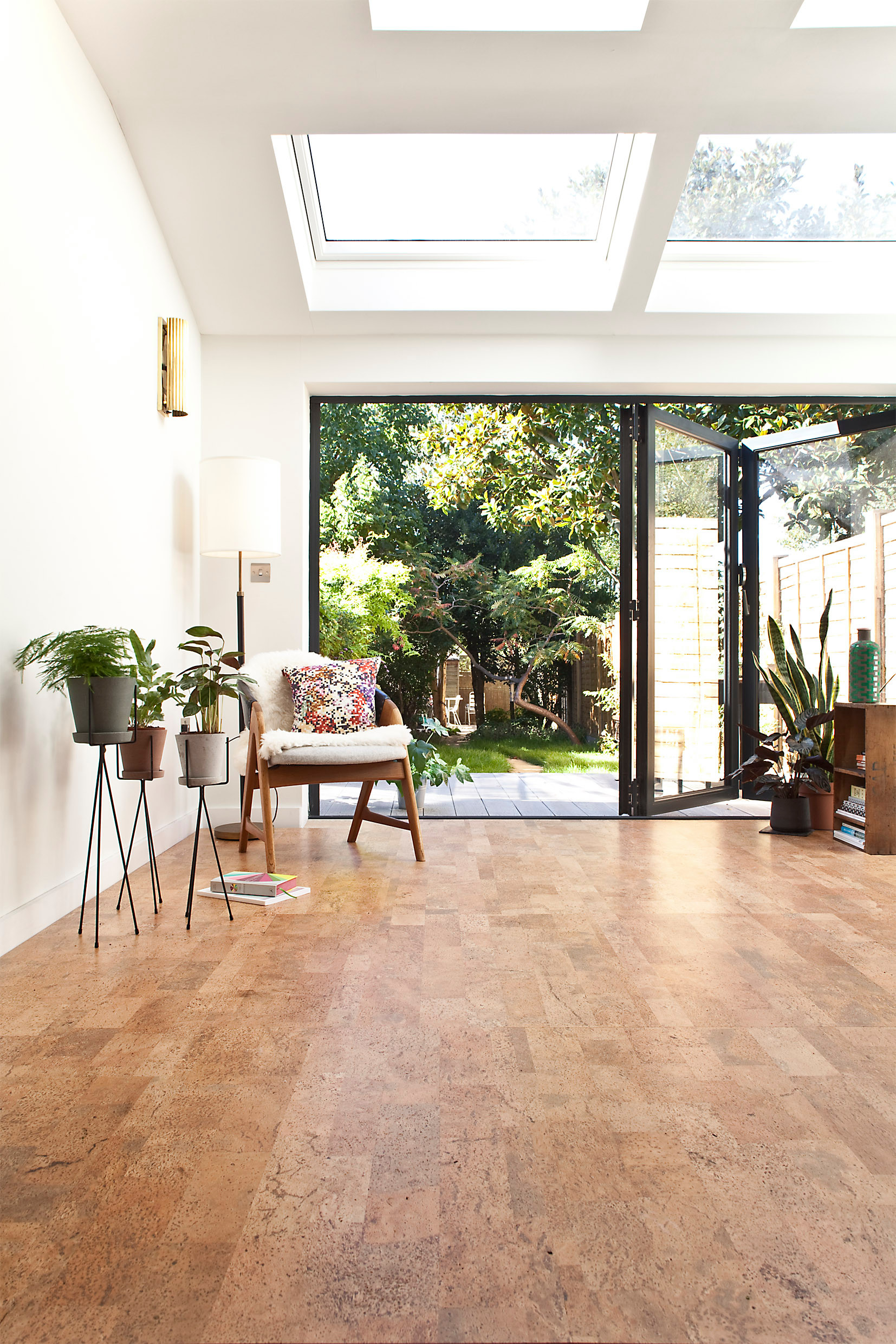
I was amazed by the variety of cork plank styles available, from traditional cork textures to options that mimic hardwood, stone, and even exotic materials. The planks I chose have a natural cork appearance with subtle color variations that create visual interest without being overwhelming. The organic patterns in cork ensure that no two planks look identical, giving my floor a unique, natural character that I find much more appealing than uniform manufactured flooring.
The color options for cork planks range from light natural tones to rich, dark browns achieved through different processing techniques. I chose a medium-toned natural cork that complements both warm and cool color schemes, making it easy to change my office decor without worrying about flooring coordination. The neutral appearance works well with my existing furniture and has proven versatile as I’ve updated other elements in the room.
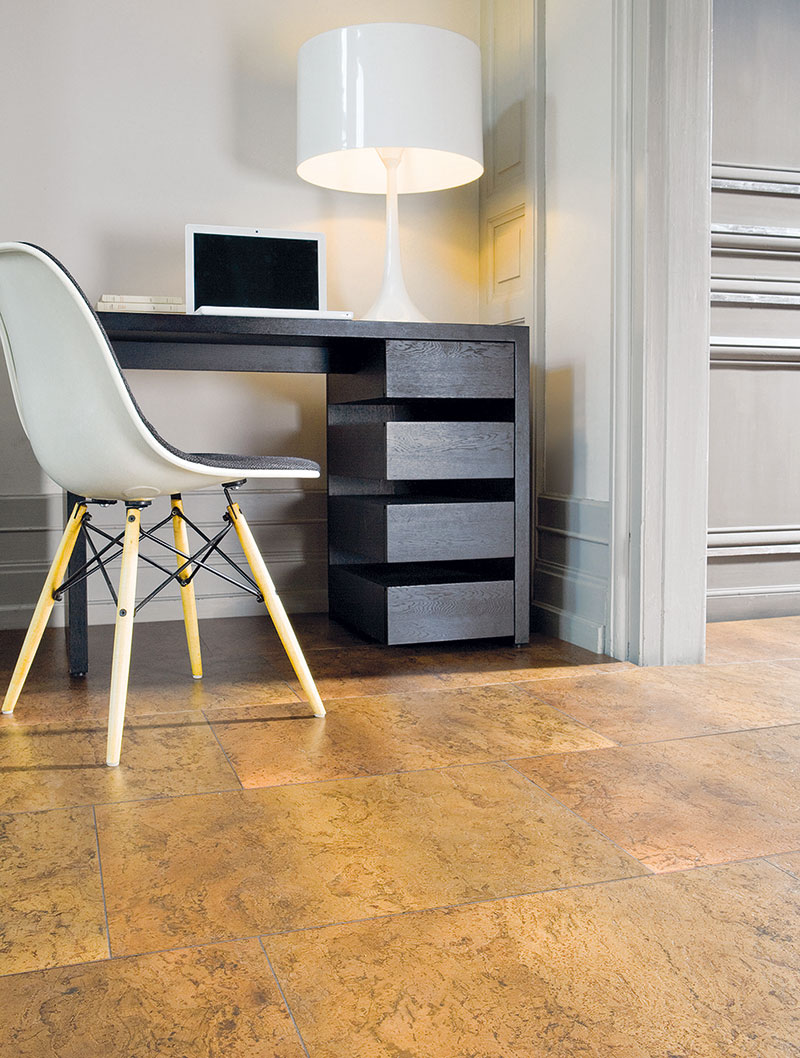
Cork’s unique texture adds visual and tactile interest that distinguishes it from smooth hardwood or laminate flooring. The surface has a subtle grain pattern that plays with light throughout the day, creating depth and warmth that makes the space feel inviting and comfortable. Guests always comment on the interesting appearance and ask about the flooring material, often surprised to learn it’s cork rather than an exotic hardwood.

Long-Term Performance and Value
After two years of daily use in my home office, my cork plank floors still look and feel like new despite heavy traffic from rolling office chairs and constant foot traffic. The natural resilience of cork means that small dents from dropped items bounce back over time rather than leaving permanent marks like hardwood would. This recovery property has proven invaluable in maintaining the floor’s appearance with minimal maintenance.
The investment in cork flooring has proven worthwhile from both comfort and cost perspectives. While the initial material cost was comparable to mid-range hardwood, the DIY installation saved me significant money on labor costs. The ongoing maintenance costs are minimal, and the durability suggests these floors will last many years without needing replacement, making the cost-per-year very reasonable.
I’m so satisfied with my cork floors that I’m planning to install them in my bedroom during my next renovation project. The comfort, warmth, and unique appearance have made cork my preferred flooring choice, and I can’t imagine going back to traditional hardwood after experiencing the benefits of this remarkable natural material. The combination of sustainability, performance, and aesthetics makes cork flooring an ideal choice for anyone seeking something different from standard flooring options.
How does cork plank flooring hold up to pets and children in busy households?
Surprisingly well! My cat’s claws don’t damage the surface like they would hardwood, and the natural antimicrobial properties help with accidents. Kids love the soft surface for playing, and dropped toys don’t leave dents. The cushioning also makes it safer when kids fall, reducing injury risk compared to hard surfaces.
Is cork flooring suitable for kitchens and bathrooms with moisture exposure?
I wouldn’t recommend standard cork planks in full bathrooms, but they work fine in powder rooms and kitchens with proper sealing. The key is immediate spill cleanup and ensuring the polyurethane finish remains intact. Some manufacturers make specific moisture-resistant cork products for wet areas that perform better.

How much does cork plank flooring typically cost compared to hardwood options?
I paid about $4-6 per square foot for quality cork planks, similar to mid-range hardwood. However, the easy DIY installation saves hundreds in labor costs that hardwood typically requires. When factoring in installation, cork becomes very competitive with traditional flooring options while offering unique benefits.
Can you refinish cork plank floors like traditional hardwood when they wear out?
Most cork planks have thin veneer layers that can’t be sanded and refinished like solid hardwood. However, they can often be recoated with polyurethane to refresh the finish. The good news is that cork’s natural resilience means it shows wear much less than hardwood, so refinishing is rarely necessary.

What’s the biggest advantage of cork flooring that most people don’t realize?
The comfort factor is incredible and unexpected. Standing or walking on cork reduces fatigue significantly compared to hard surfaces. I notice the difference immediately when I step from my cork office floor onto the hardwood in other rooms. It’s like having built-in cushioning that never compresses permanently.
Does cork flooring have any environmental benefits compared to traditional wood floors?
Yes! Cork is harvested from tree bark without killing the tree, making it highly renewable. The trees live longer when harvested properly. My cork floors also provide excellent insulation, reducing energy costs. Plus, cork is naturally antimicrobial and doesn’t require harsh chemical treatments during manufacturing.

Related Posts: