When I first heard about cork flooring tiles, I immediately thought of wine bottles and bulletin boards. The idea of walking on cork seemed strange, maybe even squeaky. But after three years of living with cork floors in my home, I can tell you they’ve been one of my best renovation decisions. From the moment I stepped barefoot on that first installed section, I knew I’d discovered something special. Cork flooring has transformed not just how my rooms look, but how they feel. Let me share my journey with cork tiles and why they might be the perfect natural flooring solution you never considered.
Discovering Cork: Why I Made the Switch from Traditional Flooring
My journey began when I was researching eco-friendly alternatives to hardwood. I wanted something sustainable but didn’t want to sacrifice style or comfort. Cork caught my attention because it’s harvested without cutting down trees; the bark regenerates naturally every nine years. This environmental aspect really appealed to my conscience as I planned my renovation.
What surprised me most during my research was learning about cork’s natural properties. It’s antimicrobial, naturally resistant to mold and mildew, and has amazing thermal insulation qualities. These weren’t just marketing claims, I discovered these benefits firsthand. My cork floors stay comfortable year-round, never feeling cold on winter mornings like my old ceramic tiles did.
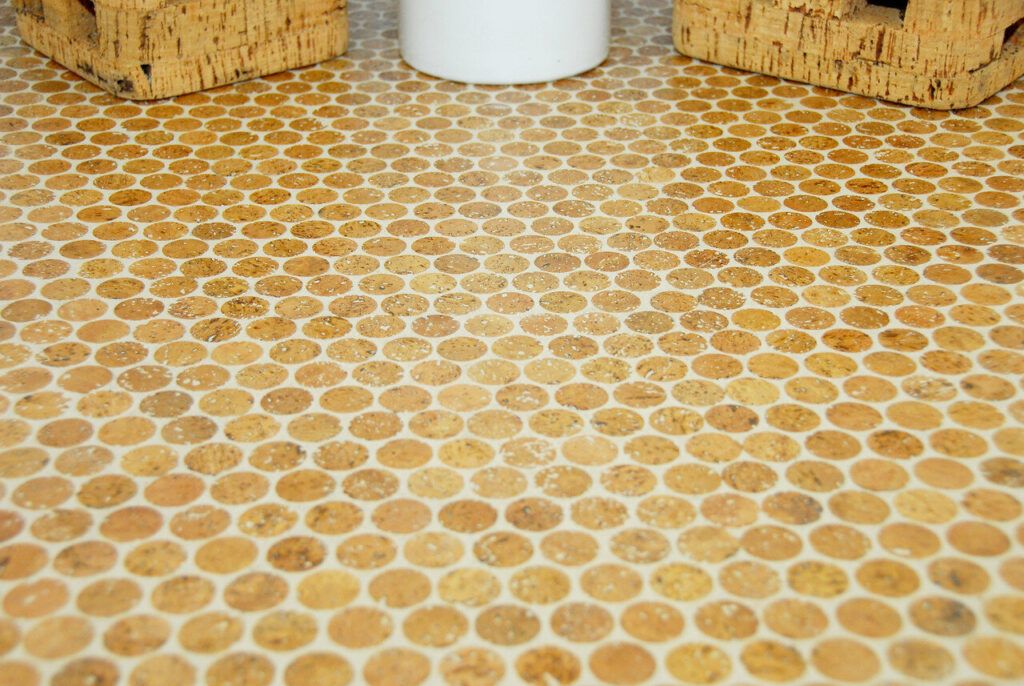
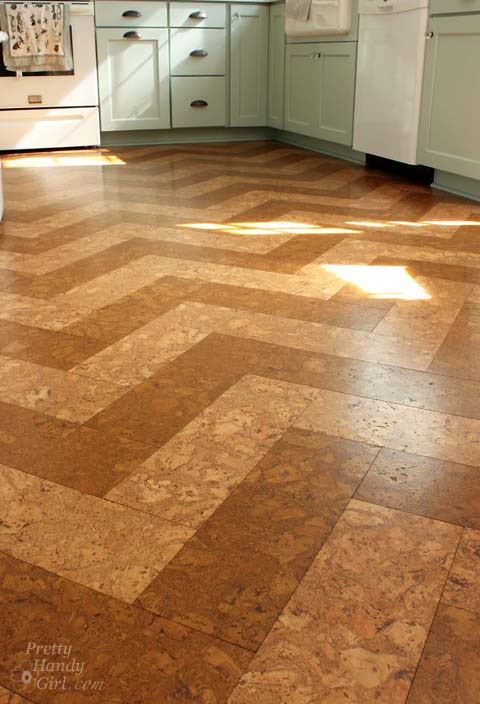
The variety of styles available completely changed my preconceptions about cork’s appearance. I found options that looked like traditional hardwood, stone patterns, and even modern geometric designs. The natural grain and texture of cork create beautiful, unique patterns that no two tiles are exactly alike. This organic variation gives my floors a character that manufactured materials simply can’t replicate.
Installation Experience: Lessons Learned from My DIY Adventure
I decided to tackle the installation myself, thinking it would be straightforward. Cork tiles are generally easier to install than hardwood, but I learned some valuable lessons along the way. The most important thing I discovered was the critical importance of letting the tiles acclimate to my home’s temperature and humidity for at least 48 hours before installation.
My biggest mistake was rushing the subfloor preparation. Cork is forgiving, but it still needs a level, clean surface to perform its best. I had to redo a section where I’d ignored a slight dip in the subfloor. The tiles telegraphed the imperfection, creating an obvious low spot that bothered me every time I walked over it. Taking time to properly prepare saved me headaches later.
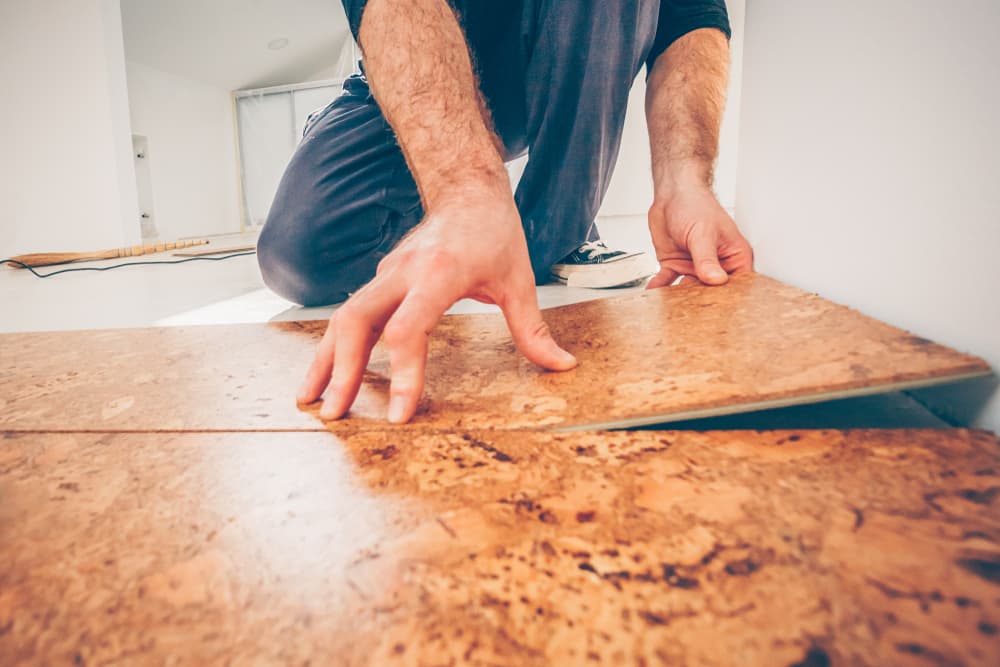
The actual installation process was more enjoyable than I expected. Cork tiles can be installed as floating floors, glued down, or even clicked together, depending on the type you choose. I went with a floating floor system using cork underlayment, which provided extra cushioning and sound dampening. The whole project took me a long weekend, working at a comfortable pace.
Daily Living: How Cork Feels Under Real Life Conditions
Living with cork flooring daily has taught me about its unique characteristics. The first thing everyone notices when they visit is how comfortable it feels underfoot. Cork has natural cushioning properties that reduce fatigue when standing for long periods. This became especially apparent when I’m cooking or doing dishes, my feet and legs feel much less tired than on my previous hard surfaces.
The temperature regulation has been remarkable. Cork naturally insulates, so my floors stay comfortable in both summer and winter. During hot months, they never feel burning hot like some materials do in direct sunlight. In winter, they maintain a pleasant temperature that doesn’t shock my bare feet. This comfort extends to sound dampening too; footsteps are much quieter than on hard surfaces.
Maintenance has been easier than I anticipated. Daily cleaning requires just sweeping or vacuuming to remove dirt and debris. For deeper cleaning, I use a damp mop with a pH-neutral cleaner specifically designed for cork floors. The key is avoiding excessive moisture and harsh chemicals that could damage the protective finish. I’ve developed a simple routine that keeps them looking great with minimal effort.
Durability Reality: Three Years of Wear and Performance
When I chose cork flooring, durability was my biggest concern. I worried about dents from furniture, scratches from my dog’s nails, and general wear from daily traffic. After three years of real life, I can share honest observations about how cork holds up. The natural resilience of cork surprised me; it bounces back from minor impacts better than I expected.
I have experienced some surface scratches, particularly in high-traffic areas near the entrance. However, these are much less noticeable on cork than they would be on hardwood because of the natural grain pattern. Small dents from dropped objects have mostly disappeared on their own as the cork slowly returns to its original shape. This self-healing quality is one of cork’s most impressive features.
The protective finish on my tiles has held up well with proper care. I reapplied a protective coating after two years, as recommended by the manufacturer. This simple maintenance step restored the original luster and added years of protection. The investment in quality cork tiles and proper finishing products has paid off in long-term performance and appearance.

Style and Design: Making Cork Work in Modern Spaces
Integrating cork flooring into my home’s design aesthetic required some thoughtful planning. I initially worried that cork would look too rustic or casual for my contemporary style preferences. However, I found that cork’s natural warmth softened the harder edges of my modern furniture and created a more inviting atmosphere than I’d achieved with previous flooring choices.
Color coordination was easier than expected. Cork’s natural honey and tan tones complement a wide range of color palettes. I chose a medium-tone cork that bridges warm and cool colors in my decor. The subtle variations in each tile add visual interest without being distracting. This organic pattern works beautifully with both solid-colored and patterned furnishings.
Texture plays a huge role in how cork integrates with your overall design. I selected tiles with a smooth, sealed surface that feels refined rather than rough or unfinished. Some cork options have a more pronounced texture that can add rustic charm to appropriate spaces. The key is matching the cork’s texture and finish to your desired aesthetic while considering practical needs for your specific rooms.

Environmental and Health Benefits: Why Cork Makes Sense
Choosing cork flooring aligned perfectly with my environmental values. Cork is harvested from the bark of cork oak trees without harming the tree, making it one of the most sustainable flooring options available. The trees benefit from regular harvesting, and cork forests support diverse ecosystems. Knowing my floors contribute to forest conservation rather than deforestation feels good every day.
The health benefits became apparent soon after installation. Cork naturally resists allergens, dust mites, and bacterial growth. My seasonal allergies have been noticeably better since installing cork floors throughout my main living areas. The antimicrobial properties mean I’m not introducing harsh chemical treatments into my home environment to maintain cleanliness and freshness.
Air quality improvements were an unexpected bonus. Cork doesn’t off-gas harmful chemicals as some synthetic flooring materials can. The natural cellular structure of cork also helps regulate humidity levels in rooms, contributing to a more comfortable indoor environment. These health benefits, combined with the environmental advantages, make cork an investment in both my family’s well-being and the planet’s future.

How does cork flooring hold up with pets and children?
My dog and frequent young visitors have put my cork floors through plenty of tests. Pet nails can scratch the surface, but it’s less noticeable than on hardwood due to cork’s natural patterns. Spills clean up easily, and the antimicrobial properties resist odors. Kids love how soft it feels for playing on the floor, and I appreciate how easy it is to clean up their inevitable messes.
Is cork flooring suitable for kitchens and bathrooms?
I installed cork in my kitchen and powder room with great results. The key is choosing properly sealed tiles and maintaining them correctly. Cork naturally resists moisture better than hardwood, but it’s not completely waterproof like tile. In bathrooms, I’d recommend it for powder rooms but not full baths with showers unless you’re very diligent about water management and ventilation.

How much does cork flooring cost compared to other options?
Cork falls into the mid-range pricing category. I paid more than laminate or basic vinyl but less than solid hardwood or natural stone. When I factor in the longevity, comfort benefits, and environmental advantages, the value proposition is excellent. Installation costs are reasonable if you’re handy with DIY projects, which helps keep the total investment manageable.
Can cork flooring be refinished if it gets damaged?
Yes, and this is one of cork’s great advantages! Surface scratches and minor damage can often be sanded and refinished just like hardwood. I haven’t needed major refinishing yet, but knowing the option exists gives me peace of mind. Small scratches can sometimes be repaired with matching cork filler or even just buffed out, depending on the severity and finish type.
Does cork flooring feel warm in winter without radiant heating?
Absolutely! This was one of my favorite discoveries. Cork’s natural insulation properties keep it comfortable year-round without additional heating systems. My feet never get that shock of cold flooring on winter mornings. The cellular structure of cork traps air, providing natural thermal insulation that makes rooms feel cozy and warm underfoot regardless of the season.
How long does cork flooring typically last in a home setting?
With proper care, quality cork flooring can last 20-30 years or more. Mine still looks great after three years of heavy use. The key is choosing good quality tiles, maintaining the protective finish, and following proper cleaning procedures. The natural resilience of cork means it ages gracefully, developing character rather than just showing wear like some other materials might.
Related Posts: