When I started planning my home renovation three years ago, I knew I wanted something that would make a statement while standing the test of time. After months of research and showroom visits, I settled on teak hardwood flooring, and I can honestly say it’s been one of the best decisions I’ve made for my home. The rich, golden-brown tones and distinctive grain patterns have transformed every room, creating a warm, luxurious atmosphere that never fails to impress guests and makes me smile every time I walk through my front door.
The Natural Beauty That Won Me Over
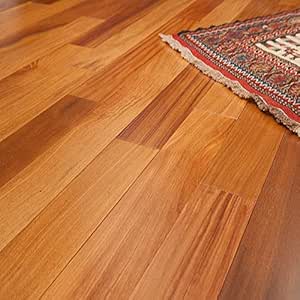
The first time I saw teak flooring in person, I was completely captivated by its natural elegance. The wood has this incredible ability to display a spectrum of colors, from light honey tones to deeper chocolate browns, often within the same plank. I remember running my hands across the sample boards, feeling the smooth texture and admiring how the grain seemed to tell its own unique story. What sold me was how the color seemed to shift and dance depending on the lighting throughout the day.
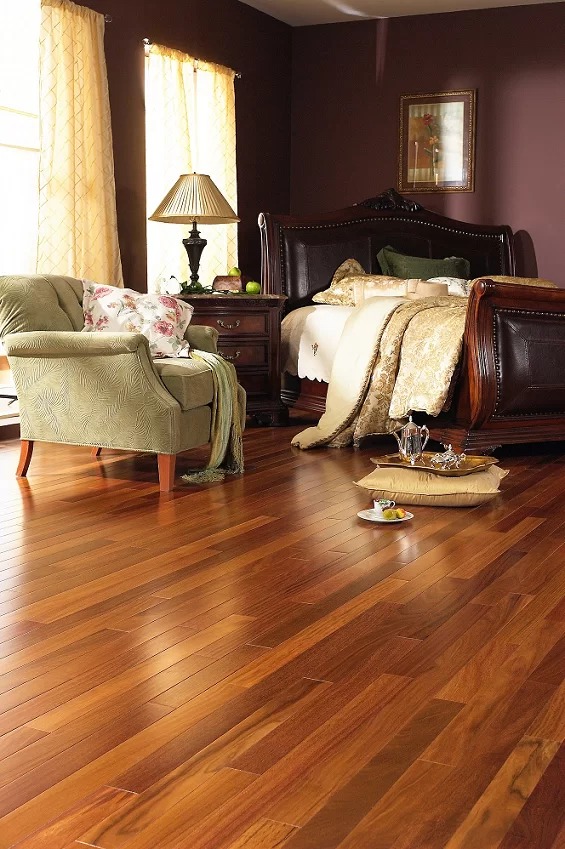
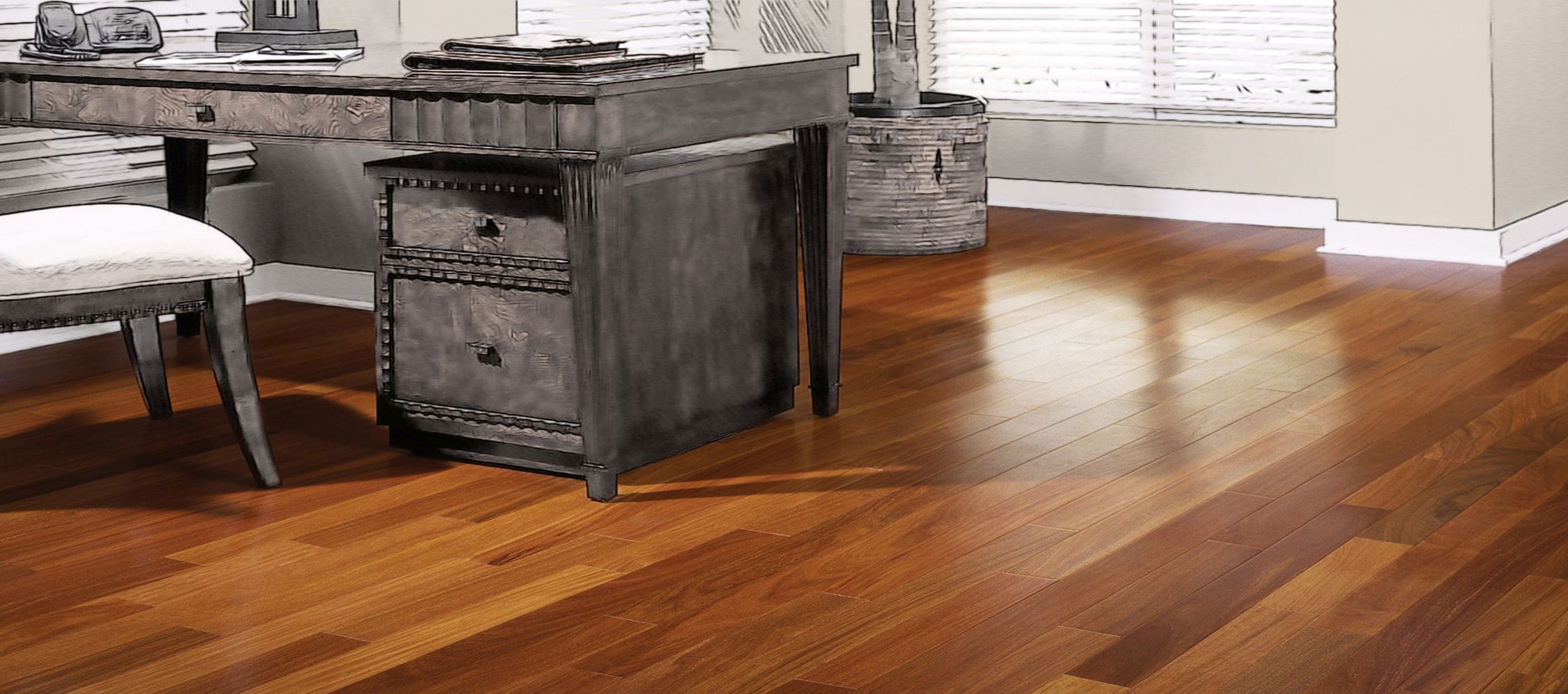
I’ve noticed that my teak floors have this amazing three-dimensional quality that you just don’t get with other hardwoods. The natural oils in the wood create subtle variations in sheen and color that make each board distinctive. When sunlight streams through my living room windows in the afternoon, the floors practically glow with warmth. Even in artificial light, the rich undertones come through beautifully, creating an ambiance that feels both sophisticated and cozy.
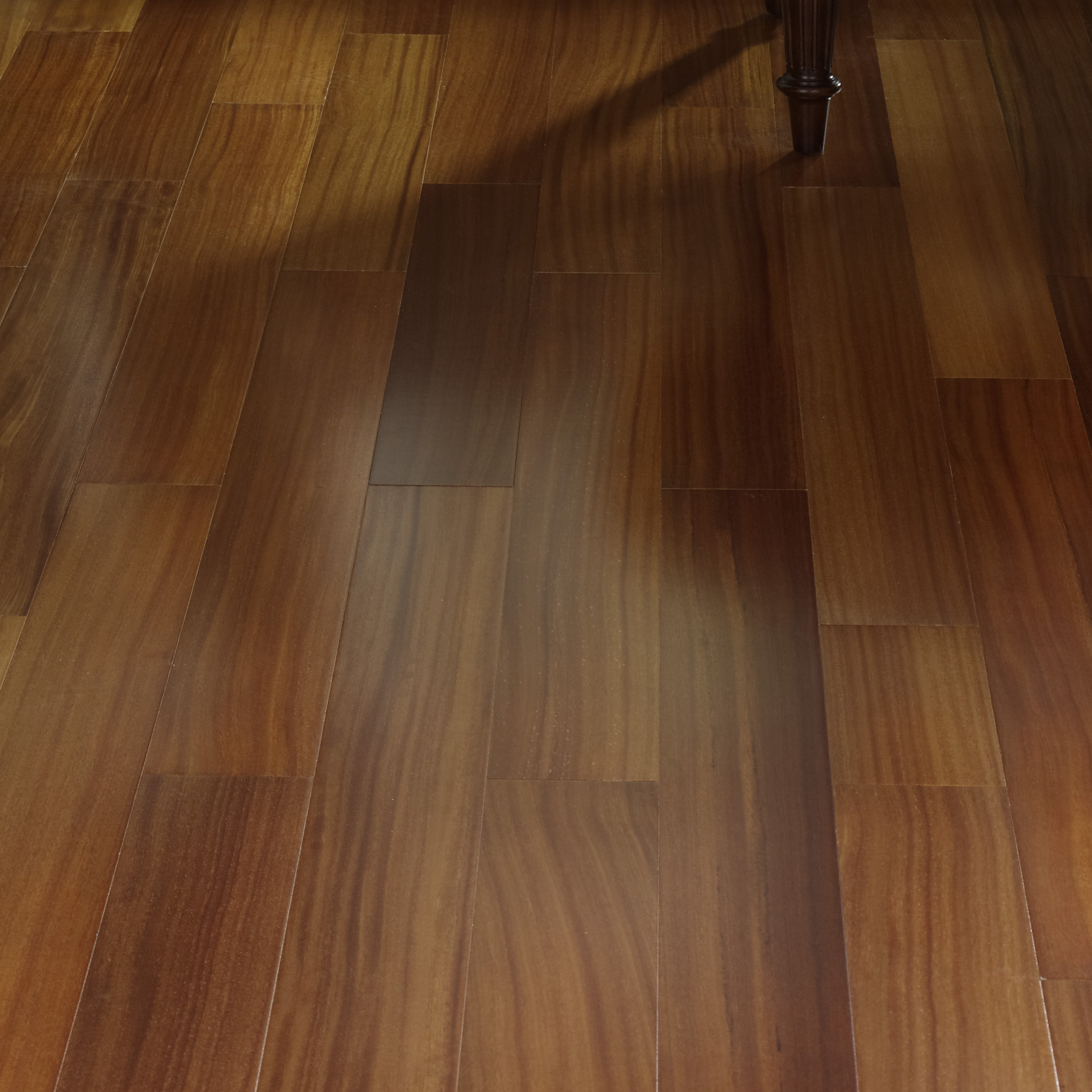
The grain patterns in teak are mesmerizing, and I find myself discovering new details even after three years. Some boards have straight, clean lines, while others feature more dramatic swirls and curves. This natural variation means that my floors never look monotonous or boring. Instead, they create visual interest that complements both my traditional and contemporary furniture pieces perfectly.
Durability That Justified the Investment
When I was comparing flooring options, durability was a major concern since I have two large dogs and frequently host family gatherings. Teak’s reputation for being incredibly hard and resistant to wear convinced me it was worth the higher upfront cost. I’ve been amazed at how well my floors have held up to daily life, including muddy paw prints, dropped kitchen utensils, and furniture being moved around during my periodic redecorating phases.
The natural oils in teak make it naturally resistant to moisture and insects, which was particularly important for my kitchen and bathroom installations. I’ve had a few minor spills over the years, including a whole pot of coffee that I accidentally knocked over during a rushed morning. Each time, I’ve been relieved to find that a quick cleanup prevented any staining or warping. The floors have maintained their structural integrity beautifully, with no signs of cupping or buckling that I’ve seen in friends’ homes with other wood types.
What impressed me most was discovering that teak becomes more beautiful with age. Rather than showing wear patterns that detract from its appearance, my floors have developed a subtle patina that enhances their character. The high-traffic areas in my hallways and kitchen don’t look worn out; they look seasoned and sophisticated. This aging process has given my home a timeless quality that I love.
Installation Challenges I Wish I’d Known About
Installing teak flooring wasn’t quite as straightforward as I initially expected, and I learned some valuable lessons along the way. The density of teak makes it more challenging to work with than softer hardwoods, requiring specialized tools and techniques. My contractor had to use carbide-tipped saw blades and take extra care with pre-drilling to prevent splitting. I’m glad I invested in professional installation rather than attempting a DIY project, especially for the intricate cuts around my kitchen island and bathroom fixtures.
The acclimation period for teak is crucial, something I didn’t fully appreciate until my contractor explained it to me. The planks needed to sit in my home for over a week to adjust to the humidity levels before installation could begin. This meant coordinating the delivery timing carefully with my overall renovation schedule. I also learned that teak’s natural oils can interfere with certain adhesives and finishes, so using compatible products was essential for a successful installation.
One surprise was how much the installation process affected the air quality in my home temporarily. The natural oils in teak create a distinctive smell during cutting and sanding that some people find overwhelming. I had to plan to stay elsewhere for a couple of days while the work was completed and the house aired out. While this was an inconvenience, the smell dissipated completely once the installation was finished, and now I only notice the pleasant, subtle woody aroma that teak naturally maintains.
Maintenance Routines That Keep My Floors Stunning
Maintaining teak floors has been much easier than I anticipated, though it does require a slightly different approach than other hardwoods. I’ve developed a simple daily routine of sweeping with a microfiber dust mop to remove dirt and debris before it can scratch the surface. For weekly cleaning, I use a barely damp mop with a pH-neutral cleaner specifically designed for hardwood floors. The key is using very little moisture since teak’s natural oils mean it doesn’t need as much hydration as other wood types.
I’ve learned that over-cleaning can be counterproductive with teak floors. The natural oils that make teak so durable also mean that aggressive cleaning products can strip away these protective elements. I made this mistake early on by using a general-purpose floor cleaner that left my floors looking dull and lifeless. Switching to a gentle, wood-specific cleaner brought back their natural luster within just a few treatments.
The refinishing schedule for teak is much more forgiving than I expected. While other hardwoods might need refinishing every five to seven years, my contractor told me that quality teak floors can go fifteen years or more before needing attention. I do apply a light coat of appropriate wood conditioner annually, which takes about half a day and helps maintain the wood’s natural moisture balance. This minimal maintenance requirement has been a huge advantage, especially compared to friends who seem to be constantly dealing with floor care issues.

Cost Considerations and Long-Term Value
I won’t lie, teak flooring required a significant upfront investment that made me pause and recalculate my renovation budget more than once. The material costs were roughly double what I would have paid for oak or maple, and the specialized installation added to the expense. However, when I calculated the cost per year over the expected lifespan of the floors, the numbers became much more reasonable. I’ve also noticed that my home’s resale value has increased substantially, which helps justify the initial expense.
The long-term savings have been impressive when I consider maintenance and replacement costs. Friends with softer hardwoods have already paid for refinishing services, while my teak floors still look virtually new. I haven’t needed to replace any boards due to damage, and the minimal maintenance requirements have saved both time and money. When I factor in these ongoing savings, the premium I paid for teak doesn’t seem nearly as steep as it did initially.
I’ve also discovered some unexpected financial benefits, like lower insurance premiums due to teak’s natural resistance to moisture damage and insects. My insurance agent explained that homes with high-quality, durable flooring materials are considered lower risk for certain types of claims. Additionally, the timeless appeal of teak means I haven’t felt the need to update or replace my floors to keep up with changing trends, unlike friends who’ve gone through multiple flooring changes over the same period.
How Teak Transformed My Living Spaces
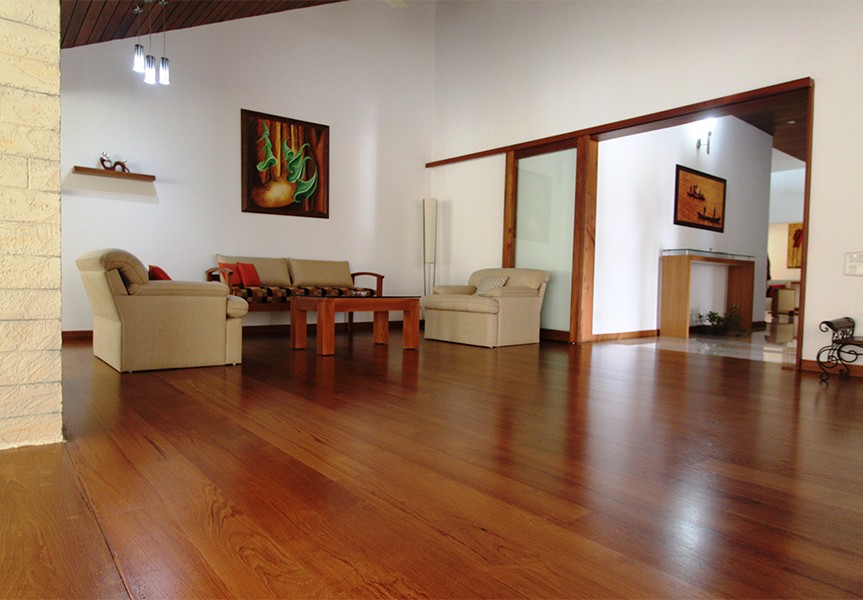
The impact of teak flooring on my home’s overall aesthetic has exceeded every expectation I had. The warm, rich tones have created a cohesive flow throughout my open floor plan that ties together different functional areas beautifully. My kitchen, living room, and dining area now feel like one harmonious space rather than separate rooms. The natural variation in the wood grain adds texture and visual interest that complements both my neutral wall colors and my collection of colorful artwork.
I’ve been amazed at how versatile teak flooring is when it comes to decorating and furniture choices. The warm undertones work beautifully with both cool and warm color palettes, making it easy to change my decor seasonally or when I get tired of certain pieces. My contemporary furniture looks sleek and modern against the teak, while my vintage pieces appear warm and inviting. This flexibility has given me much more freedom in my decorating choices than I anticipated.
The acoustic properties of teak have been an unexpected bonus in my home. The dense wood naturally dampens sound, making my house feel quieter and more peaceful. I’ve noticed this particularly in my bedroom, where the footsteps from the hallway that used to wake me up are now barely audible. The improved sound quality has enhanced my overall comfort and enjoyment of my living spaces in ways I never considered when making my flooring decision.

How does teak flooring handle moisture compared to other hardwoods?
I’ve been pleasantly surprised by how well my teak floors handle moisture. The natural oils make them much more resistant to water damage than traditional hardwoods. I’ve had several spills over the years, and quick cleanup has always prevented any issues. Even in my bathroom, where humidity levels fluctuate, the floors have remained stable and beautiful.
Is teak flooring worth the higher initial cost?
For me, absolutely yes. While the upfront investment was significant, the durability and minimal maintenance requirements have made it cost-effective over time. My floors still look new after three years with heavy use, and I expect them to last decades without needing replacement. The increased home value has also been substantial.

How difficult is it to match teak flooring if I need repairs?
This was one of my concerns initially, but I’ve found that teak’s natural variation works in your favor. The wood’s diverse grain patterns and color variations make it easier to blend new pieces seamlessly. I kept several spare planks from installation, and they’ve aged naturally alongside my floors.
Can I install teak flooring myself, or do I need professionals?
I strongly recommend professional installation. Teak’s density requires specialized tools and techniques that most DIY enthusiasts don’t have. The cutting, fitting, and finishing processes are more complex than with softer woods. The investment in professional installation has been worth it for the flawless results I achieved.
How does teak flooring perform with pets and children?
My two large dogs and frequent young visitors have put my teak floors to the test, and they’ve performed excellently. The hard surface resists scratches from claws and dropped toys. Cleanup of pet accidents and spills has been easy, and the durability means I don’t worry about normal wear and tear from active family life.
What’s the best cleaning routine for teak floors?
I keep it simple: daily sweeping with a microfiber dust mop and weekly cleaning with a barely damp mop using wood-specific cleaner. The key is minimal moisture and gentle products. I avoid harsh chemicals and over-cleaning, which can strip the natural oils. An annual application of wood conditioner keeps them looking their best.

Brazilian Teak SF Engineered Hardwood Free Shipping Final Sale

Brazilian Teak Natural – Boardwalk Hardwood Floors
The Pros & Cons Of Teak Flooring In Your Home
Related Posts: