After installing hardwood floors in seven homes over the past fifteen years, I’ve learned that durability depends on far more than just choosing expensive wood species. My first installation failed within three years due to poor species selection and inadequate finishing, teaching me expensive lessons about moisture, traffic patterns, and maintenance requirements. Through trial and error, I’ve discovered which woods truly stand the test of time and which installation methods create floors that look beautiful for decades. The key lies in matching the right species and grade to your specific lifestyle and environment.
Selecting Wood Species That Last
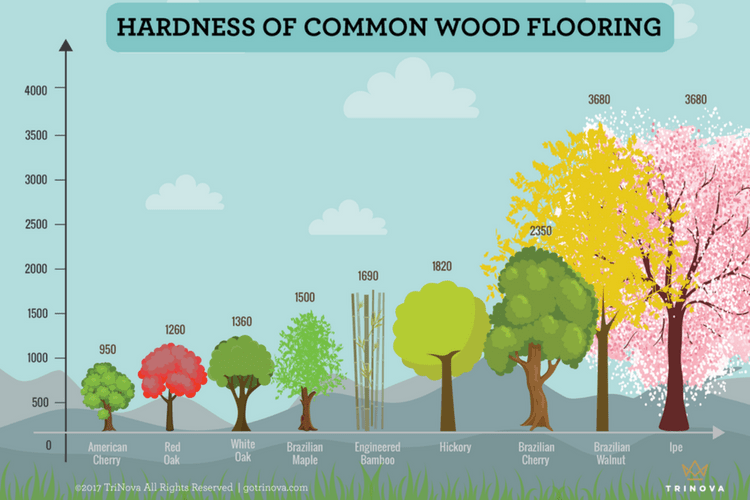
Oak remains my go-to choice for high-traffic areas after testing numerous species in real-world conditions. Red and white oak offer excellent hardness ratings, abundant grain character, and proven longevity in American homes for over a century. The open grain structure accepts stains beautifully while providing natural texture that hides minor scratches and wear patterns. I’ve installed oak in busy family kitchens, hallways, and living rooms where it continues to perform admirably after decades of abuse from pets, children, and heavy furniture.
Maple and hickory provide even greater hardness ratings for extremely demanding applications like commercial spaces or homes with large dogs. I installed hickory in a client’s mudroom where it endures daily traffic from work boots, sporting equipment, and wet conditions. The tight grain pattern shows fewer scratches than oak, though it’s more challenging to stain evenly. Maple offers similar durability with a cleaner, more contemporary appearance that works well in modern homes seeking minimalist aesthetics.
Exotic species like Brazilian cherry and teak offer unique beauty but require careful consideration of stability and availability. I’ve used ipe in several installations where its incredible hardness justifies the premium cost. However, some exotics expand and contract dramatically with humidity changes, causing gaps and cupping issues. Sustainability concerns and price volatility make domestic species more practical for most applications. The key is matching wood characteristics to your specific needs rather than choosing based solely on appearance or prestige.
Understanding Hardness Ratings and Real Performance
The Janka hardness test provides valuable baseline information, but real-world durability involves factors beyond simple hardness numbers. I’ve seen soft woods like pine perform admirably in low-traffic bedrooms while hard species failed in high-moisture environments. Grain structure, density variation, and dimensional stability often matter more than raw hardness ratings. Experience has taught me to consider the complete performance profile rather than relying solely on numerical ratings when recommending species to clients.
Traffic patterns in your home significantly impact which hardness level you need for optimal performance. I conduct detailed lifestyle assessments before recommending species, considering factors like pets, children, entertainment frequency, and shoe-wearing habits indoors. High-traffic areas benefit from species rating above 1200 on the Janka scale, while bedrooms and formal spaces can use softer, more affordable options. Matching hardness to actual usage prevents both overspending and premature wear issues.
Surface preparation and finishing techniques can enhance the effective durability of moderately hard species significantly. I’ve achieved excellent longevity from softer woods by using multiple coats of high-quality polyurethane and proper floor preparation. Conversely, I’ve seen extremely hard woods fail due to poor finishing or inadequate subfloor preparation. The complete system approach, including substrate, installation method, and finishing schedule, determines long-term performance more than species selection alone.
Installation Methods That Prevent Premature Failure
Subfloor preparation determines whether hardwood installations last decades or fail within years, something I learned through costly early mistakes. Moisture content must be verified throughout the subfloor system using reliable meters, not just surface readings. I require subfloor moisture below 12% and wood moisture within 2% of subfloor readings before installation begins. Uneven subfloors cause squeaks, gaps, and premature wear, so I invest significant time ensuring flat, stable surfaces before placing the first board.
Acclimation time varies by species, season, and local climate conditions, requiring flexibility rather than rigid adherence to manufacturer minimums. I deliver materials 7-14 days before installation, monitoring moisture content daily until equilibrium is reached. Rushed acclimation causes expansion and contraction issues that appear months after installation completion. Climate-controlled storage during acclimation prevents moisture swings that could compromise dimensional stability during the critical adjustment period.
Fastening schedules and adhesive selection significantly impact long-term performance, especially in challenging environments. I use both nails and adhesive in high-moisture areas, providing redundant attachment methods that accommodate wood movement. Fastener spacing and penetration depth follow strict guidelines based on species and subfloor type. Adhesive compatibility with both wood species and subfloor materials prevents chemical reactions that could weaken bonds over time. Proper installation takes longer but prevents callbacks and warranty issues.

Finishing Systems That Protect Your Investment
Polyurethane finishes provide the best protection for high-traffic hardwood installations in my experience. I apply three coats minimum, sanding lightly between each coat for optimal adhesion and smoothness. Water-based polyurethanes cure faster and produce less odor, while oil-based versions offer deeper penetration and richer color enhancement. The choice depends on timeline, ventilation capabilities, and desired appearance. Both systems provide excellent durability when applied properly over well-prepared surfaces.
Penetrating sealers and oil finishes create more natural appearances but require more frequent maintenance than surface films. I use these systems in bedrooms and low-traffic areas where their easy repair characteristics outweigh reduced durability. Tung oil and Danish oil finishes highlight wood grain beautifully while providing moderate protection. However, they show watermarks easily and need periodic reapplication. These systems work best for clients who appreciate natural wood beauty and don’t mind regular maintenance routines.
Site-applied versus factory-finished options each offer distinct advantages depending on project requirements and client preferences. I prefer site finishing for custom stain colors and seamless appearance between boards. Factory finishing provides superior durability and faster installation, but limits color options and creates micro-bevels between boards. The choice depends on budget, timeline, customization needs, and long-term maintenance preferences. Both can provide excellent durability when properly specified and installed.
Maintenance Practices That Extend Floor Life
Daily maintenance routines prevent minor issues from becoming major problems requiring expensive repairs or refinishing. I recommend dry mopping or vacuuming daily in high-traffic areas, using microfiber tools that capture fine particles without scratching. Spill cleanup should happen immediately, as even water can penetrate finishes and cause staining or cupping if left standing. Entry mats at all exterior doors trap debris and moisture before they reach hardwood surfaces, significantly reducing wear and maintenance requirements.
Seasonal maintenance addresses environmental changes that affect hardwood performance throughout the year. I schedule professional cleanings annually and inspect for finish wear, loose boards, or moisture issues. Humidity control prevents excessive expansion and contraction that causes gaps, cupping, and finish cracking. Air purifiers reduce airborne particles that act as abrasives on floor surfaces. These proactive measures identify potential problems early when repairs are simpler and less expensive than major interventions.
Refinishing schedules depend on traffic levels, maintenance quality, and finish type used during installation. High-traffic areas may need attention every 7-10 years, while bedrooms can go 15-20 years between refinishing. I monitor finish wear patterns and recommend screen-and-recoat procedures before complete refinishing becomes necessary. This intermediate maintenance extends floor life significantly while maintaining optimal appearance and protection. Timing refinishing properly prevents permanent damage that would require board replacement.
Avoiding Common Mistakes That Destroy Durability
Moisture-related failures account for the majority of premature hardwood flooring problems I’ve encountered in my career. Installing over wet subfloors, inadequate vapor barriers, and poor ventilation creates conditions where even the most durable species will fail. I use moisture meters religiously and refuse to install when conditions aren’t optimal, regardless of project deadlines. Basements and below-grade installations require special consideration,s including engineered products and enhanced moisture protection systems. Prevention costs far less than remediation after moisture damage occurs.
Incompatible products and shortcuts during installation create hidden problems that appear months or years later. I verify compatibility between all system components, including adhesives, finishes, and underlayments, before ordering materials. Generic or mismatched products may save money initially, but often cause adhesion failures, finish problems, or chemical reactions. Following manufacturer specifications exactly prevents warranty voids and ensures optimal performance. The small additional cost of compatible products provides significant insurance against expensive failures.
Unrealistic expectations about maintenance and performance lead to disappointment even with properly installed floors. I educate clients about normal wear patterns, seasonal changes, and maintenance requirements before installation begins. Hardwood floors require more care than laminate or luxury vinyl but provide superior longevity and refinishing capabilities when properly maintained. Setting appropriate expectations prevents dissatisfaction and ensures clients understand their role in preserving their investment. Clear communication about limitations and requirements protects both parties and ensures long-term satisfaction.
Which hardwood species offers the best durability for families with pets and children?
White oak consistently provides the best balance of durability, repairability, and cost for active families in my experience. Its hardness rating of 1360 handles pet claws and toy impacts, while the closed-grain structure resists moisture penetration from spills and accidents. The abundant grain pattern helps camouflage minor scratches that occur with normal family life. I’ve installed thousands of square feet in homes with large dogs and active children, where it continues performing excellently after decades of abuse.
How often should durable hardwood floors be refinished to maintain optimal performance?
Refinishing frequency depends on traffic levels, maintenance quality, and original finish specification, typically ranging from 7-15 years for most installations. I monitor finish wear in high-traffic areas and recommend screen-and-recoat procedures when the finish shows thinning but before bare wood exposure occurs. This intermediate maintenance extends the time between full refinishing while maintaining protection and appearance. Properly maintained floors can go 20+ years between complete refinishing in low-traffic areas like bedrooms.

Is engineered hardwood as durable as solid hardwood for long-term performance?
High-quality engineered hardwood with thick wear layers performs comparably to solid hardwood in most residential applications. I specify engineered products with a minimum 4mm wear layers that allow multiple refinishing cycles over their lifetime. The dimensional stability advantages make engineered products superior in challenging environments like basements or radiant heat installations. However, thin-wear-layer products marketed as engineered hardwood offer limited refinishing options and shorter lifespans. Quality specifications matter more than construction type.
What’s the most important factor in ensuring long-term hardwood floor durability?
Proper moisture management throughout the installation and service life determines durability more than any other single factor. I’ve seen expensive exotic species fail within years due to moisture issues, while properly managed domestic species last decades. This includes subfloor moisture testing, adequate acclimation, humidity control systems, and prompt spill cleanup. Moisture-related failures are expensive to repair and often require complete replacement. Investing in proper moisture management pays dividends throughout the floor’s lifetime.

Can hardwood floors be installed over radiant heating systems without durability concerns?
Modern engineered hardwood products perform excellently over radiant heating when properly specified and installed. I use products specifically approved for radiant applications with maximum temperature limitations clearly defined. Solid hardwood can work, but requires careful species selection and gradual temperature changes to prevent excessive movement. The key is maintaining stable temperatures and humidity levels while following manufacturer guidelines for radiant installations. Proper system design prevents temperature-related durability issues.
How do I know when hardwood flooring damage requires professional repair versus DIY maintenance?
Surface scratches and minor finish wear can often be addressed with DIY screening and recoating procedures using appropriate products and techniques. However, cupping, crowning, loose boards, or deep gouges require professional assessment and repair to prevent further damage. I recommend a professional evaluation when damage affects multiple boards or when structural issues like squeaking develop. Attempting complex repairs without proper tools and experience often worsens problems and increases ultimate repair costs significantly.

What Hardwood Floors are Most Durable? Gold Eagle Co
Types of Flooring
Types of Hardwood Floors
Related Posts: