When I first considered renovating my kitchen three years ago, linoleum wasn’t even on my radar. Like many homeowners, I had preconceived notions about this flooring material, associating it with outdated designs and poor quality. However, after extensive research and hands-on experience, I’ve discovered that modern linoleum offers remarkable benefits that make it an excellent choice for kitchen spaces. My transformation from skeptic to advocate has been eye-opening, and I’m excited to share what I’ve learned about this underrated flooring option.
Why I Initially Dismissed Linoleum
My grandmother’s kitchen had that old-fashioned linoleum with faded patterns and curling edges. This childhood memory shaped my perception for decades, making me believe all linoleum was cheap and unattractive. I assumed it would look dated and wear poorly, so I never seriously considered it as a viable option for my modern kitchen renovation project.
The marketing success of vinyl flooring further clouded my judgment about linoleum. I confused the two materials completely, thinking they were essentially the same product with different names. This misconception led me to overlook linoleum’s unique properties and environmental benefits, focusing instead on what I perceived as more premium flooring options.
My bias was reinforced by home improvement shows that rarely featured linoleum installations. Instead, they showcased expensive hardwood, trendy tile, or luxury vinyl planks. Without seeing contemporary linoleum designs in action, I couldn’t envision how beautiful and practical this flooring could be in a modern setting.
The Environmental Benefits That Won Me Over
Learning about linoleum’s eco-friendly composition completely changed my perspective on this material. Made from natural ingredients like linseed oil, wood flour, cork dust, and jute backing, linoleum is biodegradable and sustainable. Unlike synthetic alternatives, it doesn’t off-gas harmful chemicals, making it safe for my family’s health and indoor air quality.
The manufacturing process impressed me with its minimal environmental impact. Linoleum production uses renewable resources and generates significantly less pollution than petroleum-based flooring alternatives. Companies like Forbo have been perfecting these sustainable practices for over 150 years, demonstrating their commitment to environmental responsibility throughout the production cycle.
I was particularly drawn to linoleum’s longevity and recyclability aspects. Quality linoleum can last 40 years or more with proper care, reducing the need for frequent replacements. At the end of its life cycle, it can be composted or recycled, unlike vinyl flooring, which ends up in landfills for centuries.

Installation Experience and Practical Considerations
Installing linoleum in my kitchen proved easier than anticipated, though I hired professionals for the best results. The material comes in sheets or tiles, and I chose sheet linoleum for fewer seams and better water resistance. The installation team meticulously prepared the subfloor, ensuring it was level, clean, and completely dry before commencing the process.
The cutting and fitting process required precision, especially around cabinets and appliances. Professional installers used specialized tools to create clean edges and seamless transitions. They applied adhesive evenly across the subfloor, then carefully positioned and rolled the linoleum to eliminate air bubbles and ensure proper bonding throughout the surface area.
Watching the installation taught me about proper acclimation procedures and the importance of temperature control. The linoleum needed to adjust to room temperature before installation, and maintaining consistent humidity levels during the process prevented expansion and contraction issues that could cause problems later.
Daily Performance in My Busy Kitchen
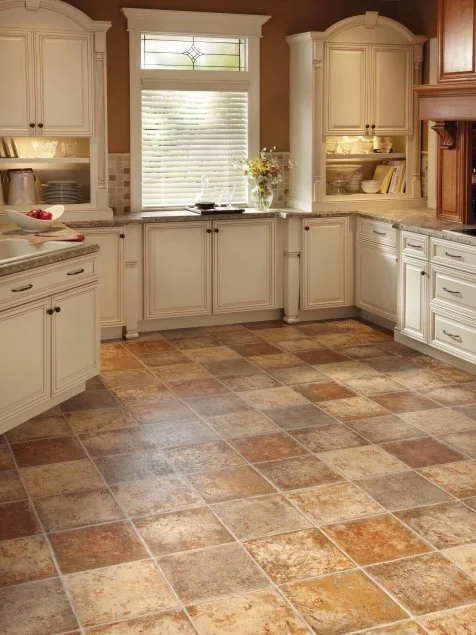
After two years of daily use, I’m thoroughly impressed with how my linoleum flooring performs in our active kitchen. It handles spills, dropped utensils, and heavy foot traffic without showing significant wear. The natural antimicrobial properties of linseed oil help resist bacterial growth, making it naturally hygienic for food preparation areas where cleanliness is paramount.
Cleaning has become remarkably simple, requiring only warm water and mild soap for daily maintenance. Unlike some flooring materials that require special cleaners or treatments, linoleum responds well to basic cleaning routines. I occasionally use a pH-neutral cleaner for deeper cleaning, but regular mopping keeps it looking fresh and vibrant throughout busy cooking sessions.
The comfort factor surprised me most pleasantly during long cooking sessions. Linoleum provides slight cushioning underfoot, reducing fatigue compared to hard tile or stone surfaces. This ergonomic benefit became especially noticeable during holiday meal preparations when I spent hours standing and moving around the kitchen space.
Style Options That Changed My Mind
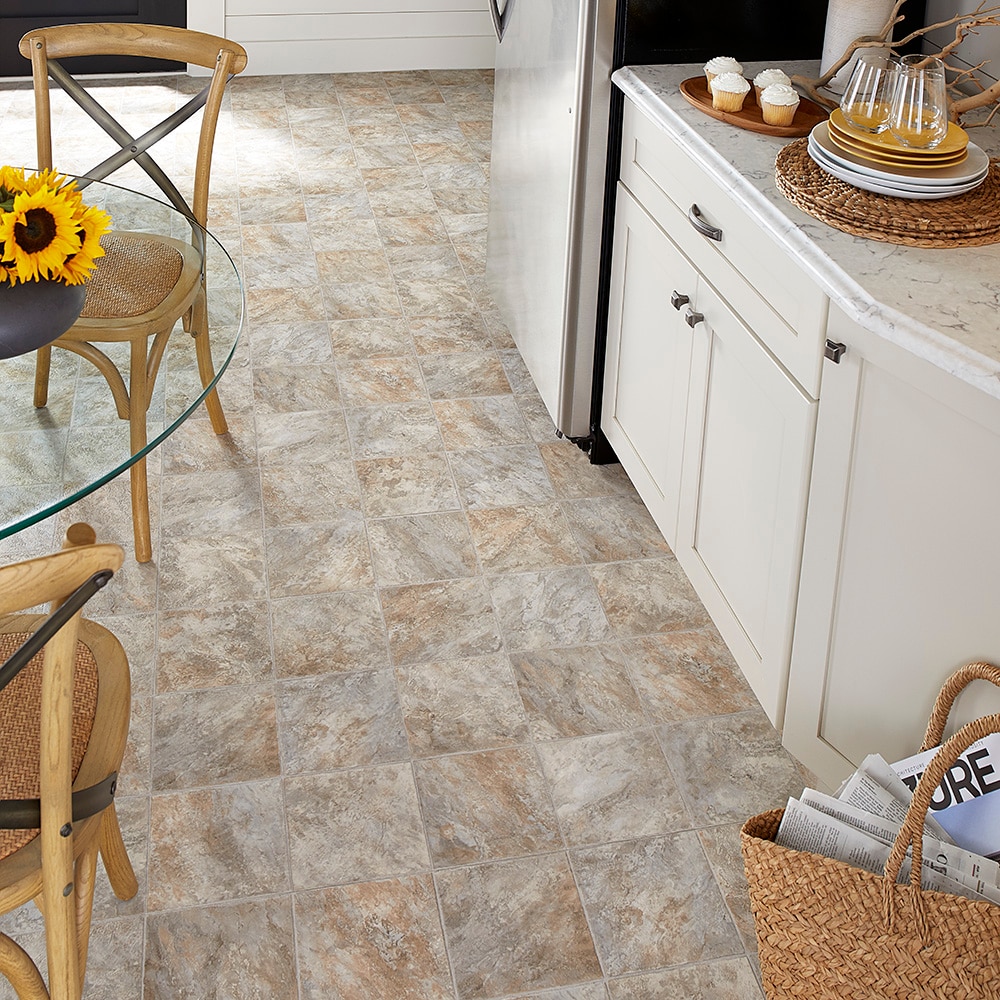
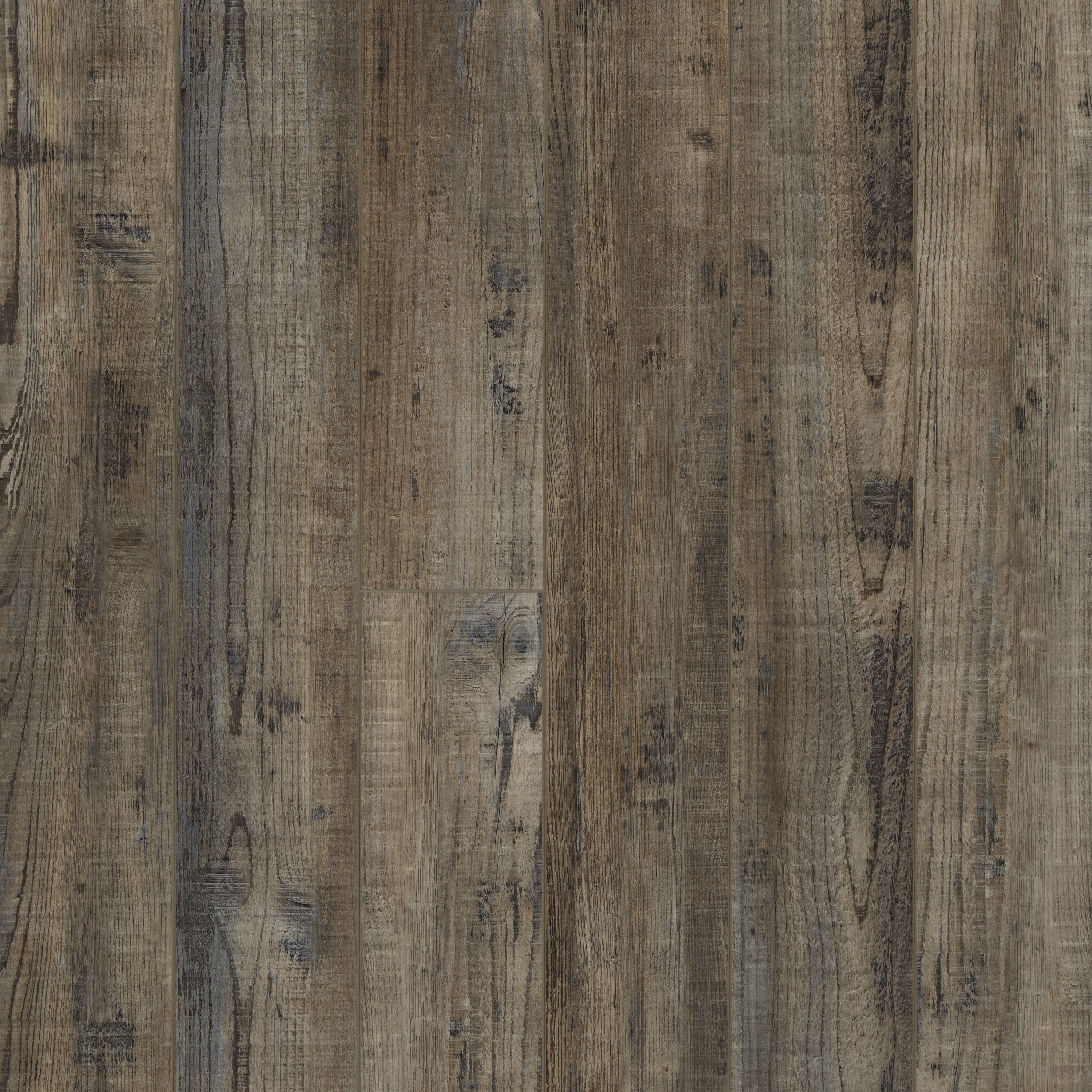
Contemporary linoleum designs completely shattered my outdated perceptions about this material’s aesthetic potential. Modern manufacturers offer sophisticated patterns, rich colors, and textures that rival any premium flooring option. I chose a warm gray with subtle marble veining that complements my white cabinets and stainless steel appliances perfectly.
The color-through construction means patterns and colors penetrate the entire thickness of the material. This feature ensures that minor scratches or scuffs don’t reveal different colored layers underneath, maintaining the flooring’s appearance over time. Surface scratches can often be buffed out with fine steel wool and a protective coating.
Customization possibilities exceeded my expectations with options for borders, inlays, and geometric patterns. Some manufacturers even offer digitally printed designs that mimic wood, stone, or fabric textures with remarkable realism. The design flexibility allowed me to create a unique kitchen floor that reflects my style while maintaining practical functionality.
Long-Term Value and Maintenance Tips
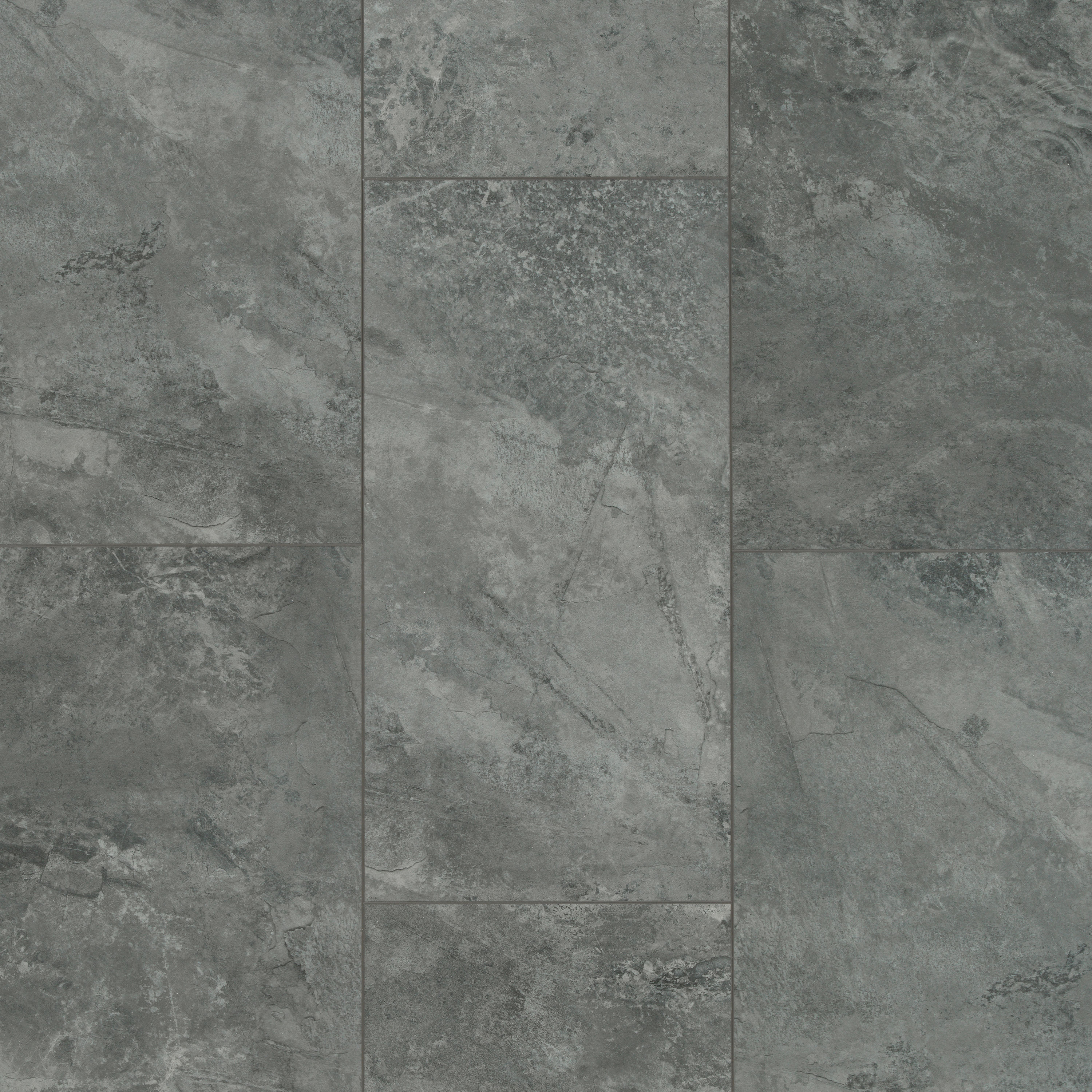
The financial benefits of choosing linoleum become apparent over time through reduced replacement costs and minimal maintenance requirements. While the initial investment was moderate, the durability means I won’t need to replace this flooring for decades. This long-term perspective makes linoleum an economically smart choice compared to materials requiring frequent updates or repairs.
Proper maintenance extends linoleum’s lifespan significantly, and I’ve developed an effective routine that takes minimal effort. Weekly mopping with pH-neutral cleaners, immediate spill cleanup, and periodic protective coating applications keep the surface looking new. I avoid harsh chemicals, excessive water, and abrasive cleaning tools that could damage the natural materials.
The aging process improves linoleum’s appearance in many cases, as the linseed oil continues to oxidize and harden over time. This natural aging creates a patina that adds character and depth to the flooring. Minor maintenance issues can often be addressed with simple repairs rather than complete replacement sections.
How does linoleum compare to vinyl flooring in terms of durability and performance?
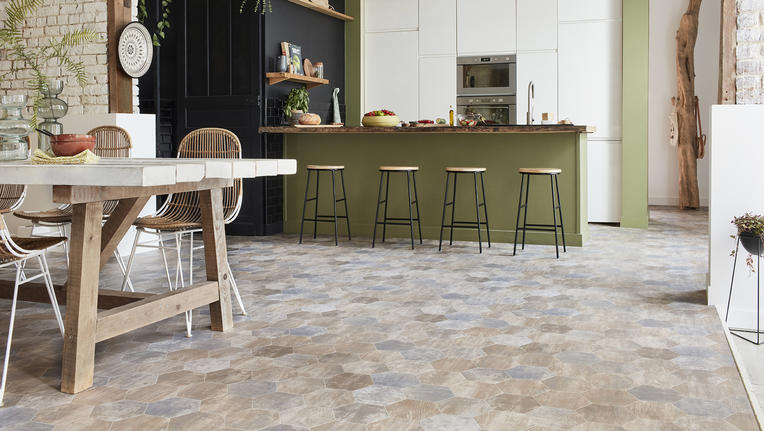
Linoleum significantly outperforms vinyl in longevity, often lasting 40+ years compared to vinyl’s 10-15 year lifespan. Made from natural materials like linseed oil and cork, linoleum is biodegradable and doesn’t emit harmful VOCs. While vinyl may offer more design options initially, linoleum’s color-through construction means it ages better, with scratches less noticeable. Linoleum also provides better comfort underfoot and natural antimicrobial properties that vinyl lacks.
What’s the typical cost range for linoleum kitchen flooring installation?
Quality linoleum typically costs $3-7 per square foot for materials, with professional installation adding $2-4 per square foot. While the initial investment is higher than basic vinyl, the 40+ year lifespan makes it cost-effective long-term. Premium designer patterns can reach $8-12 per square foot, but standard residential options remain affordable. Factor in minimal maintenance costs and no need for replacement for decades, making linoleum an economical choice over time.

Is linoleum suitable for high-moisture kitchen environments?
Modern linoleum handles kitchen moisture well when properly installed with sealed seams and appropriate adhesives. Sheet linoleum performs better than tiles in wet areas due to fewer seams where water can penetrate. The natural linseed oil content provides some water resistance, though standing water should still be cleaned promptly. Proper subfloor preparation and professional installation are crucial for moisture protection in kitchen applications.
How do I maintain and clean linoleum flooring effectively?
Daily maintenance requires only sweeping and damp mopping with warm water and mild soap. Avoid harsh chemicals, excessive water, and abrasive cleaners that can damage the natural materials. For deeper cleaning, use pH-neutral cleaners specifically designed for linoleum. Apply protective coating every few years to maintain shine and durability. Clean spills immediately, use door mats to reduce dirt, and avoid dragging heavy appliances across the surface.
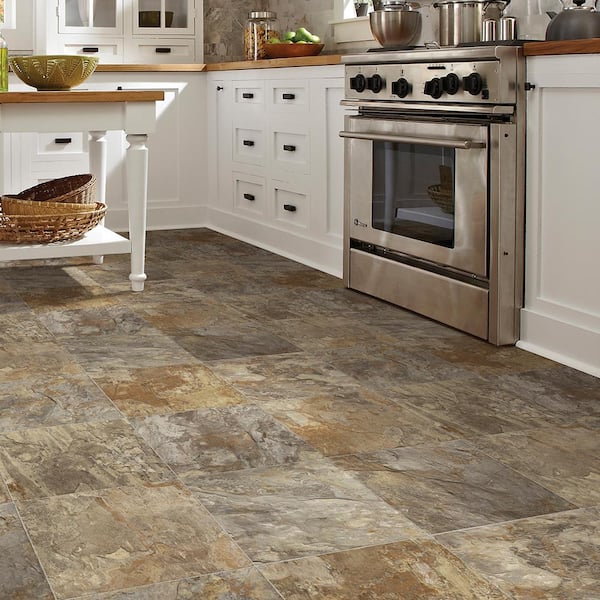
What are the environmental benefits of choosing linoleum over other flooring options?
Linoleum is made from renewable natural materials, including linseed oil, wood flour, cork dust, and jute backing, making it completely biodegradable. The manufacturing process produces minimal environmental impact compared to petroleum-based alternatives. At the end of life, linoleum can be composted or recycled rather than filling landfills. The 40+ year lifespan reduces resource consumption from frequent replacements, and the production process has been refined for sustainability over 150+ years.
Can linoleum flooring be repaired if damaged, or does it require complete replacement?
Minor scratches and scuffs in linoleum can often be buffed out using fine steel wool and refinishing with a protective coating. Small damaged areas can be patched by cutting out the damaged section and installing a replacement piece, though professional installation ensures the best results. The color-through construction means surface damage is less noticeable than with other materials. For extensive damage, individual tiles can be replaced, or sheet sections can be reseamed by experienced installers.
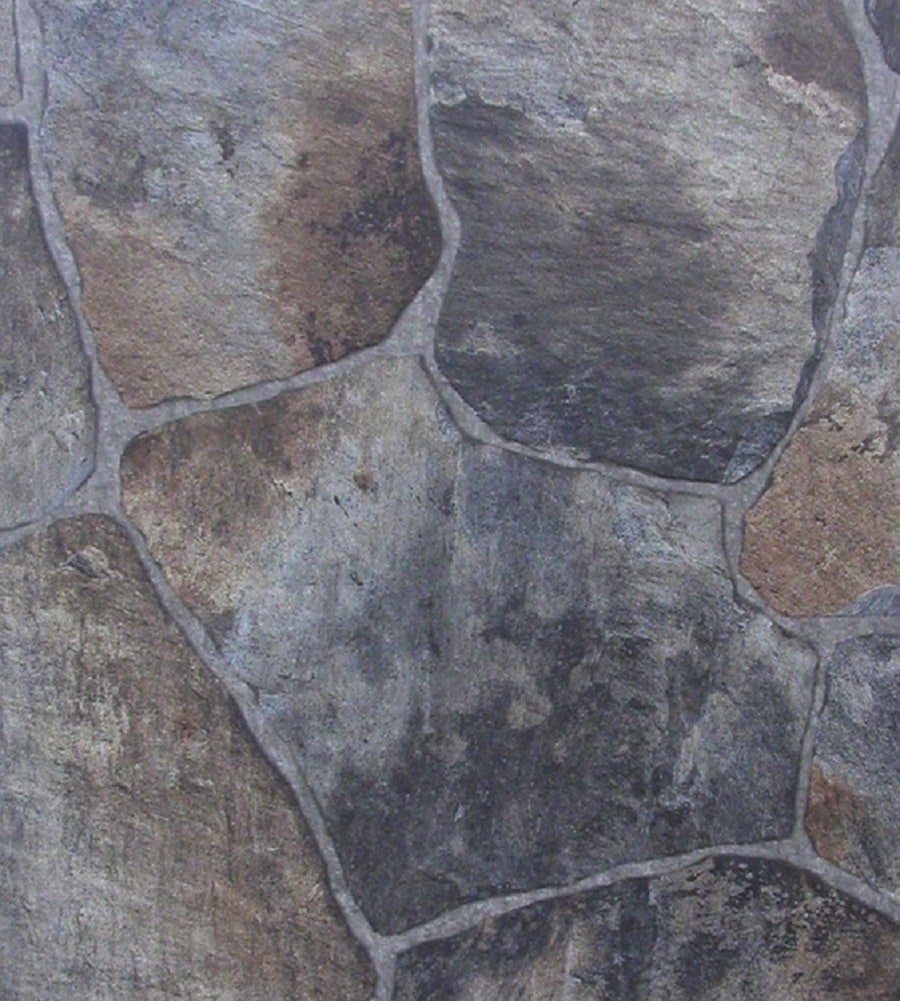
SMARTCORE Sumter Stone 12-in x 24-in Waterproof Luxury Flooring
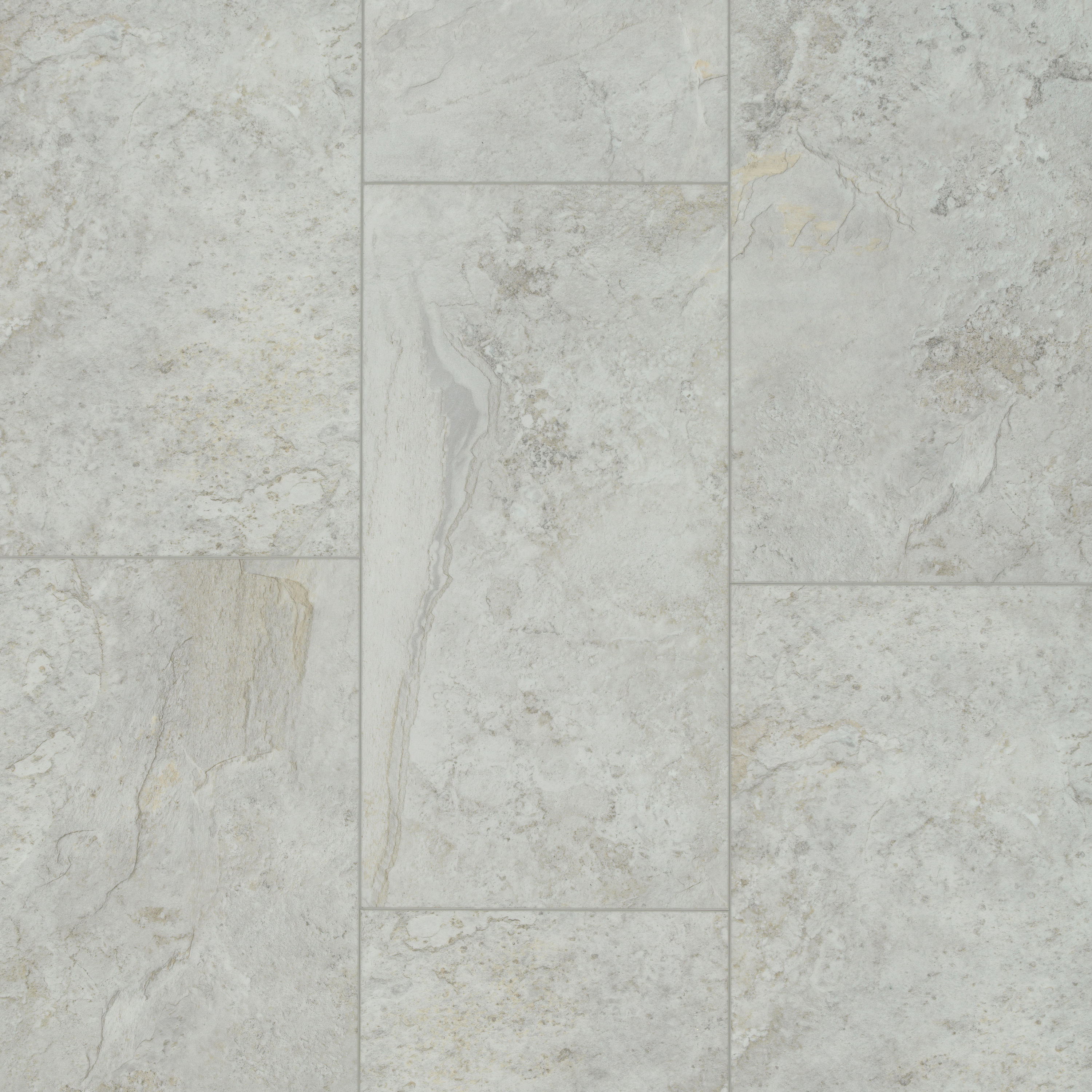
Shaw Matrix Resort Teak 6-in Wide x 3-1/5-mm Thick Waterproof
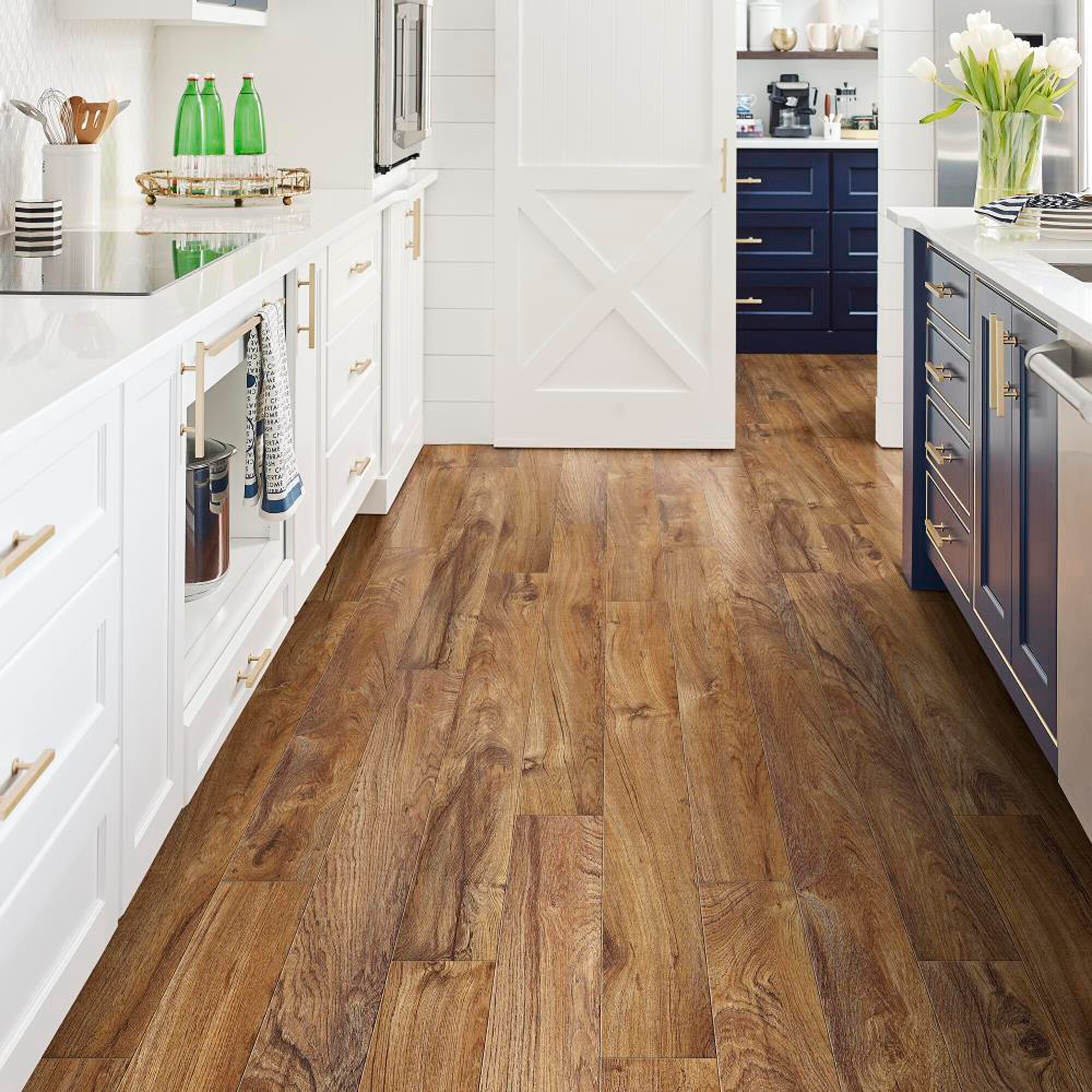
SMARTCORE Shady Pine 5-in Wide x 6-1/2-mm Thick Waterproof Interlocking Luxury Vinyl Plank Flooring (18.35-sq ft)
Related Posts: