When I decided to replace the worn carpet throughout my home, I wanted the timeless beauty of hardwood without the instability issues or high cost of solid wood. That’s when I discovered engineered hardwood with natural finishes. I spent months researching, visiting showrooms, and talking to installers before committing. Now, four years after installation, I’m thrilled with my choice. The natural character and warmth of real wood combined with engineered construction has given me gorgeous, stable floors that handle my family’s daily life beautifully. Let me share what I learned about selecting and living with natural engineered hardwood.
Understanding What Makes Engineered Hardwood “Natural”
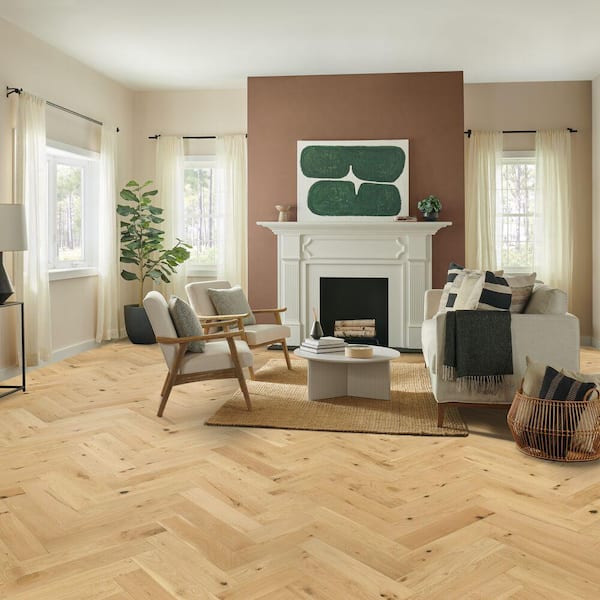
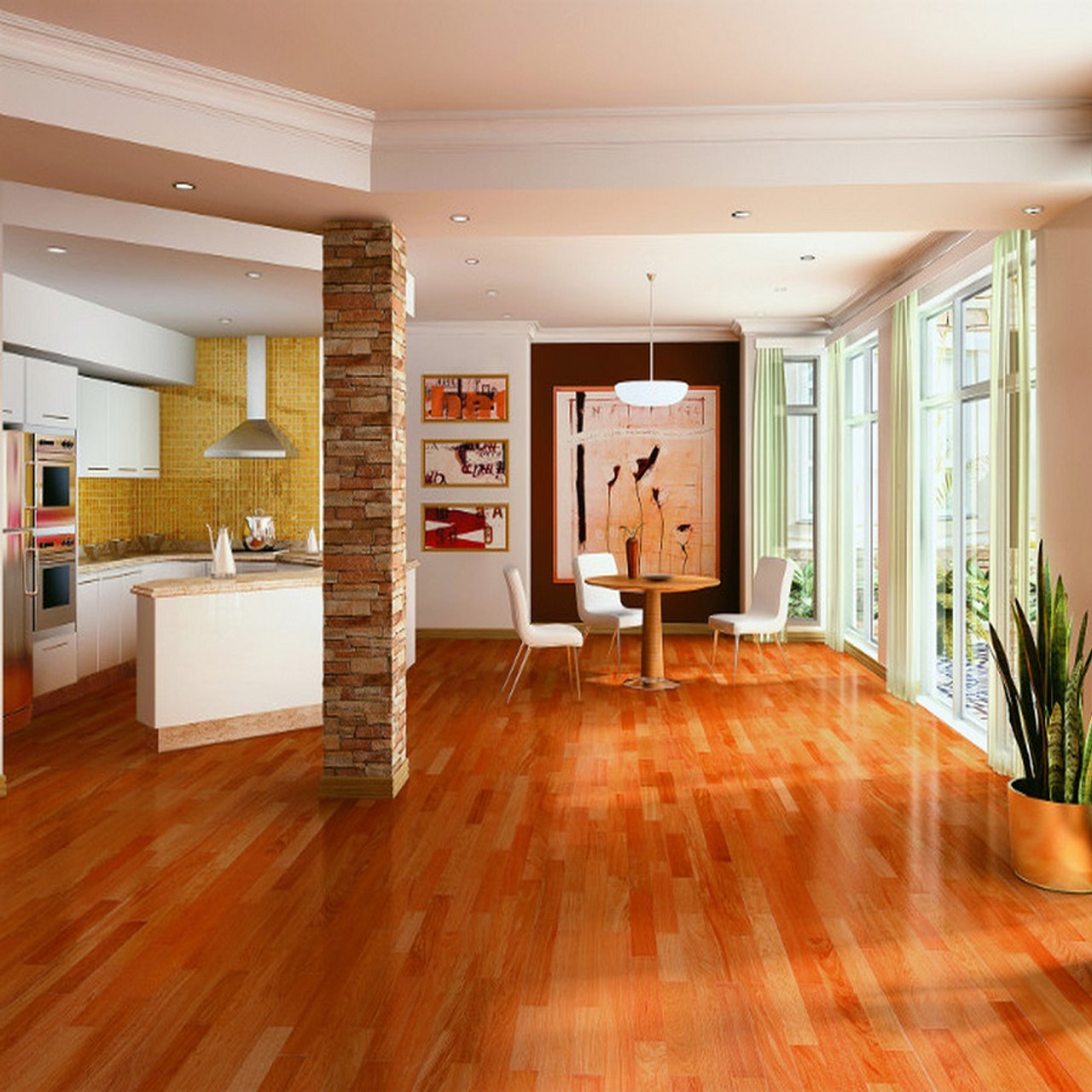
Natural engineered hardwood features a top layer of real wood with its authentic grain patterns, knots, and color variations. Unlike stained or heavily processed options, natural finishes embrace the wood’s inherent character. When I first saw samples, I loved how no two planks looked identical. The organic variation in tone and texture creates visual interest that synthetic floors simply can’t replicate. This authenticity was exactly what I wanted for my home.
The construction involves multiple layers of wood bonded together, with the natural hardwood veneer on top. My floors have a 4mm wear layer of white oak with a clear matte finish that showcases the wood’s natural color. Beneath that are several layers of plywood arranged in alternating directions for stability. This engineering prevents the warping and gapping issues that solid hardwood can experience with humidity changes, a huge concern in my climate.
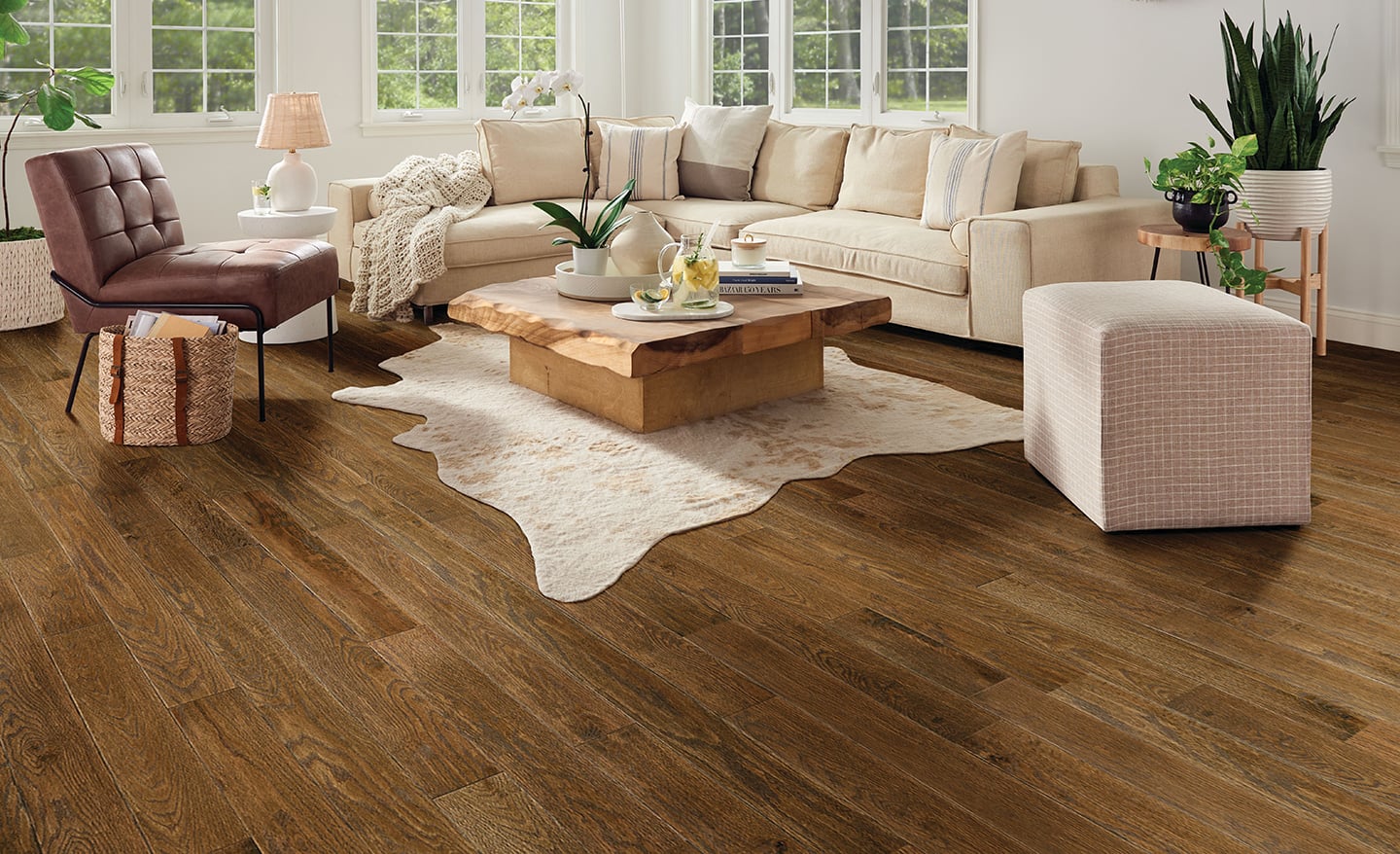
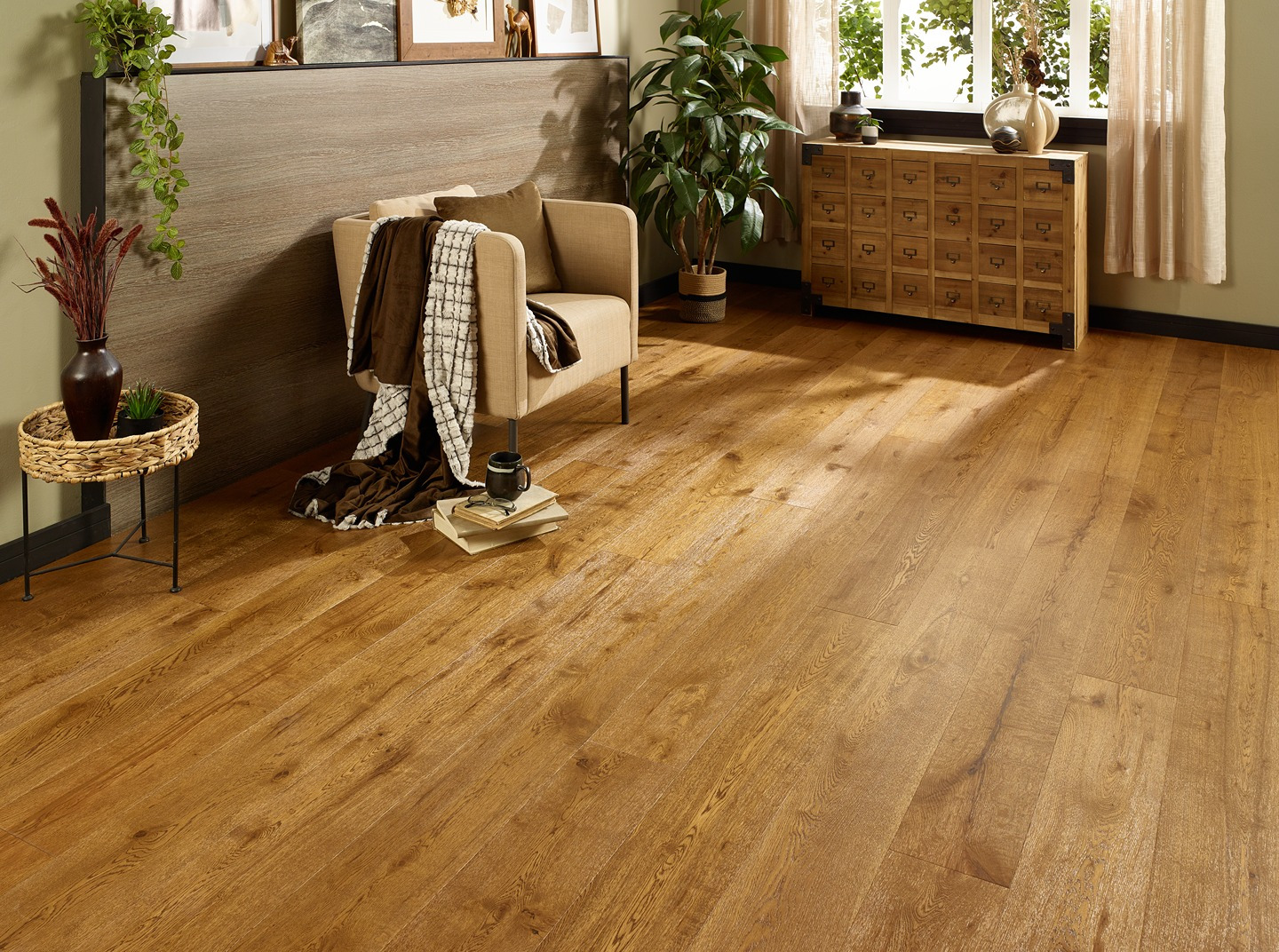
I chose natural over pre-stained options because I wanted the wood to age authentically. Natural finishes develop a patina over time, darkening slightly and gaining character with age. Pre-stained floors can show wear differently, with the stain layer becoming uneven. My natural oak has aged beautifully, developing warmer honey tones in areas with more sunlight. This organic aging process makes my floors feel like they’ve been part of my home forever.
Selecting the Right Wood Species for Natural Beauty
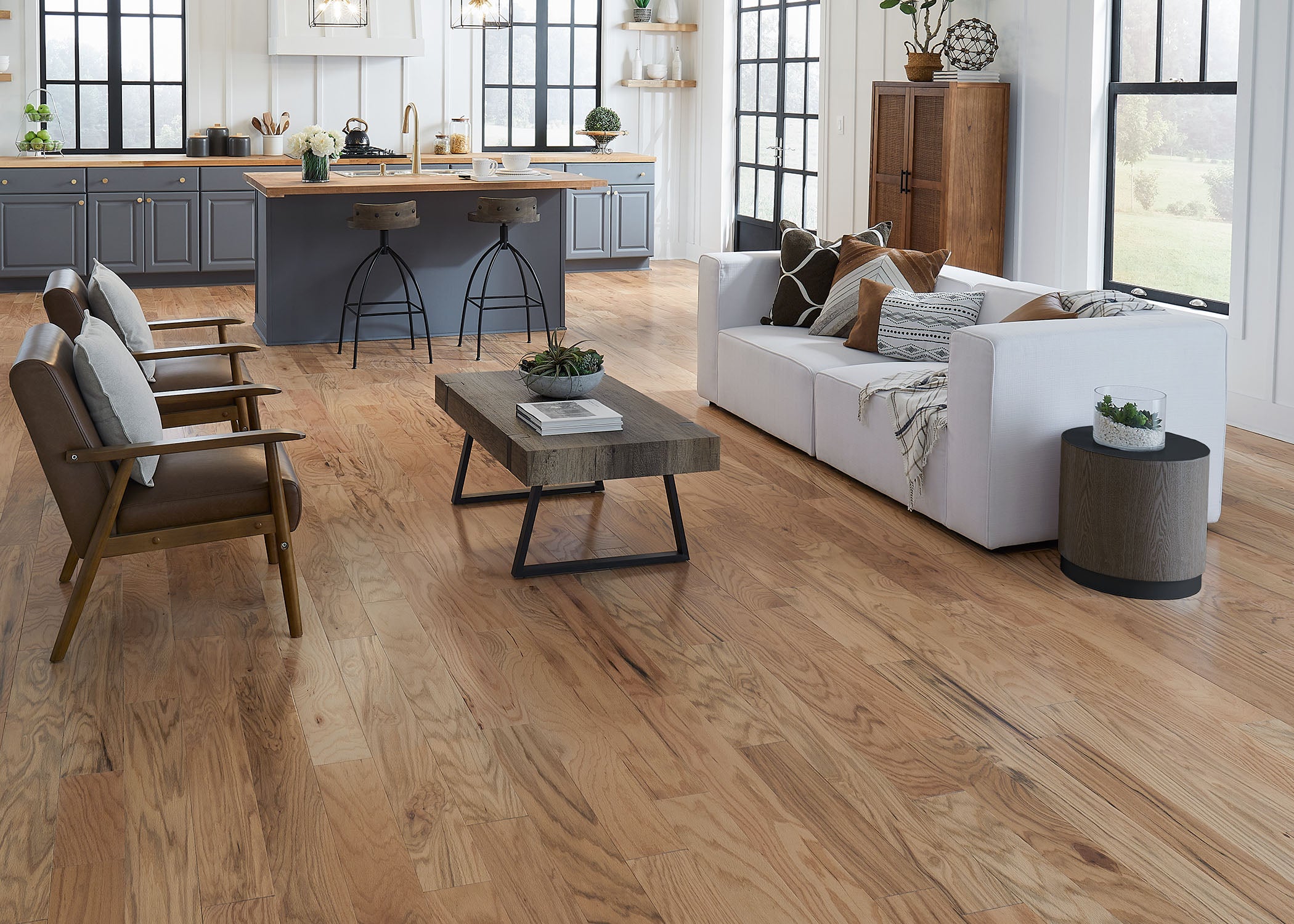
White oak became my choice after comparing several species at the showroom. Its tight, consistent grain pattern and natural light-to-medium tone worked perfectly with my existing trim and cabinetry. The subtle grain gives texture without being overly busy, and the color brightens my rooms naturally. I also appreciated that white oak is durable enough for high-traffic areas, an important consideration with three kids and a dog.
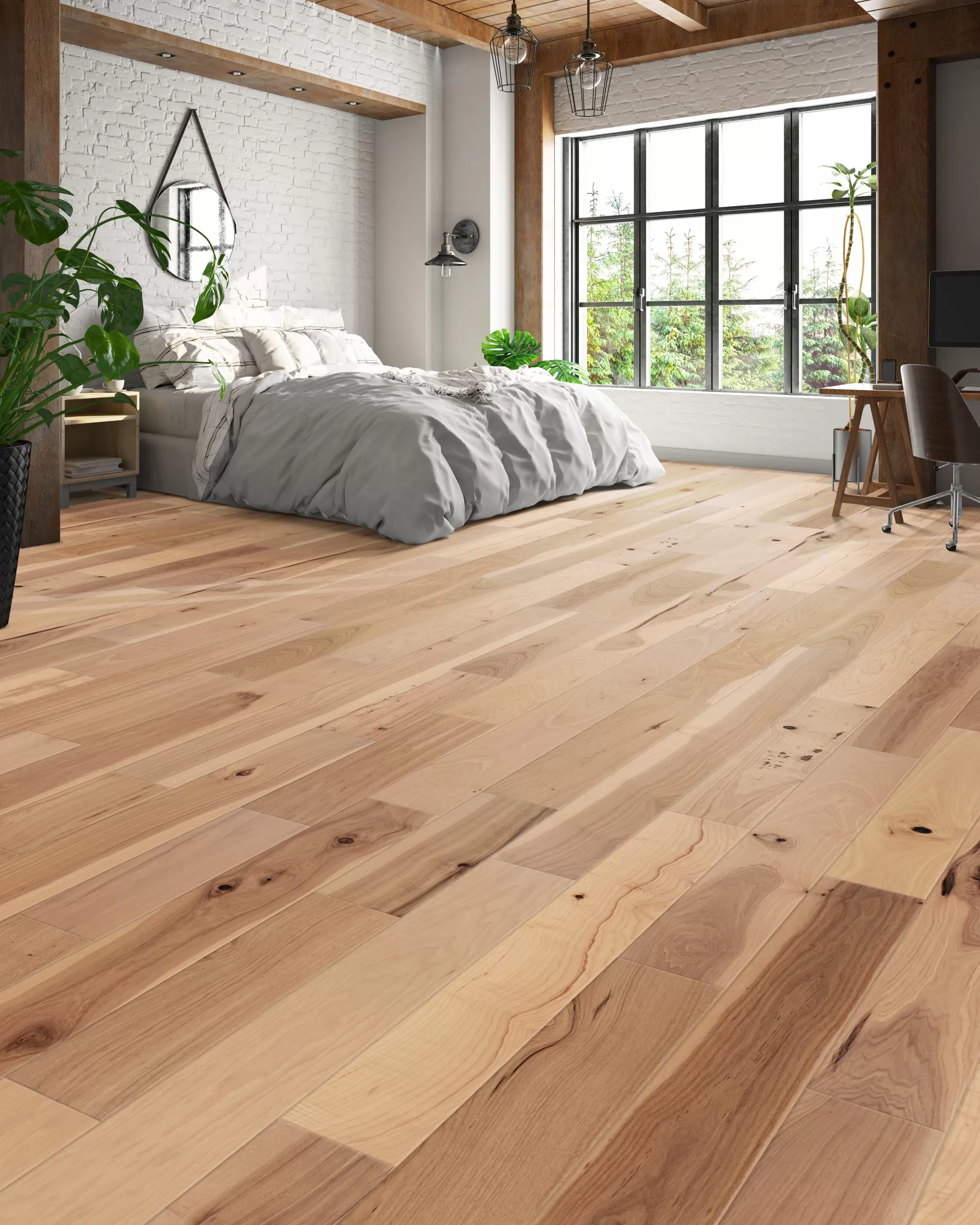
I seriously considered hickory for its dramatic grain patterns and natural color variation. Hickory ranges from nearly white sapwood to rich brown heartwood, sometimes within the same plank. While stunning, I worried it might compete with my furniture and decor. For smaller spaces or accent areas, hickory would be incredible. I ultimately decided white oak’s subtlety better suited my whole-house installation and my traditional style.
Maple was another contender with its fine, uniform grain and creamy color. It’s slightly harder than oak, which appealed to me initially. However, my installer warned that maple’s subtle grain might look plain in a natural finish compared to oak’s character. He was right, when I compared samples side by side, the oak had more visual depth. Maple shines with stains that highlight its smoothness, but for natural beauty, oak won me over completely.
Choosing Between Matte, Satin, and Natural Oil Finishes
The finish decision took me weeks of deliberation. I tested samples by placing them in different rooms and lighting conditions. Matte finishes absorb light rather than reflecting it, creating a soft, contemporary look that hides minor scratches and dust better than glossy finishes. I loved how matte emphasized the wood’s natural texture rather than creating a plastic-looking sheen. This finish felt honest and understated, letting the oak speak for itself.
Satin finishes offer a middle ground with subtle luster. My sister has satin-finished floors, and while beautiful, they require more frequent cleaning to maintain their slight shine. Every footprint and dust particle shows more prominently. For my busy household, I knew I’d struggle to keep satin floors looking pristine. Matte’s forgiving nature suited my lifestyle better, and I don’t miss the extra shine at all.
Natural oil finishes intrigued me because they penetrate the wood rather than sitting on top like polyurethane. They create an incredibly authentic, touchable surface and are easier to spot-repair. However, they require more maintenance, regular re-oiling every few months. With my schedule, I needed something more hands-off. I chose polyurethane with a matte sheen, giving me durability and low maintenance while preserving the natural appearance I wanted.
Installation Considerations for Natural Engineered Floors
I opted for professional installation despite being fairly handy. Engineered hardwood can be floated, glued, or nailed down, and my installer recommended glue-down for my concrete subfloor. This method provides the most solid feel underfoot and prevents the hollow sound that floating floors can have. Watching the installation taught me how critical proper subfloor preparation is, every imperfection telegraphs through to the finished floor.
Acclimation was something I hadn’t considered until my installer insisted on it. The flooring boxes sat in my home for a week before installation, allowing the wood to adjust to my home’s temperature and humidity. This prevents excessive expansion or contraction after installation. I was impatient to start, but this waiting period proved essential. My floors have remained stable through multiple seasons with no gapping or buckling issues.
The installation took three days for about 1,200 square feet. My installer worked methodically, ensuring each plank fit perfectly and the stagger pattern looked random and natural. He paid special attention to transitions between rooms and around doorways, creating seamless flows. These details separate professional from DIY installations. The precision and expertise justified the cost, and my floors look flawless even four years later. I’m glad I didn’t attempt this myself.
Living with and Maintaining Natural Engineered Hardwood
My daily routine involves sweeping or vacuuming every other day to prevent dirt buildup. Natural finishes show scratches less than glossy floors, but prevention is still key. I use a soft-bristled broom or my vacuum’s hard floor setting without the beater bar. This quick maintenance keeps my floors looking fresh and prevents abrasive particles from dulling the finish. It’s become such a habit that I barely think about it anymore.
For deeper cleaning, I mop weekly with a hardwood floor cleaner diluted in water. I use a microfiber mop wrung nearly dry because excess water is engineered hardwood’s enemy, even though it’s more stable than solid wood. The natural finish doesn’t require special products, just pH-neutral cleaners made for hardwood. I avoid oils, waxes, or polishes that can build up and dull the natural appearance over time.
Furniture protection became crucial after I accidentally scratched a plank moving a chair. Now every piece of furniture has felt pads, and I replace them when they wear thin. Area rugs in high-traffic zones protect the finish in entryways and hallways. I rotate these rugs occasionally so the floor ages evenly. These simple precautions have kept my floors beautiful with minimal effort. The natural finish ages gracefully, developing character rather than looking worn.
Addressing Common Concerns About Natural Finishes
Sunlight fading worried me initially because my living room gets intense afternoon sun. Natural finishes can darken or lighten depending on the wood species. My white oak has developed warmer, amber tones in sunny areas, which I actually love. It looks like natural aging rather than damage. I use UV-blocking window treatments during peak sun hours, which slows the process while still allowing natural light in.
Pet damage has been surprisingly minimal. My medium-sized dog’s nails occasionally leave light surface marks, but the matte finish disguises them well. I keep his nails trimmed, which helps tremendously. The 4mm wear layer provides enough thickness that surface scratches don’t penetrate to lower layers. For deeper scratches, I use a hardwood touch-up marker in a matching tone. These imperfections add character to the natural finish rather than detracting from it.
The cost initially gave me sticker shock compared to laminate or vinyl options. However, natural engineered hardwood is an investment that increased my home’s value substantially. My real estate agent confirmed that homes with hardwood command higher prices and sell faster. Beyond resale value, the daily joy of walking on beautiful, authentic wood floors has been worth every penny. I chose quality over cost savings, and I’m grateful I made that decision.
Can natural engineered hardwood be refinished?
Yes, but it depends on the wear layer thickness. My 4mm wear layer can be sanded once, maybe twice carefully. Thicker wear layers allow more refinishing. I plan to have mine refinished in another 5-10 years when needed. The natural finish makes refinishing easier since there’s no stain color to match, just clear coat reapplication.
How does natural finish handle water spills?
I treat every spill as urgent and wipe it immediately. While the polyurethane protects the wood, prolonged water exposure can still damage engineered floors. I’ve had no issues with promptly cleaned spills. Standing water is the enemy. My natural finish hasn’t shown water staining because I’m vigilant about quick cleanup, especially in the kitchen.
Will natural oak darken over time?
Yes, and I love the transformation. My white oak has shifted from pale cream to warmer honey tones, especially in sun-exposed areas. This aging happens gradually over years, not suddenly. The color evolution feels organic and authentic. Some people prefer this natural patina development, while others wanting unchanging color should consider UV-protective finishes.
Is engineered hardwood suitable for basements?
Mine isn’t rated for below-grade installation, but some engineered products are. Check manufacturer specifications carefully. Basements need moisture barriers and proper humidity control. My installer said engineered hardwood handles moisture better than solid wood but still has limits. For basements, ensure you choose products specifically approved for that application and control humidity religiously.

How long will natural engineered hardwood last?
With proper care, 25-40 years or more. My installer said the limiting factor is the wear layer thickness. My 4mm layer should easily last 20-30 years before needing refinishing. After refinishing, another 10-15 years is reasonable. Quality engineered hardwood is a long-term flooring solution that outlasts most alternatives while maintaining its beauty.
Does natural finish show scratches more than stained?
Actually, less in my experience. Stained floors show scratches as lighter wood underneath the stain. Natural finishes reveal the same wood color when scratched, making marks less obvious. The matte sheen also helps hide imperfections. My floors look great despite daily wear because the natural finish ages uniformly rather than showing distinct damage.

Related Posts: