When I installed cork flooring in my kitchen and home office three years ago, I fell in love with its warmth, comfort underfoot, and unique texture. But I quickly learned that cork requires different care than traditional hardwood or tile. After some trial and error, a few mishaps, and lots of research, I’ve developed a care routine that keeps my cork floors looking fantastic. Let me share what I’ve learned so you can avoid the mistakes I made and keep your cork flooring in pristine condition for years to come.
Daily Cleaning Habits That Protect Cork’s Surface
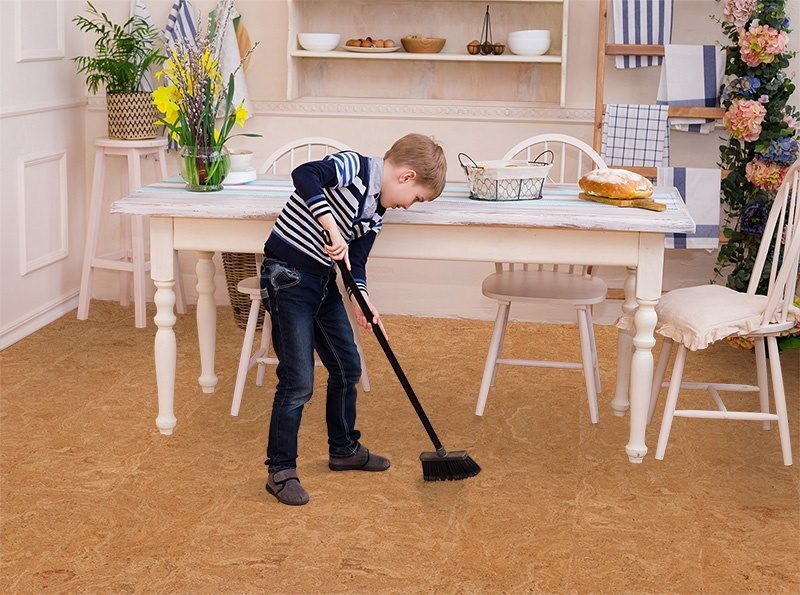
I sweep my cork floors every single day, and it’s made the biggest difference in maintaining their appearance. Cork’s textured surface can trap dirt, sand, and debris that act like sandpaper when walked on. I use a soft-bristled broom or my microfiber dust mop, which takes maybe ten minutes for my entire kitchen. This simple habit prevents the tiny scratches that dulled my floors during my first few months before I established this routine.
Doormats became my best friend after I noticed wear patterns near my entryways. I placed high-quality mats both outside and inside every door leading to my cork floors. These catch most of the dirt and moisture before it reaches the cork. I shake them out daily and wash them weekly. Since adding these mats, I’ve seen a dramatic reduction in the amount of grit making its way onto my floors.
Furniture pads were another game-changer I wish I’d installed from day one. I moved a chair across my office floor without protection and created a visible scratch that haunts me to this day. Now every piece of furniture has felt pads underneath, and I replace them when they wear thin. These inexpensive additions have prevented countless marks and dents. I even keep extras in a drawer for when guests bring chairs to my table.
Choosing the Right Cleaning Products for Cork
My biggest early mistake was using a standard hardwood floor cleaner on my cork. It left a residue that made the surface sticky and dull. Cork needs pH-neutral cleaners specifically formulated for cork or sealed floors. I now use a cork floor cleaner I found at a specialty flooring store, diluted according to the instructions. A little goes a long way, and one bottle lasts me about six months.
I learned to avoid ammonia, vinegar, and harsh chemicals the hard way. After reading online that vinegar was a natural cleaning solution, I tried it on a small section of my kitchen floor. Within weeks, that area looked noticeably duller than the rest. Vinegar’s acidity can break down cork’s protective sealant over time. I stick to products designed specifically for cork or those recommended by my flooring manufacturer.
For weekly deep cleaning, I use a barely damp microfiber mop with my cork cleaner. The key word here is “barely.” I wring out my mop until it’s almost dry because excess water is cork’s enemy. Too much moisture can seep into seams, cause swelling, or damage the adhesive beneath. My mop should leave the floor dry to the touch within seconds. I learned this after soaking a section too thoroughly and dealing with minor swelling that thankfully resolved itself.
Protecting Cork from Water Damage and Spills
Cork is more water-resistant than people think, but it’s not waterproof. I treat every spill like an emergency, wiping it up immediately with a soft cloth. In my kitchen, this happens frequently, from splashed water to spilled coffee. The faster I act, the less chance moisture has to penetrate the sealant. I keep a dedicated microfiber cloth hanging on my oven handle specifically for this purpose.
My laundry room taught me a hard lesson about standing water. A small leak from my washing machine went unnoticed for a few hours, and by the time I discovered it, the cork had absorbed some moisture and slightly darkened in that spot. It eventually dried and mostly returned to normal, but there’s still a faint shadow. Now I’m hypervigilant about checking for leaks and always run a dry mop over the area after doing laundry.
I use area rugs strategically in spots prone to water exposure, like in front of my sink. These washable rugs catch splashes and drips before they reach the cork. I make sure to use breathable rug pads underneath that won’t trap moisture. I’ve learned to lift these rugs regularly to let the cork breathe and to check for any hidden spills or condensation. This simple precaution has saved my floors from unnecessary exposure to moisture.

Maintaining and Reapplying Cork Floor Sealant
The manufacturer recommended resealing every three to five years, but I’ve found that high-traffic areas need attention sooner. After two years, my kitchen walkway started looking worn despite careful maintenance. I hired a professional to reapply polyurethane sealant to those sections. The difference was remarkable, the cork looked brand new again, and I kicked myself for waiting so long.
I learned to recognize the signs that cork needs resealing. When water droplets no longer bead up on the surface but instead soak in, it’s time. I also watch for areas that look dull or feel rougher than the rest of the floor. These indicators helped me catch problems before they became serious. Now I test high-traffic areas every six months by dropping a few water beads and watching how they behave.
For my resealing project, I cleared the entire room and let a professional handle it. The process involved light sanding to remove the old finish, thorough cleaning, and multiple coats of water-based polyurethane. I stayed out of the room for three days while it cured. While this was inconvenient, the renewed protection and refreshed appearance made it worthwhile. I budget for this maintenance now, knowing it extends my floor’s lifespan significantly.
Handling Scratches, Dents, and Surface Repairs
Despite my best efforts, my office chair created some light scratches in the cork. For minor surface scratches, I’ve had success using a cork repair kit with color-matched filler and a small brush. I carefully apply the filler, let it dry, and gently buff it with fine-grit sandpaper. It’s not perfect, but it makes the scratches much less noticeable. These kits cost about twenty dollars and have saved me from worrying about every little imperfection.
Deeper dents are trickier. When I accidentally dropped a cast-iron skillet, it left a noticeable indentation. Cork’s natural elasticity means it bounces back from minor compressions, but significant impacts cause permanent damage. For this dent, I used a technique I found online: dampening the area slightly and applying heat with an iron over a cloth. This partially raised the compressed fibers, though the dent is still visible if you know where to look.
For more extensive damage, I keep spare cork tiles from my original installation. If a section becomes too damaged to repair, I can replace individual tiles. My installer told me this was one of cork’s advantages over some other flooring types. I store these extras in my garage, carefully wrapped to prevent moisture exposure. Knowing I have this option gives me peace of mind, especially in my busy kitchen where accidents happen regularly.

Seasonal Care and Environmental Considerations
Cork expands and contracts with humidity changes, something I didn’t fully appreciate until my first winter. When my home’s humidity dropped, I noticed tiny gaps appearing between some tiles. I invested in a humidifier to maintain indoor humidity between 40-60%, which my flooring manufacturer recommended. This solved the gapping issue and also made my home more comfortable overall. The humidifier was an unexpected but necessary addition to my cork care routine.
In summer, when humidity rises, I run my air conditioning and dehumidifier to prevent the opposite problem: swelling. Cork that absorbs too much moisture can buckle or cup at the edges. I monitor humidity levels with an inexpensive hygrometer that sits on my kitchen counter. Maintaining consistent humidity year-round has been crucial for keeping my cork floors stable and beautiful. This environmental control benefits not just my floors but also my furniture and overall home.
Direct sunlight proved to be another concern I hadn’t anticipated. UV rays can fade cork’s natural color over time. I installed UV-blocking window film on my office windows where afternoon sun hit the floor directly. I also rearrange my area rugs periodically to ensure even sun exposure across the floor. These steps have prevented the uneven fading I saw developing in my first year. It’s extra effort, but it preserves the uniform appearance I love about my cork floors.

Can I use a steam mop on cork flooring?
Absolutely not, and I learned this the hard way when a friend offered to help me clean. Steam mops introduce too much heat and moisture, which can damage cork’s sealant and cause swelling. I stick to slightly damp microfiber mopping with cork-specific cleaners. The convenience of steam cleaning isn’t worth risking my floors.
How do I remove sticky residue from cork floors?
I’ve dealt with this from spilled juice and tape marks. I use a small amount of cork floor cleaner on a soft cloth and gently rub the sticky area. For stubborn spots, I let the cleaner sit for a minute before wiping. I never use harsh solvents or abrasive scrubbers, which can damage the sealant. Patience and gentle persistence work best.
Is cork flooring suitable for homes with large dogs?
My neighbor has two large dogs on cork flooring, and her floors show more wear than mine. Cork can dent from dog nails and active play. I’d recommend keeping nails trimmed short, using area rugs in main pathways, and resealing more frequently. It can work, but requires diligent maintenance. Smaller pets are less problematic in my experience.
How can I remove scuff marks from cork?
Tennis shoes leave scuff marks on my kitchen floor regularly. I use a pencil eraser or a slightly damp melamine foam pad to gently rub away marks. These work surprisingly well without damaging the finish. For stubborn scuffs, a tiny amount of baking soda on a damp cloth helps. I always test in an inconspicuous spot first.

What’s the best way to vacuum cork floors?
I vacuum weekly using the hard floor setting with the beater bar turned off. The rotating brush can scratch cork’s surface, so I use only the suction function with a soft brush attachment. My vacuum’s wheels have rubber covers to prevent marking. I find vacuuming more thorough than sweeping for getting into corners and along baseboards.
Can cork flooring be refinished like hardwood?
Yes, and I’ve had sections refinished successfully. Cork floors can typically be sanded and resealed two to three times during their lifetime, depending on the wear layer thickness. However, sanding cork requires professional expertise, it’s not a DIY project like some hardwood refinishing. The cost is reasonable and extends the floor’s life considerably, making it worthwhile.
Related Posts: