When I decided to transform my dull concrete garage floor, I had no idea how overwhelming the color selection process would become. What started as a simple weekend project turned into months of research, testing, and experimentation with different epoxy paint colors and finishes. I learned that choosing the right color involves much more than personal preference, including practical considerations like lighting, maintenance, and long-term satisfaction. My journey through the colorful options available in epoxy floor paints taught me valuable lessons about creating spaces that are both beautiful and functional.
Understanding Color Psychology in Floor Selection
I discovered that floor colors dramatically impact the perceived size and atmosphere of any space, making color selection crucial for achieving desired emotional and visual effects. Light colors like white and gray made my garage appear larger and brighter, while darker shades created intimate, cozy feelings that worked better in smaller areas. The psychological impact surprised me as certain colors influenced my mood and energy levels when working in the space.
Warm colors, including reds, oranges, and yellows, energized my workspace and created welcoming environments that encouraged longer project sessions and creative activities. I tested several warm-toned samples and found that amber and terracotta shades complemented my tools and equipment while maintaining a professional appearance. These colors also helped camouflage minor stains and wear patterns that develop over time in active garage environments.
Cool colors like blues, greens, and purples provided calming effects that worked well in areas designated for relaxation or detailed work requiring concentration and focus. I experimented with sage green in my workshop area and found it reduced eye strain during precision tasks while creating a peaceful atmosphere. The right cool color choice can transform utilitarian spaces into pleasant environments that invite extended use and enjoyment.
Popular Color Combinations and Design Trends
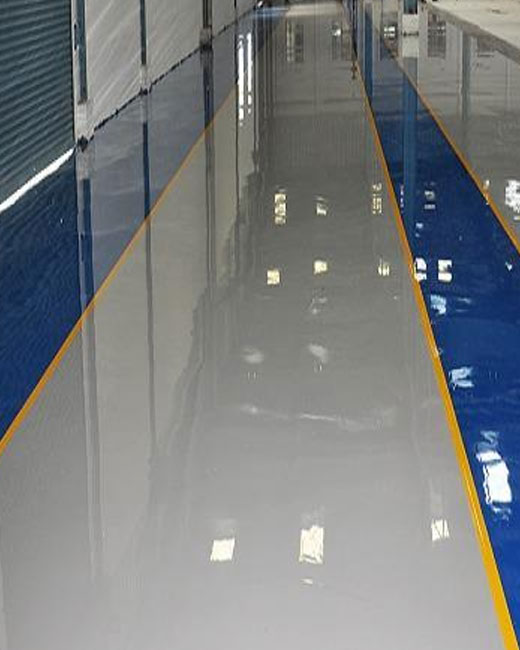
I spent considerable time researching current trends in epoxy floor colors, discovering that two-tone combinations create visual interest while serving practical purposes like defining work zones. Gray and white combinations emerged as timeless classics that complement most décor styles while hiding dirt and imperfections better than solid colors. These neutral combinations provide flexibility for future design changes without requiring complete floor refinishing.
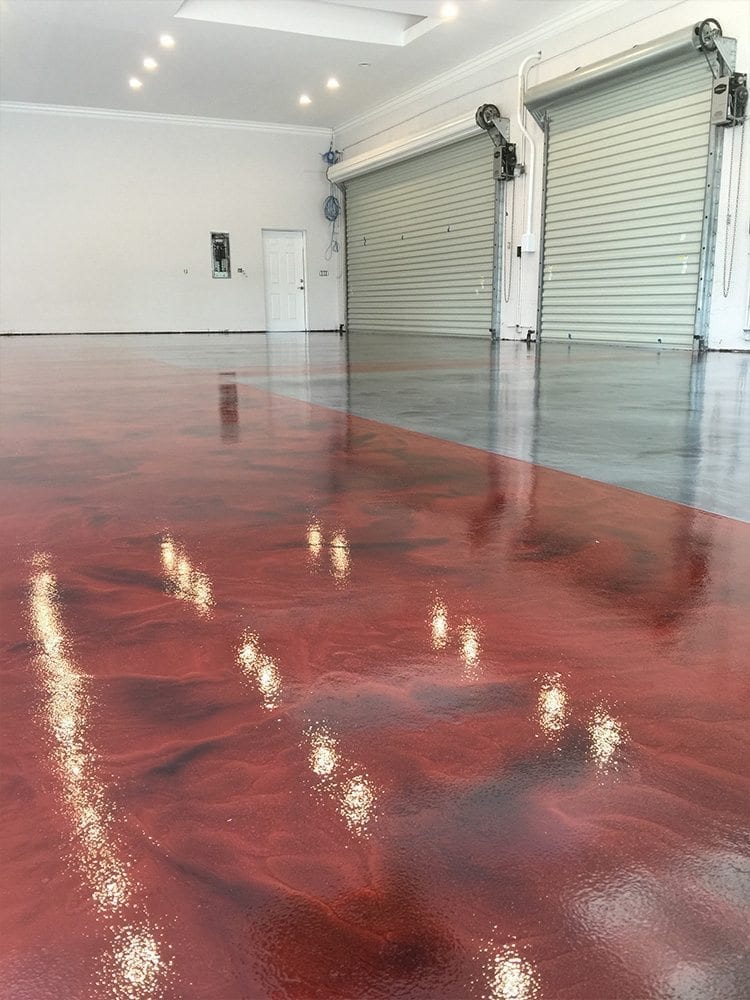
Metallic finishes caught my attention with their ability to create depth and sophistication that rivals expensive flooring materials at a fraction of the cost and maintenance requirements. I tested copper and bronze metallic epoxies that created stunning visual effects under different lighting conditions throughout the day. The shimmer and movement in metallic finishes add luxury appeal while maintaining the durability needed for high-traffic areas.
Bold accent colors like bright blue or vibrant red work effectively when used sparingly as borders or design elements rather than primary floor colors that might become overwhelming over time. I incorporated orange safety stripes in my garage that serve both aesthetic and functional purposes by improving visibility and defining traffic patterns. Strategic color placement guides movement while creating dynamic visual interest that enhances rather than dominates the space.

Lighting Effects on Epoxy Color Appearance
Natural lighting conditions dramatically alter epoxy paint colors throughout the day, teaching me to test samples under various lighting scenarios before making final color selections. Colors that looked perfect under bright afternoon sun appeared completely different under fluorescent garage lighting or during evening hours. I learned to evaluate samples at different times and under all lighting conditions that would affect the finished floor.
Artificial lighting types influence color perception significantly, with LED lights revealing true colors while fluorescent fixtures can create color shifts that affect satisfaction with final results. I upgraded my garage lighting to LED fixtures before applying epoxy paint, ensuring optimal color rendition and eliminating unflattering color distortions. The investment in proper lighting enhanced both color appearance and workspace functionality for detailed projects.
Reflective properties vary among epoxy colors, with lighter shades bouncing more light around spaces while darker colors absorb light and can make areas feel smaller or dimmer. I chose semi-gloss finishes that balance light reflection with practical considerations like glare reduction during detailed work. The right balance of color and sheen creates comfortable lighting conditions while maintaining easy cleaning and maintenance characteristics.

Practical Considerations for Color Durability
I learned that certain colors show wear patterns, stains, and damage more readily than others, making maintenance requirements important factors in color selection for long-term satisfaction. Light colors reveal every speck of dirt and require frequent cleaning, while very dark colors show scratches, dust, and water spots that require different maintenance approaches. Mid-tone colors often provide the best balance of appearance and practical maintenance needs.
UV resistance varies among epoxy paint colors, with some fading or yellowing over time when exposed to sunlight through windows or open garage doors during extended periods. I researched UV-stable formulations and discovered that certain pigments maintain color integrity better than others in sun-exposed applications. Investing in quality UV-resistant epoxy prevents costly repainting projects caused by premature color degradation.
Chemical resistance considerations became important when I realized that automotive fluids, cleaning products, and other substances could stain or damage certain epoxy colors permanently. I tested samples with common garage chemicals and found that some colors resist staining better than others. This testing process helped me choose colors that maintain appearance despite exposure to oils, solvents, and cleaning agents used regularly.
Application Techniques for Different Color Effects
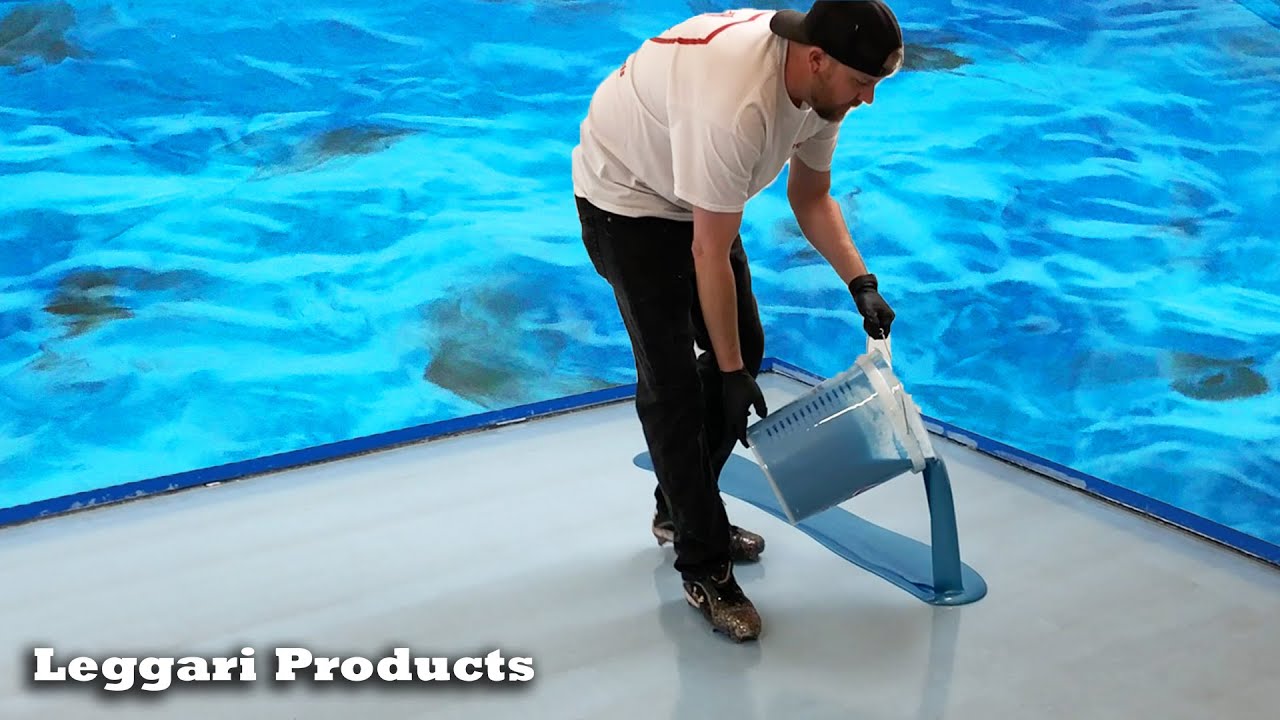
Single-color applications require careful attention to maintaining consistent coverage and avoiding streaks or variations that create uneven appearance across large surface areas like garage floors. I learned proper roller techniques and worked in systematic patterns to ensure uniform color depth and finish quality. Maintaining wet edges while working prevents lap marks that become visible once the epoxy cures completely.
Multi-color techniques, including flakes, chips, and marbling effects, add visual texture and help camouflage imperfections while creating custom appearances that reflect personal style preferences. I experimented with decorative flake systems that combine multiple colors for complex, sophisticated finishes that rival expensive commercial flooring. These techniques require practice but produce stunning results that exceed expectations for DIY projects.
Stenciling and masking allow precise color placement for logos, patterns, or functional markings that serve both decorative and practical purposes in garage and workshop environments. I created parking guides and tool organization zones using contrasting colors that improve functionality while adding visual appeal. Proper masking techniques ensure clean lines and professional results that enhance overall project quality and personal satisfaction.
Maintenance and Touch-Up Strategies
Color-matched touch-up materials became essential when I realized that minor damages and wear spots would eventually require attention to maintain optimal floor appearance over time. I purchased extra paint for future touch-ups and documented the exact color formulation for future reference when reordering materials. Keeping detailed records prevents color matching problems that could result in visible repair patches.
Cleaning product compatibility varies among epoxy colors, with some cleaners causing discoloration or damage to specific pigments that affect long-term appearance and durability. I tested various cleaning products on sample areas before using them on the main floor surface. Understanding which products work safely with specific colors prevents accidental damage during routine maintenance activities.
Preventive measures, including mats, furniture pads, and careful handling of tools and equipment, help preserve epoxy floor colors and extend the time between major maintenance or refinishing projects. I established protocols for protecting high-wear areas and addressing spills immediately to prevent permanent staining. These simple precautions maintain color vibrancy and overall appearance while reducing long-term maintenance costs and effort requirements.

Which epoxy floor paint colors are most popular for garages?
Gray remains the most popular choice for garage floors due to its ability to hide dirt, oil stains, and tire marks while complementing most décor styles and storage systems. I’ve seen countless variations from light dove gray to charcoal, with medium gray tones offering the best balance of practicality and appearance. Blue and beige also rank highly among homeowners seeking colors that feel less industrial while maintaining excellent stain-hiding properties.
Do darker epoxy colors show more scratches and wear marks?
Yes, darker colors typically reveal scratches, scuff marks, and dust more readily than lighter shades, though they excel at hiding oil stains and certain types of discoloration. I discovered that very dark colors like black show every footprint and water spot, requiring more frequent cleaning to maintain appearance. Medium-tone colors often provide the best compromise between hiding stains and minimizing visible wear patterns over time.

How do I test epoxy paint colors before committing to a full application?
I recommend applying test patches in multiple areas with different lighting conditions and observing them for several days before making final decisions about color selection. Purchase small quantities of your top color choices and apply 2-foot square samples that represent the actual thickness and finish you’ll use. Evaluate samples under all lighting conditions you’ll experience, including natural daylight, artificial lighting, and evening conditions.
Can I mix different epoxy paint colors to create custom shades?
Most epoxy manufacturers offer color matching services and allow mixing within their product lines, but I recommend professional color matching rather than attempting DIY mixing for consistent results. Improper mixing ratios can affect curing properties and durability, potentially compromising the floor’s performance and longevity. Custom colors often require larger minimum orders, so factor additional costs and timing into your project planning and budget considerations.
How long do epoxy floor paint colors typically maintain their appearance?
Quality epoxy floor paints maintain color integrity for 5-10 years with proper application and maintenance, though high-traffic areas may show wear sooner than protected zones. UV exposure, chemical exposure, and traffic levels all affect color longevity, with properly maintained floors in garages typically lasting 7-10 years before needing refinishing. I’ve found that investing in quality materials and proper surface preparation significantly extends color life and overall satisfaction.
What colors work best for hiding stains and imperfections in epoxy floors?
Medium-toned colors like gray, beige, and brown excel at camouflaging various stains, dirt, and minor imperfections that develop over time in active garage environments. I’ve found that colors with slight texture or speckled patterns hide imperfections better than solid colors with high-gloss finishes. Avoid pure white or black if stain hiding is a priority, as these extremes show every mark and require frequent cleaning to maintain optimal appearance.

Decorative Concrete Best garage floor coating, White wooden

Epoxy Gloss Paint Cold Cure – Rizistal EC250

Armourflo epoxy garage floor

Blue Garage Floor Paint
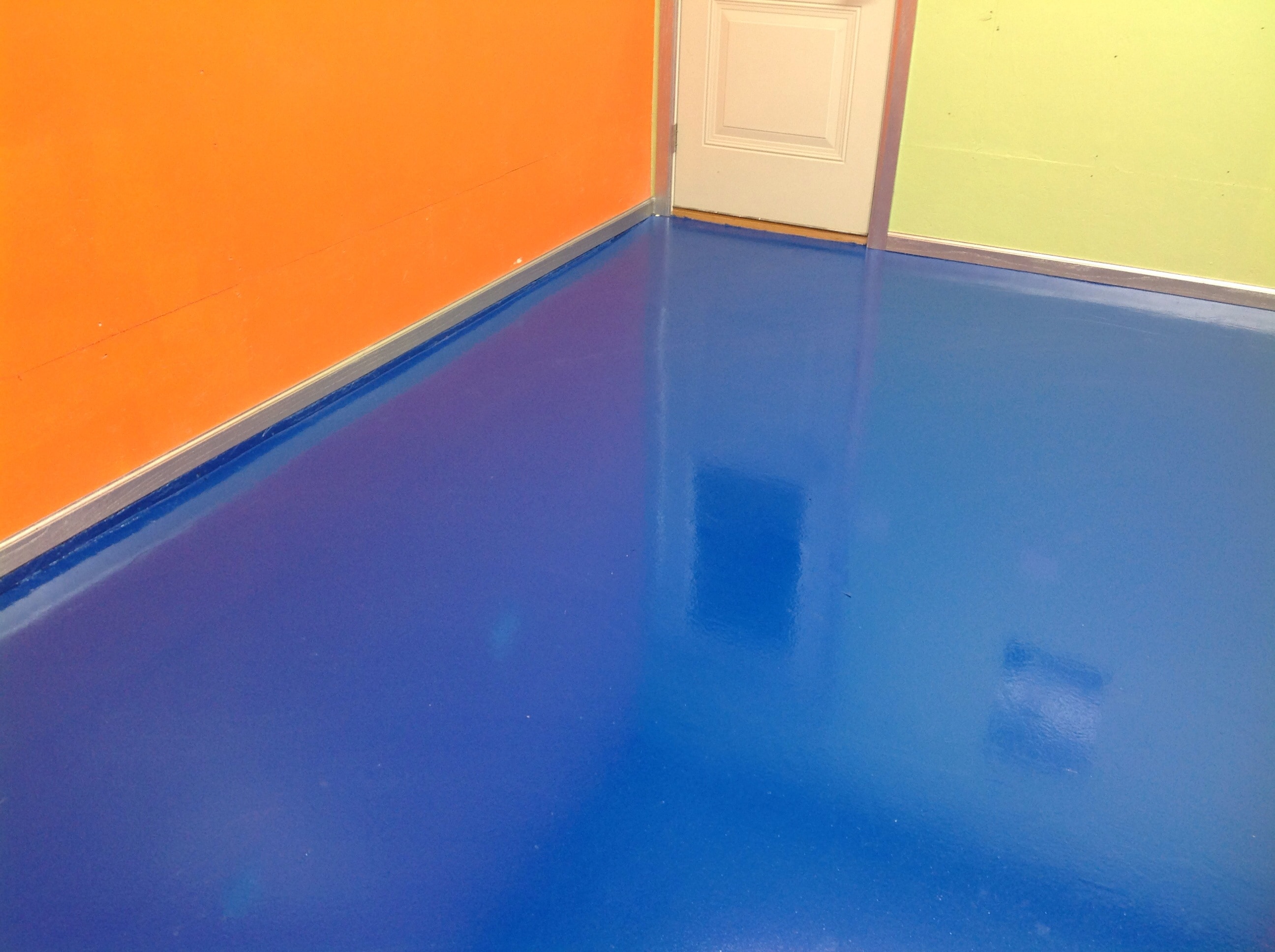
Classic Finish epoxy in custom color (Maui Blue). #epoxy #garage

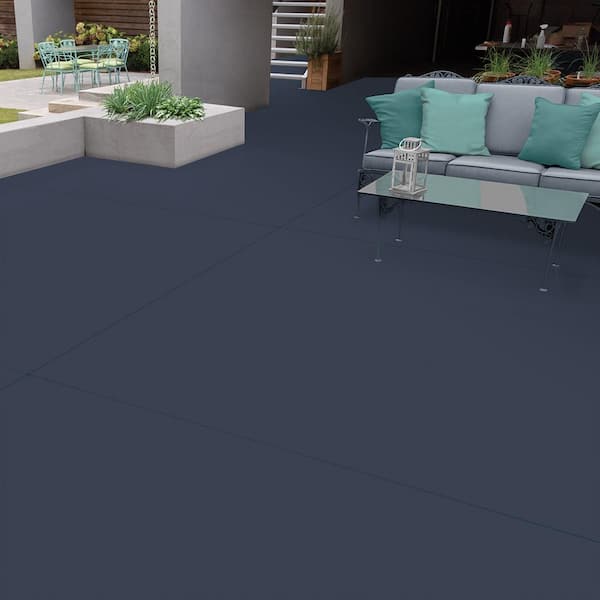
BEHR PREMIUM 1 gal. #S530-7 Dark Navy Self-Priming 1-Part Epoxy
Related Posts: