When I first heard about parquet cork flooring, I was skeptical about its durability and appearance in my living room renovation project. After researching traditional hardwood options and laminate alternatives, I discovered cork’s unique properties and stunning visual appeal that completely changed my perspective. The combination of parquet patterns with cork’s natural warmth and sustainability convinced me to take the plunge three years ago. Installing cork parquet transformed my space into a conversation starter that guests always notice and compliment, while providing comfort and environmental benefits I never expected.
Discovering the Beauty and Versatility of Cork Parquet
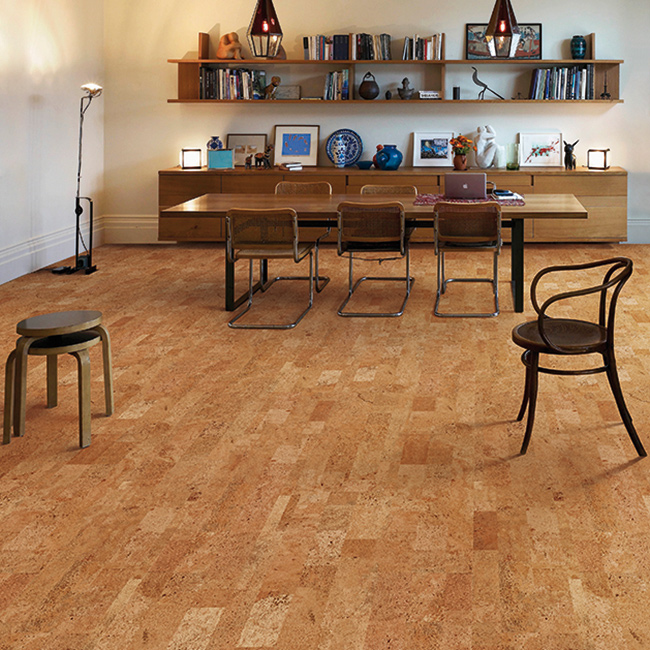
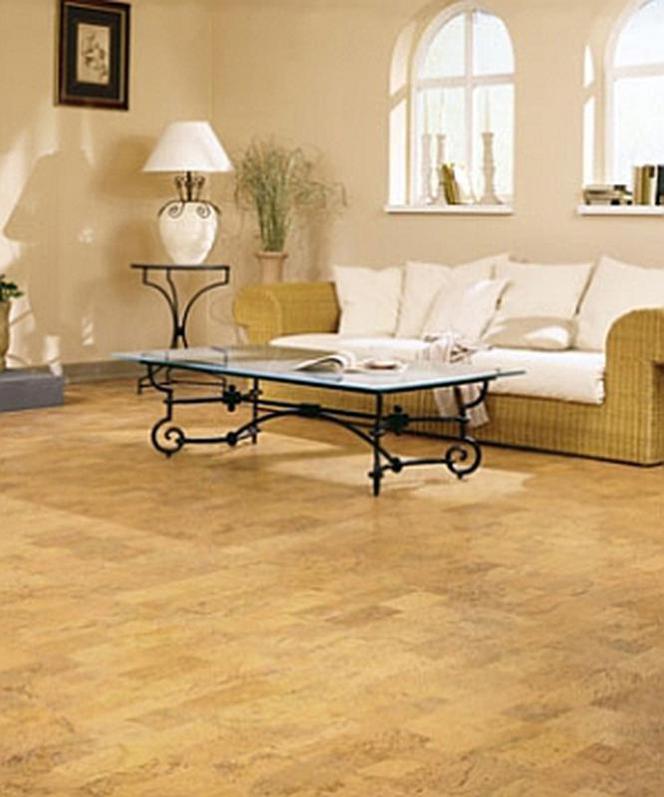
I initially dismissed cork flooring as too casual for my formal living areas, but visiting showrooms opened my eyes to the sophisticated patterns and rich textures available in modern cork parquet designs. The intricate geometric patterns rival traditional hardwood parquet while offering unique grain variations that create visual depth impossible to achieve with wood. I was amazed by the range of colors and finishes that complement both contemporary and traditional interior design styles.
The natural variation in cork creates subtle differences between tiles that add character and prevent the monotonous appearance common in manufactured flooring products. Each piece tells its own story through unique patterns and color variations that emerge from the cork oak’s natural growth process. I found this organic quality particularly appealing after years of living with perfectly uniform laminate flooring that felt sterile and artificial.
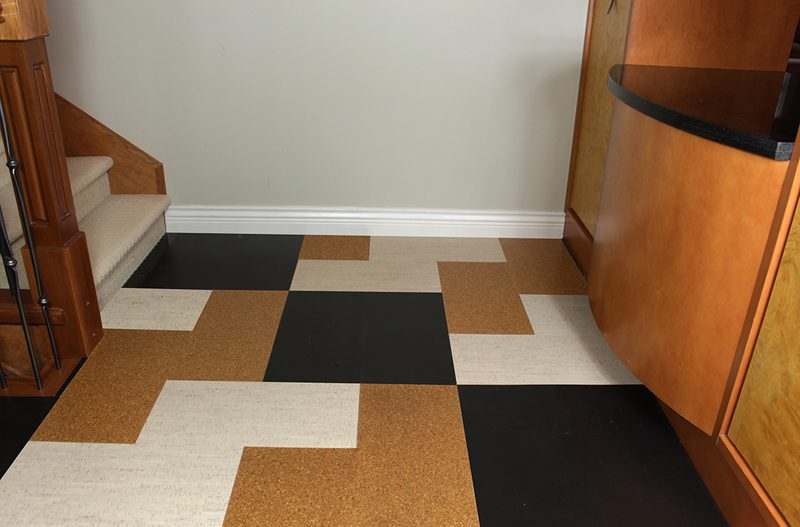
Pattern options surprised me with their complexity and elegance, from classic herringbone and basket weave to contemporary geometric designs that serve as architectural focal points. I chose a traditional parquet pattern that echoes the historic character of my 1920s home while incorporating modern cork technology for improved durability and comfort. The installation creates visual interest that draws attention upward, making rooms appear larger and more sophisticated.
Installation Challenges and Professional Techniques
I attempted DIY installation initially but quickly realized that parquet patterns require precise cutting, fitting, and alignment that exceed typical homeowner skills and available tools. The intricate patterns demand professional expertise to ensure proper spacing, level transitions, and pattern continuity across room boundaries and around obstacles. I hired experienced installers who completed the project efficiently while achieving the flawless results I envisioned.
Subfloor preparation proved more critical than anticipated, requiring perfect levelness and moisture control to prevent pattern distortion and premature wear in high-traffic areas. My installers spent significant time addressing minor subfloor irregularities that would have caused problems with the intricate parquet pattern alignment. The extra preparation time added to project costs but ensured long-term performance and visual appeal.
Acclimation requirements demanded patience as cork tiles needed several days to adjust to room temperature and humidity conditions before installation could begin successfully. I learned that rushing this process leads to expansion and contraction issues that disrupt pattern alignment and create gaps between pieces. The waiting period proved worthwhile when I saw how perfectly the properly acclimated tiles fit together without future movement problems.

Daily Living with Cork Parquet Flooring
Walking on cork parquet feels completely different from traditional hardwood or tile surfaces, providing natural cushioning that reduces foot fatigue during long cooking sessions in my kitchen. The soft, warm surface creates a welcoming atmosphere that encourages barefoot walking and floor sitting during family gatherings. I notice the comfort difference, particularly when standing for extended periods while entertaining or working in areas with cork flooring.
Sound absorption properties became apparent immediately after installation, dramatically reducing noise transmission between floors and creating quieter living spaces that enhance relaxation and conversation. My upstairs neighbors commented on the reduced impact noise, while I enjoyed the peaceful environment cork created in my own home. The acoustic benefits prove especially valuable in open floor plans where sound control can be challenging.
Temperature regulation surprised me with cork’s natural insulating properties that keep floors comfortable year-round without the shock of cold surfaces in winter months. The cellular structure traps air and provides thermal insulation that reduces heating costs while maintaining comfortable surface temperatures. I appreciate not needing area rugs for warmth, allowing the beautiful parquet pattern to remain visible and unobstructed throughout the year.

Maintenance Routines and Long-Term Care
Daily cleaning requires only gentle sweeping and occasional damp mopping with pH-neutral cleaners specifically designed for cork surfaces to maintain appearance and protective finishes. I avoid harsh chemicals and excessive water that could damage the cork or compromise the protective coating applied during manufacturing. Regular maintenance proves simpler than hardwood care while providing similar aesthetic results with less effort and expense.
Periodic refinishing needs depend on traffic levels and care quality, but cork parquet typically requires attention every 5-7 years to maintain optimal appearance and protection. I’ve noticed minor wear in high-traffic areas after three years, but the damage remains superficial and easily addressed through professional refinishing services. The ability to refresh cork floors extends their lifespan significantly compared to replacement-only flooring options.
Protective measures include furniture pads, area rugs in high-traffic zones, and prompt cleanup of spills to prevent staining or moisture damage to the natural cork material. I learned to address scratches and dents immediately using cork-specific repair products that blend seamlessly with surrounding surfaces. Prevention through proper care proves more effective and economical than major repairs or refinishing projects.
Environmental Benefits and Sustainability
Cork harvesting practices fascinated me when I learned that cork oak trees aren’t cut down but instead have their bark harvested every 9-12 years, allowing continued growth and carbon sequestration. This renewable resource regenerates naturally without environmental damage, making cork flooring one of the most sustainable building materials available today. I feel good knowing my flooring choice supports forest conservation and reduces environmental impact compared to traditional hardwood options.
Manufacturing processes use minimal chemicals and energy compared to synthetic flooring alternatives, while cork’s natural properties eliminate the need for toxic adhesives and finishes in many applications. The low-impact production methods align with my environmental values while providing high-quality results that rival more resource-intensive flooring options. I appreciate supporting industries that prioritize sustainability without compromising performance or aesthetics.
End-of-life disposal presents fewer environmental concerns since cork decomposes naturally without releasing harmful chemicals into soil or groundwater systems like synthetic materials. When my cork floors eventually need replacement decades from now, I can dispose of them responsibly through composting or recycling programs. This complete lifecycle sustainability makes cork flooring an investment in both home value and environmental stewardship.
Cost Analysis and Long-Term Value
Initial investment in quality cork parquet flooring exceeded basic laminate costs but proved comparable to mid-range hardwood options when considering installation, materials, and long-term performance characteristics. I justified the expense through durability expectations, comfort benefits, and environmental considerations that add value beyond simple cost comparisons. The unique aesthetic appeal and conversation-starting qualities provide intangible benefits that enhance my home’s character and my satisfaction.
Maintenance costs remain lower than traditional hardwood due to cork’s natural resistance to moisture, insects, and wear patterns that require expensive repairs in other flooring types. I’ve saved money on heating bills due to cork’s insulating properties, while the comfortable surface reduces my need for area rugs and padding. These ongoing savings help offset the initial investment over time.
Resale value considerations suggest that unique, high-quality flooring like cork parquet appeals to environmentally conscious buyers and design-focused homeowners who appreciate distinctive features. Real estate professionals indicate that sustainable building materials increasingly influence buyer decisions, particularly in markets where environmental consciousness drives purchasing decisions. The investment in cork flooring positions my home favorably for future sale while providing immediate lifestyle benefits.
How durable is parquet cork flooring in high-traffic areas?
Cork parquet proves surprisingly durable when properly installed and maintained, though it requires more care than ceramic tile or luxury vinyl in extremely high-traffic commercial applications. My three-year experience shows minimal wear in normal residential traffic patterns, with only slight compression in doorways and furniture areas. Quality cork flooring with proper protective finishes can last 15-25 years with appropriate maintenance and periodic refinishing.
Can cork parquet flooring be installed in bathrooms and kitchens?
Yes, but moisture control becomes critical for successful long-term performance in wet areas where spills and humidity could damage unsealed cork materials. I successfully installed cork parquet in my powder room using marine-grade sealers and ensuring proper ventilation to prevent moisture accumulation. Kitchen installation requires immediate spill cleanup and adequate sealing around appliances to prevent water damage from plumbing leaks.

How does cork parquet compare to traditional hardwood in terms of comfort?
Cork provides significantly more cushioning and warmth than hardwood due to its cellular structure that compresses slightly underfoot, reducing joint stress and fatigue. The natural insulation keeps surface temperatures comfortable year-round, eliminating the cold shock common with hardwood floors in winter months. I notice less leg and back fatigue when standing for extended periods on cork compared to harder surfaces.
What maintenance is required to keep cork parquet looking its best?
Daily maintenance involves gentle sweeping and occasional damp mopping with cork-specific cleaners that won’t damage protective finishes or the natural material underneath. I avoid steam cleaning, harsh chemicals, and excessive water that could penetrate seams and cause expansion or delamination problems. Annual professional cleaning and periodic refinishing every 5-7 years maintain optimal appearance and protective properties.

Is cork parquet flooring suitable for homes with pets and children?
Cork’s natural antimicrobial properties and soft surface make it excellent for families with children who play on floors frequently, providing comfort and hygiene benefits. Pet owners appreciate the easy cleanup and odor resistance, though sharp claws can damage the surface if pets aren’t trained properly. I’ve found that cork handles normal family activities well while providing a safer, more comfortable surface than harder flooring options.
How does the cost of cork parquet compare to other premium flooring options?
Cork parquet costs fall between mid-range hardwood and luxury vinyl, typically ranging from $8-15 per square foot installed, depending on pattern complexity and quality level. While more expensive than basic laminate, the durability, comfort, and environmental benefits justify the investment for many homeowners seeking sustainable luxury options. Long-term value includes reduced maintenance costs and energy savings that offset higher initial expenses over time.
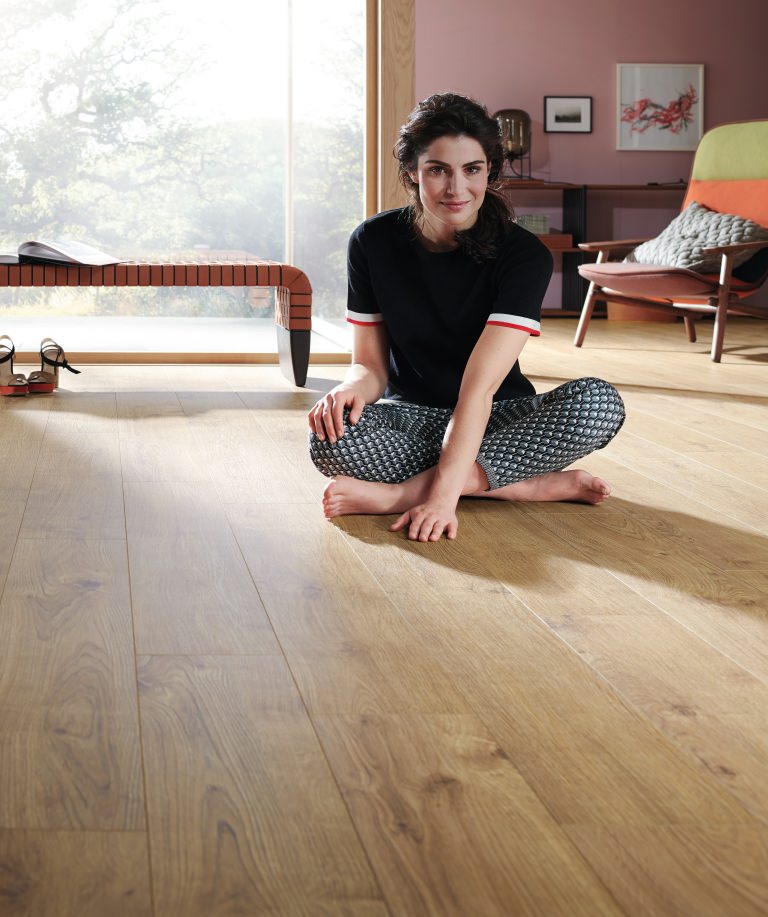
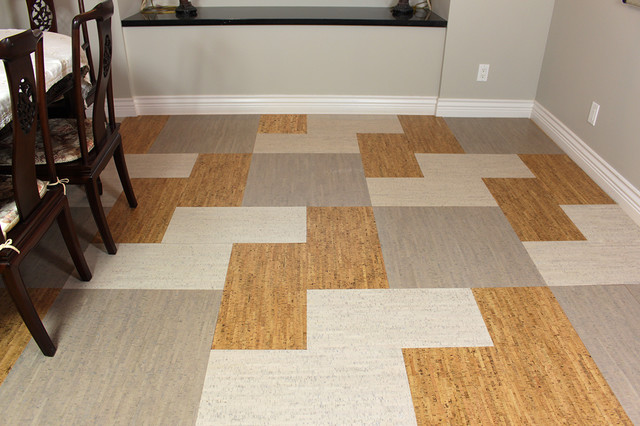
Parquet Flooring cork tiles design – Contemporary – Dining Room
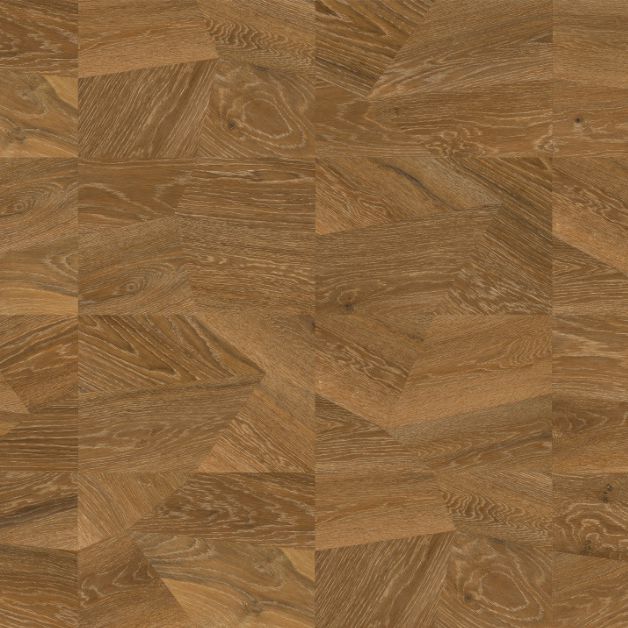
Engineered parquet floor – 53 008 01 – Granorte Revestimentos de
Flooring Services Company
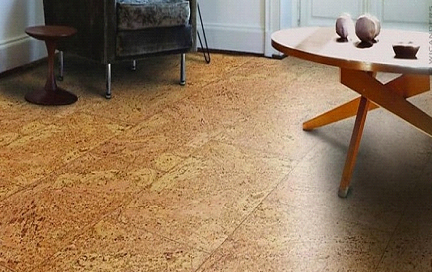
Bleached Birch – 5/16 Inch (8mm) – Cork Tile Glue Down (Floor and Wall)
Related Posts: