Epoxy floor painting is a popular choice for both residential and commercial spaces due to its durability, easy maintenance, and aesthetic appeal. Whether you’re looking to upgrade a garage, basement, kitchen, or retail space, epoxy coatings offer endless design possibilities. From solid colors to intricate patterns, metallic finishes to textured effects, there are countless ways to customize your floors. Here are some creative epoxy floor painting ideas and insights to help you choose the perfect style for your space.
Solid Color Epoxy Floors
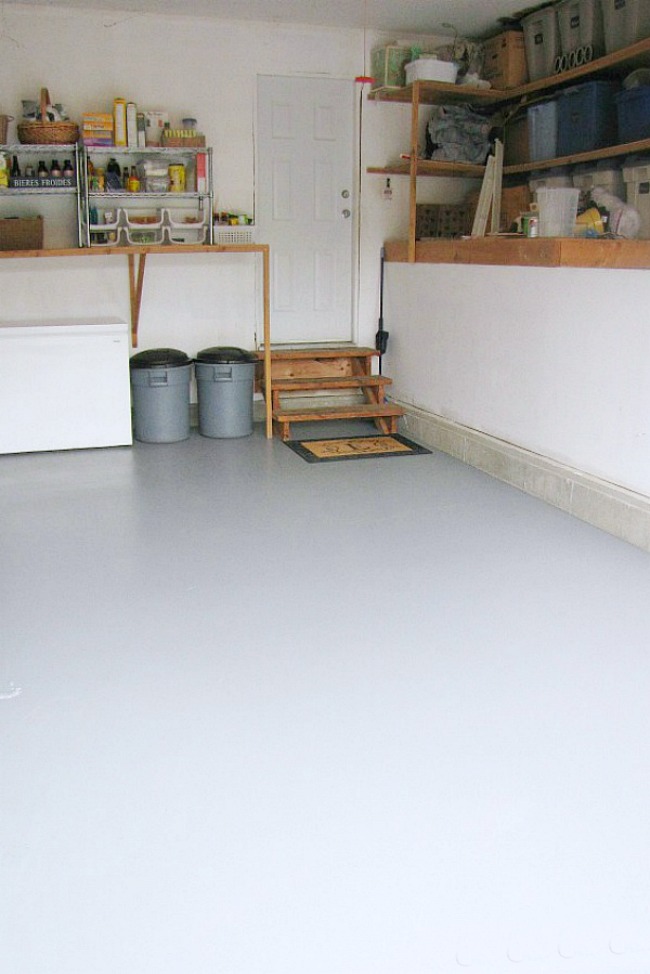
Solid color epoxy floors are a timeless and versatile option for any space. These floors provide a clean, uniform look that works well in garages, workshops, and even modern homes. You can choose from a wide range of colors, including classic shades like gray, beige, or white, or opt for bolder hues like blue, red, or green. The smooth, seamless finish not only looks sleek but also makes cleaning effortless, as there are no grout lines or uneven surfaces to trap dirt.
One of the biggest advantages of solid color epoxy is its ability to brighten up a room. Light colors reflect light, making spaces appear larger and more open. This is especially useful in basements or garages with limited natural light. Darker shades, on the other hand, can create a sophisticated, high-end look while hiding minor stains and imperfections. Whether you prefer a minimalist aesthetic or a bold statement, solid epoxy colors offer a practical yet stylish solution.
Durability is another key benefit of solid epoxy floors. The coating resists scratches, chemicals, and heavy foot traffic, making it ideal for high-use areas. It’s also moisture-resistant, preventing water damage in places like laundry rooms or kitchens. With proper installation and maintenance, a solid color epoxy floor can last for years without fading or peeling. This makes it a cost-effective choice for homeowners and business owners alike.
Metallic Epoxy Floors
Metallic epoxy floors create a stunning, high-gloss finish that mimics the look of polished stone or liquid metal. This style is perfect for those who want a luxurious, eye-catching floor in their home or commercial space. The metallic pigments blend seamlessly into the epoxy, creating swirling, marbled effects that are unique to each installation. Popular color combinations include silver and blue, copper and gold, or even multicolored designs for a more artistic touch.
The reflective quality of metallic epoxy adds depth and dimension to any room. When light hits the floor, it creates a dynamic, almost three-dimensional appearance that changes depending on the viewing angle. This makes it an excellent choice for showrooms, retail stores, or upscale residential spaces. Additionally, metallic epoxy is highly customizable, allowing you to control the intensity of the metallic effect to suit your preferences, from subtle shimmer to bold, high-contrast swirls.
Beyond its visual appeal, metallic epoxy is just as durable as traditional epoxy flooring. It provides the same resistance to stains, chemicals, and abrasions, making it suitable for both residential and commercial use. The high-gloss finish is also easy to clean, requiring only regular sweeping and occasional mopping to maintain its shine. If you’re looking for a floor that combines artistry with functionality, metallic epoxy is an excellent choice.

Flake Flooring Systems
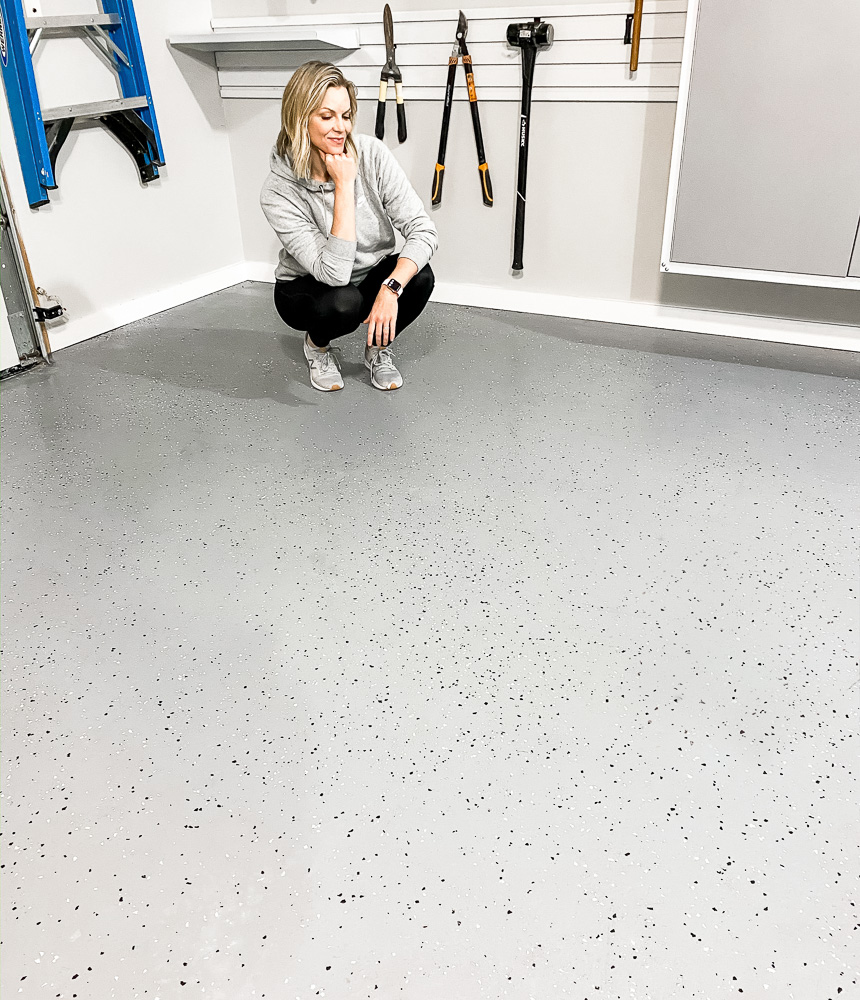
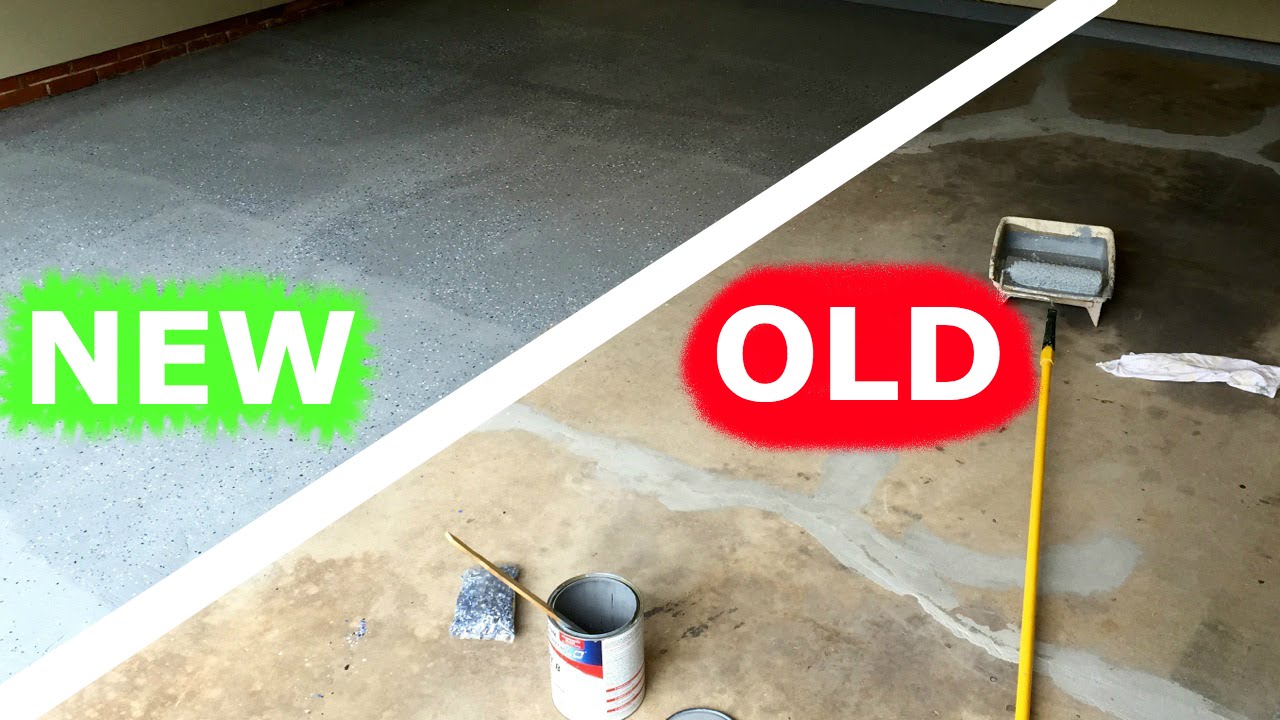
Flake flooring systems, also known as chip flooring, incorporate decorative vinyl or quartz flakes into the epoxy coating. These flakes add texture, color, and slip resistance, making them ideal for garages, patios, and commercial spaces. Available in various sizes and color blends, flake flooring allows for endless customization, from subtle speckles to dense, colorful coverage. The result is a vibrant, textured surface that hides dirt and minor imperfections.
One of the main benefits of flake flooring is its slip-resistant properties. The textured surface provides better traction, reducing the risk of slips and falls in wet or high-traffic areas. This makes it a practical choice for pool decks, restaurant kitchens, and industrial workplaces. Additionally, the flakes add an extra layer of durability, protecting the epoxy from wear and tear over time. The thicker the flake layer, the more resilient the floor becomes against heavy use.
Flake flooring is also highly customizable in terms of aesthetics. You can choose monochromatic flakes for a subtle look or mix multiple colors for a more dynamic effect. Clear epoxy coatings can be applied over the flakes to enhance their shine and protect the surface. Whether you want a rustic, industrial, or playful design, flake flooring offers both functionality and visual appeal.
Stenciled and Patterned Epoxy Floors
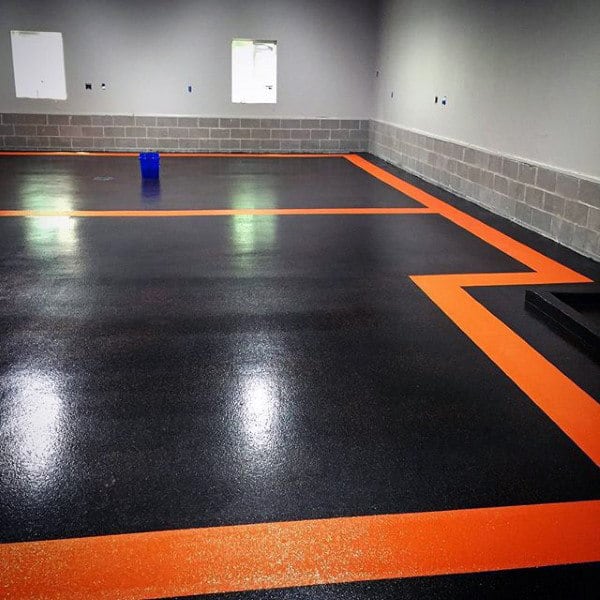
Stenciled and patterned epoxy floors allow for intricate designs, from geometric shapes to faux tile or wood looks. This method involves applying stencils or templates onto the epoxy base and filling them with different colors or textures. Popular patterns include checkerboard, herringbone, and even custom logos for commercial spaces. The result is a high-end, customized floor that stands out.
One advantage of stenciled epoxy is its ability to replicate expensive materials like marble or hardwood at a fraction of the cost. For example, a wood-look epoxy floor provides the warmth of hardwood without the maintenance concerns, such as scratching or water damage. Similarly, a faux tile design can give bathrooms or kitchens an upscale appearance without the hassle of grout lines. The possibilities are nearly endless, limited only by creativity.
Durability remains a key feature, as the epoxy coating protects the design from fading, chipping, or peeling. This makes stenciled epoxy ideal for both residential and high-traffic commercial areas. Whether you want a subtle border, a bold centerpiece, or a full-floor mural, stenciled epoxy offers a unique way to personalize your space.

Glow-in-the-Dark Epoxy Floors
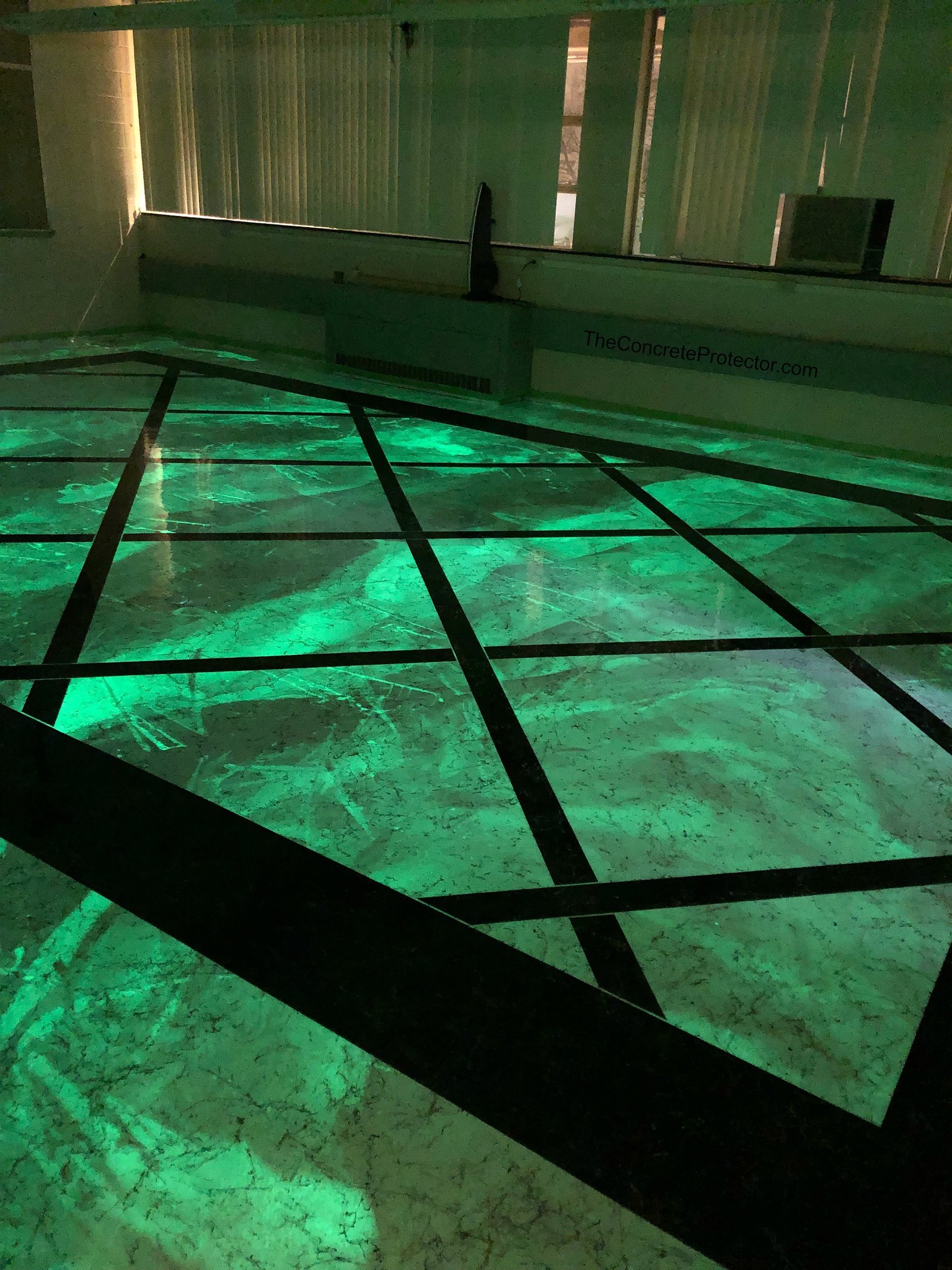
Glow-in-the-dark epoxy floors add a fun and functional twist to any room. These floors contain phosphorescent pigments that absorb light during the day and emit a soft glow at night. They’re perfect for game rooms, kids’ bedrooms, or even outdoor pathways. You can choose full-floor glow effects or incorporate glowing accents within a larger design.
Beyond their novelty, glow-in-the-dark floors improve safety in low-light areas. Staircases, hallways, and emergency exits can benefit from this feature, providing visibility without electricity. The glow effect can last for hours, depending on the quality of the pigments used. Combining glow elements with other epoxy styles, such as metallic or flake, creates a truly unique look.
Installation involves mixing glow powder with clear epoxy and applying it as a topcoat. The effect works best over a light-colored base for maximum brightness. While not as common as other epoxy styles, glow-in-the-dark flooring is a creative way to make a statement while adding practical benefits.
Terrazzo-Style Epoxy Floors
Terrazzo-style epoxy floors mimic the classic look of traditional terrazzo, which combines chips of marble, quartz, or glass in a polished base. Epoxy terrazzo offers the same high-end appearance but with greater durability and easier installation. This style works well in modern homes, offices, and retail spaces, providing a sleek, upscale finish.
The design flexibility is a major advantage, as you can choose the size, color, and density of the aggregate chips. Smaller chips create a fine, uniform look, while larger pieces make a bold, artistic statement. The epoxy base can be tinted to complement or contrast with the chips, allowing for complete customization. A high-gloss topcoat enhances the depth and shine of the finished floor.
Epoxy terrazzo is also highly durable, resisting scratches, stains, and moisture. Unlike traditional terrazzo, which requires extensive labor and maintenance, epoxy terrazzo is easier to install and clean. It’s an excellent choice for those who want a luxurious, low-maintenance flooring option with timeless appeal.

What is the best epoxy floor color for a garage?
Neutral colors like gray, tan, or light blue are popular for garages because they hide dirt and provide a clean, professional look. Gray is especially practical as it doesn’t show oil stains as easily as lighter shades. If you prefer a bolder look, consider adding colored flakes or a metallic epoxy accent. Darker colors can also work but may show dust more visibly. Ultimately, the best color depends on your style preferences and how much maintenance you’re willing to do.
Can epoxy flooring be used outdoors?
Yes, epoxy can be used outdoors, but it requires UV-resistant additives to prevent yellowing or fading from sun exposure. Patios, pool decks, and walkways can benefit from epoxy’s durability and slip-resistant properties. However, proper surface preparation and a high-quality topcoat are essential to withstand weather conditions. For best results, consult a professional to ensure the epoxy formulation is suitable for outdoor use.
How long does epoxy flooring last?
With proper installation and maintenance, epoxy flooring can last 10 to 20 years or more. Factors like foot traffic, exposure to chemicals, and UV rays can affect longevity. Residential floors typically last longer than commercial or industrial floors due to lighter use. Regular cleaning and occasional resealing can extend its lifespan. Choosing a high-quality epoxy product and professional installation also plays a significant role in durability.

Is epoxy flooring slippery when wet?
Standard glossy epoxy can be slippery when wet, but additives like anti-slip aggregates or textured flakes can improve traction. For areas prone to moisture, such as bathrooms or pool decks, opting for a flake or quartz-filled epoxy system is recommended. Matte finishes also reduce slipperiness compared to high-gloss coatings. If safety is a concern, discuss slip-resistant options with your installer.
Can epoxy floors be repaired if damaged?
Yes, epoxy floors can be repaired if chipped or scratched. Small damages can be filled with fresh epoxy, while larger areas may require sanding and recoating. The repair process depends on the extent of the damage and the type of epoxy used. To minimize repairs, avoid dragging heavy sharp objects across the floor and clean spills promptly. Proper maintenance helps keep the floor looking new for years.
How much does epoxy flooring cost?
The cost of epoxy flooring varies based on factors like square footage, design complexity, and preparation work. Basic solid epoxy floors start around 3to7 per square foot, while decorative options like metallic or terrazzo-style can range from 8to15 per square foot. Professional installation adds to the cost but ensures proper adhesion and longevity. DIY kits are available but may not offer the same durability as professional-grade applications.
Epoxy Flooring Ideas to Extend the Life of Your Floors

Do-It-Yourself Epoxy Floor Coating
How to Paint a Garage Floor – Clean and Scentsible
HOW TO PAINT YOUR GARAGE FLOOR AMAZING RESTORATION!
Related Posts: