When I took over our family’s manufacturing business three years ago, the office space was a disaster. The original concrete floors were stained with decades of coffee spills, oil drips, and general wear that made our workspace look unprofessional and outdated. After researching flooring options that could handle heavy foot traffic while maintaining a polished appearance, I decided to install epoxy flooring throughout our 2,000-square-foot office complex. This decision transformed not only the aesthetic appeal of our workspace but also improved functionality, cleanliness, and employee morale. My journey with epoxy office floors taught me valuable lessons about preparation, application, maintenance, and the dramatic impact quality flooring can have on business operations and professional image.
Planning and Design Considerations for Office Spaces
Choosing the right epoxy system for our office required careful consideration of traffic patterns, functionality needs, and aesthetic goals. I spent weeks analyzing our daily operations, identifying high-traffic zones like entrances and conference areas that needed extra durability. The reception area required a different approach than the workshop offices, leading me to select varying thickness levels and decorative options for different zones.
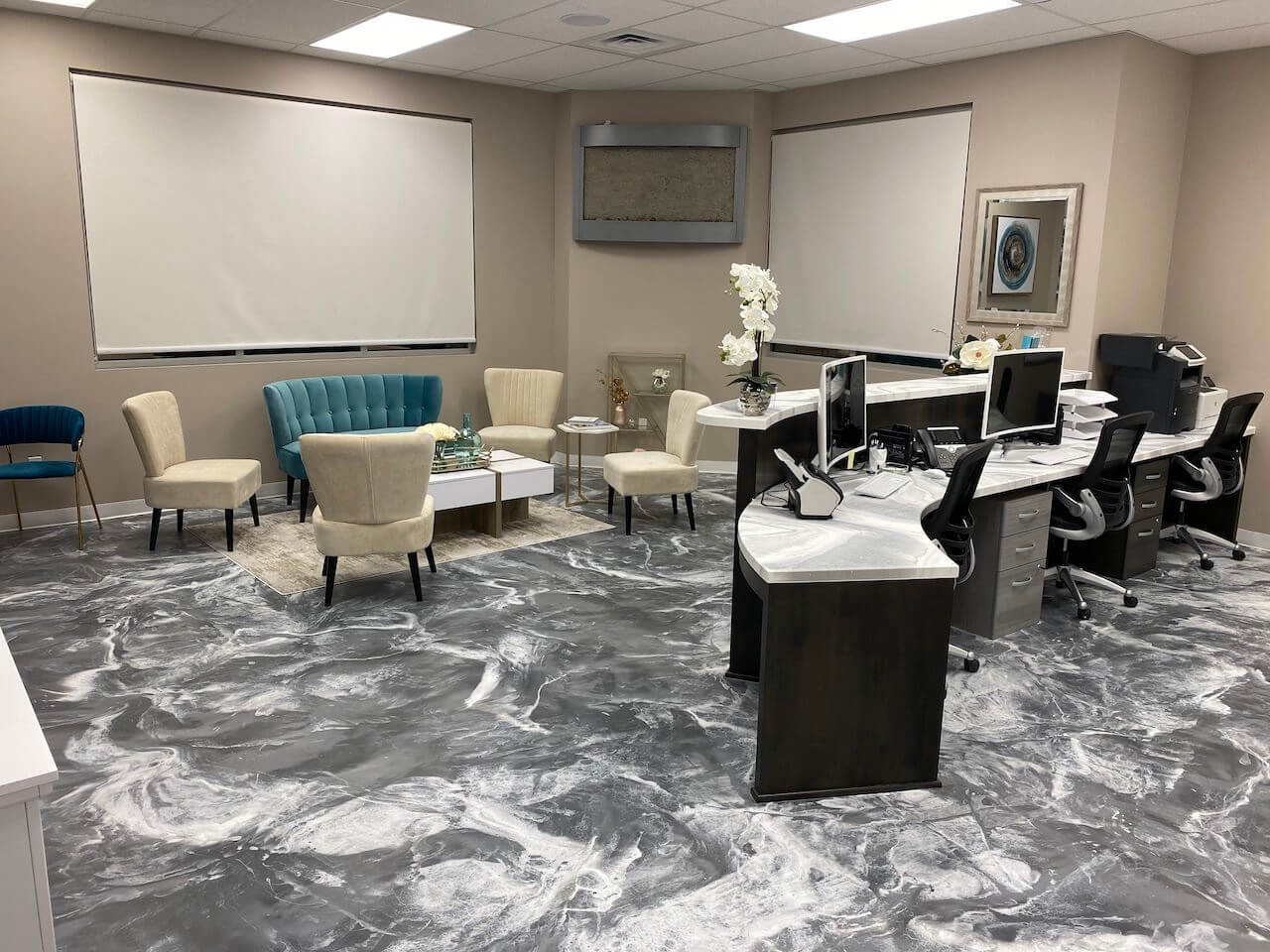
Color selection proved more complex than I anticipated. I wanted a professional appearance without sterile coldness. After reviewing dozens of samples, I chose a neutral gray base with subtle metallic flakes that would hide minor scratches while maintaining sophistication. The slight texture also provided better traction than solid colors, important for safety in areas where occasional spills occur.
I incorporated branding elements through colored borders and company logo embedment in the main reception area. This custom touch elevated our space from a generic industrial to a professionally branded environment. The epoxy contractor helped design these features, ensuring they would integrate seamlessly with the base coating while providing long-term durability and visual impact.
Surface Preparation and Its Critical Importance
The preparation phase consumed far more time and effort than I expected, but proved crucial for long-term success. Our contractor spent three full days grinding the existing concrete to remove all stains, sealers, and surface contaminants. Any residue would prevent proper adhesion and lead to premature failure, potentially requiring complete removal and restart.
Diamond grinding exposed fresh concrete and created the mechanical bond necessary for epoxy adhesion. The process generated enormous amounts of dust despite industrial vacuum systems, requiring careful coordination with ongoing business operations. We scheduled grinding during weekend hours to minimize disruption and protect office equipment from dust contamination.
After grinding, we performed multiple acid washes to neutralize alkalinity and open concrete pores for maximum penetration. Each cleaning cycle required thorough rinsing and pH testing before proceeding. The final surface had to be completely clean, dry, and properly etched. This preparation phase took longer than the actual epoxy application, but was essential for achieving professional results.
Application Process and Professional Techniques
The epoxy application required precise timing and environmental control. We scheduled installation during mild weather and used industrial dehumidifiers to maintain optimal humidity levels. Temperature and moisture significantly affect curing, and any deviations from manufacturer specifications could compromise the entire installation. Our contractor monitored conditions continuously throughout the process.
The primer coat application set the foundation for everything that followed. This thin penetrating layer sealed the concrete and provided maximum adhesion for subsequent coats. I learned that skipping primer is a common mistake that leads to failures years later. The primer needed complete curing before base coat application, extending the project timeline but ensuring proper bonding.
Multiple base coats built up the desired thickness and durability. Each coat required specific dwell times and light sanding between applications. The decorative flakes were broadcast into the final wet coat at precise coverage rates for uniform appearance. Timing was critical, too early and flakes sink in, too late and they don’t bond properly.
Dealing with Business Operations During Installation
Coordinating epoxy installation with ongoing business operations required careful planning and employee communication. I divided the office into phases, completing sections while maintaining functionality in others. This approach extended the project timeline but allowed us to continue operations without major disruption to client services or employee productivity.
Temporary office arrangements became necessary during installation phases. We set up workstations in completed areas and used portable barriers to separate work zones from installation areas. The strong chemical odors required enhanced ventilation and limited access during curing periods. Some employees worked remotely during the most intensive phases.
Client meetings and deliveries needed special coordination during the installation period. I scheduled important meetings off-site and arranged alternative delivery access points. Clear communication with all stakeholders prevented confusion and maintained professional relationships despite temporary limitations. The short-term inconvenience was worth the long-term benefits we achieved.
Performance and Durability Over Three Years
The durability has exceeded my expectations despite heavy daily use by 25 employees and frequent client visits. The epoxy surface shows minimal wear even in high-traffic areas like entrances and corridors. Rolling office chairs, dropped tools, and occasional chemical spills have had no lasting impact on the floor’s appearance or integrity.
Maintenance has proven remarkably simple compared to our previous flooring. Daily dust mopping and weekly wet mopping with neutral cleaners keeps the floors looking professionally maintained. The seamless surface eliminates dirt-trapping grout lines and provides easy cleanup of spills that would have permanently stained our old concrete floors.
The professional appearance has positively impacted our business image and employee pride. Clients consistently comment on our facility’s clean, modern appearance. The improved lighting reflection from the glossy surface has reduced our electrical costs while creating a brighter, more pleasant work environment that employees appreciate daily.
Cost Analysis and Return on Investment
The initial investment of $8,000 for our 2,000-square-foot space seemed substantial but has proven excellent value over three years. Compared to alternative flooring options like tile or carpet, epoxy provided superior durability and lower long-term maintenance costs. The installation cost per square foot was competitive with quality alternatives while offering better performance characteristics.
Long-term savings have been significant. Reduced cleaning time, eliminated carpet replacement costs, and lower maintenance requirements have saved approximately $2,000 annually. The improved professional appearance has helped secure new clients and contracts that more than justify the initial investment. Employee satisfaction and reduced sick days from improved air quality add intangible value.
The resale value improvement for our facility has been substantial. Recent property appraisals indicated the epoxy floors added considerable value, important for our business asset portfolio. Professional-grade flooring is increasingly expected in modern office environments, making this investment essential for maintaining competitive facility standards.

Long-Term Maintenance and Care Strategies
My maintenance routine focuses on prevention rather than correction. Daily dust mopping removes abrasive particles that could scratch the surface over time. I use microfiber mops exclusively because traditional string mops can leave lint and streaks on the glossy surface. Entrance mats capture most dirt before it reaches the epoxy.
Weekly wet mopping with pH-neutral cleaners maintains the surface without damaging the topcoat. I avoid acidic or alkaline cleaners that could etch or dull the finish. The key is using minimal moisture and ensuring complete drying to prevent water spots. Immediate cleanup of spills prevents staining and maintains the professional appearance.
Annual professional inspection and maintenance ensure long-term performance. I have the floors professionally cleaned and inspected yearly, addressing any minor issues before they become major problems. The contractor checks for wear patterns, adhesion issues, or damage that might require attention. This preventive approach protects my investment and maintains optimal appearance.

How disruptive is epoxy floor installation to normal office operations?
Epoxy installation can be significantly disruptive if not properly planned, but with careful coordination, business operations can continue with minimal interruption. I divided our installation into phases, completing sections while maintaining functionality elsewhere. The most disruptive aspects are chemical odors during application and curing, which require enhanced ventilation and may necessitate temporary relocation. The grinding phase generates substantial dust and noise, best scheduled during off-hours. Plan for 3-5 days of reduced capacity and consider temporary workstation arrangements. Clear employee communication and client notification prevent confusion and maintain professional relationships.
What are the long-term maintenance costs compared to carpet or tile flooring?
Epoxy maintenance costs are significantly lower than carpet or tile over time. My annual maintenance budget is approximately $500 for professional cleaning and minor touch-ups, compared to $1,500+ for carpet cleaning, replacement, and tile grout maintenance. Daily maintenance requires only dust mopping and occasional wet cleaning with standard equipment. No special tools or expensive cleaning products are needed. The seamless surface eliminates costly grout cleaning and carpet shampooing. Over ten years, I estimate saving $10,000+ in maintenance costs compared to traditional flooring options, making epoxy an excellent long-term investment.
How does epoxy flooring affect office acoustics and employee comfort?
Epoxy creates a hard surface that can increase noise levels compared to carpet, but proper planning mitigates acoustic issues. I installed area rugs in conversation areas and used sound-absorbing ceiling tiles to control echoes. The smooth surface is comfortable for rolling chairs and easy walking, reducing fatigue compared to thick carpets. Temperature regulation is excellent; the floor doesn’t trap heat or cold like some materials. However, standing for long periods requires anti-fatigue mats in work areas. Overall, employee feedback has been positive, citing easier movement, cleaner appearance, and reduced allergy issues compared to our previous carpeted areas.
Can epoxy floors handle heavy office equipment and furniture without damage?
Properly installed epoxy floors handle typical office loads exceptionally well. My floors support heavy filing cabinets, industrial printers, and workshop equipment without indentation or cracking. The key is using furniture pads under heavy items to distribute weight and prevent scratching during movement. Rolling loads like equipment carts and office chairs cause no damage with normal use. I’ve moved heavy machinery across the floors using proper techniques without issues. However, extreme point loads or impacts can damage any flooring system. The epoxy’s seamless nature actually distributes loads better than tile systems with grout joints that can crack under stress.

What happens if the epoxy floor gets damaged, and how easy is it to repair?
Minor epoxy damage, like scratches or small chips, can often be repaired without full replacement. I’ve successfully addressed small issues using touch-up kits provided by the original contractor. The seamless nature makes spot repairs more challenging than tile replacement, but skilled applicators can blend repairs invisibly. Major damage may require section removal and reapplication, which is more involved but still possible. Prevention through proper maintenance and protective measures is key. I keep detailed records of the original installation, including product specifications and contractor information for future repair needs. Professional assessment determines whether repair or replacement is most cost-effective.
How long does epoxy flooring typically last in a busy office environment?
Quality epoxy installations in office environments typically last 10-15 years with proper maintenance, though some systems can perform well for 20+ years. My floors show minimal wear after three years of heavy use by 25 employees plus regular client traffic. The lifespan depends on traffic levels, maintenance quality, and installation standards. High-traffic areas may need touch-ups or topcoat renewal after 7-10 years, while low-traffic zones can go longer. Signs of replacement need include widespread wear, loss of adhesion, or extensive damage. The long lifespan makes epoxy cost-effective compared to flooring requiring replacement every 5-7 years, like carpet or vinyl.

Syracuse NY Epoxy Office Floors CNY Creative Coatings
LEED Sustainability Flooring Epoxy Floor Coatings Concrete Floors

Related Posts: