When my contractor first suggested cork flooring for my bathroom renovation, I laughed out loud. Cork in a bathroom? It seemed counterintuitive, even absurd. But after researching cork’s natural properties and living with it for three years, I’ve become a passionate advocate for this remarkable material. Cork’s antimicrobial qualities, water resistance when properly sealed, and incredible comfort underfoot have transformed my daily bathroom experience. My journey with cork flooring challenged every assumption I had about bathroom materials and opened my eyes to sustainable, healthy alternatives that perform beautifully in moisture-rich environments while providing unmatched comfort and warmth.
Understanding Cork’s Natural Properties for Bathroom Use
Cork’s cellular structure amazed me when I first examined it under magnification. Each cubic inch contains millions of air-filled cells that create natural insulation and cushioning. This honeycomb structure makes cork naturally buoyant, which is why wine bottles float, but it also provides remarkable resilience and comfort underfoot. I discovered that walking barefoot on cork feels warm and springy, unlike the cold, hard ceramic tiles.
The antimicrobial properties of cork initially seemed too good to be true. Cork naturally contains suberin, a waxy substance that resists moisture, mold, and bacterial growth. I’ve observed this firsthand in my bathroom, where areas that would typically develop mildew on other surfaces remain clean and fresh. This natural resistance reduces maintenance and creates a healthier bathroom environment, eliminating the need for chemical treatments.
Cork’s thermal properties provide year-round comfort that I never expected. Unlike ceramic or stone tiles that feel cold in winter, cork maintains a comfortable temperature regardless of season. The insulating qualities also reduce heating costs because the floor doesn’t conduct heat away from the room. During summer, cork doesn’t become uncomfortably warm like some synthetic materials can in direct sunlight.
Installation Challenges and Solutions I Encountered
Finding an installer experienced with cork proved more difficult than I anticipated. Many flooring contractors were unfamiliar with cork’s specific requirements, particularly regarding moisture barriers and sealing protocols. I interviewed seven contractors before finding one with adequate cork experience and proper insurance coverage for potential moisture-related issues that could arise during or after installation.
Subfloor preparation required extra attention to moisture control. My installer added a vapor barrier beneath the cork and ensured perfect levelness, as cork telegraphs even minor imperfections. We also addressed ventilation concerns, installing an exhaust fan rated for the room size and adding a small dehumidifier to maintain optimal humidity levels year-round.
The installation timing proved critical for success. We scheduled installation during a dry weather period and maintained consistent temperature and humidity throughout the process. Cork expands and contracts with moisture changes, so acclimation time was essential. We stored the cork planks in the bathroom for 48 hours before installation to adjust to the room’s conditions.

Sealing and Waterproofing Techniques That Work
Proper sealing became crucial for cork’s bathroom performance. I learned that standard cork sealer isn’t sufficient for bathroom applications. My installer used marine-grade polyurethane specifically designed for moisture-rich environments, applying three thin coats with careful attention to edges and joints where water penetration could occur over time.
The sealing process required patience and precision. Each coat needed complete drying before the next application, extending installation time significantly. We paid special attention to areas around the toilet, shower, and vanity where water exposure is highest. These zones received extra sealer coats for maximum protection against moisture infiltration.
I maintain the seal with annual inspections and reapplication every 2-3 years, depending on wear patterns. I test the seal by dropping water beads on the surface, if they absorb within 10 minutes, resealing is necessary. This maintenance schedule has kept my cork floors looking new and performing excellently despite daily moisture exposure.
Daily Maintenance and Care Routines
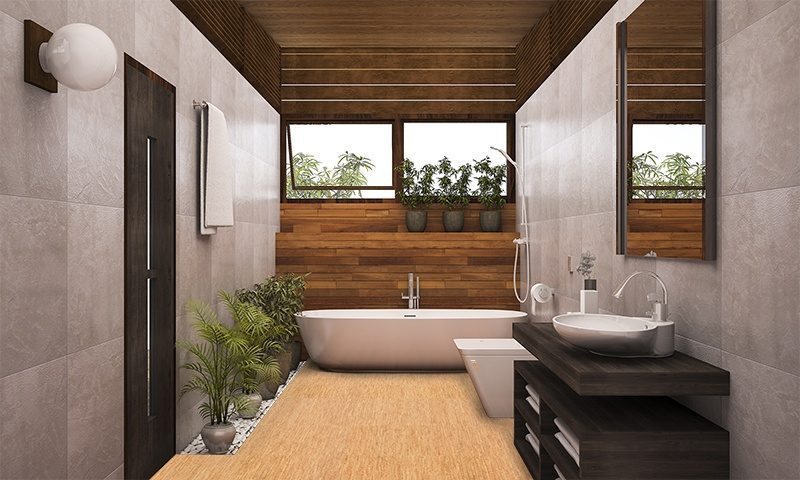
My daily cork maintenance routine is surprisingly simple and requires less effort than ceramic tiles. I use a microfiber dust mop each morning to remove hair and debris, then spot-clean any water spots or toothpaste spills immediately with a damp cloth. The key is addressing spills quickly before they can penetrate the sealer.
Weekly cleaning involves pH-neutral cork cleaner and a well-wrung mop. I avoid excessive water and never let standing water remain on the surface. Cork’s natural antimicrobial properties mean I don’t need harsh disinfectants that could damage the sealer. A simple cork-specific cleaner maintains both cleanliness and the protective coating.
I use bath mats strategically to protect high-splash areas without covering the entire floor. Quick-dry mats near the shower and vanity absorb excess moisture while allowing me to enjoy the cork’s comfort and warmth throughout most of the bathroom. Regular mat washing prevents moisture accumulation underneath that could compromise the sealer.

Performance Over Three Years of Use
The durability has exceeded my expectations despite initial concerns about cork in a bathroom environment. After three years, my cork floors show minimal wear even in high-traffic areas. The natural resilience bounces back from compression, and the sealed surface resists staining from typical bathroom products, including hair dyes, nail polish, and cosmetics that would permanently stain other materials.
Moisture performance has been excellent with proper sealing and maintenance. I’ve experienced no warping, swelling, or mold growth despite daily showers and occasional overflow situations. The cork’s natural moisture resistance, combined with quality sealing, creates a waterproof barrier that performs as well as traditional bathroom materials while providing superior comfort.
Temperature and humidity fluctuations haven’t affected the cork’s stability or appearance. Unlike hardwood that can gap or cup with seasonal changes, cork maintains consistent dimensions and appearance year-round. The natural flexibility accommodates minor movement without visible gaps or buckling, maintaining a seamless appearance throughout all seasons.
Sustainability and Health Benefits I’ve Experienced
Cork’s environmental credentials impressed me throughout my research. Cork oak trees aren’t cut down during harvesting; the bark regenerates every 9-12 years, making cork completely renewable. My cork floors contain no formaldehyde or toxic adhesives, contributing to better indoor air quality. This sustainable choice aligns with my family’s environmental values while providing excellent performance.
The health benefits have been noticeable, particularly for my arthritis. Cork’s natural cushioning reduces joint stress when standing for extended periods during morning routines. The antimicrobial properties eliminate odor-causing bacteria naturally, keeping the bathroom fresh without chemical air fresheners or frequent deep cleaning sessions that other floor materials require.
Allergen reduction has been significant compared to our previous bathroom carpet. Cork doesn’t harbor dust mites, pet dander, or other allergens that can accumulate in textile flooring. The smooth, sealed surface is easily cleaned and doesn’t trap particles that could trigger respiratory issues. My family’s allergy symptoms have notably decreased since the cork installation.
Is cork flooring truly waterproof enough for bathroom use with proper sealing?
Cork flooring becomes highly water-resistant when properly sealed with marine-grade polyurethane, though it’s not technically waterproof like ceramic tile. In my three years of experience, properly sealed cork has performed excellently in bathroom conditions with no moisture damage, warping, or mold growth. The key is using bathroom-specific sealers and maintaining the protective coating through regular inspections and resealing every 2-3 years. I’ve had no water infiltration issues despite daily showers and occasional spills. Professional installation with proper vapor barriers is essential for optimal moisture protection.
How does cork flooring feel underfoot compared to ceramic tiles in bathrooms?
Cork feels dramatically warmer and more comfortable than ceramic tiles, especially when walking barefoot. The natural cushioning reduces fatigue during long grooming sessions and provides a springy, resilient surface that’s gentle on joints. Unlike cold ceramic that shocks your feet in winter, cork maintains a comfortable temperature year-round due to its excellent insulating properties. The textured surface also provides better traction when wet compared to smooth ceramic tiles. Many guests comment on how luxurious and spa-like the cork feels, transforming the bathroom experience from purely functional to genuinely pleasurable.
What are the long-term maintenance costs and requirements for cork bathroom floors?
Long-term cork maintenance costs are moderate but predictable. I spend approximately $100-150 every 2-3 years on professional resealing, plus $30 annually on specialized cork cleaners. This compares favorably to ceramic tile maintenance when factoring in grout cleaning, resealing, and potential replacement costs. Daily maintenance requires only sweeping and occasional damp mopping with cork-specific cleaners. The main investment is time for annual seal inspection and prompt attention to any damage. Over three years, my total maintenance costs have been about $300, which is reasonable considering the comfort and performance benefits cork provides.
Can cork flooring handle heavy bathroom fixtures and potential water damage from leaks?
Cork handles normal bathroom fixtures well, but heavy items like cast-iron tubs require proper load distribution. I use furniture pads under heavy vanities to prevent compression marks. For water damage, cork’s performance depends entirely on sealing quality. Small leaks on properly sealed cork cause no damage if cleaned promptly, but standing water can penetrate damaged sealer and cause problems. I inspect seals regularly and address any worn spots immediately. The cork’s natural antimicrobial properties help prevent mold growth even if minor moisture penetration occurs, giving you time to address issues before they become serious problems.
How does cork flooring installation cost compare to ceramic tiles for bathrooms?
Cork installation costs are generally comparable to mid-range ceramic tile when factoring in proper preparation and sealing requirements. My 60-square-foot bathroom cost $1,800 for materials and professional installation, including vapor barriers and marine-grade sealing. A similar ceramic tile installation would have cost $1,200-2,000, depending on tile selection. Cork’s higher material costs are offset by easier cutting and installation compared to stone tiles. The comfort and sustainability benefits justify any cost premium. Consider that cork’s longer lifespan and lower replacement frequency can make it more economical long-term compared to cheaper alternatives.
What happens if cork bathroom flooring gets damaged, and can individual pieces be replaced?
Individual cork planks can be replaced, though matching aged flooring can be challenging. I keep extra planks stored in a cool, dry place for future repairs. Small scratches and dents often heal naturally due to cork’s cellular structure, especially with light steaming or heat application. For significant damage, replacement involves carefully removing damaged planks and installing new ones, followed by spot sealing to match the surrounding area. The floating installation method makes replacement easier than glued-down cork. Professional repair ensures proper sealing and color matching. In three years, I’ve only needed minor spot repairs that were virtually invisible after completion.

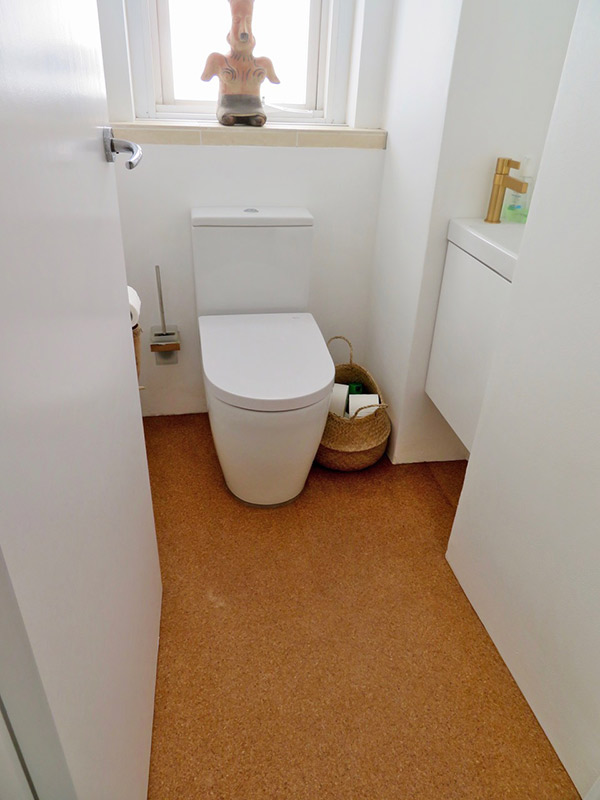
Amorim cork flooring for small bathroom
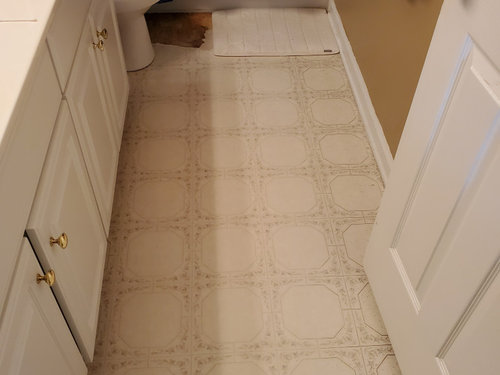
Best Bathroom Flooring – Cork Tile For Rest Of The House – ICork Floor
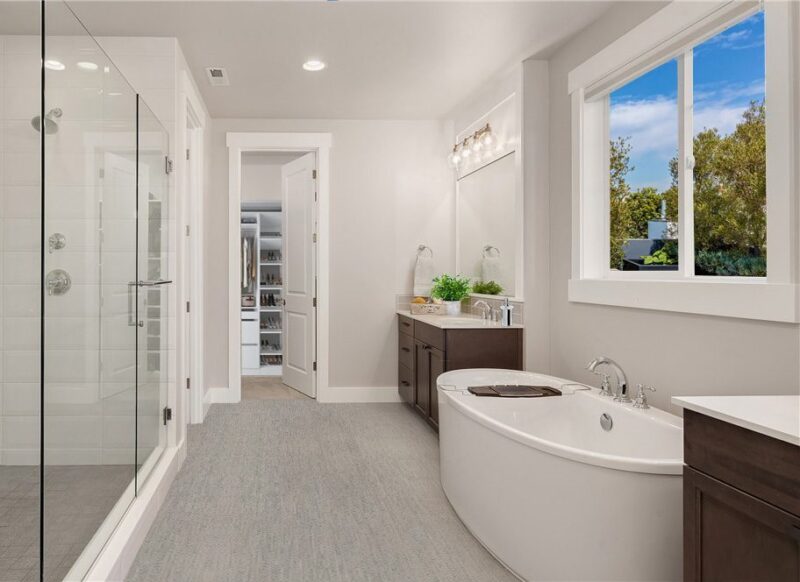
Is Cork a Good Choice for Bathroom Flooring? BuildDirect® Blog
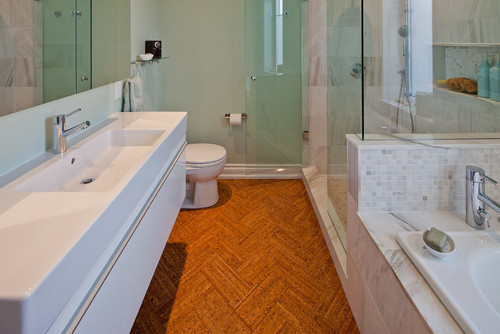
Can Cork Flooring Be Installed in A Bathroom? – Decor Snob

Flooring Ideas Modwalls, Cork flooring, Bathroom flooring

Related Posts: