If you’re looking for a way to transform your garage floor into a durable, easy-to-clean surface, epoxy paint is one of the best options out there. I’ve used it in my garage, and the difference it makes is incredible. Unlike plain concrete, which stains easily and wears down over time, epoxy creates a tough, glossy finish that resists oil, chemicals, and heavy foot traffic. It’s also surprisingly affordable compared to other flooring upgrades, making it a great choice for homeowners who want both function and style.
Why Choose Epoxy Paint for Your Garage Floor?
One of the biggest reasons I recommend epoxy paint is its durability. After applying it in my garage, I noticed how well it held up against dropped tools, car tires, and even chemical spills. Unlike regular paint, epoxy forms a thick, hard coating that doesn’t chip or peel easily. It’s also resistant to moisture, which helps prevent cracks and damage from temperature changes.
Another advantage is how easy it is to clean. Before epoxy, my garage floor would stain every time I spilled oil or antifreeze. Now, a quick wipe with a rag is all it takes to keep it looking new. The smooth, non-porous surface doesn’t absorb liquids, making maintenance a breeze. Even dirt and dust sweep away effortlessly, saving me time on cleaning.
Aesthetics matter too, and epoxy paint gives a professional, polished look. I chose a gray finish with decorative flakes, and it completely changed the feel of my garage. Whether you prefer a solid color or a metallic epoxy effect, there are plenty of options to match your style. It’s a simple upgrade that makes the space look more finished and intentional.
How to Prepare Your Garage Floor for Epoxy Paint
Proper preparation is key to a long-lasting epoxy finish. The first step I took was thoroughly cleaning the floor to remove oil stains, dirt, and debris. A degreaser and pressure washer worked well for me, but even scrubbing by hand can do the job if you don’t have one. Any leftover grime can prevent the epoxy from adhering properly.
Next, I etched the concrete to create a rough surface for better bonding. A muriatic acid solution or a commercial etching product works for this. It’s important to rinse the floor thoroughly afterward to neutralize the acid. I let mine dry completely for at least 24 hours before moving to the next step.
Finally, I filled any cracks or holes with a concrete patch. Even small imperfections can show through the epoxy if not repaired. Once everything was smooth and dry, I was ready to apply the epoxy. Skipping these steps might save time initially, but it can lead to peeling or bubbling later, so patience pays off.

Applying Epoxy Paint: What to Expect
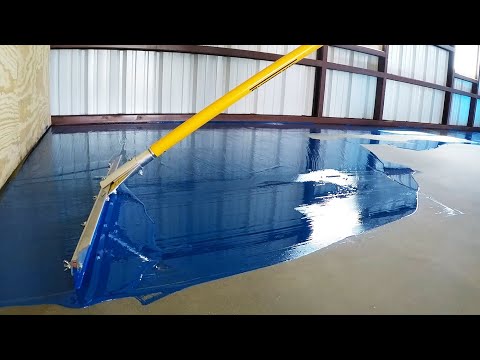
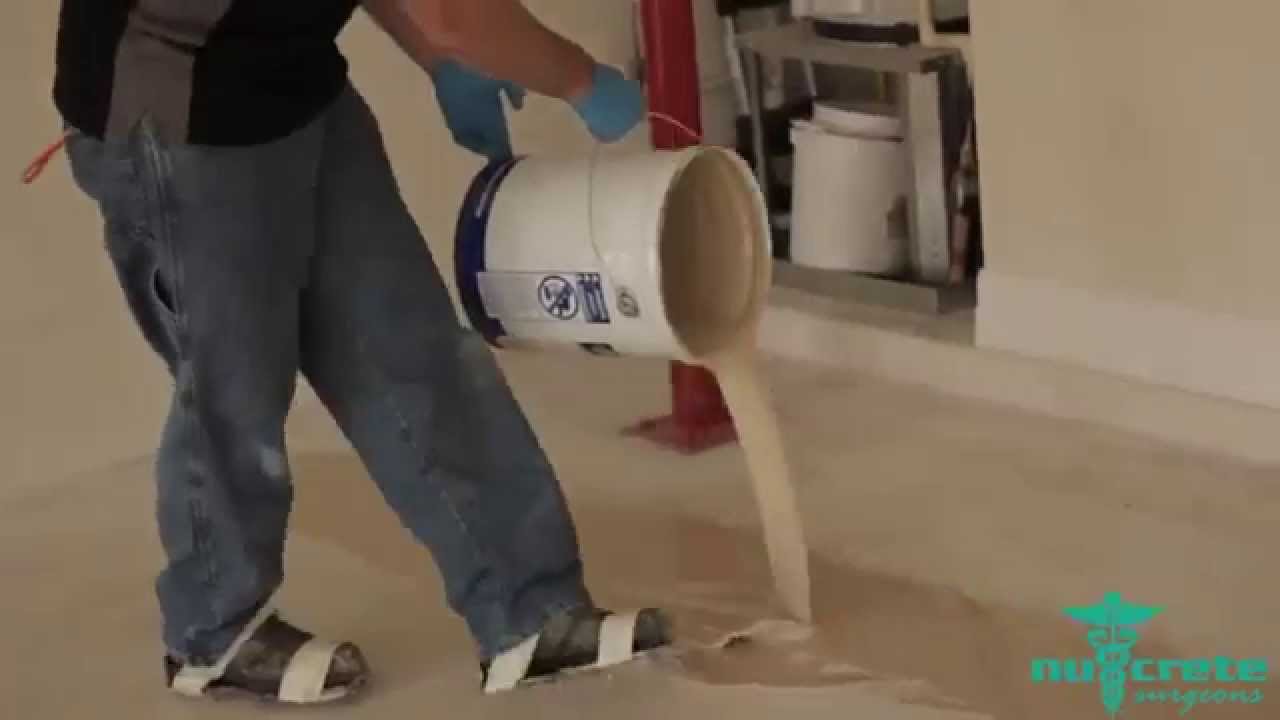
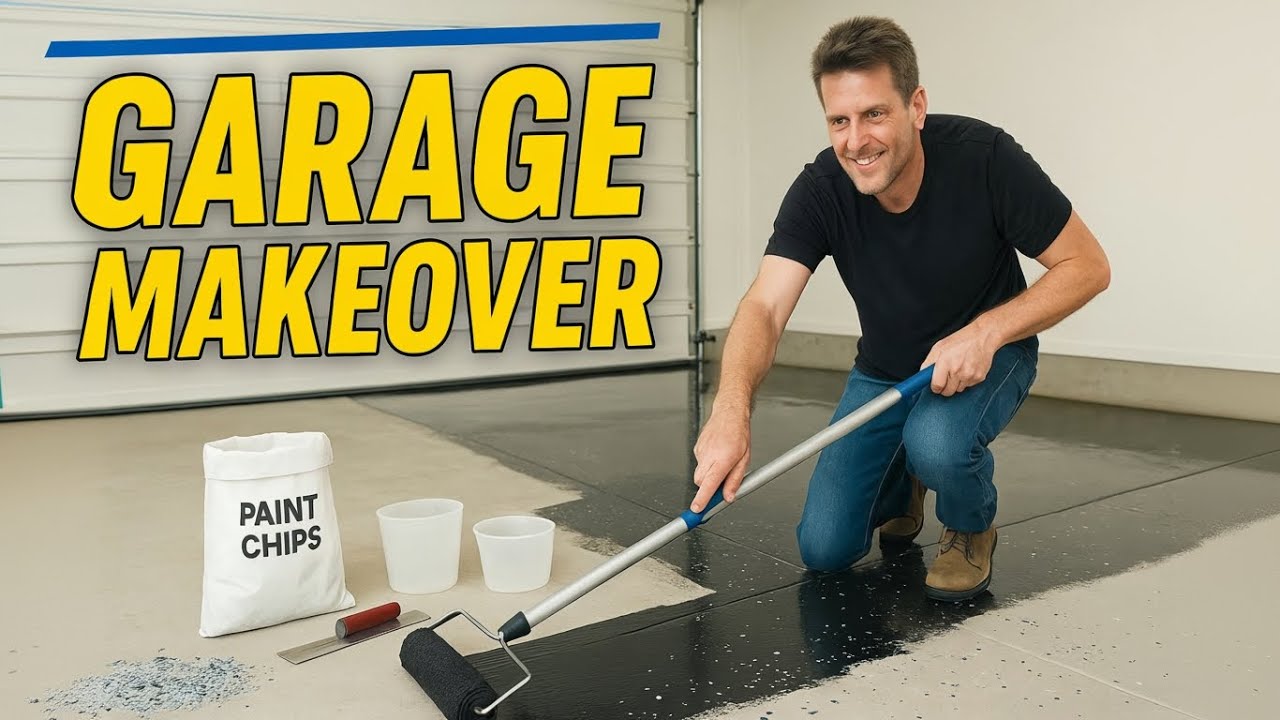
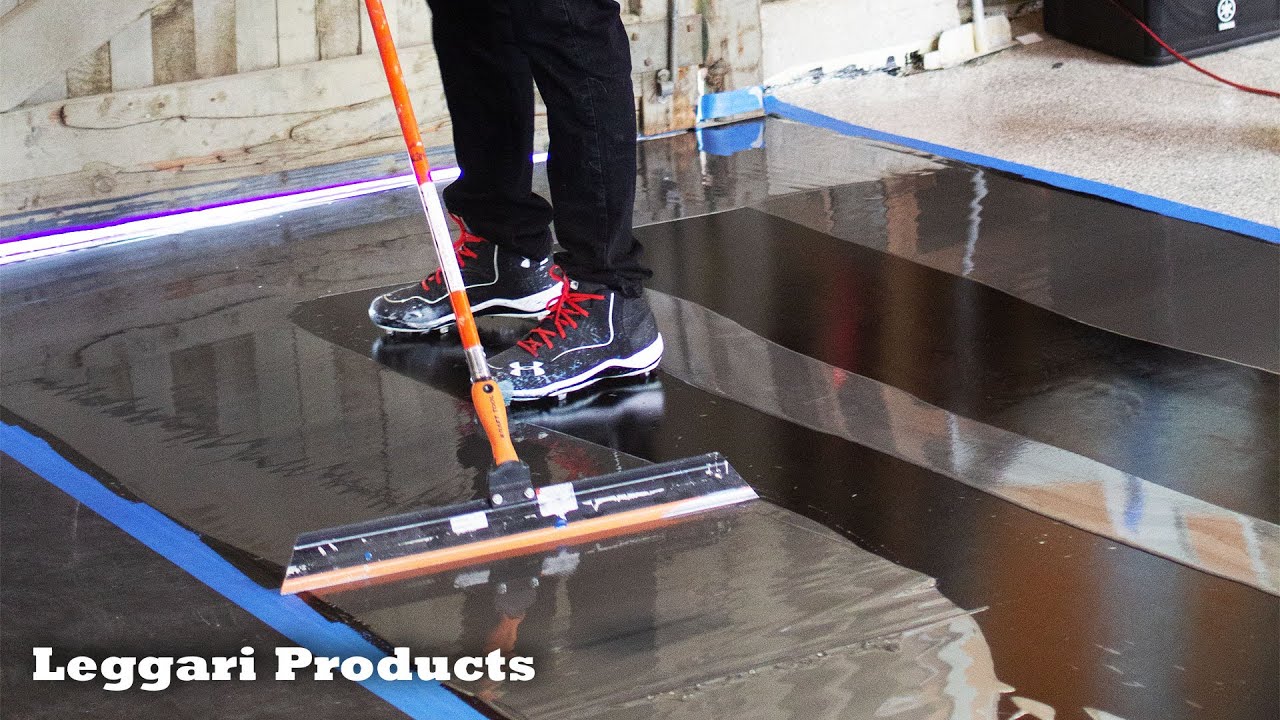
The application process is straightforward, but it requires attention to detail. I started by mixing the epoxy resin and hardener according to the instructions. Once combined, you have a limited working time before it starts to cure, so I made sure to work efficiently. A roller with a thick nap helped spread the epoxy evenly across the floor.
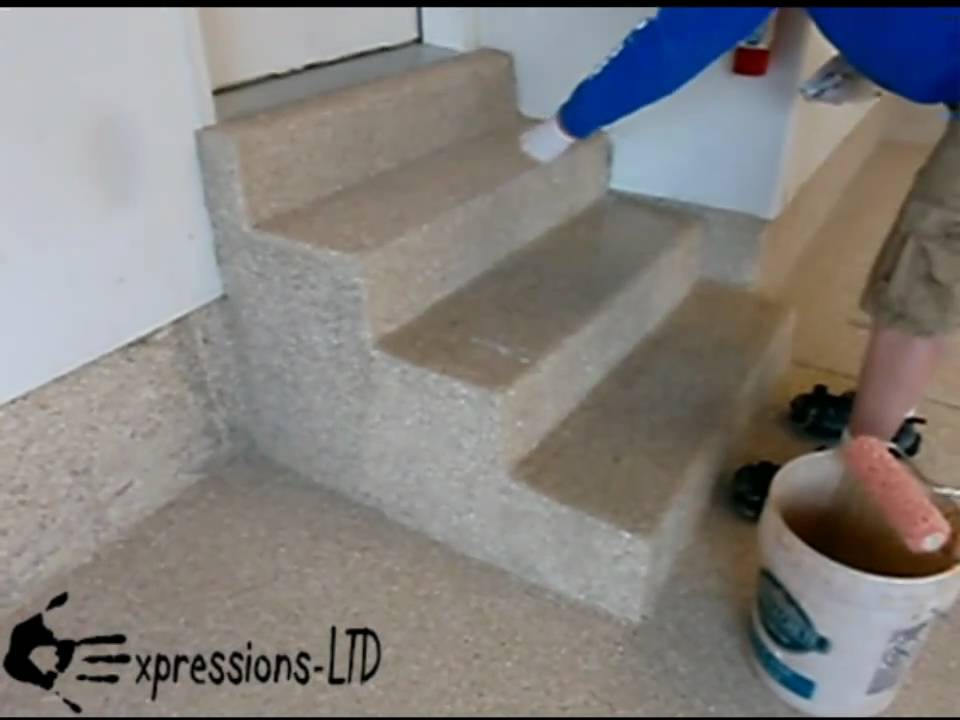
For added traction, I sprinkled anti-slip flakes while the epoxy was still wet. This not only improves safety but also gives a professional, speckled look. If you prefer a smooth finish, you can skip this step, but I found it helpful for preventing slips, especially in a garage where spills happen.
The hardest part was waiting for it to dry. Most epoxy coatings need at least 24 hours before light foot traffic and 72 hours before parking a car on them. I kept the garage well-ventilated during this time to help with curing. The end result was worth the wait—a glossy, tough surface that looked like a high-end showroom floor.
Maintaining an Epoxy Garage Floor
One of the best things about epoxy floors is how little maintenance they require. I sweep mine regularly to keep dirt and grit from scratching the surface. For deeper cleaning, a mop with warm water and mild detergent works perfectly. Avoid harsh chemicals, as they can dull the finish over time.
If you’re dealing with tough stains, a gentle scrub with a soft brush usually does the trick. I’ve had oil spills that wiped right off without leaving a mark. The epoxy’s resistance to chemicals means you don’t have to worry about damage from common garage fluids like gasoline or brake cleaner.
Over time, the shine might fade slightly, especially in high-traffic areas. A fresh coat of epoxy topcoat can restore the glossy look if needed. I haven’t had to do this yet, but it’s good to know the option exists. Overall, the upkeep is minimal compared to bare concrete or other flooring types.
Common Mistakes to Avoid with Epoxy Paint
One mistake I almost made was applying epoxy in humid or cold conditions. Temperature and humidity affect curing, so it’s best to work in moderate weather. I waited for a dry weekend with temps above 50°F to ensure proper adhesion. If it’s too cold or damp, the epoxy might not harden correctly.
Another issue is not mixing the epoxy thoroughly. The resin and hardener must be blended completely, or the coating could remain sticky or uneven. I used a drill mixer to make sure it was fully combined before applying. Taking shortcuts here can ruin the entire project.
Finally, rushing the prep work leads to problems. I’ve heard stories of epoxy peeling because the floor wasn’t clean or etched properly. Spending extra time on preparation ensures a smooth, long-lasting finish. It’s better to do it right the first time than to redo it later.
Is Epoxy Paint Worth It for Your Garage?
After using epoxy paint in my garage, I can confidently say it’s one of the best upgrades I’ve made. The durability, easy cleaning, and sharp appearance make it a practical choice. It’s also more affordable than alternatives like tile or polished concrete, giving great value for the cost.
If you use your garage for parking, projects, or storage, epoxy paint protects the floor from wear and tear. It’s also a great way to increase your home’s resale value, as buyers appreciate a well-maintained garage. The effort put into installation pays off in long-term benefits.
For anyone considering garage flooring, epoxy paint is a reliable option that balances performance and aesthetics. From my experience, it’s a worthwhile investment that makes the space more functional and visually appealing. I’d recommend it to any homeowner looking for a durable, low-maintenance solution.

How long does epoxy paint last on a garage floor?
With proper preparation and application, epoxy paint can last 5 to 10 years or more. In my garage, it’s been three years, and it still looks as good as new. Heavy use may cause minor wear over time, but a fresh topcoat can extend its lifespan. Avoiding harsh chemicals and cleaning spills promptly helps maintain the finish.
Can you apply epoxy paint over an existing painted floor?
Yes, but the existing paint must be in good condition and properly prepared. I’ve seen it done after sanding and cleaning the old paint to ensure adhesion. If the previous coating is peeling, it’s best to remove it completely. A bonding primer can also help the epoxy stick better to painted surfaces.

Is epoxy paint slippery when wet?
It can be, but adding anti-slip granules or a textured topcoat reduces this risk. I included flakes in my epoxy, and it provides enough grip even when the floor is wet. If you’re concerned about slipping, look for epoxy kits with built-in traction additives for safer footing.
How long does it take for epoxy paint to dry?
Most epoxy coatings are dry to the touch in 12 to 24 hours, but full curing takes about 72 hours. I waited three days before parking my car on it to avoid tire marks. Humidity and temperature affect drying time, so follow the manufacturer’s recommendations for best results.
Can you apply epoxy paint yourself, or should you hire a professional?
It’s definitely a DIY-friendly project if you follow the instructions carefully. I did mine myself and saved a lot compared to professional installation. However, if your floor has major cracks or unevenness, a pro might ensure better results. The key is thorough prep work and patience during application.
Does epoxy paint work on new concrete?
Yes, but new concrete needs to cure for at least 30 days before applying epoxy. I made the mistake of rushing this once, and the epoxy didn’t adhere well. Moisture trapped in fresh concrete can cause bubbling or peeling, so waiting ensures a strong, lasting bond. A moisture test can help determine if it’s ready.
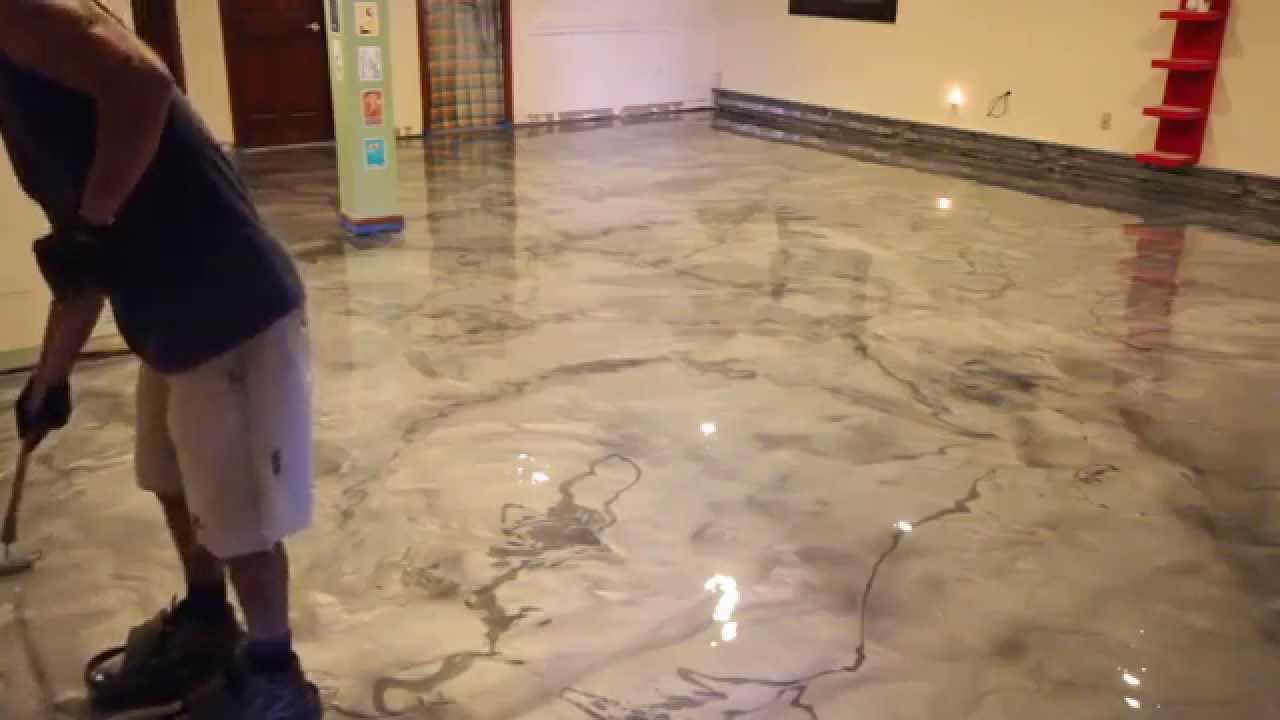
Epoxy Coating Garage Floor with Acrylic Flake
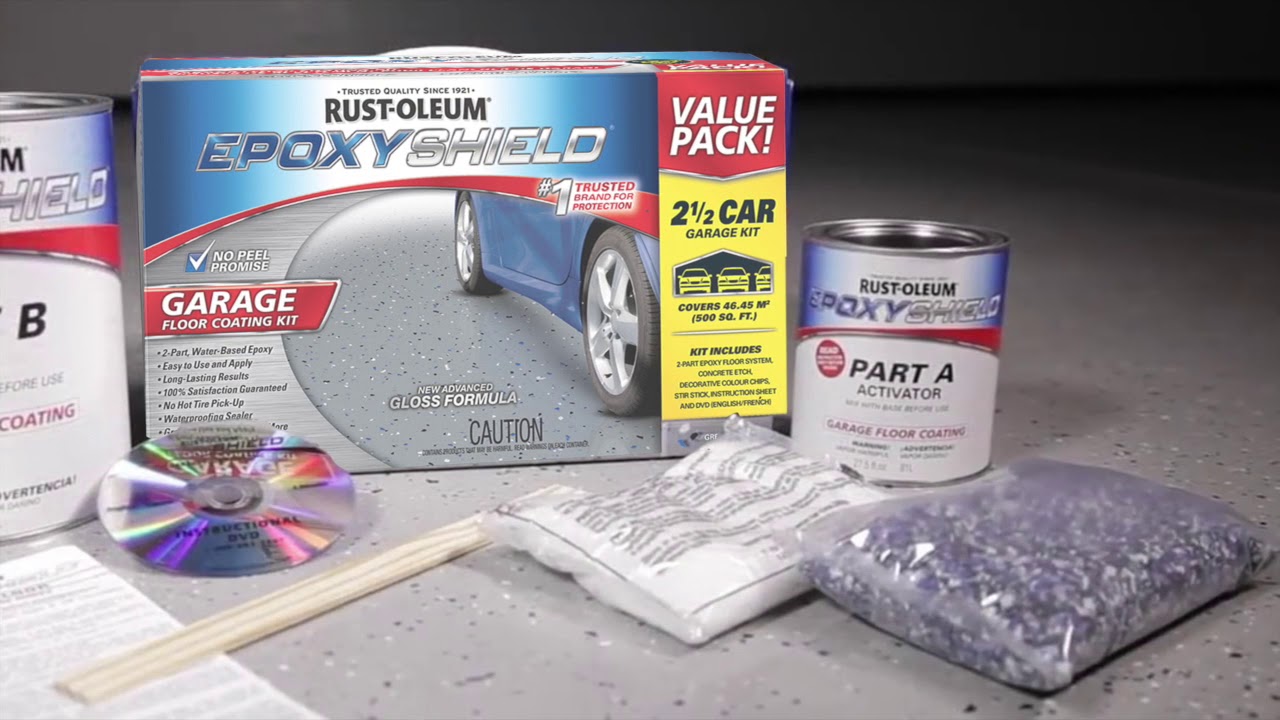
How to Use Rust-Oleum® Epoxyshield® Garage Floor Coating Kit to Transform Your Floor
Drawbacks of Epoxy Flooring
How to Apply Garage Floor Epoxy
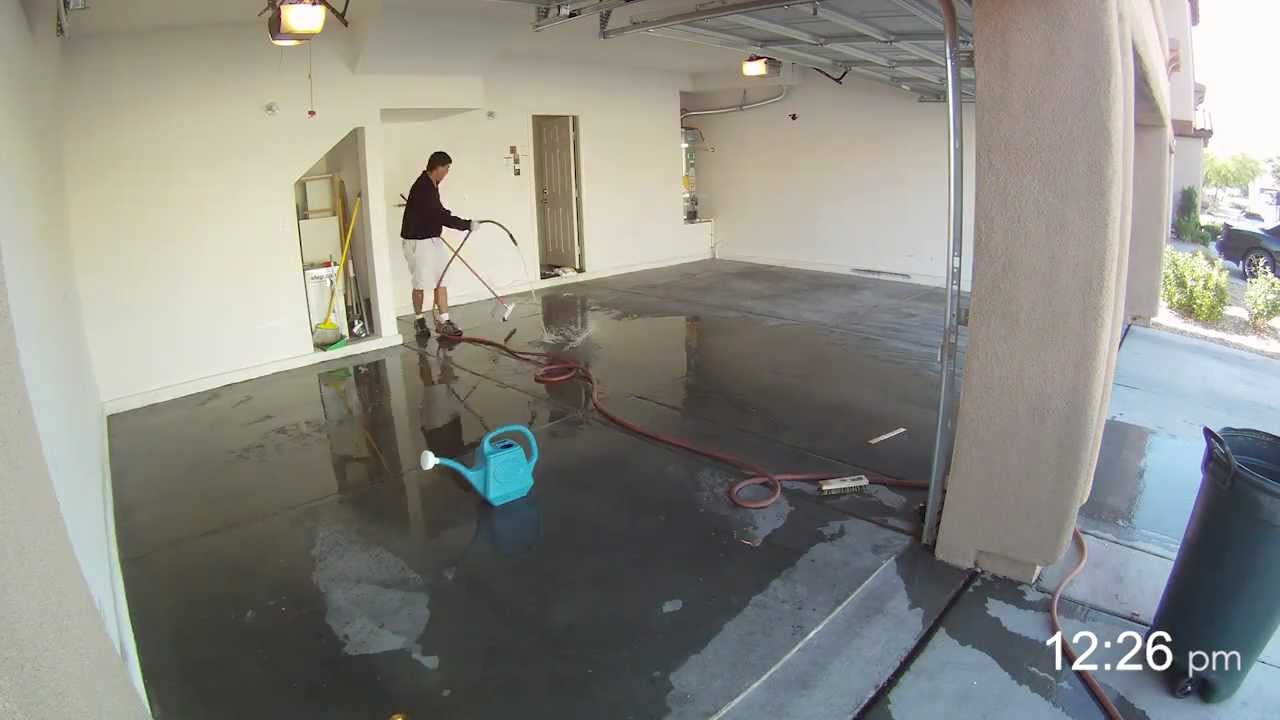
Waterborne Epoxy Garage Floor Coating Training in Buckeye, AZ
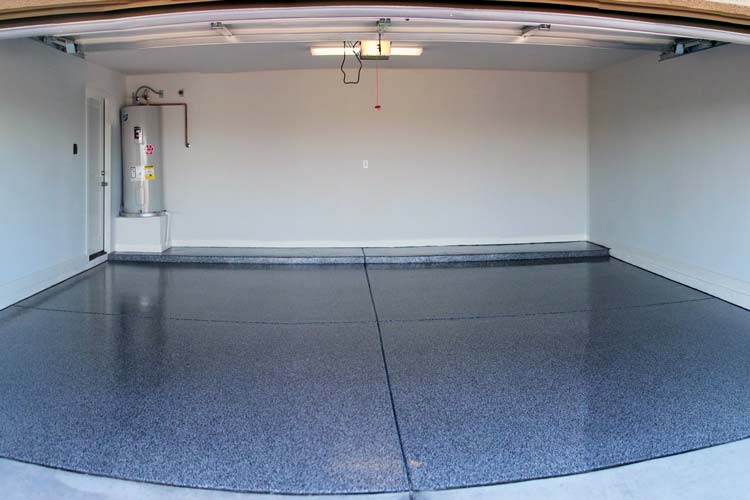
How to Paint Garage Floors With 1-Part Epoxy Paint Garage floor

Related Posts: