When I originally explored epoxy resin for my concrete flooring, I was unsure if it was the best option. However, after witnessing how it transformed my garage into a sleek, easy-to-clean place, I became a convert. Epoxy resin is a durable, glossy covering that protects concrete against stains, cracks, and abrasion while also providing a polished appearance. It is utilized in garages, basements, workshops, and even modern residences due to its durability and personalization possibilities. If you want a floor that is both functional and physically appealing, epoxy resin is worth considering.
Why Use Epoxy Resin for Concrete Floors?
Epoxy resin produces a smooth, non-porous surface that repels oil, chemicals, and moisture. Unlike bare concrete, which absorbs spills and stains easily, epoxy creates a protective layer. I’ve spilled everything from motor oil to paint on my garage floor, and the cleaning takes seconds. This makes it excellent for high-traffic locations that require durability.
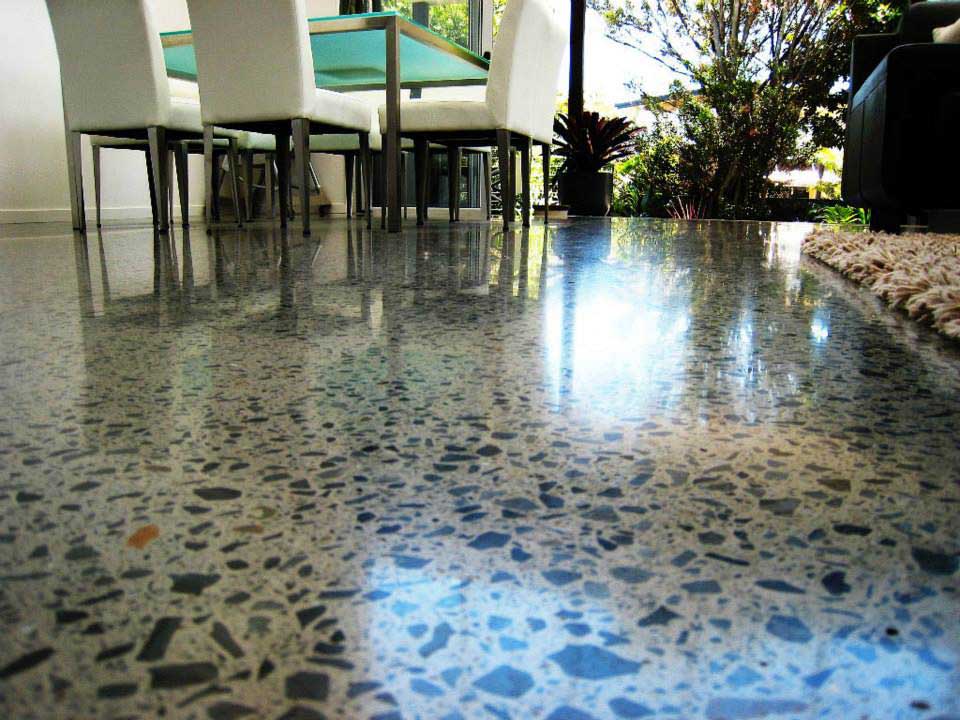
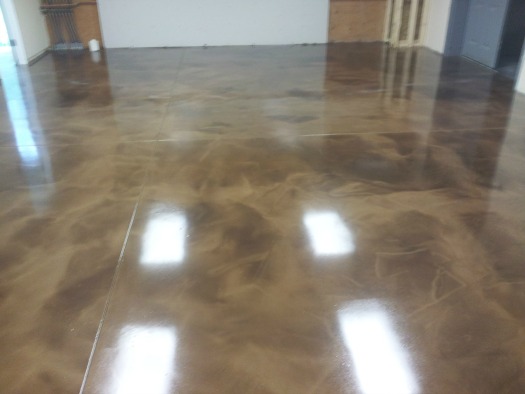
Another advantage is that it allows for customisation. Epoxy comes in a variety of colors, flakes, and metallic finishes, allowing you to create a distinct style. I chose a gray foundation with blue and white flakes, giving my floor a professional, speckled appearance. Epoxy provides limitless options for creating a solid color, a decorative motif, or even a high-gloss finish.
Beyond appearance, epoxy resin hardens concrete, preventing cracks and surface damage. When textured additives are employed, it becomes more slip-resistant and thus safer than plain polished concrete. For me, epoxy is the best choice for concrete flooring because of its style, strength, and ease of upkeep.
Preparing Concrete for Epoxy Coating
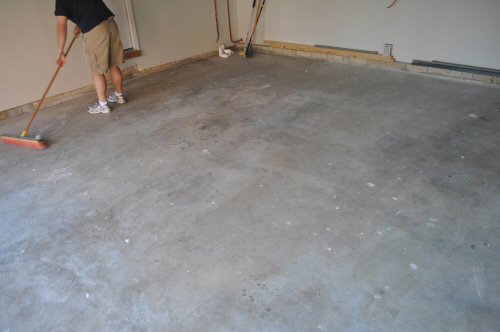
Proper preparation is required for epoxy to adhere properly. First, I meticulously scrubbed my concrete floor to remove grime, grease, and old coatings. This stage was completed successfully using a degreaser and a power washer. Any oil stains require particular treatment since residual residue may prevent the epoxy from adhering.
Next, I etched the concrete with a moderate acid solution to open its pores. This helps the epoxy penetrate deeply, resulting in a stronger bond. If your floor has cracks or pits, fix them with a concrete patcher to create a smooth surface. I took extra time with this stage because flaws can show through the final coat.
Finally, I allowed the floor to totally dry before adding epoxy. Moisture is epoxy’s enemy, so I used a moisture meter to ensure it was ready. Skipping preliminary work may save time in the beginning, but it leads to peeling and bubbling later. Taking these measures seriously will result in a long-lasting, professional-looking finish.
Epoxy Application Process
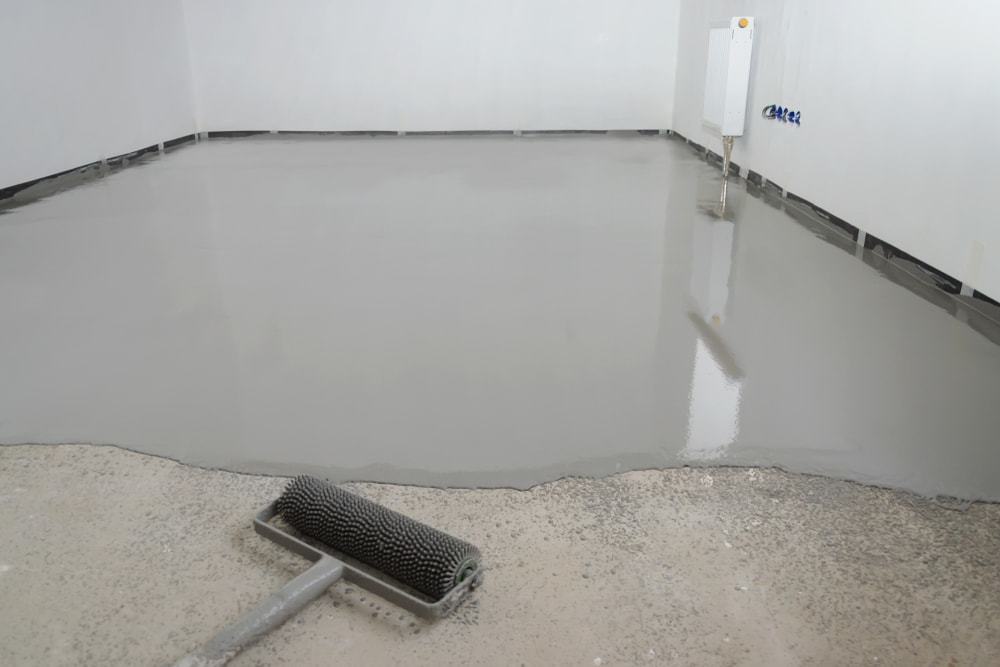
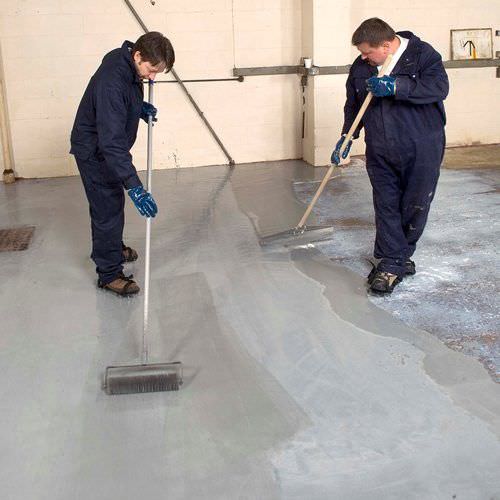
Applying epoxy resin is a do-it-yourself project that demands patience. I began by mixing the epoxy resin and hardener exactly as directed. Improper ratios might create a sticky, uncured mess. Using a roller with a long handle made it easier to spread the epoxy, particularly in larger regions.
I worked in short pieces to keep a moist edge and avoid lap marks. While the epoxy was still wet, I applied anti-slip flakes for extra grip. If you want to create a beautiful impact, now is the time to use color flakes or metallic pigments. After the first layer dried, I applied a second coat for further durability and gloss.
The final step was to apply a clear topcoat to provide UV protection and increased strength. This avoids yellowing and increases the floor’s longevity. The entire process took a weekend, but the outcome was worthwhile. Just make sure to properly ventilate the area, since epoxy fumes can be intense during application.

Maintenance and Durability of Epoxy Floors
One of the best features of epoxy floors is their ease of maintenance. Sweeping regularly and occasionally mopping with a mild cleanser keeps mine looking new. Unlike carpet or tile grout, epoxy does not collect dirt, making it excellent for garages and workshops.
Epoxy is durable, but not indestructible. Dragging large metal objects can scratch it, so I place furniture pads under workbenches. Hot tire pick-up might also be a problem if the epoxy is not heat-resistant. Choosing a high-quality product reduces the hazards.
Epoxy floors can last 10-20 years if properly maintained. I’ve owned mine for five years, and aside from a few tiny scratches, it’s still in excellent condition. Reapplying a topcoat every few years restores the sheen and gives an extra layer of protection.
Cost comparison With Other Flooring Options
Epoxy resin is less expensive than many quality flooring choices. When compared to polished concrete or ceramic tile, epoxy offers a similar high-end appearance at a fraction of the expense. I paid around $3 per square foot on supplies, making it an affordable makeover.
Professional installation raises the cost but guarantees optimal outcomes. I saved money on labor by doing it myself. However, employing a professional may be worthwhile for larger or more intricate locations. Epoxy is a wise investment because it saves money on upkeep and repairs over time.
When weighing expenses, consider the durability of epoxy. Unlike vinyl or laminate, which may need to be replaced every decade, epoxy lasts much longer and requires very little maintenance. For me, the initial investment was rewarded by years of hassle-free use.

Potential Drawbacks of Epoxy Resin Floors
Despite its advantages, epoxy is not perfect. One concern is slickness when wet, particularly with glossy coatings. I applied anti-slip chemicals to my topcoat to boost traction. If safety is an issue, a matte finish or textured epoxy is a preferable option.
Another disadvantage is the strong odor during application. Proper ventilation is essential, and wearing a respirator helps. The fumes diminish after curing, but the odor can be strong initially. If you are chemically sensitive, try using a low-VOC epoxy.
Finally, exposure to direct sunshine can cause epoxy to yellow over time. UV-resistant topcoats assist, but outdoor use can still cause discoloration. This is rarely an issue in indoor locations such as garages and basements.
How long will epoxy resin remain on concrete floors?
A well laid epoxy floor can last 10 to 20 years, depending on traffic and care. Mine has stood up beautifully for five years, with little wear. UV exposure, severe impacts, and chemical spills can have an impact on durability. Reapplying a clear topcoat every few years renews the protective layer. Using a high-quality epoxy and doing thorough prep work offers optimal durability.
Are epoxy flooring slippery when wet?
Glossy epoxy might be slippery, but this is a simple fix. I added anti-slip chemicals to my topcoat to improve traction. Textured epoxy or a matte finish help to lessen slipperiness. Rubber mats at entryways increase safety in high-moisture areas such as garages. With the proper care, epoxy floors can be both beautiful and slip-resistant.

Is epoxy resin flooring DIY-friendly?
Yes, but it requires careful planning. I successfully applied epoxy by precisely following the instructions. Before applying, make sure to clean, etch, and fix any cracks. Work in tiny pieces and properly mix the epoxy to ensure even application. If you’re unsure, hiring a professional ensures a faultless finish, particularly in large or difficult areas.
Will epoxy resin yellow over time?
UV exposure can cause yellowing, although a UV-resistant coating reduces it. My garage floor receives indirect sunshine and displays no deterioration. Epoxy may not be the ideal choice for outdoor applications unless it is specifically developed to be UV resistant. Yellowing rarely occurs inside, particularly in basements or workshops.
How can I clean and maintain epoxy floors?
Regular sweeping and mopping with a pH-neutral solution will keep epoxy flooring looking new. Avoid using harsh chemicals, such as bleach, since they might dull the shine. A gentle scrub brush and warm soapy water are effective for removing stubborn stains. I’ve discovered that epoxy repels dirt better than other flooring, making maintenance simple.
Can epoxy be used over aged concrete?
Yes, but the concrete should be in good shape. I cleaned and fixed the cracks before applying the epoxy. If the old concrete has flaking sealers or coatings, grinding or acid etching is required. Moisture issues must also be addressed, as epoxy does not adhere to moist concrete. Proper preparation promotes a solid link and long-term results.
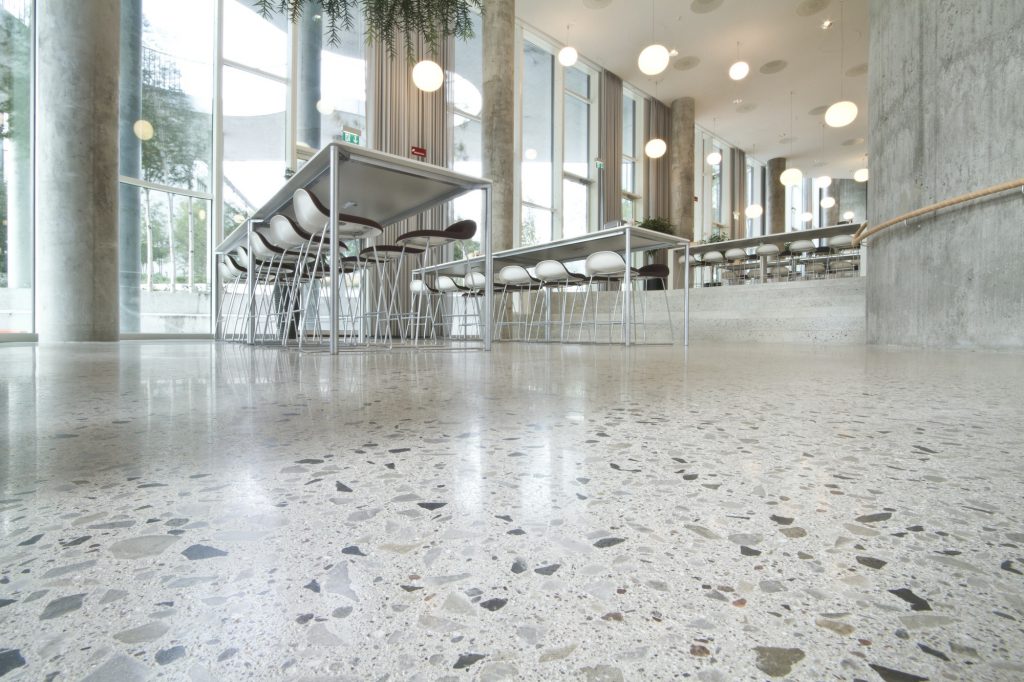
China Wholesale Metallic Epoxy Resin Floor Paint for Concrete

Understanding the Pros and Cons of Epoxy Floors
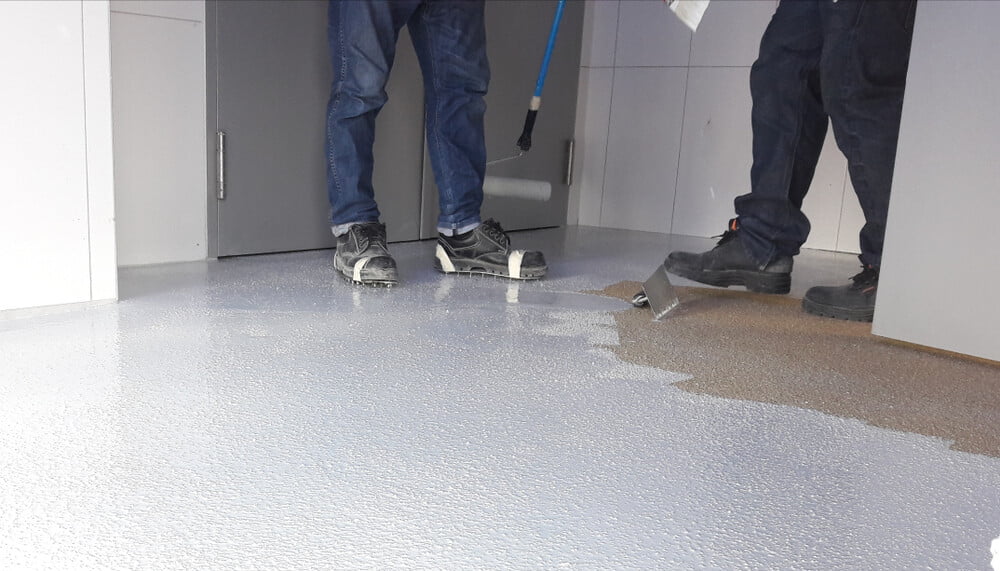
How to Paint an Epoxy Concrete Floor Coating
Related Posts: