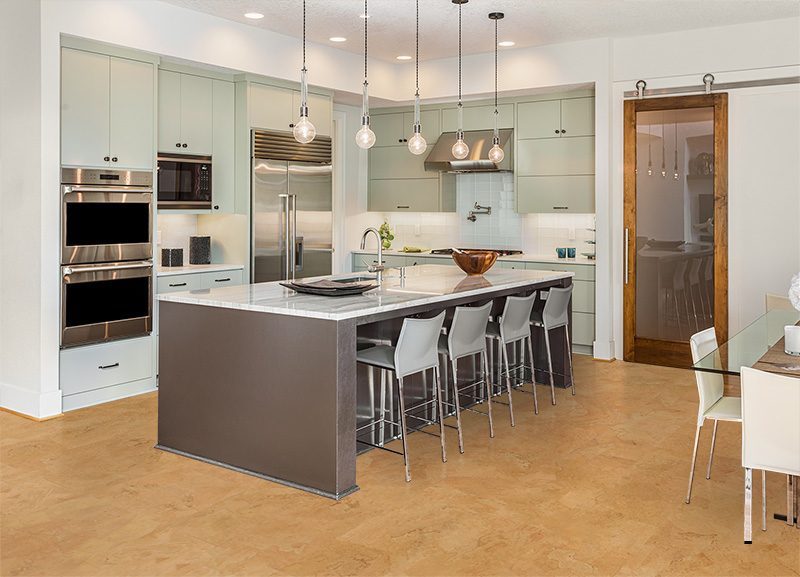
When it comes to kitchen flooring, cork tiles might not be the first option that comes to mind, but they offer a unique blend of comfort, sustainability, and style. I’ve used cork flooring in my kitchen, and the experience has been nothing short of fantastic. Unlike cold, hard tiles or noisy laminate, cork provides a soft, warm surface that’s gentle on the feet and reduces noise. Plus, it’s an eco-friendly choice, made from renewable cork oak bark. If you’re looking for a kitchen floor that’s both practical and planet-friendly, cork tiles deserve serious consideration.
Why Choose Cork for the Kitchen?
Cork is naturally resistant to moisture, making it a surprisingly good fit for kitchens. While it’s not completely waterproof, modern sealants can protect it from spills and stains. I’ve found that as long as I wipe up liquids quickly, my cork floors stay in great condition. The softness underfoot is another major perk, especially when standing for long periods while cooking.
Another advantage is cork’s insulating properties. It helps keep the kitchen warm in winter and reduces noise from dropped utensils or footsteps. Unlike ceramic tiles, which can feel uncomfortably cold, cork maintains a pleasant temperature year-round. This makes it a great choice for homes in cooler climates or for anyone who hates stepping onto a freezing floor in the morning.
Finally, cork is eco-friendly. Harvesting cork doesn’t harm the tree, as only the bark is removed. This sustainable process means cork floors have a lower environmental impact than vinyl or laminate. For me, knowing that my kitchen floor is made from a renewable resource adds to its appeal.
Durability and Maintenance
Some people worry that cork won’t hold up in a high-traffic area like the kitchen, but I’ve found it to be quite durable. With a good sealant, cork resists scratches and dents better than expected. My floors have lasted years without significant wear, even with pets and frequent cooking. However, using furniture pads and avoiding sharp heels can help prolong its lifespan.
Maintenance is straightforward. Regular sweeping and occasional damp mopping keep cork floors clean. I recommend resealing them every few years to maintain water resistance. Unlike hardwood, cork doesn’t require waxing or polishing, making it a low-maintenance option. Just avoid harsh chemicals, as they can damage the finish.
One thing to note is that cork can fade in direct sunlight over time. If your kitchen gets a lot of sun, using rugs or UV-protective window film can help preserve the color. Despite this minor drawback, the overall durability and ease of care make cork a practical choice.
Design and Aesthetic Appeal
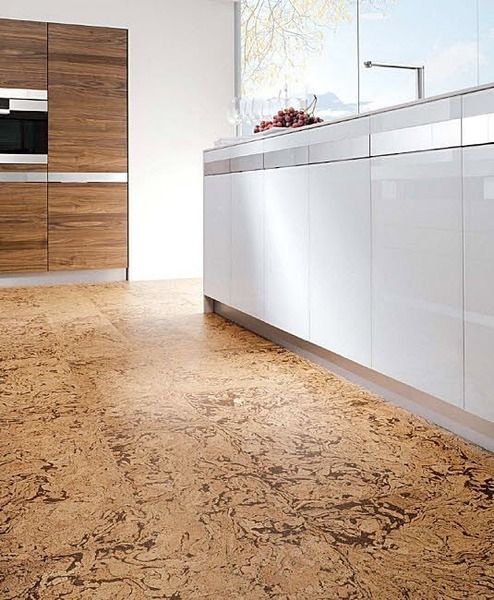
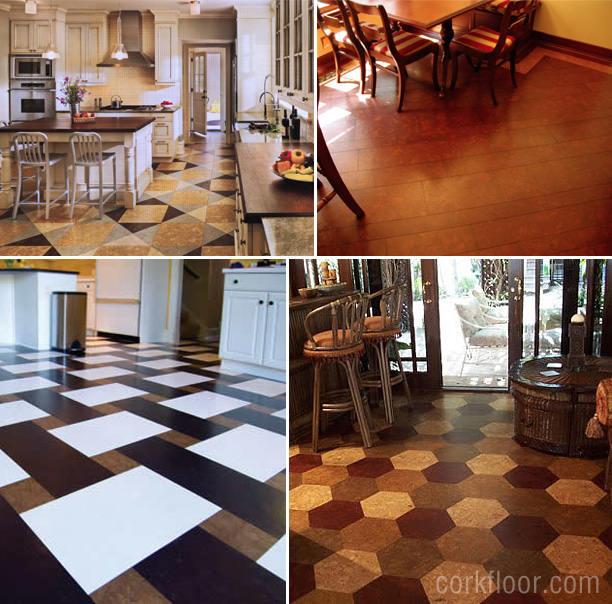
Cork tiles come in a variety of colors and patterns, from natural earth tones to darker stains. I love how the unique grain patterns add warmth and texture to my kitchen. Whether you prefer a rustic or modern look, there’s a cork style to match. Some tiles even mimic the appearance of hardwood or stone.
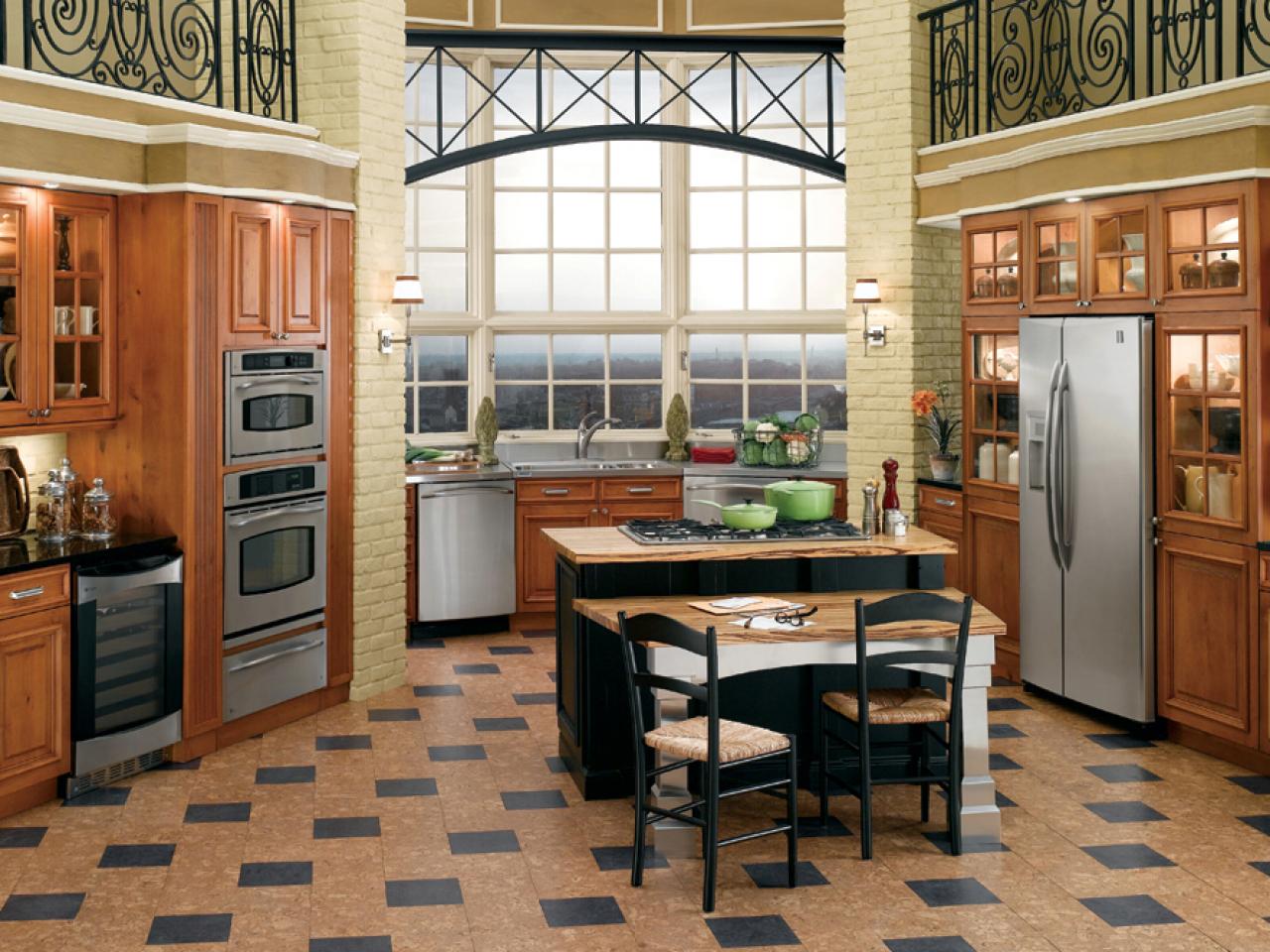
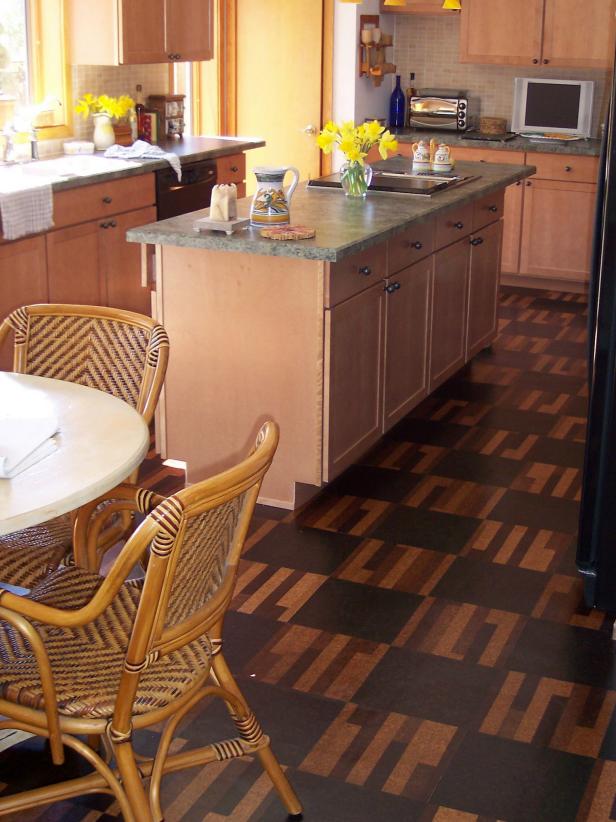
Another design benefit is the ability to create custom patterns. Cork can be cut into different shapes, allowing for creative layouts like herringbone or checkerboard. I opted for a simple grid pattern, but the possibilities are endless. The natural variation in cork also means no two floors look exactly alike.
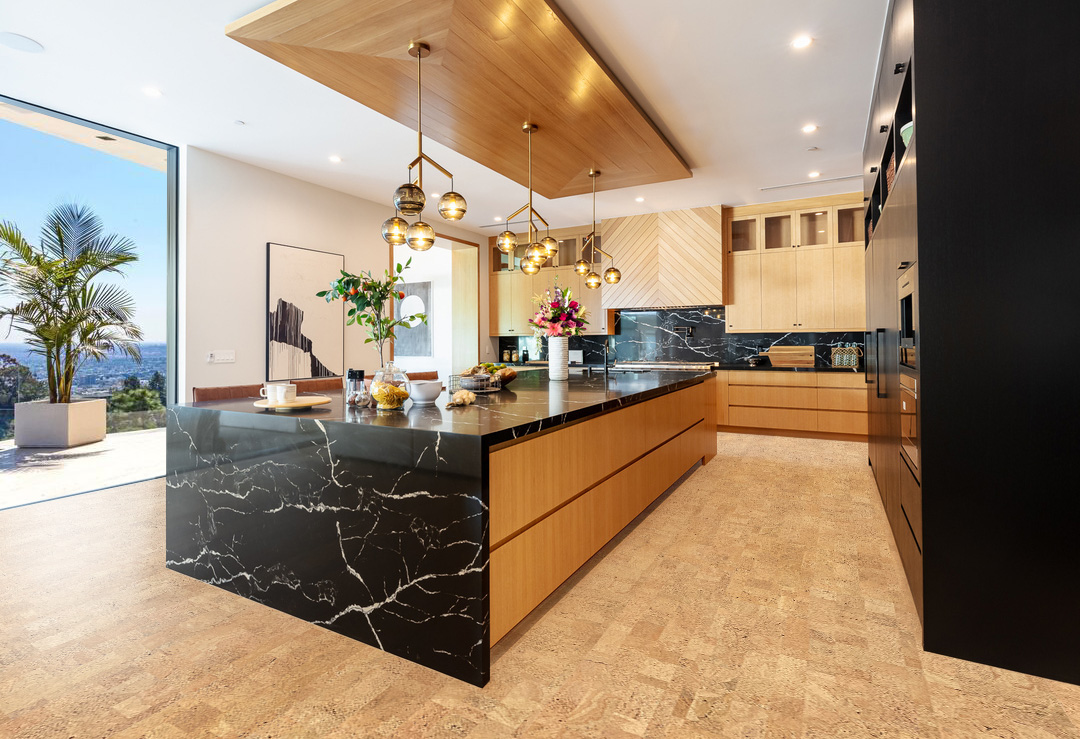
For those concerned about style longevity, cork has a timeless quality. Unlike trendy materials that may look dated in a few years, cork’s organic look remains appealing. It pairs well with both traditional and contemporary kitchen designs, making it a versatile choice.
Installation Process
Installing cork tiles is a project many DIYers can handle. I chose floating cork tiles, which click together like laminate flooring, making installation quick and tool-free. Glue-down tiles are another option, offering a more permanent solution but requiring more precision. Either way, proper subfloor preparation is key to avoiding uneven surfaces.
One tip I learned is to let the tiles acclimate to the room’s humidity for at least 48 hours before installation. This prevents warping later on. Also, leaving a small expansion gap around the edges ensures the floor can adjust to temperature changes. If you’re unsure, hiring a professional ensures a flawless finish.
While cork is forgiving to work with, mistakes can happen. I had to replace a couple of tiles after misaligning them, but the process was simple. Overall, the installation was easier than I expected, and the results were worth the effort.
Cost and Long-Term Value
Cork flooring is mid-range in price, more affordable than hardwood but slightly costlier than vinyl. I found that the long-term benefits justify the initial investment. The energy-saving insulation and durability mean lower heating bills and fewer replacements over time. Plus, the comfort factor is hard to put a price on.
Another financial benefit is cork’s potential to increase home value. Eco-conscious buyers appreciate sustainable materials, and cork’s unique look can make a kitchen stand out. While it may not add as much value as premium hardwood, it’s still a selling point for the right buyer.
Budget-conscious homeowners can save by choosing thinner tiles or installing them themselves. I went with a mid-thickness option, balancing cost and durability. Considering how well they’ve held up, I’d say cork offers excellent value for money.
Potential Drawbacks to Consider
No flooring is perfect, and cork has a few limitations. While it resists moisture, prolonged exposure to water can cause damage. I avoid leaving wet spills unattended and use mats near the sink. In very humid climates, extra sealing might be necessary to prevent warping.
Heavy furniture can leave indentations in cork over time. I use coasters under chairs and tables to distribute weight evenly. Sharp objects can also puncture the surface, so being mindful when handling knives or heavy pots helps prevent damage.
Lastly, cork’s softness means it may not be ideal for every household. If you have large dogs with long claws or frequently move heavy appliances, a harder flooring might be more suitable. However, for most kitchens, these drawbacks are manageable with simple precautions.
Are cork floors suitable for kitchens with heavy foot traffic?
Yes, cork floors can handle heavy foot traffic if properly maintained. I’ve used cork in my kitchen for years, and with a good sealant, it resists wear well. While it’s softer than tile or hardwood, its natural elasticity helps it bounce back from pressure. Placing rugs in high-traffic areas and using furniture pads can further protect the surface. For busy households, choosing a thicker cork tile (at least 5mm) enhances durability.
How do I protect cork floors from water damage?
The key is prompt cleanup and proper sealing. I wipe spills immediately and avoid excessive moisture. Applying a high-quality sealant every few years creates a protective barrier. In wet zones like near the sink, using a waterproof mat adds extra security. While cork isn’t fully waterproof, these steps make it highly water-resistant. Avoid steam mops, as they can force moisture into the seams.

Can cork flooring be refinished if it gets scratched?
Yes, minor scratches can be sanded and resealed, much like hardwood. I’ve touched up small marks with a bit of fine sandpaper and a fresh coat of sealant. However, deep gouges may require replacing individual tiles. Choosing pre-finished cork with a durable top layer reduces the need for refinishing. For high-wear areas, a matte finish hides imperfections better than glossy options.
Is cork flooring comfortable to stand on for long periods?
Absolutely! This is one of the biggest reasons I love cork in the kitchen. Its natural cushioning reduces fatigue, making it much more comfortable than tile or concrete. The slight give underfoot is especially helpful when cooking for extended periods. If you suffer from joint pain or back issues, cork’s shock-absorbing qualities can make a noticeable difference.
Does cork flooring fade in sunlight?
Over time, prolonged exposure to UV rays can cause fading. I’ve minimized this by using curtains or UV-blocking window film in my kitchen. Choosing darker cork shades or tiles with UV-resistant finishes also helps. If fading occurs, rotating rugs or rearranging furniture can even out discoloration. While some color change is natural, it usually happens gradually and adds to cork’s rustic charm.
How does cork compare to other eco-friendly flooring options?
Cork is among the most sustainable choices, alongside bamboo and reclaimed wood. Unlike bamboo, which requires harvesting the whole plant, cork is harvested without harming the tree. It’s also more comfortable underfoot than bamboo and offers better noise insulation. Compared to vinyl or laminate, cork is biodegradable and free from harmful chemicals. For eco-conscious homeowners, it’s a top-tier option.
Related Posts: